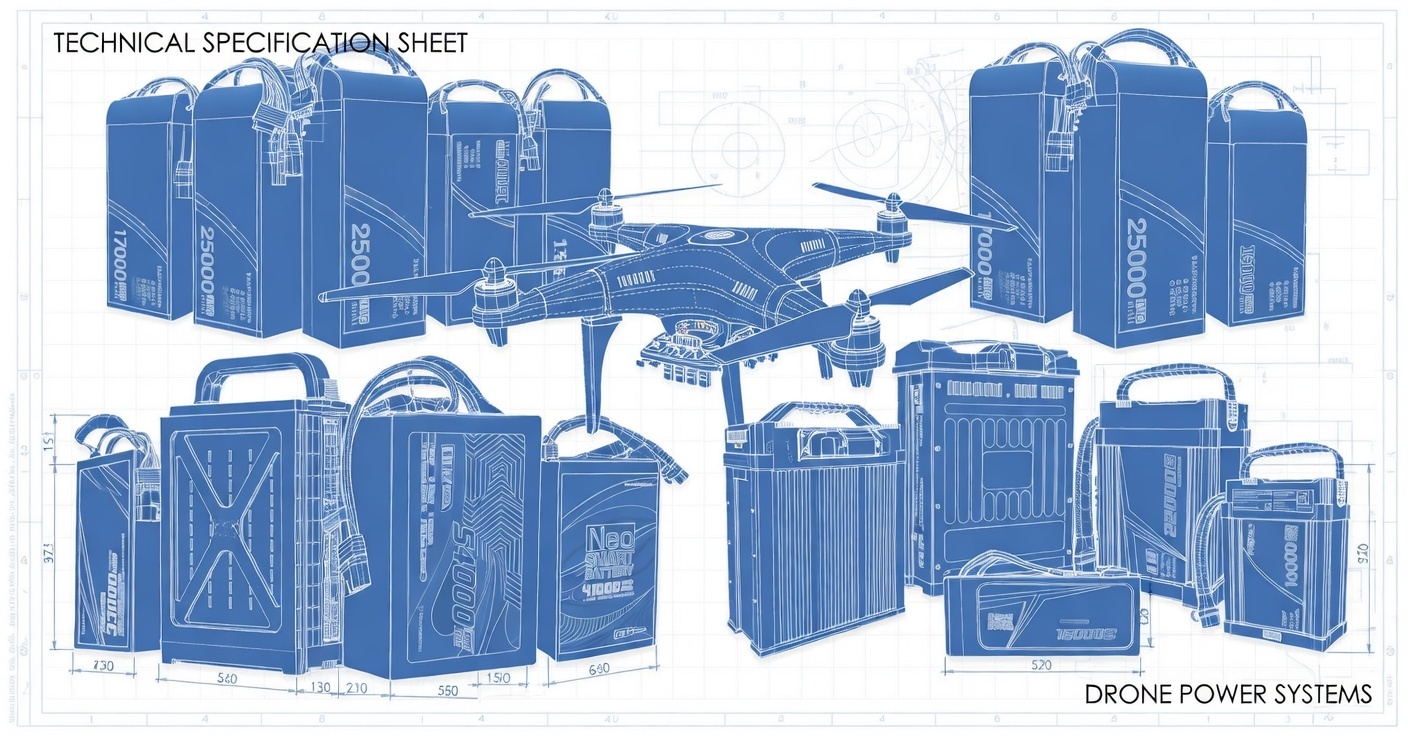
The low-altitude economy is experiencing unprecedented growth in 2026. With China’s new drone management regulations officially taking effect on January 1, 2026, and the International Low-altitude Economy Expo showcasing cutting-edge technologies, developers and buyers face critical challenges in battery lifecycle management. Lithium-polymer (LiPo) batteries remain the heart of unmanned aerial vehicles (UAVs), yet improper handling can reduce their lifespan by up to 60%, according to industry research from battery thermal management experts.
Understanding the Core Challenges in Drone Battery Management
Low-altitude aircraft developers confront three fundamental obstacles when managing drone battery life cycles. First, regulatory compliance has become increasingly complex. The International Air Transport Association (IATA) updated its Dangerous Goods Regulations, mandating that lithium-ion batteries must be transported at no more than 30% state of charge (SoC) starting January 2026. Second, thermal management remains critical—improper temperature control during charging or storage accelerates degradation. Third, the lack of standardized testing protocols creates inconsistency across the supply chain.
Key Statistics:
- Typical LiPo drone batteries deliver 300-500 charge cycles before capacity drops below 80%
- Improper storage can reduce battery lifespan by 40-60%
- Temperature variations beyond 15-25°C range increase degradation rates significantly
Phase 1: Pre-Purchase Evaluation Checklist
Before committing to any drone battery supplier, developers must conduct thorough due diligence. This phase determines long-term operational costs and safety compliance.
Essential Pre-Purchase Questions:
- Cell Chemistry Verification: Confirm whether batteries use LiPo, Li-ion, or emerging solid-state technology. Agricultural UAV batteries typically require 22000mAh-30000mAh capacity with 20C-40C discharge rates.
- BMS Integration: Ensure the battery management system includes overcharge protection, temperature monitoring, and cell balancing. Smart batteries with BMS 2.0 technology provide real-time data transmission.
- Certification Compliance: Verify UN38.3, CE, and RoHS certifications. For commercial operations, additional aviation authority approvals may be necessary.
- Cycle Life Specifications: Request documented cycle life testing results. Quality manufacturers provide detailed degradation curves showing capacity retention over 300+ cycles.
- Warranty Terms: Standard warranties cover 12-24 months or 200-300 cycles. Extended warranties indicate manufacturer confidence in product quality.
Phase 2: Receiving and Initial Testing Protocol
Upon battery delivery, implement a systematic inspection process to identify potential defects before deployment.
Step-by-Step Receiving Checklist:
- Visual Inspection: Examine packaging for damage, check connector integrity, and verify labeling matches specifications.
- Voltage Verification: Measure individual cell voltages. Variations exceeding 0.05V between cells indicate potential manufacturing defects.
- Capacity Testing: Perform initial discharge tests at rated C-rates. Document actual capacity versus stated specifications.
- Internal Resistance Measurement: Record internal resistance values. Higher resistance indicates older cells or poor quality.
- Documentation: Create battery passports tracking serial numbers, manufacturing dates, and initial performance metrics.
Phase 3: Operational Lifecycle Management
During active deployment, systematic monitoring extends battery life and ensures flight safety. The 2025 drone technology review published in Science and Technology Herald emphasized that intelligent battery management represents the core driver for low-altitude economy scaling.
Daily Operational Best Practices:
- Charging Protocols: Always use manufacturer-approved chargers. Charge at 1C rates for standard operations, reducing to 0.5C for extended lifespan.
- Storage Conditions: Maintain batteries at 50-60% SoC when not in use. Store in climate-controlled environments between 15-25°C.
- Flight Monitoring: Track voltage sag during high-load operations. Sudden voltage drops indicate cell degradation.
- Temperature Management: Avoid operations in extreme temperatures. Below 0°C reduces capacity temporarily; above 45°C causes permanent damage.
- Cycle Tracking: Log each charge-discharge cycle. Replace batteries after reaching 80% of rated cycle life.
Example Scenario: An agricultural drone operator in Guangdong Province implemented systematic battery tracking across their 50-unit fleet. By following structured lifecycle management, they extended average battery life from 350 to 480 cycles, reducing annual battery replacement costs by 37%.
Phase 4: End-of-Life Decision Framework
Determining when to retire batteries requires objective criteria rather than guesswork. Premature replacement wastes resources; delayed replacement risks safety.
Retirement Indicators:
- Capacity falls below 80% of original specifications
- Internal resistance increases by 50% or more
- Visible swelling or physical damage appears
- Cell voltage imbalance exceeds 0.1V during charging
- Battery fails to hold charge for rated flight time
Sustainable Disposal Options:
Partner with certified recycling facilities. The battery thermal management industry now offers second-life opportunities for degraded drone batteries in stationary energy storage applications, supporting circular economy principles.
Phase 5: Compliance and Documentation
With 2026 regulations requiring enhanced traceability, comprehensive documentation becomes non-negotiable for commercial operators.
Required Documentation:
- Purchase records with manufacturer certifications
- Maintenance logs showing charging cycles and storage conditions
- Performance testing results at regular intervals
- Disposal certificates for retired batteries
- Transportation documentation complying with 30% SoC requirements
Expert Recommendations for 2026 and Beyond
Industry leaders attending the 2026 World Drone Conference emphasize several emerging trends that developers should anticipate:
Technology Advancements:
- Solid-state batteries promise 2-3x cycle life improvements
- AI-powered BMS systems enable predictive maintenance
- Fast-charging technologies reduce operational downtime
Regulatory Evolution:
- Enhanced remote identification requirements affect battery tracking
- Cross-border transportation rules continue tightening
- Environmental regulations may mandate recycling programs
Cost Optimization Strategies:
- Bulk purchasing reduces per-unit costs by 15-25%
- Preventive maintenance cuts unexpected failures by 60%
- Standardizing battery types across fleets simplifies management
Taking Action: Your Next Steps
The low-altitude aircraft market demands professional-grade battery solutions backed by reliable support. Whether you’re developing eVTOL platforms, agricultural drones, or logistics UAVs, partnering with experienced battery manufacturers ensures compliance, performance, and peace of mind.
Immediate Actions:
- Audit your current battery inventory against this checklist
- Implement systematic tracking for all active batteries
- Establish relationships with certified suppliers
- Train operational teams on proper handling procedures
- Schedule regular performance testing intervals
For comprehensive drone battery solutions tailored to your specific applications, our team offers expert consultation and customized products meeting international standards. We specialize in high-capacity LiPo batteries for agricultural UAVs, smart batteries with advanced BMS integration, and compliance-ready solutions for commercial operations.
Contact us today to discuss your battery requirements and receive personalized recommendations: https://cnsbattery.com/drone-battery-home/drone-battery-contact
The future of low-altitude aviation depends on reliable power systems. Make informed decisions now to ensure your operations soar safely into 2026 and beyond.