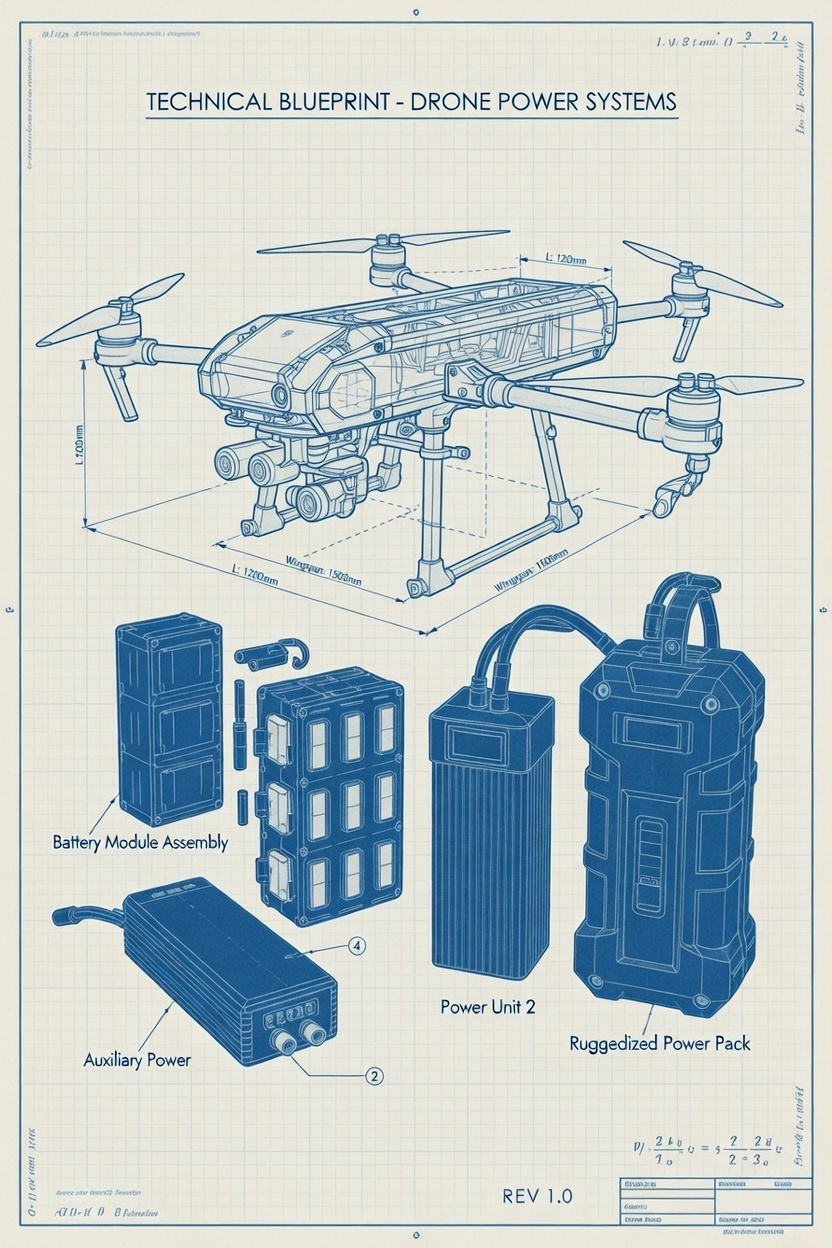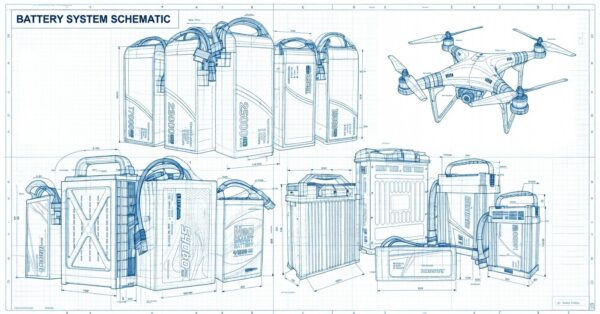
The race toward sustainable energy solutions has created unprecedented demand for reliable power systems. Yet, businesses face a critical challenge: finding hydrogen fuel testing labs and drone battery suppliers that truly understand technical compatibility. Without proper validation and integration expertise, even the most advanced energy systems can fail in real-world applications. This comprehensive guide explores how to identify partners who deliver both certification excellence and seamless technical integration.
Understanding the Hydrogen Fuel Testing Landscape
The hydrogen energy sector has experienced remarkable growth, with ISO 14687:2025 establishing new benchmarks for hydrogen fuel quality. This latest standard, published in February 2025, specifies minimum quality characteristics for hydrogen fuel across residential, commercial, industrial, vehicular, and stationary applications.
Key Certification Standards for 2026
Leading hydrogen fuel testing laboratories must comply with multiple international standards:
- ISO 14687:2025 – Hydrogen fuel quality product specification
- ISO 21087:2019 – Gas analysis analytical methods for PEM fuel cell applications
- ISO/TC 197 – Hydrogen technologies committee requirements
- Regional safety codes – Varying by deployment location
According to industry data, China currently represents approximately 48% of the global hydrogen fuel cell test bench market. This dominance reflects the region’s investment in comprehensive testing infrastructure capable of evaluating systems from -40℃ cold start conditions through 12,000-hour lifecycle assessments.
What Makes a Testing Lab Stand Out?
Exceptional hydrogen fuel testing laboratories share several distinguishing characteristics:
- Multi-modal testing capabilities – Integration of advanced data acquisition and remote monitoring systems
- Full-spectrum environmental testing – Temperature extremes, humidity variations, and vibration simulations
- Real-time analytics – 5G/6G enabled continuous performance tracking
- Certification authority – Accreditation to issue internationally recognized compliance documentation
Drone Battery Suppliers: The Technical Compatibility Challenge
The unmanned aerial vehicle (UAV) industry faces unique power requirements. Drone battery suppliers must balance energy density, weight constraints, and discharge rates while ensuring compatibility with diverse flight control systems.
Critical Compatibility Factors
When evaluating drone battery suppliers, technical compatibility extends beyond simple voltage matching. Consider these essential parameters:
- Communication protocol integration – BMS (Battery Management System) must communicate seamlessly with drone flight controllers
- Physical form factor – Dimensions and mounting points must align with existing airframe designs
- Thermal management – Heat dissipation characteristics compatible with operational environments
- Charging infrastructure – Compatibility with existing ground support equipment
Industry Case Study: Agricultural Drone Deployment
A leading agricultural technology company recently faced significant challenges when scaling their crop monitoring fleet. Their initial battery supplier provided cells with excellent capacity specifications, but technical incompatibility caused 23% mission failure rates.
After partnering with a supplier specializing in technical compatibility assessment, the company achieved:
- 98.7% mission success rate within three months
- 40% reduction in battery-related downtime
- Extended operational windows through optimized thermal performance
- Seamless integration with existing fleet management software
This transformation demonstrates why technical compatibility expertise matters more than raw specifications alone.
Bridging Hydrogen Testing and Drone Battery Innovation
Emerging applications now combine hydrogen fuel cell technology with drone platforms, creating new opportunities and challenges. Long-endurance UAVs powered by hydrogen fuel cells require suppliers who understand both testing protocols and integration requirements.
Hybrid Power System Considerations
For projects involving hydrogen-powered drones, evaluate suppliers on these criteria:
- Fuel cell stack validation – Experience with PEM (Proton Exchange Membrane) testing
- Hybrid system integration – Capability to combine fuel cells with battery buffers
- Safety certification – Compliance with hydrogen handling and storage regulations
- Field testing support – On-site validation under operational conditions
Expert Insights from Industry Leaders
Mike Kultgen, a veteran integrated circuit designer with over 24 years of experience in automotive and aerospace applications, emphasizes the importance of holistic testing approaches. According to industry analysis from Analog Devices, the electrification ecosystem increasingly demands reduced-cobalt battery chemistries alongside alternative power sources like hydrogen fuel cells.
The 2025 recognition of Hyundai Motor and PlusAI’s hydrogen fuel cell autonomous truck as Time magazine’s “Best Invention of 2025” illustrates how rigorous testing and compatibility focus drive breakthrough performance. Similar principles apply to drone applications where reliability directly impacts mission success.
Selecting the Right Partners for Your Project
Evaluation Checklist for Hydrogen Fuel Testing Labs
Use this framework when assessing potential testing partners:
- ✓ Accreditation to ISO 14687:2025 and related standards
- ✓ Experience with your specific application sector (vehicular, stationary, portable)
- ✓ Turnaround time for certification processes
- ✓ Technical support availability during product development
- ✓ Geographic proximity for sample submission and consultation
Drone Battery Supplier Assessment Criteria
For battery partnerships, prioritize suppliers demonstrating:
- ✓ Custom OEM/ODM solution capabilities
- ✓ Proven track record with similar drone platforms
- ✓ Technical documentation quality and completeness
- ✓ After-sales support and warranty terms
- ✓ Supply chain stability and production capacity
Real-World Success: Antarctic Research Station Deployment
In March 2025, China’s independently developed hydrogen fuel cell successfully generated electricity at the Qinling Station in Antarctica. This marked the first-ever application of hydrogen energy technology in the polar region, demonstrating extreme environment capability.
The project’s success relied on:
- Rigorous pre-deployment testing under simulated Antarctic conditions
- Technical compatibility verification with existing power distribution systems
- Redundancy planning for critical research operations
- Remote monitoring capabilities for continuous performance assessment
This case study proves that proper testing and compatibility focus enables deployment in the world’s most challenging environments.
Moving Forward: Your Action Plan
The convergence of hydrogen fuel technology and drone applications creates unprecedented opportunities for businesses willing to invest in proper validation and integration. However, success requires partners who understand both the certification landscape and practical compatibility challenges.
Next Steps for Your Organization
- Audit current power systems – Identify compatibility gaps and testing requirements
- Define certification needs – Determine which standards apply to your applications
- Evaluate potential partners – Use the checklists provided in this guide
- Request technical compatibility assessments – Before committing to any supplier relationship
- Plan for iterative testing – Build validation into your development timeline
Conclusion
Finding the best hydrogen fuel testing labs and drone battery suppliers requires more than comparing specifications. Technical compatibility expertise separates adequate partners from exceptional ones. As the industry evolves with standards like ISO 14687:2025 and growing demand for sustainable power solutions, organizations that prioritize thorough validation and integration support will achieve superior outcomes.
The evidence is clear: from Antarctic research stations to agricultural drone fleets, success belongs to those who invest in proper testing and compatibility assurance from the outset.
Ready to optimize your power system integration? Our team specializes in connecting businesses with certified hydrogen fuel testing laboratories and drone battery suppliers who prioritize technical compatibility. Contact us today for customized solutions tailored to your specific requirements.
Get Your Custom Power System Assessment
Additional Resources:
- Explore our comprehensive drone battery technology guide
- Learn about hydrogen fuel cell integration best practices
- Download our technical compatibility assessment checklist