The logistics industry stands at a pivotal juncture in 2026. As urbanization accelerates and consumer expectations for instant delivery reach unprecedented levels, drone fleets have transitioned from experimental novelties to essential infrastructure. However, the path to profitability is fraught with complexity. Many logistics companies rush into drone adoption without a clear strategy, only to find their operational costs soaring while returns diminish. The key to unlocking sustainable growth lies not just in acquiring drones, but in strategically customizing them to fit specific operational needs.
The Core Challenges Facing Drone Logistics Today
Before diving into solutions, it is crucial to acknowledge the hurdles that keep Chief Operating Officers awake at night. The drone delivery landscape in 2026 is more competitive than ever, yet several bottlenecks persist.
- Energy Limitations: Battery life remains the single biggest constraint on range and payload capacity. Standard off-the-shelf batteries often fail to meet the rigorous demands of continuous commercial cycles.
- Regulatory Compliance: Airspace regulations vary significantly by region. Ensuring fleet compliance while maintaining efficiency requires adaptable hardware and software.
- Maintenance Downtime: High-frequency usage leads to wear and tear. Without modular customization, a single component failure can ground an entire unit for days.
- Cost Per Delivery: If the cost of operating a drone exceeds the margin of the delivered item, the business model collapses.
According to recent industry analysis from QYResearch, the global battery logistics solution market is projected to grow at a CAGR of 7.0% between 2026 and 2032. This growth underscores a critical insight: the future of logistics ROI is tied directly to energy and fleet optimization. Companies that ignore customization are essentially leaving money on the table.
Understanding ROI in Drone Operations
Return on Investment (ROI) in drone logistics is not merely about the purchase price of the aircraft. It is a composite metric involving energy efficiency, flight cycles, maintenance costs, and payload success rates.
To maximize ROI, logistics managers must shift their focus from CapEx (Capital Expenditure) to OpEx (Operational Expenditure). A cheaper drone that requires frequent battery swaps or cannot carry heavier payloads during peak hours will ultimately cost more than a customized, higher-end fleet.
Key ROI Drivers
- Flight Time Efficiency: Every minute spent charging is a minute not earning revenue.
- Payload Versatility: The ability to carry diverse package sizes without changing vehicles.
- Asset Longevity: Customized components often endure stress better than generic parts.
Strategic Customization Options for Maximum Efficiency
Customization is the lever that turns a standard drone into a profit-generating asset. Here are the primary areas where logistics companies should focus their customization strategies.
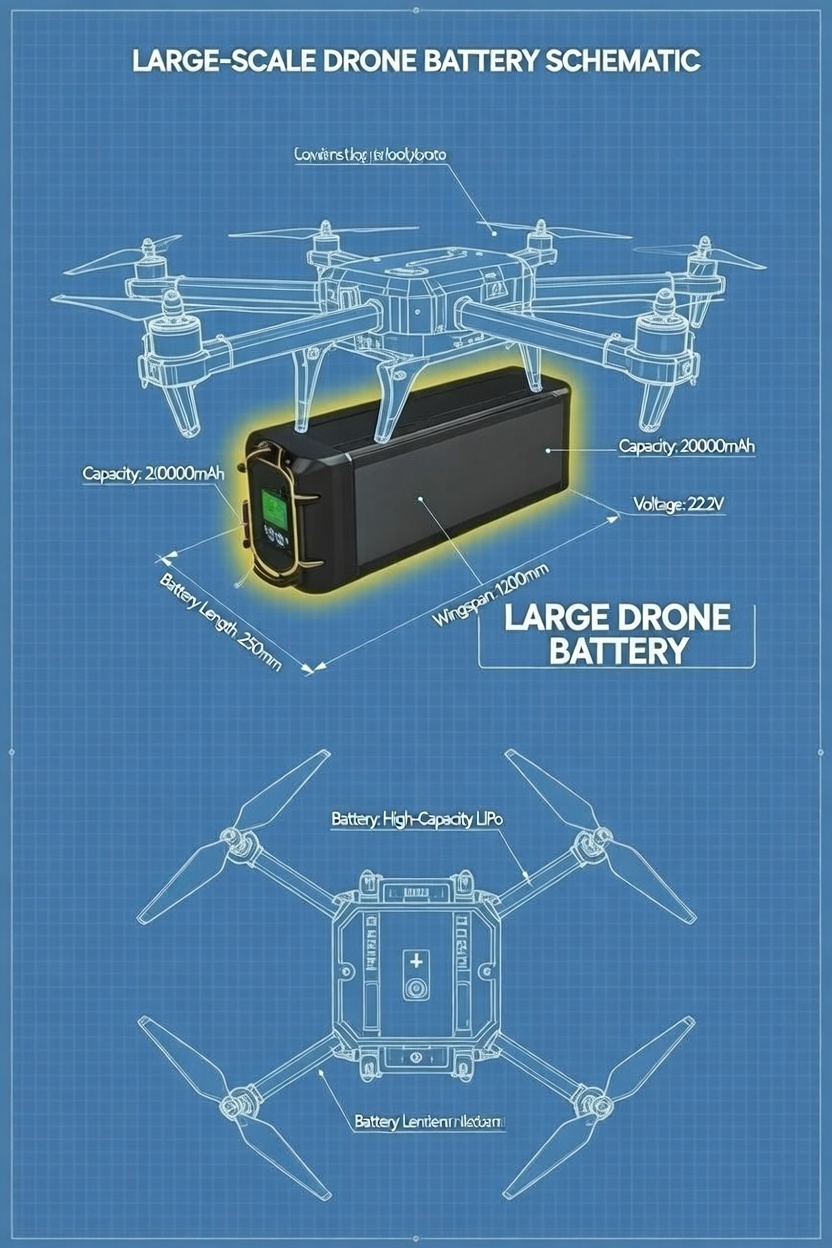
1. Advanced Battery Customization
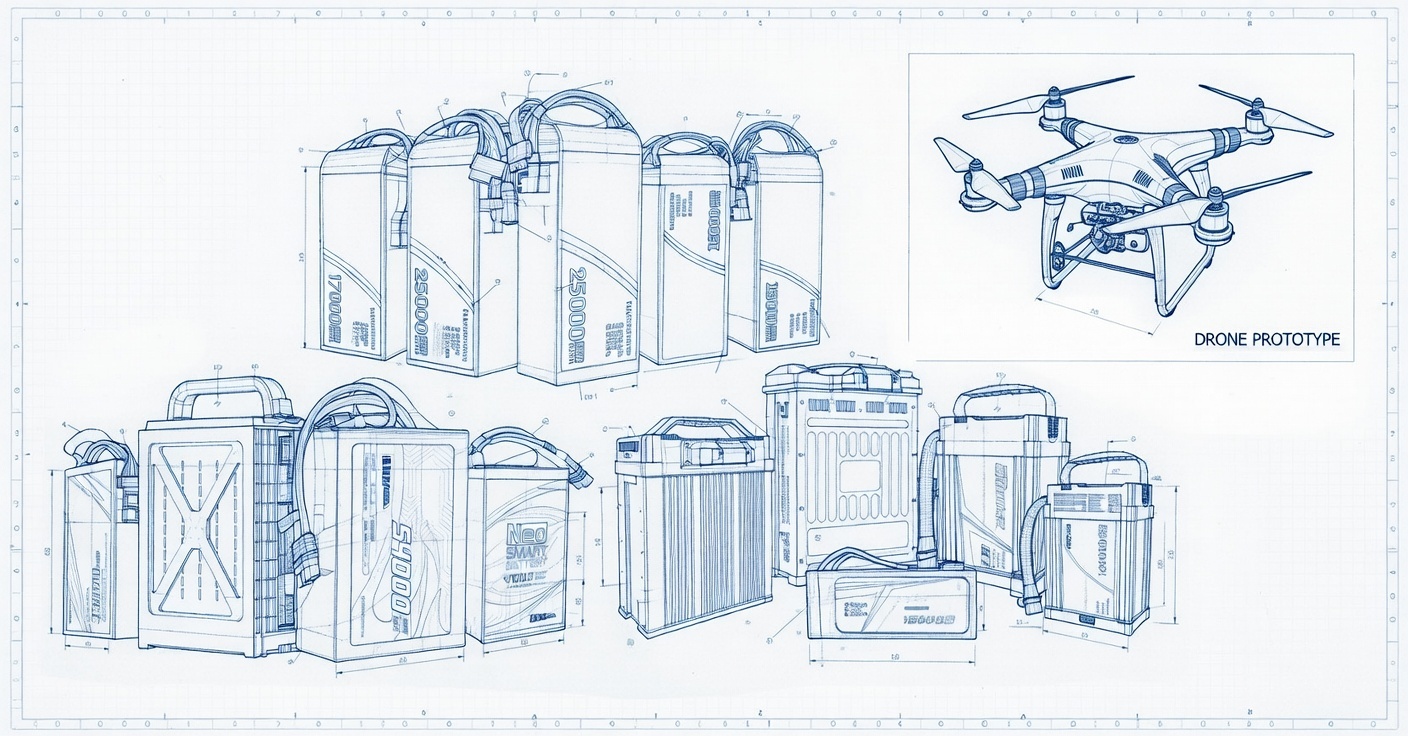
The heart of any UAV (Unmanned Aerial Vehicle) is its power source. In 2026, battery technology has evolved, but one size still does not fit all.
- Capacity Tuning: For short-range urban deliveries, lighter batteries reduce overall weight, increasing speed and efficiency. For rural long-haul routes, high-density cells are essential.
- Thermal Management: Custom battery packs with integrated cooling systems prevent degradation in extreme weather, ensuring consistent performance from summer heat to winter chill.
- Swappable Designs: Implementing hot-swappable battery systems minimizes ground time. Instead of waiting for a charge, drones can be back in the air in seconds.
Example: A medical delivery service in a tropical climate customized their fleet with heat-resistant battery casings. This reduced battery failure rates by 40% and extended the usable life of each pack by 18 months, significantly boosting long-term ROI.
2. Modular Payload Systems
Delivery needs fluctuate. A food delivery service might need insulated containers at noon and small parcel boxes in the evening.
- Quick-Release Mechanisms: Allow operators to switch payload containers in under a minute.
- Weight Distribution: Custom mounts ensure that heavier loads do not destabilize the drone, reducing motor strain and energy consumption.
- Specialized Containers: Temperature-controlled boxes for pharmaceuticals or shock-absorbing cases for electronics ensure package integrity, reducing refund costs.
3. Software and Route Optimization Integration
Hardware customization must be paired with software intelligence. Modern fleet management systems should be tailored to the specific physical capabilities of the customized drones.
- Dynamic Routing: Algorithms that account for battery health and payload weight to calculate the most energy-efficient path.
- Predictive Maintenance: IoT sensors within customized components can alert managers before a failure occurs, scheduling maintenance during off-peak hours.
Case Study: Transforming Fleet Performance
Consider a mid-sized logistics firm operating in a dense metropolitan area. Initially, they used standard commercial drones. They faced high failure rates during peak traffic times and struggled with battery degradation.
The Strategy:
They partnered with a specialized provider to customize their fleet. They implemented high-discharge rate batteries tailored for stop-and-go urban flight patterns and integrated modular payload hooks.
The Result:
- 30% Increase in daily deliveries per drone.
- 25% Reduction in energy costs due to optimized weight distribution.
- 50% Decrease in maintenance downtime.
This case illustrates that customization is not an expense; it is an investment in operational resilience. As noted by experts in fleet management, hybrid fleet strategies that incorporate repositioning and vehicle customization yield superior financial outcomes compared to static models.
Regulatory and Safety Considerations
Customization must never come at the cost of safety or compliance. In 2026, regulatory bodies like the FAA and EASA, along with local authorities such as CAAC in China, maintain strict standards.
- Certification: Any customized component, especially batteries and structural modifications, must meet airworthiness standards.
- Noise Reduction: Urban areas often have noise ordinances. Custom propellers and motor tuning can help fleets remain compliant with community noise limits.
- Identification: Customized drones must still broadcast remote ID signals as per global regulations.
Safety is the foundation of ROI. A grounded fleet due to regulatory violations generates zero revenue. Therefore, all customization strategies should be developed in consultation with compliance experts.
Future Trends: What to Watch in 2026 and Beyond
The drone logistics sector is dynamic. To stay ahead, companies must anticipate upcoming trends.
- Solid-State Batteries: Expected to become more commercially viable, offering higher energy density and safety.
- AI-Driven Autonomy: Drones will increasingly make real-time decisions about route and power management without human input.
- Swarm Logistics: Multiple drones working together to carry larger loads will require synchronized customization across the fleet.
Staying adaptable is key. The customization options you choose today should be scalable for tomorrow’s technology.
Actionable Recommendations for Logistics Leaders
To begin maximizing your drone fleet ROI through customization, follow these steps:
- Audit Your Current Fleet: Analyze data on battery cycles, failure points, and payload limitations. Identify where standard configurations are failing.
- Define Operational Profiles: Categorize your routes. Do you need speed, range, or payload capacity? Different routes may require different customizations.
- Partner with Specialists: Do not attempt DIY modifications on critical components. Work with established manufacturers who understand aviation standards.
- Prioritize Battery Technology: Given that energy is the primary constraint, invest heavily in custom battery solutions that match your specific duty cycles.
- Monitor and Iterate: Customization is not a one-time event. Continuously monitor performance data and refine your configurations.
Conclusion
The era of generic drone fleets is ending. In 2026, the competitive advantage belongs to logistics companies that embrace precision customization. By tailoring battery systems, payload mechanisms, and software integrations to their specific operational needs, companies can drastically reduce costs, enhance reliability, and maximize ROI.
The sky is no longer the limit; it is the workplace. But to thrive in this workspace, your tools must be as unique as your mission. Don’t let off-the-shelf limitations ground your potential.
Ready to optimize your drone fleet’s power and performance?
Discover how tailored energy solutions can transform your logistics operations. Contact our team of experts today to discuss custom battery strategies designed for your specific fleet requirements.
👉 Explore Custom Drone Battery Solutions: https://cnsbattery.com/drone-battery-home/drone-battery-contact
Take the first step toward a more efficient, profitable, and future-proof drone fleet. Your ROI depends on it.