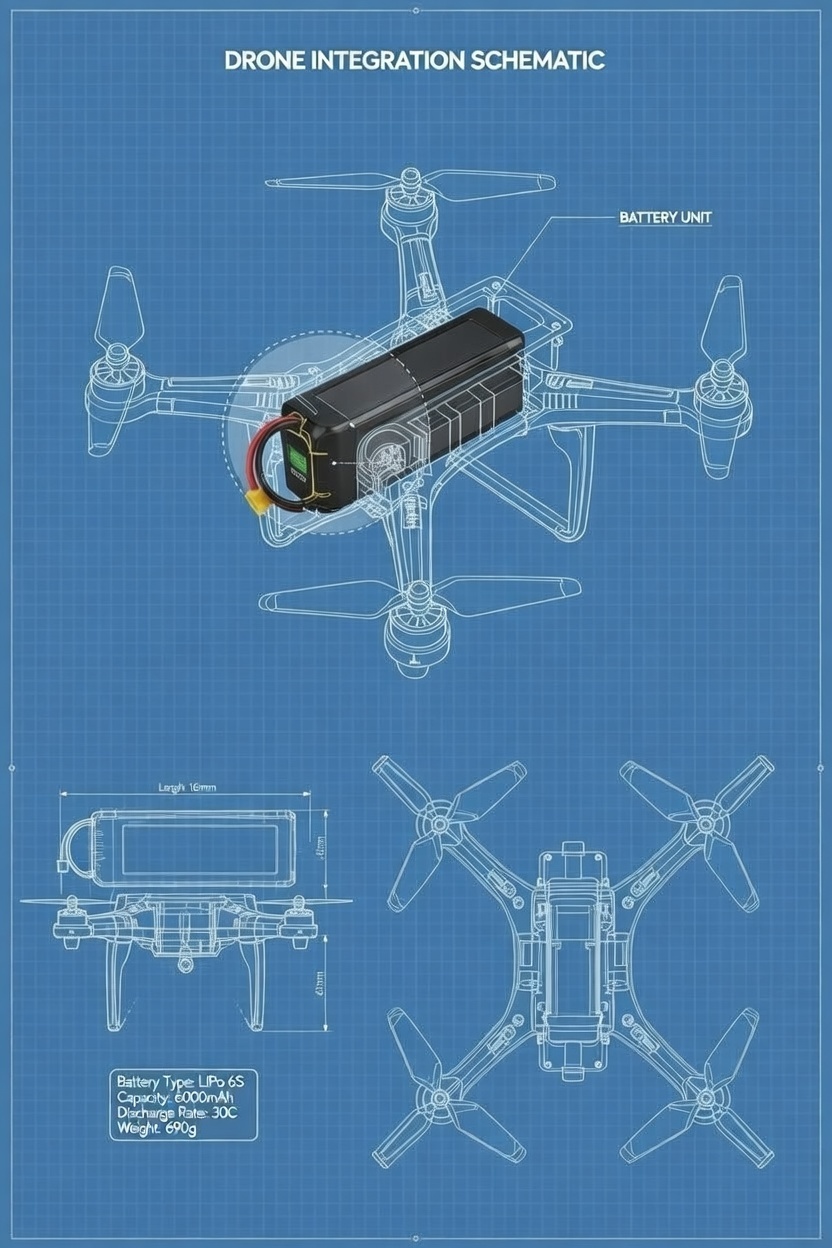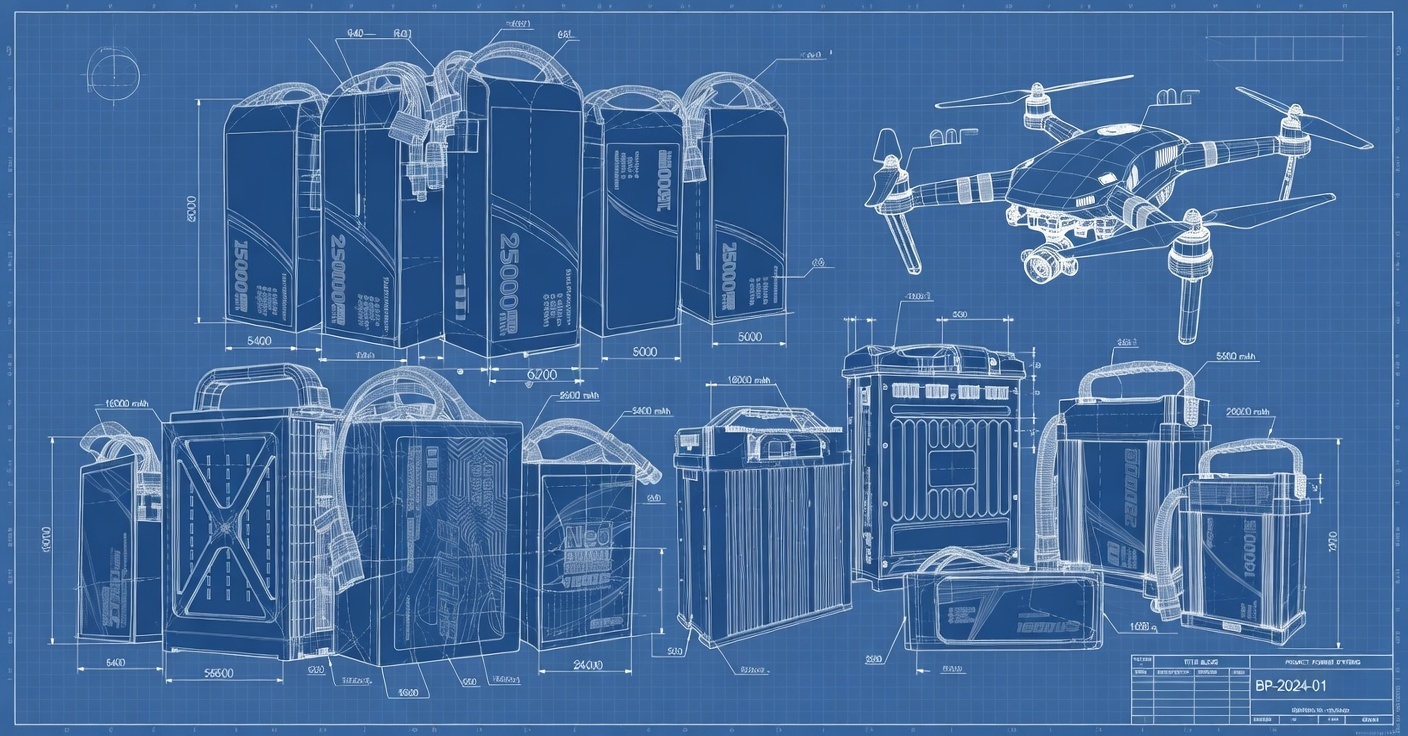
The construction industry is undergoing a digital renaissance. Unmanned Aerial Vehicles (UAVs) have become indispensable tools for mapping, surveying, and site monitoring, offering precision that traditional methods cannot match. However, as reliance on drone technology deepens, a critical vulnerability often goes unnoticed: the drone battery supply chain. For construction mapping companies, the integrity of power sources is not merely an operational detail; it is a foundational safety and compliance imperative.
In 2026, the landscape has shifted dramatically. With new global regulations like the EU Battery Regulation entering substantive enforcement and aviation authorities tightening safety protocols, opacity in the battery supply chain is no longer sustainable. Construction firms face key challenges including the proliferation of counterfeit cells, lack of lifecycle data, and severe compliance risks. Without robust traceability, companies expose themselves to equipment failure, liability issues, and project delays. This article explores how to solve these challenges through best practices in supply chain traceability, ensuring your mapping operations remain safe, compliant, and efficient.
The Hidden Risks in Drone Battery Supply Chains
The journey of a drone battery from manufacturing to the construction site is complex. When this journey is obscured, risks multiply. For construction mapping companies, the stakes are particularly high because drone failures can lead to data loss, equipment damage, or even physical harm on busy job sites.
- Counterfeit and Substandard Cells: The market is flooded with recycled or mislabeled battery cells that claim high capacity but fail under load. In a mapping mission over a large infrastructure project, a sudden power loss can result in a crash, damaging the drone and potentially injuring personnel.
- Lack of Lifecycle Data: Without traceability, firms cannot track the health of their batteries. Knowing how many charge cycles a battery has undergone is critical for predicting failure. Operating with “blind” batteries increases the risk of thermal runaway, a dangerous condition where the battery overheats and catches fire.
- Regulatory Non-Compliance: As of 2026, regulatory bodies are demanding proof of origin and carbon footprint data for industrial batteries. Failure to provide this documentation can lead to fines, grounded fleets, and disqualification from government contracts.
According to safety reports from organizations like the Occupational Safety & Health Council, construction remains an industry with high accident rates. Introducing unverified electronic components into this environment exacerbates existing hazards. Traceability is the antidote to this uncertainty.
Core Pillars of Traceability: Building a Transparent Chain
Solving supply chain opacity requires a multi-layered approach. It is not enough to simply buy from a known brand; companies must verify the digital and physical history of every battery pack. The following pillars form the backbone of a secure traceability system.
1. Digital Battery Passports
The concept of the “Battery Passport” has moved from theory to mandate. Under the 2026 EU Battery Regulation, industrial batteries must carry a unique digital identity, often accessible via a QR code. This passport contains essential data:
- Chemical Composition: Verifying the materials used ensures performance consistency.
- Manufacturing Origin: Confirming the factory location helps assess labor and environmental standards.
- Carbon Footprint: Essential for construction firms aiming for green building certifications.
For mapping companies, scanning a battery passport before deployment ensures the unit meets safety standards. It transforms the battery from a commodity into a data-rich asset.
2. Blockchain for Immutable Records
Blockchain technology offers a way to store battery history that cannot be altered. By recording every transaction—from cell production to final sale—on a distributed ledger, companies can guarantee authenticity. If a battery is recalled by the manufacturer, the blockchain record instantly identifies which units are affected and where they are located. This capability is vital for managing large fleets of mapping drones across multiple construction sites.
3. Vendor Vetting and Certification
Traceability begins at the point of purchase. Construction firms must prioritize vendors who adhere to international standards such as ISO 9001 for quality management and UN 38.3 for lithium battery transport safety. Asking for supply chain documentation should be a standard part of the procurement process. A reliable partner will provide full transparency regarding their cell suppliers and assembly processes.
Best Practices for Construction Mapping Firms
Implementing traceability is not a one-time task; it is an ongoing operational discipline. Here are actionable best practices for integrating battery traceability into your workflow.
- Implement Lifecycle Tracking Software: Use fleet management software that integrates with battery BMS (Battery Management Systems). This allows you to log every charge cycle, storage temperature, and flight hour. Data should be centralized so that safety managers can spot trends, such as a specific batch of batteries degrading faster than expected.
- Standardize Maintenance Logs: Just as heavy machinery requires regular servicing, drone batteries need rigorous logging. Create a protocol where every battery is inspected before and after missions. Record voltage levels, physical condition, and any error codes. This log becomes part of the battery’s traceable history.
- Segregate and Label: Physically label batteries with unique IDs that match their digital passports. Use color-coded tags to indicate status (e.g., Green for Active, Yellow for Testing, Red for Retired). This visual management system prevents accidental use of compromised units.
- Conduct Regular Audits: Schedule quarterly audits of your battery inventory. Verify that the physical units match your digital records. Check for firmware updates from the manufacturer that might address safety vulnerabilities.
Real-World Example
Consider a large-scale highway surveying project. The mapping team deploys ten drones daily. By utilizing traceable batteries with digital passports, the project manager can verify that all power sources are compliant with local aviation regulations. When one battery shows anomalous heating data in the central log, the system flags it immediately. The unit is grounded before it fails, preventing a potential crash over active traffic. This proactive approach saves costs and protects the company’s reputation.
Real-World Impact & Compliance
The benefits of solving supply chain traceability extend beyond safety. They touch the financial and legal core of the business.
Insurance and Liability: Insurance providers are increasingly asking for proof of equipment maintenance and safety protocols. A documented traceability system demonstrates due diligence, potentially lowering premiums and strengthening claims in the event of an incident. In 2026, with drone regulations focusing heavily on identification and safety from production to flight end, having verifiable battery data is a strong defense against liability.
Regulatory Adherence: Aviation authorities like the FAA and EASA, along with local bodies implementing 2026 drone新规 (new regulations), are tightening requirements. Compliance is no longer optional. Traceability ensures that every component in your airspace operation is accounted for. This is particularly important for construction firms working on government infrastructure projects where security clearance is required.
Operational Efficiency: Knowing the exact health of your batteries reduces unexpected downtime. Instead of replacing batteries on a fixed schedule, you can replace them based on actual data. This optimizes capital expenditure and ensures that mapping missions are never halted due to power failures.
Conclusion and Action Plan
The era of opaque supply chains is ending. For construction mapping companies, securing the drone battery supply chain is a strategic necessity. By embracing digital passports, leveraging blockchain for verification, and maintaining rigorous lifecycle logs, firms can mitigate risks and ensure compliance in the evolving regulatory landscape of 2026.
Actionable Steps for Leaders:
- Audit Your Fleet: Immediately review the origin and documentation of all current drone batteries.
- Upgrade Software: Invest in fleet management tools that support detailed battery health tracking.
- Partner Wisely: Shift procurement towards suppliers who offer full traceability and compliance documentation.
Do not wait for a failure to act. Secure your operations today with high-performance, fully traceable power solutions. To explore premium drone batteries designed for rigorous construction mapping demands and to discuss how our traceability standards can support your compliance goals, contact our specialist team.
Contact Us for Traceable Drone Battery Solutions
Ensure your next mapping mission is powered by transparency and safety. Reach out now to upgrade your fleet’s foundation.