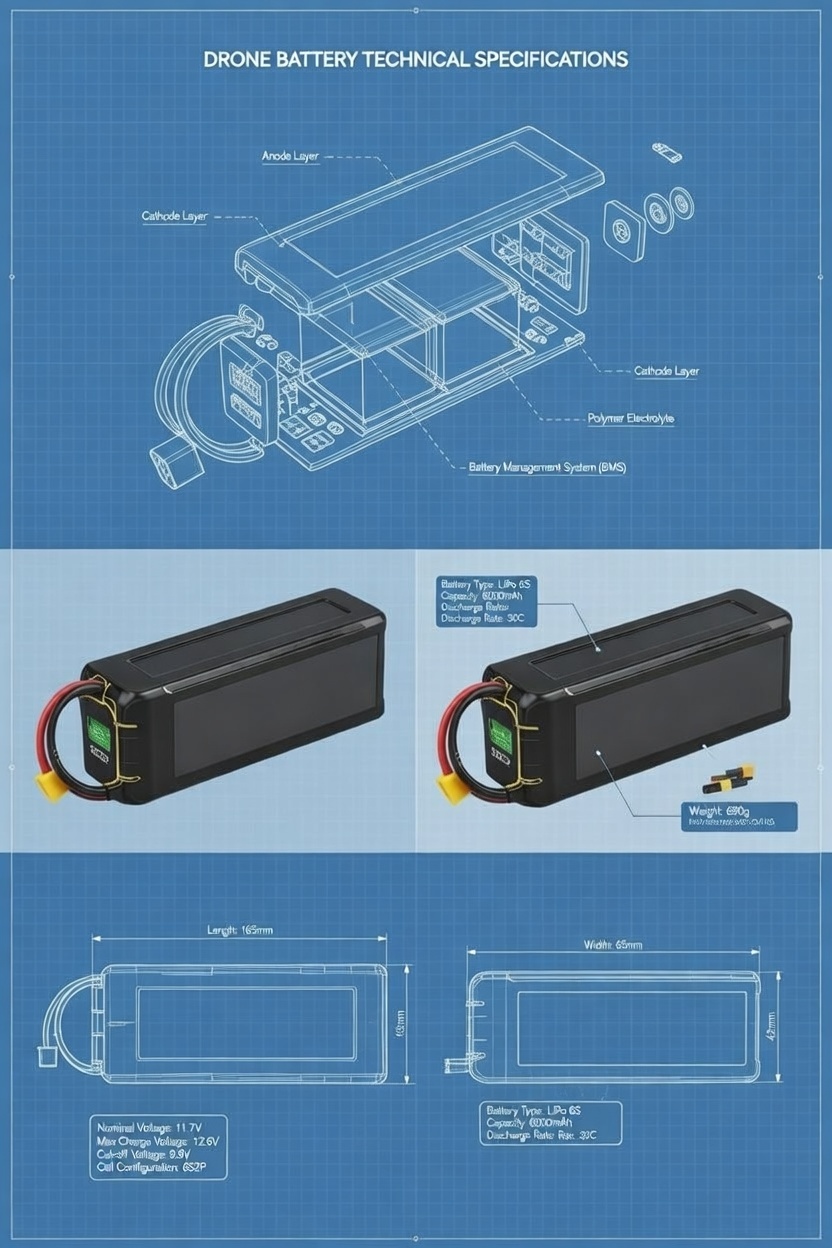
Introduction: The Critical Challenge Facing Drone Industry Professionals
In today’s rapidly evolving drone industry, manufacturers and battery buyers face a formidable challenge: ensuring their products can withstand real-world environmental conditions while maintaining optimal performance. Water damage, dust infiltration, and unexpected weather changes remain the leading causes of drone failures in the field. According to industry reports from the Federal Aviation Administration (FAA), approximately 23% of drone malfunctions are directly related to environmental exposure issues.
For drone manufacturers and battery procurement specialists, understanding IP (Ingress Protection) ratings isn’t just technical knowledge—it’s a business imperative. The wrong IP rating choice can lead to costly product recalls, damaged reputations, and compromised safety. This comprehensive checklist guides you through every essential consideration when evaluating IP ratings for drone batteries.
Understanding IP Ratings: The Foundation of Protection
What Do IP Ratings Actually Mean?
IP ratings follow the international standard IEC 60529, which classifies the degree of protection provided by electrical enclosures against solid objects and liquids. The rating consists of two digits:
- First Digit (0-6): Protection against solid objects like dust, dirt, and debris
- Second Digit (0-9): Protection against liquids including water, oil, and other fluids
For drone applications, the most common ratings range from IP54 to IP68, each serving different operational environments and use cases.
Why IP Ratings Matter for Drone Batteries
Drone batteries operate under unique stress conditions that differ significantly from consumer electronics. Consider these critical factors:
- Altitude variations affect pressure and sealing effectiveness
- Temperature fluctuations can compromise gasket integrity
- Vibration during flight may loosen protective seals over time
- Rapid descent through weather systems exposes batteries to sudden moisture changes
Step-by-Step IP Rating Checklist for Drone Manufacturers
Step 1: Define Your Operational Environment
Before selecting an IP rating, manufacturers must clearly identify where their drones will operate:
Indoor/Controlled Environments
- Minimum requirement: IP43
- Suitable for: Warehouse inspections, indoor photography
- Cost consideration: Lower manufacturing expenses
Outdoor Commercial Operations
- Minimum requirement: IP54-IP65
- Suitable for: Agricultural monitoring, construction site surveys
- Cost consideration: Moderate investment with strong ROI
Extreme Weather Conditions
- Minimum requirement: IP67-IP68
- Suitable for: Maritime operations, emergency response, military applications
- Cost consideration: Premium pricing justified by reliability
Step 2: Evaluate Battery Housing Design
The physical design of your battery housing directly impacts IP rating achievement:
Sealing Methods
- O-ring gaskets provide reliable water resistance
- Ultrasonic welding creates permanent seals
- Adhesive bonding offers flexibility but may degrade over time
Connection Points
- Charging ports require special attention
- Communication connectors need waterproof covers
- Cable entry points represent common failure areas
Material Selection
- ABS plastic offers good protection at lower costs
- Aluminum housings provide superior durability
- Composite materials balance weight and protection
Step 3: Testing and Certification Requirements
Don’t rely solely on manufacturer claims. Implement rigorous testing protocols:
Laboratory Testing
- Partner with certified testing facilities like UL or Intertek
- Conduct both initial and accelerated aging tests
- Document all results for compliance records
Field Testing
- Deploy prototype units in actual operating conditions
- Monitor performance across seasonal variations
- Collect failure data for continuous improvement
Certification Documentation
- Maintain IP rating certificates from recognized bodies
- Keep test reports accessible for customer inquiries
- Update documentation with any design modifications
Essential Considerations for Drone Battery Buyers
Verification Before Purchase
Battery buyers must protect their investments through thorough verification:
Request Documentation
- Ask for official IP rating certificates
- Review independent test reports
- Verify testing laboratory accreditation
Physical Inspection
- Examine sealing quality at connection points
- Check for consistent gasket placement
- Look for signs of previous water damage
Performance History
- Research manufacturer track record
- Read customer reviews focusing on durability
- Inquire about warranty claims related to environmental damage
Cost vs. Protection Balance
Higher IP ratings come with increased costs. Make informed decisions:
| IP Rating | Typical Cost Increase | Best Application |
|---|---|---|
| IP54 | Base price | Indoor operations |
| IP65 | +15-25% | General outdoor use |
| IP67 | +30-40% | Harsh environments |
| IP68 | +45-60% | Extreme conditions |
Maintenance and Longevity
IP protection degrades over time. Implement proper maintenance:
Regular Inspection Schedule
- Visual checks before each flight operation
- Detailed inspection every 50 flight hours
- Professional assessment annually
Cleaning Protocols
- Use appropriate cleaning solutions
- Avoid high-pressure water on connection points
- Dry thoroughly before storage
Replacement Indicators
- Visible gasket deterioration
- Corrosion on metal components
- History of water exposure incidents
Common Mistakes to Avoid
Manufacturer Pitfalls
- Over-rating products: Claiming IP68 when only IP67 is verified damages credibility
- Ignoring real-world conditions: Laboratory tests don’t replicate all field scenarios
- Neglecting aging factors: Protection decreases with wear and temperature cycles
Buyer Errors
- Price-focused decisions: Cheapest option often costs more in replacements
- Skipping verification: Trusting marketing claims without documentation
- One-size-fits-all approach: Different applications require different protection levels
Industry Standards and Compliance
Stay informed about evolving regulations:
International Standards
- IEC 60529 remains the global IP rating standard
- ISO 9001 certification indicates quality management
- Regional variations may apply (FCC, CE, etc.)
Industry-Specific Requirements
- Commercial drone operations may have additional requirements
- Government contracts often specify minimum IP ratings
- Insurance providers may require certain protection levels
Actionable Recommendations and Next Steps
For Manufacturers
- Invest in proper testing infrastructure or partner with certified laboratories
- Document every design change and its impact on IP rating
- Train production staff on sealing techniques and quality control
- Provide clear documentation to customers about limitations and maintenance
For Battery Buyers
- Create an IP rating requirement matrix based on your specific operations
- Establish vendor qualification processes including documentation review
- Implement incoming inspection protocols for all battery purchases
- Maintain records of battery performance and environmental exposure
Moving Forward with Confidence
Understanding IP ratings isn’t just about numbers—it’s about protecting your investment, ensuring operational continuity, and maintaining safety standards. Whether you’re manufacturing drones or purchasing batteries for your fleet, the right IP rating selection prevents costly downtime and extends product lifespan.
The drone industry continues to expand into more challenging environments. From agricultural monitoring in dusty fields to emergency response in storm conditions, your batteries must perform reliably regardless of external challenges. Don’t leave protection to chance—implement this checklist today.
Ready to Secure Your Drone Battery Investment?
Making informed decisions about IP ratings requires expertise, reliable partners, and quality products. Whether you’re a manufacturer seeking to enhance your product line or a buyer looking for dependable battery solutions, professional guidance makes all the difference.
Take Action Today:
- Review your current IP rating requirements against this checklist
- Audit existing battery inventory for compliance
- Identify gaps in your protection strategy
- Connect with experienced professionals who understand your needs
For personalized consultation on drone battery solutions, IP rating verification, or custom battery development, reach out to our expert team. We’re ready to help you navigate the complexities of drone battery protection and ensure your operations run smoothly in any environment.
Contact us today to discuss your specific requirements and discover how proper IP rating selection can transform your drone operations. Your next successful mission starts with the right battery protection strategy.
This guide provides general information about IP ratings for drone applications. Always consult with qualified professionals and verify specific requirements for your operational context. Industry standards and regulations may vary by region and application type.