Introduction
In the rapidly evolving world of aerial cinematography, professional drone operators understand that exceptional footage demands more than just high-end cameras and skilled piloting. The heart of every successful aerial filming mission lies in reliable power solutions. Drone battery customization has become a critical consideration for professionals who require tailored energy systems to match their specific operational needs. This comprehensive guide explores the essential customization options available to aerial filming professionals, helping you make informed decisions that enhance flight time, optimize performance, and ultimately elevate your production quality. Whether you’re capturing sweeping landscape shots or executing complex commercial projects, understanding battery specifications and customization possibilities can be the difference between a successful shoot and costly downtime.
Understanding Drone Battery Fundamentals for Aerial Professionals
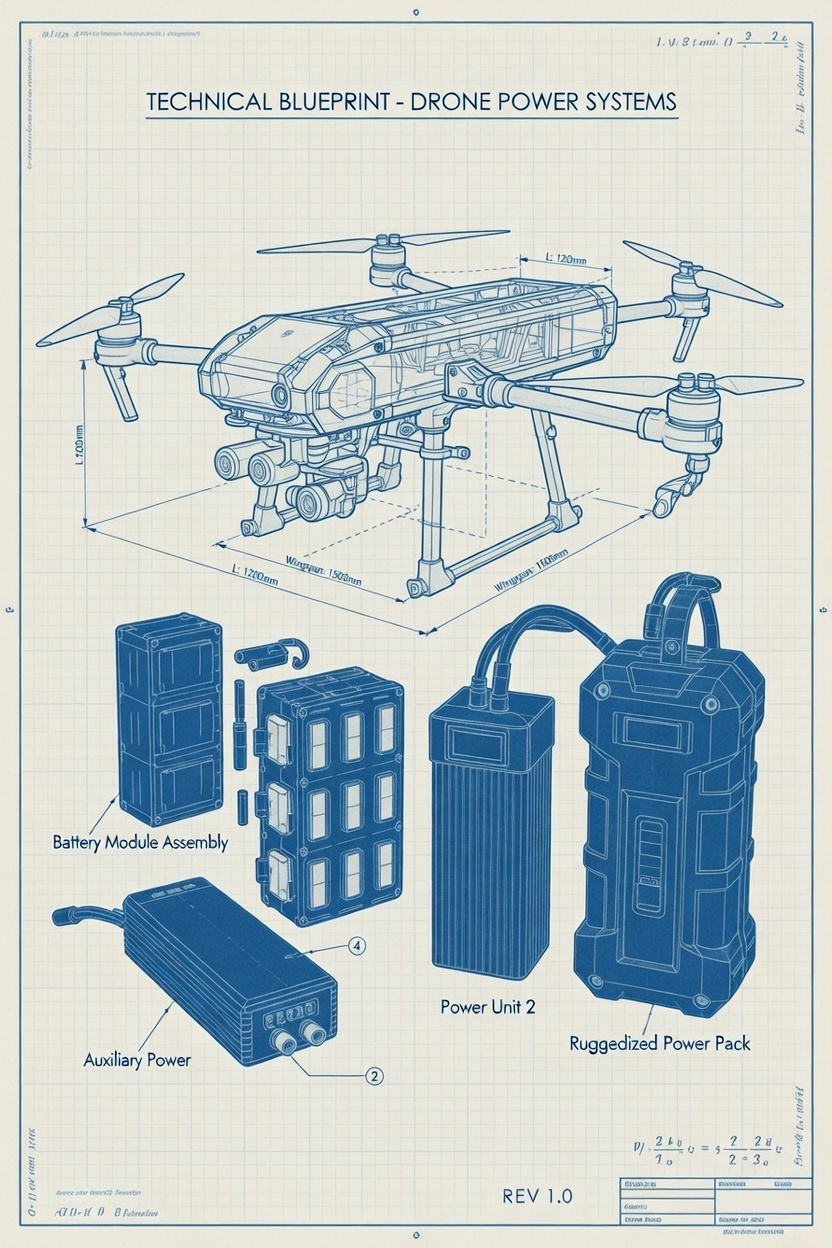
Before diving into customization options, aerial filming professionals must grasp the core specifications that define drone battery performance. The most critical factors include voltage configuration, capacity ratings, and discharge rates. Most professional drones utilize Lithium Polymer (LiPo) batteries, which offer superior energy density and consistent power delivery throughout the flight cycle.
For aerial cinematography work, voltage typically ranges from 3S (11.1V) to 6S (22.2V) configurations, with higher-end professional drones often requiring 6S or even 12S systems. Capacity, measured in milliampere-hours (mAh), directly influences flight time—a crucial metric for professionals who cannot afford frequent battery swaps during critical shooting windows. Modern custom battery solutions can provide capacities ranging from 3000mAh to over 10000mAh, depending on your drone’s power requirements and weight constraints.
Key Customization Options for Professional Aerial Filming
Capacity and Flight Time Optimization
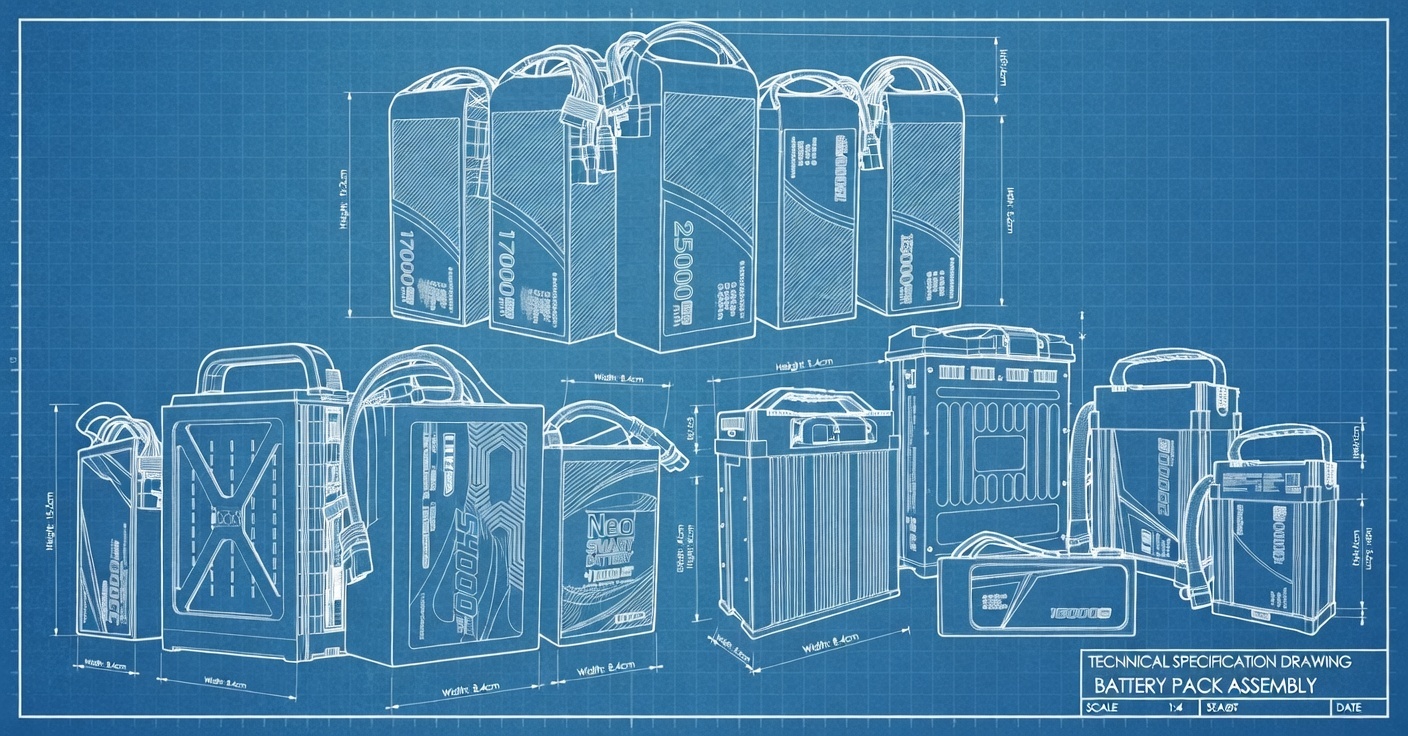
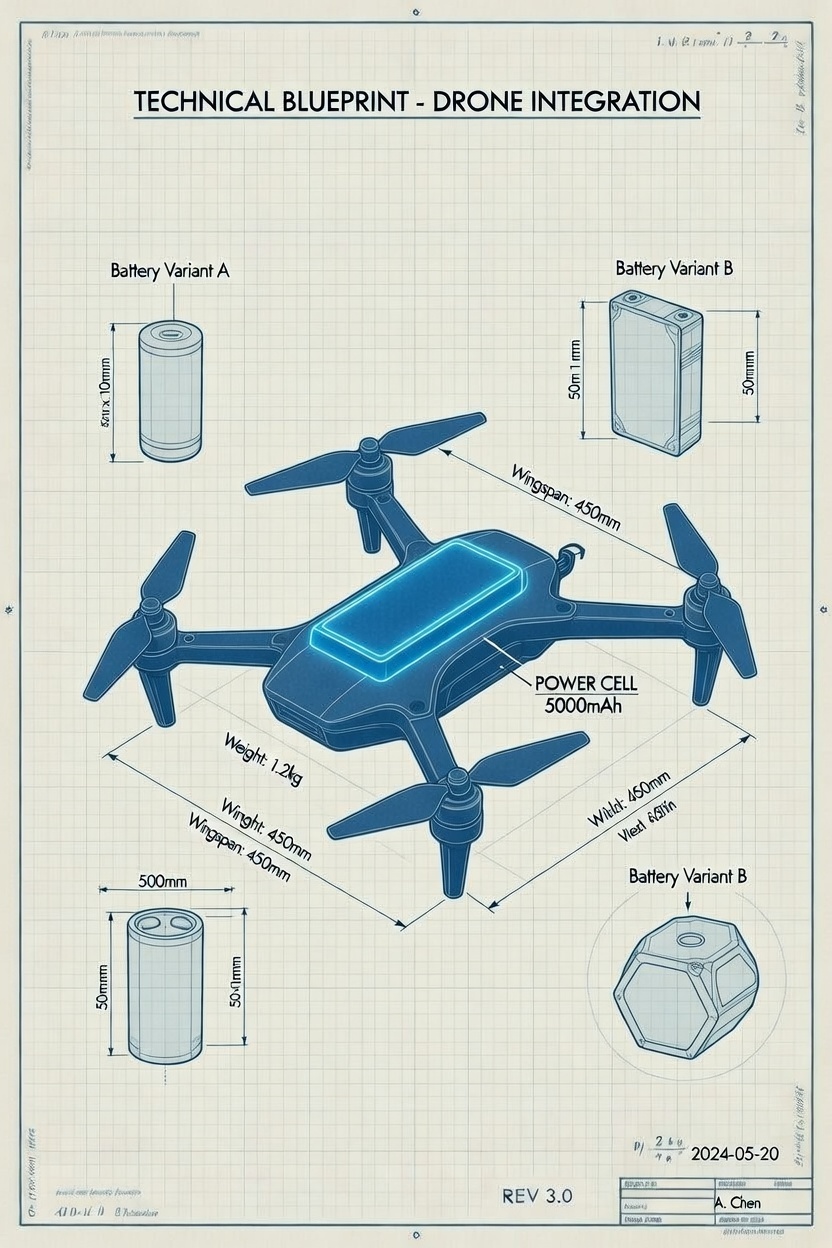
Professional aerial filmmakers often face the challenge of balancing battery weight with extended flight capabilities. Custom capacity solutions allow you to specify exact mAh ratings that match your drone’s power consumption profile. Working with specialized battery manufacturers enables you to request capacities that maximize flight time without exceeding your aircraft’s weight limitations. For instance, a custom 5000mAh battery might provide 25-28 minutes of flight time for medium-sized cinematography drones, while heavier productions may benefit from 8000mAh+ configurations.
Voltage and Cell Configuration Flexibility
Different drone platforms require specific voltage configurations to operate optimally. Custom voltage solutions ensure your batteries deliver precise power levels that match your drone’s electrical system. Professionals working with multiple drone types can request batteries with tailored cell configurations (3S, 4S, 6S, or higher) to maintain consistency across their fleet. This customization eliminates compatibility issues and ensures stable power delivery during demanding filming sequences.
Connector and Form Factor Adaptation
One often overlooked aspect of battery customization involves connector types and physical dimensions. Professional operators working with specialized drone frames may require non-standard connector configurations or specific form factors to fit within custom-built aircraft. Custom battery manufacturers can accommodate various connector types including XT60, XT90, AS150, or proprietary connections, ensuring seamless integration with your existing equipment.
Battery Management Best Practices for Aerial Professionals
Proper battery management extends equipment lifespan and maintains consistent performance throughout your production schedule. Consider these essential practices:
- Temperature Monitoring: Always store and charge batteries within recommended temperature ranges (typically 15-25°C). Extreme temperatures degrade battery chemistry and reduce overall lifespan.
- Charging Cycles: Implement structured charging protocols that avoid complete discharge. Maintaining batteries between 20-80% charge during storage periods significantly extends cycle life.
- Rotation Systems: Develop a battery rotation schedule that ensures even wear across your entire battery inventory. Label each battery with purchase dates and cycle counts for effective tracking.
- Pre-Flight Inspection: Before every shoot, visually inspect batteries for swelling, damage, or connector wear. Use voltage checkers to confirm all cells maintain balanced readings.
- Transportation Safety: Invest in certified fire-resistant battery bags for transportation and storage. This protects your equipment and complies with aviation safety regulations.
Evaluating Custom Battery Manufacturers
Selecting the right customization partner requires careful evaluation of several critical factors. Reputation and experience in the drone battery industry should be your primary consideration. Look for manufacturers who specifically serve aerial filming professionals and understand the unique demands of cinematography work.
Quality certifications provide assurance of manufacturing standards. Reputable suppliers maintain ISO certifications and comply with international safety standards including UN38.3 for lithium battery transportation. Request documentation of quality control processes and testing protocols before committing to custom orders.
Lead times and minimum order quantities vary significantly between manufacturers. Professional operators should seek partners who can accommodate both small-batch custom orders and larger fleet requirements. Flexible production schedules ensure you receive batteries when needed without excessive inventory costs.
Technical support availability distinguishes premium battery suppliers from commodity vendors. Choose manufacturers who provide ongoing technical consultation, helping you optimize battery specifications as your operational needs evolve.
Cost Considerations and ROI Analysis
While custom drone batteries typically command higher prices than off-the-shelf alternatives, the return on investment for aerial filming professionals often justifies the expense. Reduced downtime, extended flight times, and improved reliability translate directly into increased productivity and client satisfaction.
Calculate your ROI by considering factors such as:
- Reduced battery swap frequency during shoots
- Extended equipment lifespan through optimal power delivery
- Minimized risk of power-related failures during critical moments
- Enhanced ability to accept longer or more complex assignments
Professional operators typically find that custom battery investments pay for themselves within 6-12 months through improved operational efficiency.
Future Trends in Drone Battery Technology
The drone battery landscape continues evolving rapidly, with several emerging technologies promising significant benefits for aerial filming professionals. Smart battery systems now incorporate built-in monitoring that communicates real-time status data directly to your flight controller. This technology enables predictive maintenance and prevents unexpected power failures during shoots.
Fast-charging capabilities are becoming increasingly common in custom battery solutions, with some manufacturers offering 80% charge in under 30 minutes. This advancement dramatically reduces turnaround time between flights, particularly valuable during time-sensitive production schedules.
Sustainable battery options are gaining traction as environmental considerations become more prominent in the industry. Some manufacturers now offer batteries with improved recyclability and reduced environmental impact without compromising performance.
Conclusion
For aerial filming professionals, drone battery customization represents more than just a technical specification—it’s a strategic investment in operational excellence. By understanding available customization options, implementing proper management practices, and partnering with qualified manufacturers, you can significantly enhance your production capabilities. The right battery solution delivers consistent power, extends flight time, and provides the reliability necessary for professional cinematography work.
As the aerial filming industry continues growing, professionals who prioritize power system optimization will maintain competitive advantages through improved efficiency and reduced operational risks. Custom battery solutions enable you to tailor energy systems precisely to your unique requirements, ensuring every flight delivers the performance your clients expect.
Take Action Today
Ready to elevate your aerial filming operations with customized battery solutions? Don’t let power limitations constrain your creative vision. Contact our specialized team to discuss your specific requirements and explore customization options that match your professional needs.
Visit our contact page at https://cnsbattery.com/drone-battery-home/drone-battery-contact to connect with battery experts who understand the demands of aerial cinematography. Our team provides personalized consultations, helping you identify optimal specifications for your drone fleet and operational workflow.
Schedule your consultation today and discover how customized battery solutions can transform your aerial filming capabilities. Your next breakthrough shot deserves uninterrupted power—let us help you achieve it.