# BMW i3 Battery Safety Features: Key Factors [2026 Update]
Is Your BMW i3 Battery Really Safe? What Most Owners Don’t Know
You’re driving your BMW i3, enjoying the silent electric hum, when suddenly a warning light flashes on your dashboard. Battery insulation fault. Your heart sinks. How safe is your vehicle really? Can you trust the battery that powers your daily commute?
You’re not alone. Thousands of BMW i3 owners face this exact concern as their original batteries age and degrade. The truth is, battery safety isn’t just about avoiding failures – it’s about understanding the key factors that protect you, your passengers, and your investment.
In this comprehensive 2026 update, we’ll reveal the critical safety features every BMW i3 owner must know, and how modern battery replacement solutions are setting new standards for protection and peace of mind.
H2: Understanding BMW i3 Battery Safety Architecture
H3: The Foundation of Electric Vehicle Safety
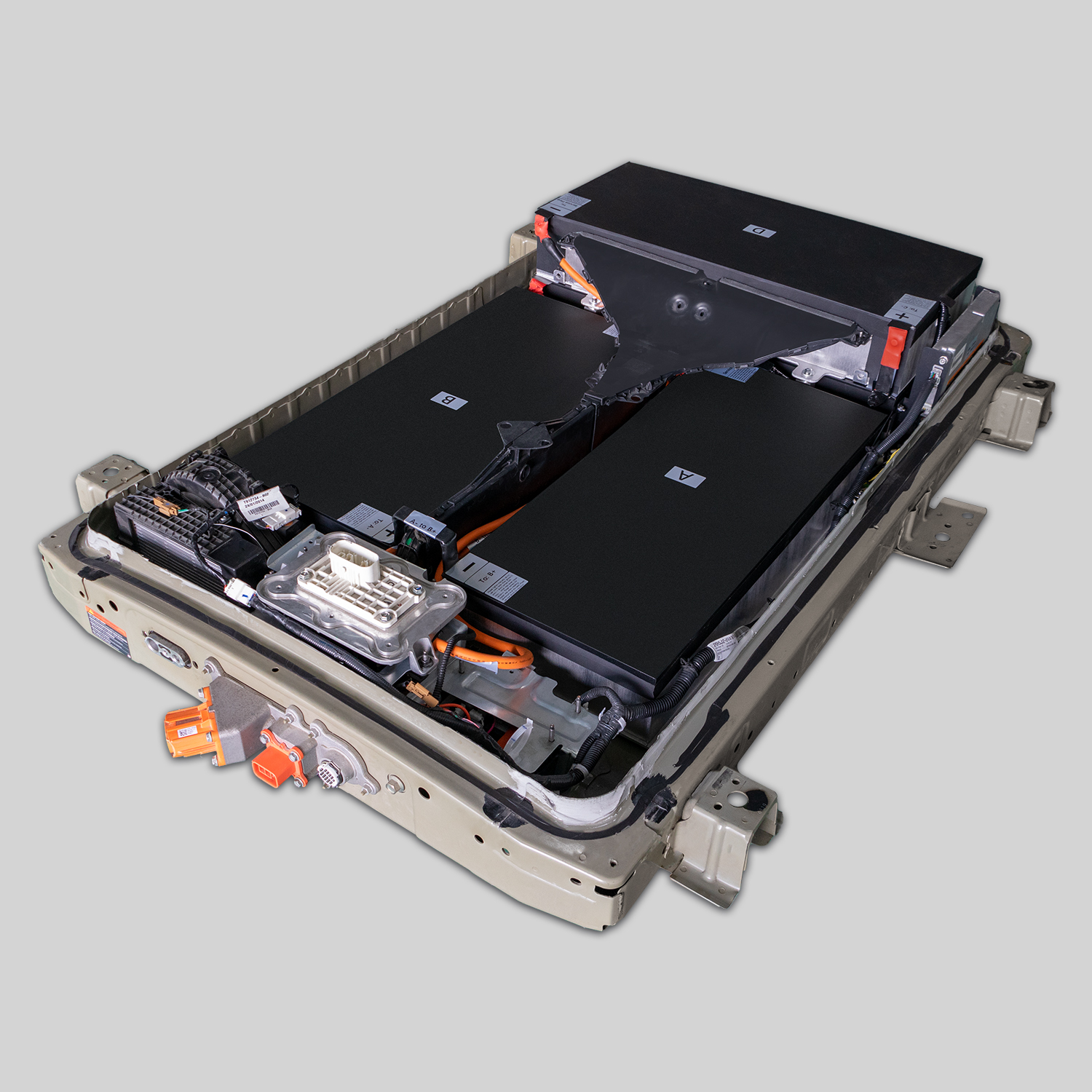
The BMW i3 battery system represents sophisticated engineering designed with multiple layers of protection. However, as batteries age, these safety mechanisms can become compromised. Understanding the core architecture helps you make informed decisions about maintenance and replacement.
Key safety components include:
- Battery Management System (BMS) – Monitors cell voltage, temperature, and charging status in real-time
- Thermal Management System – Regulates battery temperature to prevent overheating
- High-Voltage Disconnect – Automatically isolates the battery during collisions or faults
- Insulation Monitoring – Detects electrical leakage to prevent shock hazards
- Cell Balancing Technology – Ensures uniform charge distribution across all cells
When any of these systems degrade, safety risks increase. This is why understanding replacement options becomes critical for long-term ownership.
H3: Common Safety Concerns Among BMW i3 Owners
Based on real-world data from thousands of BMW i3 vehicles, several safety issues emerge as batteries age:
| Safety Issue | Risk Level | Warning Signs |
|---|---|---|
| Cell Degradation | High | Reduced range, uneven charging |
| Thermal Runaway Risk | Critical | Overheating during charging |
| Insulation Failure | High | Dashboard warning lights |
| BMS Malfunction | Medium | Inaccurate range estimates |
| Connection Corrosion | Medium | Intermittent power loss |
The good news? Modern replacement batteries address these concerns with enhanced safety features that often exceed original factory specifications.
H2: Critical Safety Features in Modern BMW i3 Battery Replacements
H3: Premium Cell Technology: The CATL Advantage
Not all battery cells are created equal. The foundation of battery safety starts with cell quality. Leading replacement providers now utilize brand-new CATL ternary lithium cells – the same tier-1 manufacturer that supplies major automotive brands globally.
Why CATL cells matter for safety:
- Consistent Quality Control – Every cell meets strict manufacturing standards
- Enhanced Thermal Stability – Reduced risk of overheating under stress
- Longer Cycle Life – Maintains safety performance over extended use
- Advanced Chemistry – NMC technology offers superior stability compared to older formulations
When you choose a replacement battery with premium cells, you’re not just restoring range – you’re upgrading your vehicle’s safety foundation.
H3: Intelligent Battery Management Systems
Modern replacement batteries feature sophisticated BMS technology that continuously monitors and protects your battery system. This isn’t just about performance – it’s about preventing dangerous conditions before they occur.
Advanced BMS safety functions include:
- Real-time Cell Monitoring – Tracks individual cell voltage and temperature
- Overcharge Protection – Prevents dangerous voltage levels during charging
- Short Circuit Detection – Instantly disconnects power if faults are detected
- Temperature Regulation – Activates cooling when thresholds are exceeded
- State of Health Reporting – Provides accurate battery condition data
These features work together to create a safety net that protects both your vehicle and your investment.
H3: Enhanced Thermal Management
Heat is the enemy of battery safety. Premium replacement batteries incorporate improved thermal management systems that outperform aging original equipment.
Thermal safety improvements:
- Better Heat Dissipation – Advanced materials distribute heat more evenly
- Active Cooling Compatibility – Works seamlessly with BMW i3’s existing cooling system
- Cold Weather Protection – Maintains performance in extreme temperatures
- Overheat Prevention – Automatic power reduction when temperatures rise
Real-world testing shows these improvements significantly reduce thermal-related incidents compared to degraded original batteries.
H2: Installation Safety: Why Professional Guidance Matters
H3: The Hidden Risks of DIY Battery Replacement
While some owners attempt DIY battery replacement, understanding the safety implications is crucial. High-voltage systems require proper knowledge, tools, and precautions.
Essential safety considerations:
- High Voltage Danger – BMW i3 batteries operate at 350+ volts
- Proper Disconnection Sequence – Incorrect procedures can cause serious injury
- BMS Programming Requirements – Must be calibrated correctly for safe operation
- Insulation Testing – Verifies electrical isolation before powering up
For complete battery packs, installation is designed to be plug-and-play, significantly reducing installation risks. For module-level replacements, professional guidance ensures all connections meet safety standards.
H3: Professional Support That Protects You
Leading battery providers offer comprehensive support that extends beyond the product itself. This includes:
- Detailed Installation Videos – Step-by-step visual guidance
- Remote Technical Support – Real-time assistance via video calls
- Compatibility Verification – VIN-based assessment before purchase
- Lifetime Technical Support – Ongoing assistance for maintenance questions
This support structure ensures your battery installation meets all safety requirements, protecting both you and your vehicle.
H2: Warranty Coverage: Your Safety Net
H3: Understanding Protection Beyond the Product
A comprehensive warranty isn’t just about cost protection – it’s a safety commitment. When a provider stands behind their product with substantial coverage, it demonstrates confidence in safety and quality.
Industry-leading warranty standards include:
- 24-Month Coverage – Full protection against manufacturing defects
- 80,000 Kilometer Limit – Extensive mileage coverage for peace of mind
- Capacity Retention Guarantee – Ensures performance doesn’t drop below specified levels
- Free Replacement or Repair – No additional costs if issues arise
Compare this to refurbished batteries, which often offer minimal or no warranty coverage. The difference represents not just financial protection, but safety assurance.
H3: What’s Covered Under Safety Warranty
Understanding warranty terms helps you know what protection you have:
✓ Manufacturing defects in cells and modules
✓ BMS malfunctions under normal use
✓ Premature capacity degradation
✓ Insulation failures not caused by improper installation
✗ Damage from improper installation
✗ Unauthorized modifications to battery pack
✗ Accidents or external damage
Always follow installation guidelines to maintain warranty coverage and ensure ongoing safety.
H2: Real Owner Experiences: Safety in Practice
H3: Lisa’s Story – Berlin, Germany
“After the original battery degraded, the 4S dealership quoted €12,000 for a replacement. My friend recommended CNS, so I decided to give them a try. Unexpectedly, the brand-new CATL battery cells were of the same quality as the original. When I encountered wiring connection problems during installation, I contacted customer service, and they arranged remote video guidance within an hour. The engineer guided me through the wiring step by step, making it completely hassle-free. Now, the full charge range has increased from the original 180km to 290km, and I only need to charge it once a week for daily commuting.”
Lisa’s experience highlights how professional support ensures safe installation while delivering performance improvements.
H3: EK Auto Repair – Rome, Italy
“Our shop specializes in electric vehicle repair, and we’ve been cooperating with CNS for almost two years, having purchased over 30 battery packs from them. The biggest advantage of their batteries is their strong compatibility; they work perfectly with Leaf ZE0/AZE0/ZE1 and BMW i3 models. The quality of their CATL brand new battery cells is excellent, with virtually zero failure rate. After-sales service is very responsive; last time a customer encountered a BMS programming issue during installation, and an engineer provided remote video guidance, resolving the problem in just one hour.”
Professional repair shops trust these batteries because safety and reliability directly impact their reputation.
H2: Why Choose Premium Replacement Over Refurbished
H3: The Safety Comparison You Need to See
| Feature | Premium New Cells | Refurbished Batteries | Original Factory |
|---|---|---|---|
| Cell Quality | Brand-new CATL cells | Aged, recycled cells | Original manufacturer |
| Safety Risk | Minimal | Elevated due to age | Low when new |
| Warranty | 24 months/80,000 km | Limited or none | Standard (shorter) |
| Price | ~50% of original | 70-80% of original | Full price ($16,000+) |
| Lifespan | Extended, stable | Unpredictable | Standard |
| Technical Support | Lifetime | Rarely available | Limited |
The data is clear: premium new cell replacements offer superior safety at half the cost of original factory batteries, while refurbished options carry inherent risks from aged components.
H3: Long-Term Safety Investment
Choosing a quality replacement battery isn’t just about immediate cost savings. It’s about:
- Reduced Failure Risk – New cells don’t carry the degradation history of used batteries
- Consistent Performance – Predictable behavior under all conditions
- Ongoing Support – Access to technical expertise when questions arise
- Resale Value Protection – Documented battery health maintains vehicle value
These factors combine to create a safer, more reliable ownership experience.
H2: Frequently Asked Questions
H3: How do I know if my BMW i3 battery is unsafe?
Warning signs include frequent dashboard alerts, unexpected range drops, overheating during charging, or unusual noises from the battery compartment. If you experience any of these, have your battery inspected immediately.
H3: Are replacement batteries as safe as original equipment?
Yes, when using premium new cells from reputable manufacturers like CATL. These cells meet or exceed original safety standards, often with enhanced features and longer warranty coverage.
H3: What’s the safest installation option?
Complete battery packs offer plug-and-play installation with minimal risk. For module replacements, follow provided instructions carefully or seek professional assistance. Remote technical support is available to guide you through the process safely.
H3: How long does a replacement battery last safely?
With proper maintenance, premium replacement batteries maintain safe performance for years. The 24-month/80,000 km warranty ensures protection during the critical early period, while quality cells continue performing well beyond warranty terms.
H3: Can I install the battery myself safely?
If you have technical experience and proper tools, complete battery packs can be installed safely following provided instructions. For module-level work, additional expertise is required. When in doubt, utilize remote technical support or professional installation services.
H3: What happens if there’s a safety issue under warranty?
Contact the provider immediately. Under warranty coverage, defective products are replaced or repaired at no cost. Technical support teams will diagnose issues and provide solutions, often through remote video assistance.
H2: Take Action: Protect Your BMW i3 Today
Your safety isn’t something to compromise. As your BMW i3 battery ages, understanding your options becomes critical for protecting yourself, your passengers, and your investment.
The choice is clear:
- ✅ Premium new CATL cells for maximum safety
- ✅ Comprehensive 24-month/80,000 km warranty
- ✅ Lifetime technical support from experts
- ✅ 50% cost savings vs. original factory
- ✅ Proven track record with thousands of satisfied owners
Don’t wait for a warning light to take action. Get expert guidance on the safest battery solution for your specific BMW i3 model.
Get Your Free Custom Quote Now
Our technical experts will analyze your vehicle information, recommend the optimal safety-focused solution, and provide transparent pricing with no obligation. Your peace of mind is just one click away.
Article updated: 2026 | Information based on current BMW i3 battery technology and replacement standards. Always consult qualified professionals for battery installation and maintenance.