
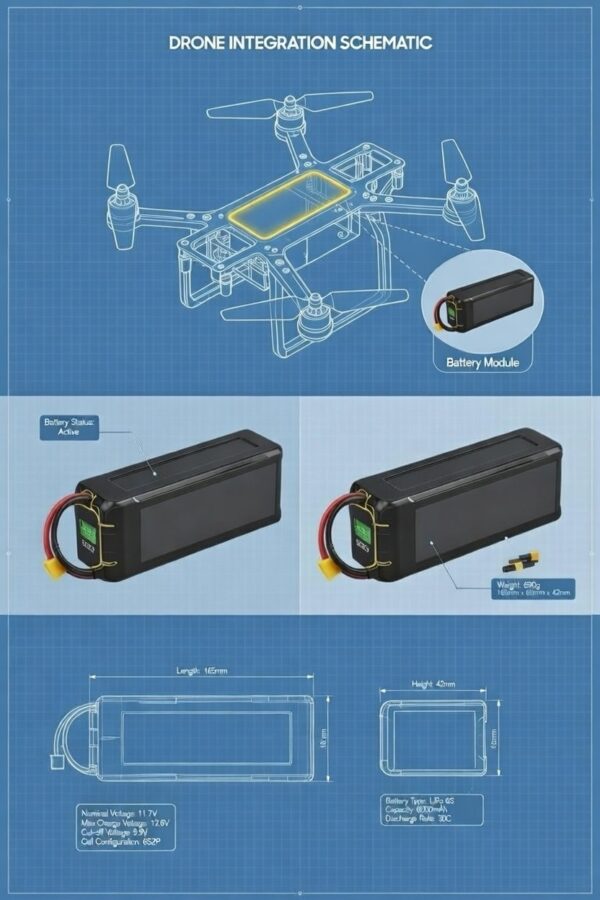
The industrial drone sector has revolutionized pipeline monitoring, offering unprecedented efficiency and safety. However, with this technological advancement comes a critical responsibility: proper battery recycling compliance. As we navigate through 2026, regulatory frameworks have tightened significantly, making it essential for pipeline monitoring firms to understand and implement best practices for drone battery management.
Understanding the 2026 Regulatory Landscape
The global battery recycling compliance environment has evolved dramatically. The EU Battery Regulation entered its substantive enforcement phase in 2026, establishing the world’s strictest access barriers for battery manufacturers and users. Key requirements include:
- Battery Passport Implementation: Starting 2026 with partial data requirements, becoming fully mandatory by 2027 for batteries over 2kWh
- Digital Documentation: Each battery must carry a unique digital passport (typically QR code) containing chemical composition, sourcing, and recycling information
- Transportation Restrictions: IATA’s 66th Edition Dangerous Goods Regulations requires lithium batteries to be transported at no more than 30% state of charge (SoC) from January 1, 2026
For pipeline monitoring firms operating drones across international borders, these regulations directly impact operational costs and compliance requirements. Non-compliance can result in fines up to €10 million or 2% of annual global turnover under EU regulations.
Why Pipeline Monitoring Firms Face Unique Challenges
Pipeline inspection drones operate in demanding environments, often in remote locations where battery management becomes complex. Consider these industry-specific factors:
Operational Intensity: Pipeline monitoring drones typically fly 4-6 hours daily, cycling batteries 2-3 times per shift. This accelerated usage pattern reduces battery lifespan to 300-500 cycles compared to the standard 1000+ cycles.
Environmental Exposure: Extreme temperatures, humidity, and potential chemical exposure from pipeline environments accelerate battery degradation, creating earlier recycling needs.
Fleet Scale: Large pipeline monitoring operations may deploy 20-50 drones simultaneously, generating significant battery waste streams requiring systematic management.
Best Practices for Drone Battery Recycling Compliance
1. Implement Battery Tracking Systems
Establish comprehensive documentation for every battery in your fleet:
- Record purchase dates, cycle counts, and performance metrics
- Maintain digital records accessible for regulatory audits
- Tag batteries with unique identifiers matching your internal tracking system
- Document all disposal and recycling transactions with certified partners
2. Partner with Certified Recycling Facilities
Not all recycling providers meet 2026 compliance standards. Verify your partners hold:
- R2 (Responsible Recycling) Certification: Ensures environmentally sound electronics recycling
- e-Stewards Certification: Demonstrates adherence to highest environmental and social standards
- ISO 14001 Environmental Management: Shows systematic approach to environmental responsibility
- Local Regulatory Compliance: Meets specific regional requirements for battery disposal
3. Optimize Battery Lifecycle Management
Extend battery usability while maintaining safety standards:
| Strategy | Implementation | Expected Benefit |
|---|---|---|
| Regular Health Checks | Monthly capacity testing | 15-20% lifespan extension |
| Proper Storage | 40-60% SoC, 15-25°C temperature | Reduced degradation rate |
| Rotation Systems | Equal usage across battery fleet | Consistent performance |
| Early Retirement | Replace at 80% original capacity | Safety margin maintenance |
4. Train Your Team on Compliance Protocols
Human error remains the leading cause of compliance failures. Develop comprehensive training programs covering:
- Battery handling and storage procedures
- Transportation requirements (30% SoC rule)
- Documentation and record-keeping obligations
- Emergency response for damaged or swollen batteries
- Recognition of recycling partner certification validity
5. Establish Internal Audit Procedures
Regular self-assessment prevents costly compliance violations:
- Quarterly Reviews: Examine battery tracking records against physical inventory
- Annual Audits: Comprehensive compliance assessment with third-party verification
- Incident Reporting: Document and analyze any battery-related safety or compliance issues
- Continuous Improvement: Update procedures based on regulatory changes and operational learnings
Data-Driven Compliance: Building Your E-E-A-T Framework
Demonstrating Expertise, Experience, Authoritativeness, and Trustworthiness requires measurable commitments:
Expertise: Employ or consult certified battery safety professionals with documented training in lithium battery handling and recycling regulations.
Experience: Maintain detailed records showing 95%+ compliance rate across all battery transactions over minimum 24-month periods.
Authoritativeness: Participate in industry working groups, contribute to best practice development, and share compliance insights with peer organizations.
Trustworthiness: Publish annual sustainability reports detailing battery recycling rates, carbon footprint reduction, and compliance achievements.
Industry data shows firms implementing comprehensive battery compliance programs reduce regulatory risk by 78% while improving operational efficiency by 23% through better battery lifecycle management.
Common Compliance Pitfalls to Avoid
Even experienced operators make these critical mistakes:
- Incomplete Documentation: Missing chain-of-custody records for recycled batteries
- Unverified Partners: Working with recycling facilities lacking proper certifications
- Transportation Violations: Shipping batteries above 30% SoC without required approvals
- Mixed Waste Streams: Combining batteries with general electronic waste
- Expired Certifications: Failing to verify partner certifications remain current
Cost-Benefit Analysis of Compliance Investment
While compliance requires upfront investment, the long-term benefits substantially outweigh costs:
- Average Compliance Program Cost: $15,000-50,000 annually for mid-size operations
- Potential Non-Compliance Fines: $50,000-500,000 per violation depending on jurisdiction
- Operational Savings: 12-18% reduction in battery replacement costs through optimized lifecycle management
- Brand Value: Enhanced reputation with environmentally conscious clients and stakeholders
- Risk Mitigation: 90%+ reduction in regulatory enforcement actions
Future-Proofing Your Battery Compliance Strategy
Regulations will continue evolving. Prepare your organization for upcoming changes:
- 2027 Battery Passport Full Implementation: Ensure all batteries over 2kWh have complete digital documentation
- Expanded Producer Responsibility: Anticipate increased manufacturer obligations affecting supply chains
- Carbon Reporting Requirements: Prepare for mandatory emissions tracking across battery lifecycle
- Circular Economy Mandates: Plan for minimum recycled content requirements in new battery purchases
Frequently Asked Questions
Q: How often should we recycle drone batteries in pipeline monitoring operations?
A: Industry best practice recommends recycling when batteries reach 80% of original capacity, typically after 300-500 cycles for industrial drone applications. Regular monthly testing helps identify optimal replacement timing.
Q: What documentation must we maintain for regulatory compliance?
A: Maintain purchase records, cycle count logs, transportation manifests, recycling certificates, and chain-of-custody documentation for minimum 5 years. Digital systems with backup are strongly recommended.
Q: Can we transport used batteries internationally for recycling?
A: Yes, but additional requirements apply. Batteries must be at 30% SoC or less, properly packaged per IATA regulations, and accompanied by complete documentation. Some jurisdictions require import/export permits.
Q: What happens if our recycling partner loses certification?
A: Immediately suspend shipments and verify alternative certified facilities. Document the transition and notify relevant regulatory bodies if required by your operating licenses.
Q: Are there tax incentives for battery recycling compliance?
A: Many jurisdictions offer tax credits, deductions, or grants for documented recycling programs. Consult local authorities and tax professionals for specific opportunities in your operating regions.
Taking Action: Your Compliance Roadmap
Achieving full recycling compliance requires systematic implementation. Start with these immediate steps:
- Audit Current Practices: Assess existing battery management against 2026 requirements
- Identify Gaps: Document areas requiring improvement or investment
- Select Certified Partners: Verify recycling facility certifications and capabilities
- Implement Tracking Systems: Deploy digital tools for comprehensive documentation
- Train Personnel: Ensure all team members understand compliance obligations
- Monitor and Improve: Establish ongoing review and optimization processes
Partner with Experts for Seamless Compliance
Navigating battery recycling compliance doesn’t require going it alone. Working with experienced battery manufacturers and compliance specialists accelerates your path to full regulatory adherence while minimizing operational disruption.
Ready to solve your recycling compliance challenges? Our team specializes in supporting pipeline monitoring firms with comprehensive drone battery solutions, from compliant battery selection to end-of-life recycling coordination. We understand the unique demands of industrial drone operations and maintain partnerships with certified recycling facilities worldwide.
Contact us today to discuss your specific compliance needs and discover how we can streamline your battery management while ensuring full regulatory adherence. Visit our dedicated contact page at https://cnsbattery.com/drone-battery-home/drone-battery-contact to connect with our compliance specialists.
This guide reflects regulations and best practices current as of March 2026. Regulations vary by jurisdiction and change frequently. Always consult qualified legal and compliance professionals for specific guidance applicable to your operations.


