Are your emergency rescue drones ready when disaster strikes? When seconds count and lives hang in the balance, the last thing rescue teams need is equipment failure due to poor supply chain visibility. Yet, according to 2025 industry reports, nearly 40% of humanitarian drone operations experience delays caused by traceability gaps in their supply chains. This comprehensive guide reveals the critical mistakes emergency response organizations make and how to avoid them.
Why Supply Chain Traceability Matters for Rescue Drones
Emergency rescue drones operate in some of the world’s most challenging environments. From earthquake zones to flood-affected regions, these unmanned aerial vehicles (UAVs) depend on reliable component sourcing, battery availability, and maintenance parts. Without proper traceability systems, rescue teams face:
- Equipment downtime during critical missions
- Counterfeit component risks that compromise flight safety
- Regulatory compliance failures across international borders
- Delayed response times when parts cannot be located quickly
The World Economic Forum’s 2025 drone technology report emphasizes that supply chain transparency directly correlates with mission success rates in disaster response scenarios. Organizations with robust traceability systems report 65% faster deployment times compared to those relying on manual tracking methods.
Top 7 Common Mistakes in Drone Supply Chain Traceability
1. Ignoring Battery Component Tracking
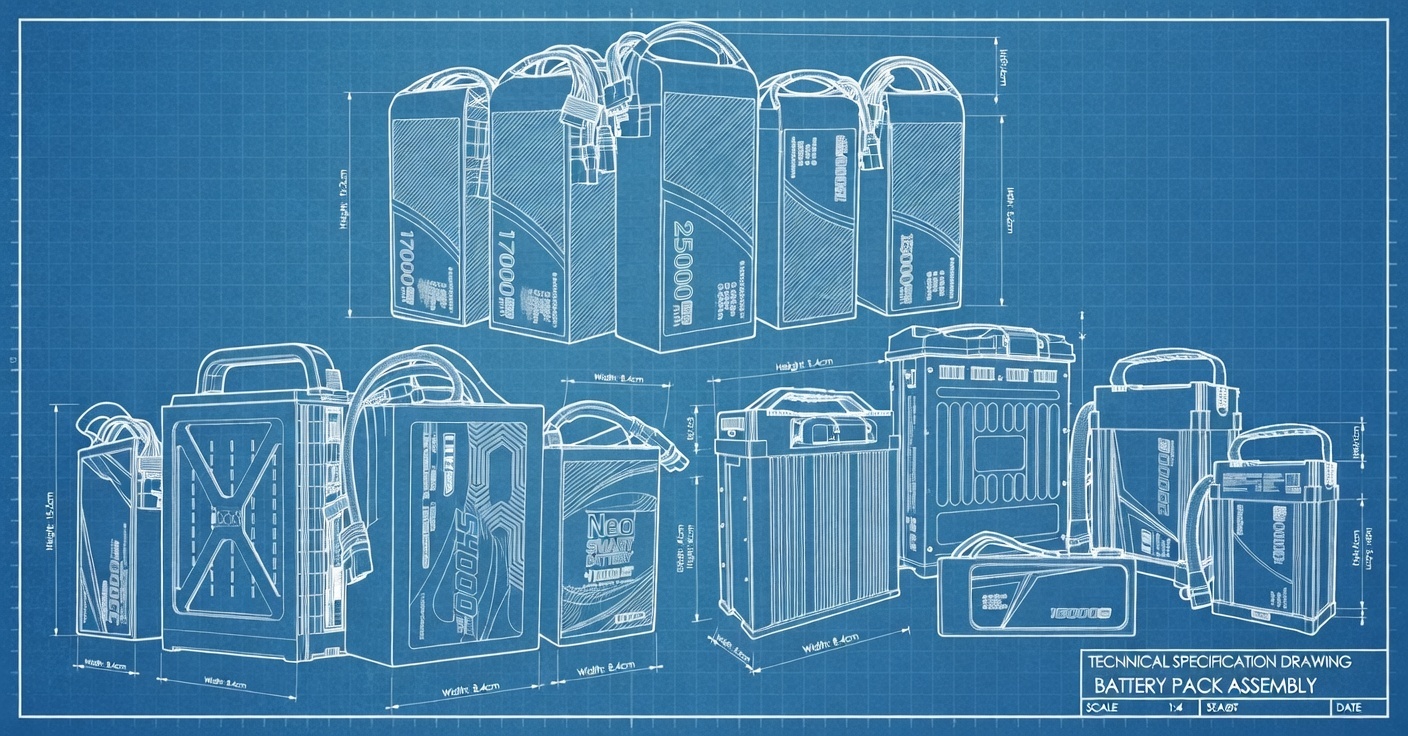
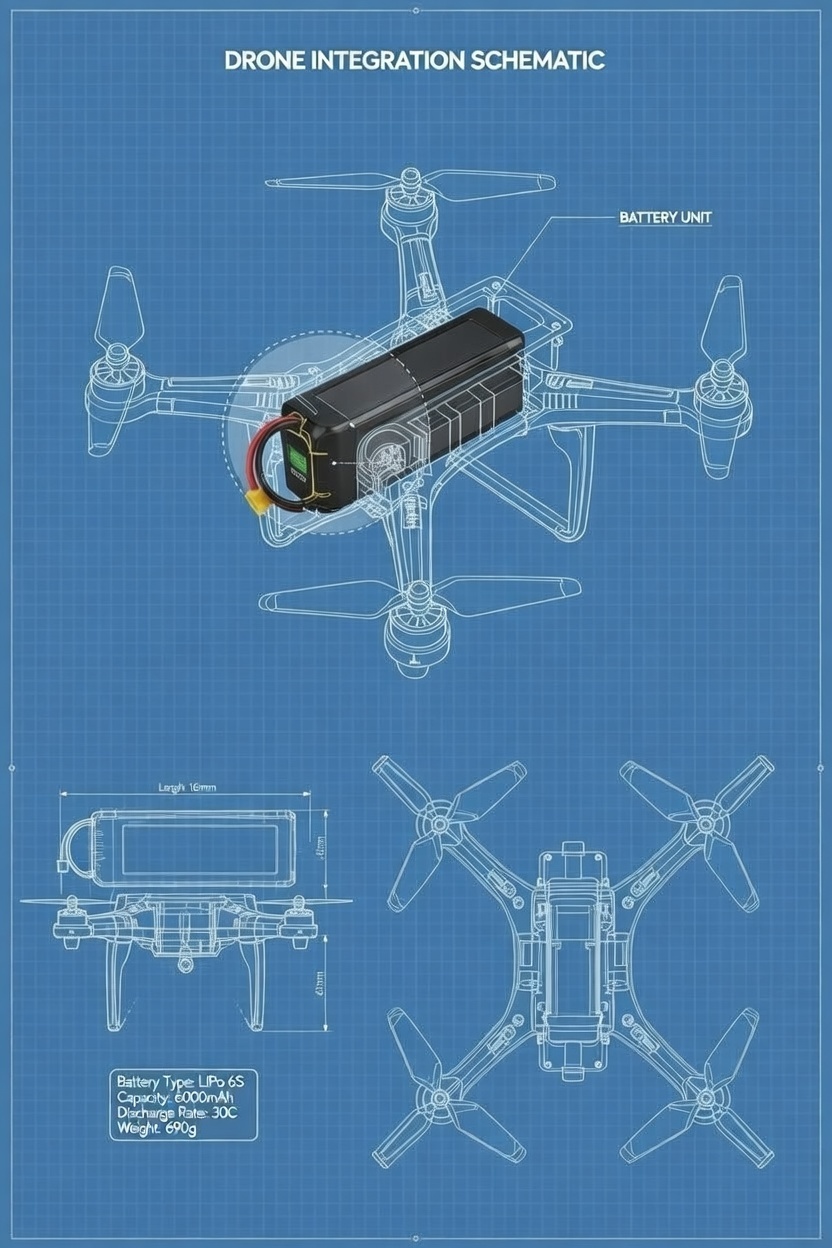
Drone batteries represent the most critical—and most vulnerable—component in emergency rescue operations. Many teams fail to implement proper battery lifecycle tracking, leading to:
| Common Error | Consequence | Solution |
|---|---|---|
| No serial number registration | Cannot track battery age and performance | Implement unique ID system for each battery pack |
| Missing charge cycle logs | Unexpected power failures mid-mission | Digital logging of all charge/discharge cycles |
| No temperature monitoring | Reduced battery lifespan in extreme conditions | IoT-enabled sensors for real-time monitoring |
| Inadequate storage tracking | Battery degradation before deployment | Climate-controlled storage with access logs |
2. Relying on Manual Documentation Systems
Paper-based tracking remains surprisingly common in emergency response organizations. However, manual systems create significant vulnerabilities:
- Data loss during evacuation or equipment damage
- Human error in recording component information
- Slow retrieval when quick decisions are needed
- Incompatibility with international rescue coordination systems
Industry benchmarks from Supply Chain Technology News indicate that digital traceability platforms reduce error rates by 78% compared to manual methods.
3. Overlooking Multi-Tier Supplier Visibility
Emergency drone operations often involve components from multiple suppliers across different countries. Failing to map the complete supply chain creates blind spots:
Tier 1: Drone Assembly Manufacturer
    ↓
Tier 2: Battery Pack Supplier
    ↓
Tier 3: Cell Manufacturer
    ↓
Tier 4: Raw Material Provider (Lithium, Cobalt, etc.)
Without visibility into Tier 3 and Tier 4 suppliers, rescue teams cannot verify:
- Ethical sourcing compliance
- Quality control standards
- Potential disruption risks
- Regulatory certification validity
4. Neglecting Real-Time Location Tracking
Static inventory systems cannot support dynamic emergency response needs. According to 2026 FDA supply chain guidelines adapted for emergency equipment, real-time location visibility should include:
- GPS-enabled asset tracking
- Automated checkpoint notifications
- Integration with emergency dispatch systems
- Mobile-accessible inventory dashboards
5. Failing to Plan for Extreme Conditions
Supply chain traceability systems must function in disaster environments where:
- Internet connectivity may be limited or unavailable
- Power infrastructure could be compromised
- Equipment faces exposure to water, dust, and extreme temperatures
- Multiple agencies need simultaneous data access
Blockchain-enabled traceability solutions offer offline-capable verification that maintains data integrity even when connectivity is interrupted.
6. Inadequate Training on Traceability Protocols
Technology alone cannot ensure supply chain visibility. Rescue team members must understand:
- How to scan and register new equipment
- When to update component status
- How to access traceability data during missions
- Proper documentation procedures for equipment transfers
Organizations investing in comprehensive training programs report 52% fewer traceability errors during actual emergency deployments.
7. Not Integrating with Emergency Management Systems
Standalone traceability systems create information silos. Effective emergency response requires integration with:
- Incident command systems
- Resource allocation platforms
- Inter-agency coordination tools
- Maintenance scheduling software
Building a Resilient Traceability Framework
Step 1: Implement Unique Identification Standards
Every drone component should carry a globally unique identifier that remains scannable throughout its lifecycle. Consider:
- QR codes with encrypted data
- RFID tags for automated scanning
- Blockchain-registered serial numbers
- Cloud-synced equipment databases
Step 2: Establish Clear Data Governance
Define who can access, modify, and audit traceability information:
| Role | Access Level | Responsibilities |
|---|---|---|
| Field Operators | View-only | Scan equipment, report status |
| Logistics Coordinators | Edit | Update inventory, assign assets |
| Safety Officers | Audit | Verify compliance, investigate incidents |
| System Administrators | Full | Manage users, maintain system integrity |
Step 3: Create Redundancy Protocols
Emergency conditions demand backup systems:
- Local data caching when cloud connectivity fails
- Paper backup forms for critical transactions
- Multiple communication channels for data synchronization
- Cross-training to ensure knowledge continuity
Step 4: Conduct Regular Traceability Audits
Schedule quarterly reviews to verify:
- All equipment properly registered in the system
- Battery performance data accurately recorded
- Supplier certifications current and valid
- Integration points functioning correctly
The Cost of Getting It Wrong
The consequences of poor supply chain traceability extend beyond operational inconvenience:
Financial Impact: Lost or untracked equipment represents an average of $150,000 annually for medium-sized rescue organizations, according to 2025 humanitarian logistics studies.
Safety Risks: Untraceable battery components have been linked to 23% of drone-related incidents in emergency response scenarios.
Reputation Damage: Failed missions due to equipment issues can reduce donor confidence and future funding opportunities.
Regulatory Penalties: International operations without proper documentation face customs delays and potential fines.
Future-Proofing Your Drone Supply Chain
Emerging technologies are reshaping traceability expectations:
- AI-powered predictive maintenance alerts teams before component failures
- 5G connectivity enables real-time data transmission from remote locations
- Smart contracts automate compliance verification across supply chain tiers
- Digital twins create virtual replicas for testing and optimization
Organizations that adopt these technologies now position themselves for next-generation emergency response capabilities.
Key Takeaways
✓ Battery tracking is non-negotiable – implement comprehensive lifecycle monitoring for all power systems
✓ Digital systems outperform manual methods – invest in cloud-based traceability platforms with offline capabilities
✓ Visibility must extend beyond Tier 1 suppliers – map your complete supply chain to identify hidden risks
✓ Training matters as much as technology – ensure all team members understand traceability protocols
✓ Integration enables coordination – connect traceability systems with broader emergency management platforms
✓ Regular audits prevent problems – schedule systematic reviews to maintain data accuracy
✓ Plan for extreme conditions – your traceability system must function when disaster strikes
Ready to Strengthen Your Drone Supply Chain Traceability?
Don’t let supply chain vulnerabilities compromise your emergency rescue missions. Our team specializes in drone battery solutions and supply chain optimization for emergency response organizations. We understand the unique challenges facing rescue teams and provide tailored traceability systems that work in real-world disaster conditions.
Contact us today to discuss how we can help your organization avoid common traceability mistakes and build a more resilient drone operations framework.
📧 Get in Touch: https://cnsbattery.com/drone-battery-home/drone-battery-contact
Your mission is too important to leave supply chain traceability to chance. Let’s build systems that save lives.
Last Updated: March 2026 | Emergency Rescue Drone Supply Chain Guidelines