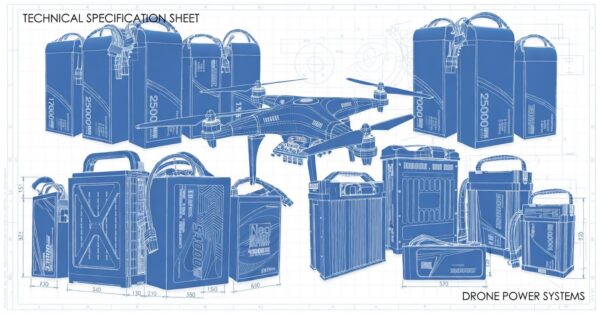
In the high-stakes environment of humanitarian aid and emergency response, every second counts. When disaster strikes, the deployment of unmanned aerial vehicles (UAVs) can mean the difference between life and death. However, the effectiveness of these assets hinges entirely on one critical factor: technical compatibility. For organizations managing large-scale operations, avoiding common mistakes in technical compatibility for disaster relief teams drones is not just a logistical preference; it is an operational imperative.
This guide is specifically designed for bulk purchase users, including government agencies, NGOs, and large-scale relief coordinators. By prioritizing compatibility during the procurement phase, you unlock significant advantages. Bulk purchasing compatible systems reduces training overhead, simplifies supply chain logistics for spare parts and batteries, and ensures seamless interoperability between different units in the field. When every drone shares a common language and power architecture, your team spends less time troubleshooting and more time saving lives. This article provides a comprehensive roadmap to navigating the complex landscape of drone interoperability, ensuring your investment delivers maximum impact when it matters most.
Step-by-Step Guide to Ensuring Drone Compatibility
Achieving a cohesive fleet requires a methodical approach. Follow these steps to mitigate compatibility risks before deployment.
Step 1: Standardize Power Architecture
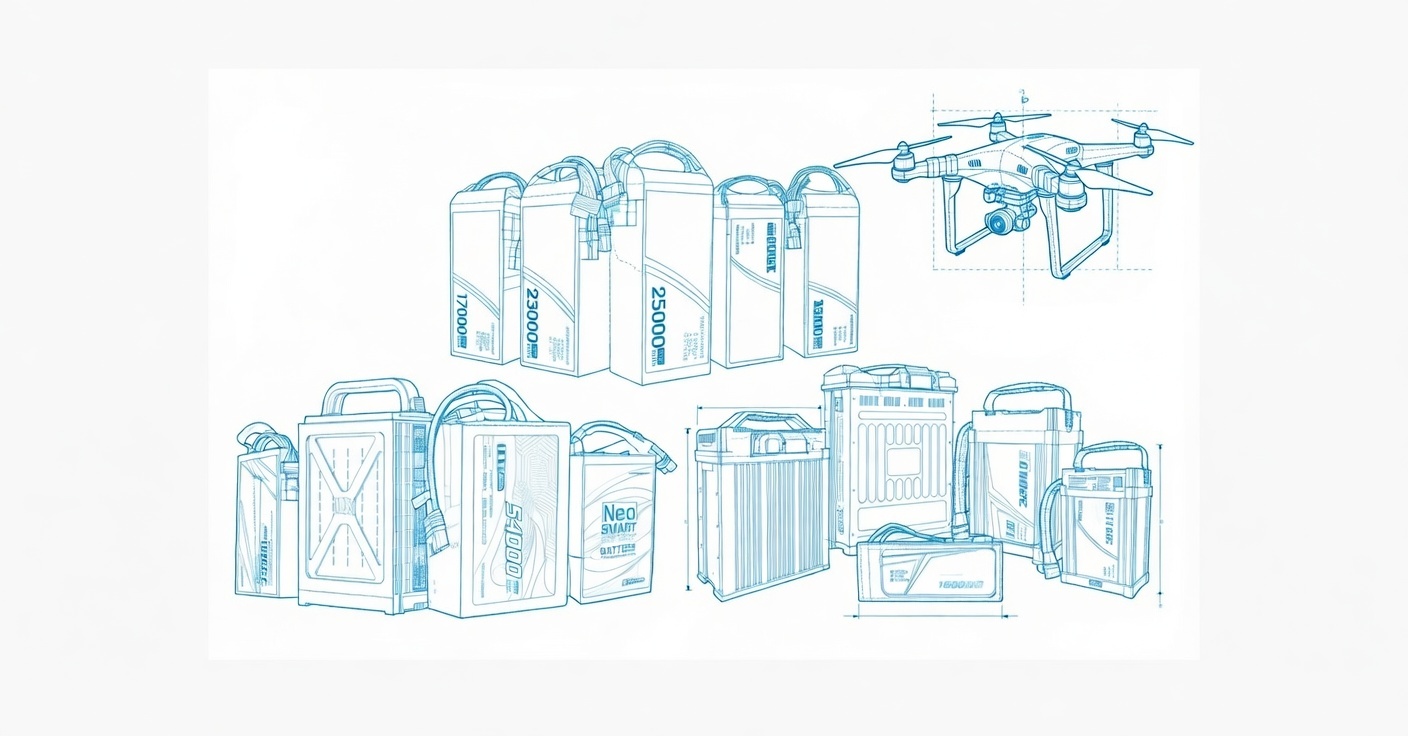
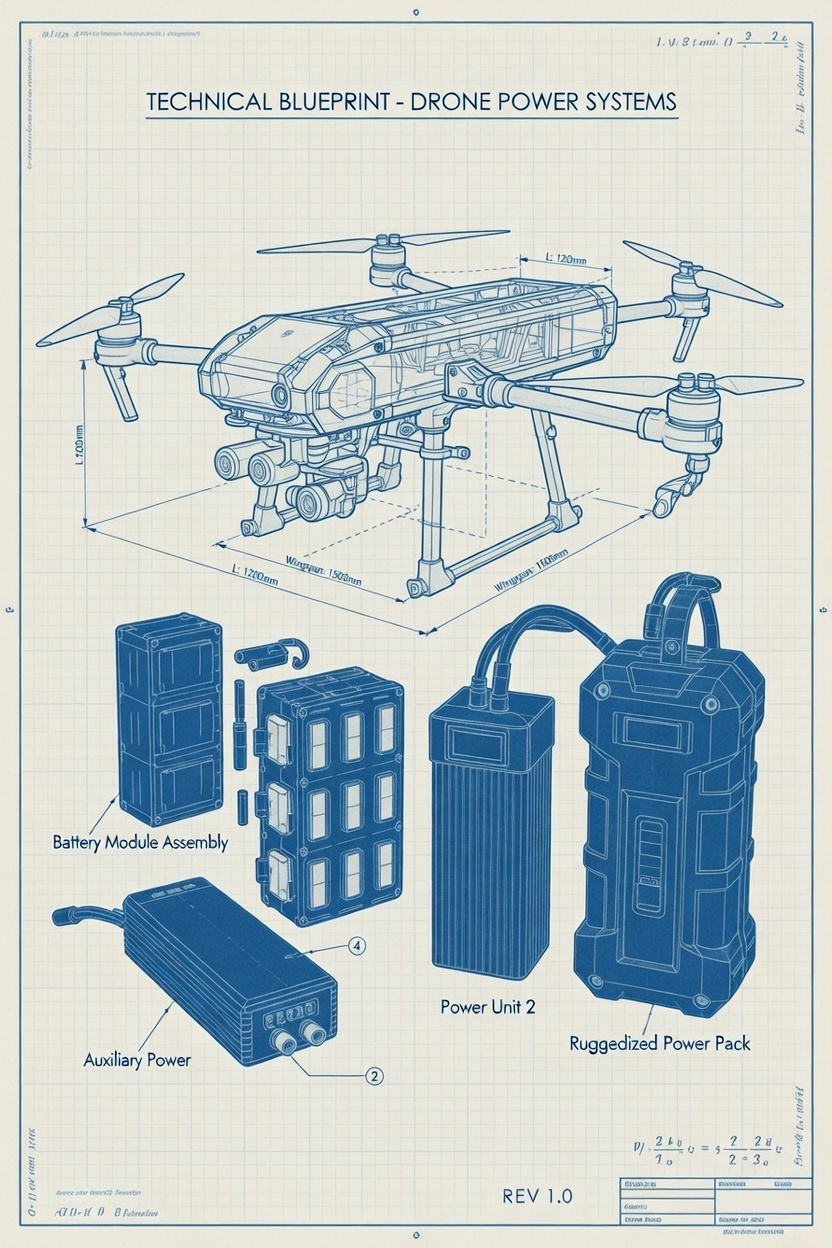
The most frequent point of failure in mixed fleets is power incompatibility. Different manufacturers often utilize proprietary battery connectors, voltage ratings, and communication buses (BMS).
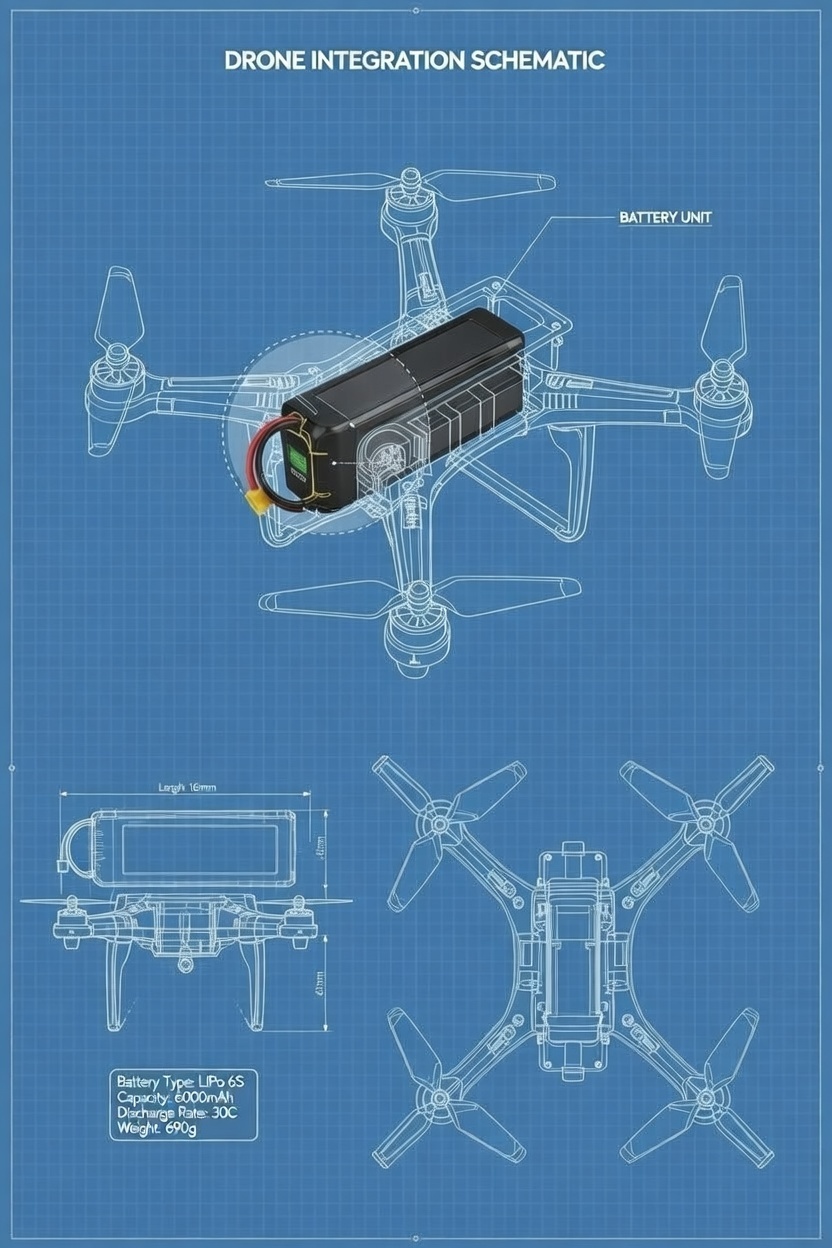
- Action: Select a primary voltage standard (e.g., 6S LiPo or specific Li-ion configurations) across your fleet.
- Verification: Ensure that charging stations are universal or adaptable. In disaster zones, access to stable power is limited; having interchangeable batteries between different drone models can extend flight time significantly without needing multiple charger types.
Step 2: Validate Communication Protocols
Control links and data transmission protocols vary widely. Some systems use encrypted proprietary links, while others rely on open standards like MAVLink.
- Action: Confirm that ground control stations (GCS) can communicate with all airframes in your inventory.
- Verification: Test for latency and signal integrity in interference-heavy environments, which are common in disaster zones due to damaged infrastructure. Compatibility here ensures that a pilot trained on one model can safely operate another if necessary.
Step 3: Assess Payload Integration
Disaster relief often requires swapping payloads—thermal cameras, LiDAR, or loudspeakers—depending on the mission phase (search and rescue vs. damage assessment).
- Action: Choose drones with standardized gimbal interfaces and payload SDKs.
- Verification: Check the weight capacity and physical mounting points. A mismatch here can lead to unstable flight or damaged equipment.
Step 4: Environmental Hardening Compatibility
Technical compatibility also extends to environmental resilience. Not all drones are rated for the same wind speeds, precipitation levels, or temperature ranges.
- Action: Ensure all selected models meet the minimum IP rating required for your operational theater (e.g., IP43 for rain resistance).
- Verification: Review battery thermal management specs. In extreme cold or heat, battery performance varies; compatible thermal systems ensure consistent discharge rates across the fleet.
Comparison Analysis: Proprietary vs. Open Systems
When procuring for disaster relief, the choice between proprietary ecosystems and open-standard systems defines your long-term flexibility.
| Feature | Proprietary Ecosystems | Open-Standard Systems |
|---|---|---|
| Interoperability | Low. Batteries and controllers rarely work across brands. | High. Components can often be swapped between compatible frames. |
| Maintenance | Simplified within the brand, difficult if the brand is unavailable. | Flexible. Parts can be sourced from multiple vendors. |
| Training | Specific to the brand’s interface. | Transferable skills based on common protocols (e.g., QGroundControl). |
| Cost Efficiency | Higher long-term cost due to locked-in accessories. | Lower long-term cost; competitive pricing on spare parts. |
| Reliability | Often highly optimized for specific use cases. | Varies by integrator; requires rigorous testing. |
For disaster relief teams, the trend is shifting towards hybrid approaches. While proprietary systems offer plug-and-play reliability, the risk of supply chain disruption during a crisis is high. An open-standard approach mitigates this risk, allowing teams to integrate third-party batteries or sensors if original equipment is delayed. However, this requires stricter adherence to compatibility testing to avoid common mistakes in technical compatibility.
Technical Deep Dive: Battery and Voltage Compatibility
The heart of any UAV is its power system. Incompatibility here is the leading cause of grounded fleets.
Voltage and Cell Count
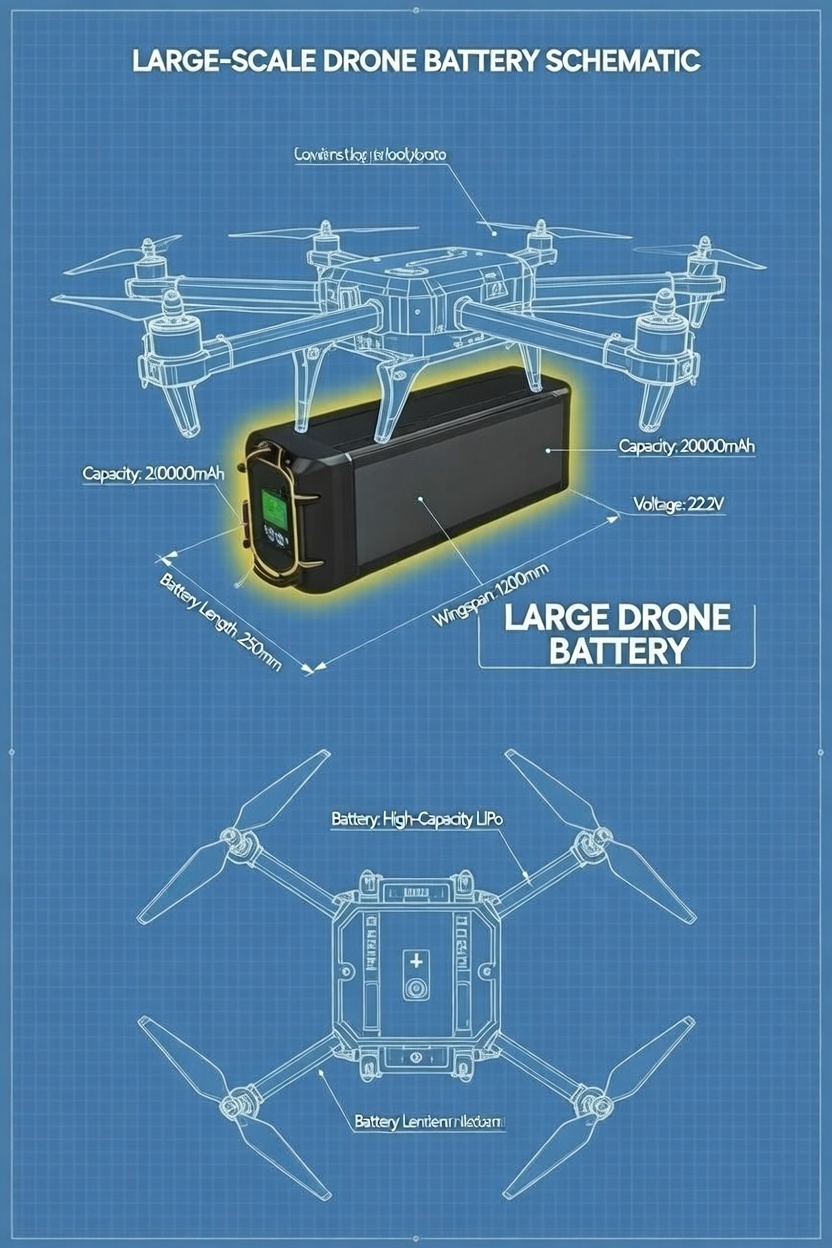
Matching voltage is critical. Connecting a 4S battery to a 6S motor system can cause immediate failure, while over-voltage can fry electronics. For bulk buyers, standardizing on a specific cell count (e.g., 6S 22.2V) simplifies logistics. However, energy density matters. Modern Li-ion cells offer higher density than traditional LiPo, but they require different charging profiles. Ensure your chargers support the chemistry of your standardized batteries.
Connector Types
Physical connectors are a common bottleneck. XT60, XT90, and AS150 are common, but proprietary plugs prevent cross-use. When purchasing in bulk, negotiate for standard high-current connectors. This allows field technicians to repair damaged leads using commonly available parts rather than waiting for manufacturer-specific cables.
BMS Communication
Smart batteries communicate health data to the drone. If the BMS protocol is incompatible, the drone may refuse to fly, even if the voltage is correct. Verify that the firmware on your batteries can be updated to match new airframe requirements. This is crucial for technical compatibility for disaster relief teams drones, as firmware updates often patch safety vulnerabilities discovered post-deployment.
Frequently Asked Questions (FAQ)
Q1: Can we mix different battery brands if the voltage matches?
A: Generally, no. Even if voltage and connectors match, the Battery Management System (BMS) communication protocol may differ. The drone might not recognize the battery, or worse, it may misread the remaining capacity, leading to unexpected power loss. Stick to certified compatible batteries or test extensively before field deployment.
Q2: How do we handle charging in remote disaster zones with limited power?
A: Prioritize drones that support wide-input voltage charging (e.g., 12V-24V DC) allowing you to charge from vehicle batteries or portable solar generators. Compatibility with car chargers is a vital feature for relief operations where grid power is unavailable.
Q3: What is the biggest mistake in payload compatibility?
A: Underestimating the center of gravity (CoG) shift. Swapping a camera for a thermal sensor changes the weight distribution. Ensure your drone’s flight controller can auto-calibrate for different payloads, or manually tune the PID settings to maintain stability.
Q4: Does weather affect technical compatibility?
A: Yes. Cold weather reduces battery discharge capability. A battery compatible in summer may fail to deliver peak current in freezing conditions. Ensure your power system is rated for the lowest expected temperature in your operational area.
Conclusion and Next Steps
Navigating the complexities of UAV interoperability is challenging, but the cost of failure in disaster relief is too high to ignore. By standardizing power systems, validating communication protocols, and choosing flexible architectures, organizations can build a resilient fleet capable of adapting to any crisis. Avoiding common mistakes in technical compatibility for disaster relief teams drones ensures that your technology serves your mission, not the other way around.
For organizations looking to streamline their procurement process with high-compatibility, high-performance power solutions, expert guidance is essential. Custom battery packs and compatibility consulting can bridge the gap between diverse hardware and unified operations.
If you are ready to optimize your fleet’s power architecture and ensure seamless interoperability for your next mission, reach out to our technical team. We specialize in providing tailored energy solutions that meet the rigorous demands of humanitarian aid.
Contact Us for Custom Drone Battery Solutions
For more information on our core product lines and energy specifications, visit our Drone Battery Home page. Let’s build a safer, more compatible future for disaster response together.