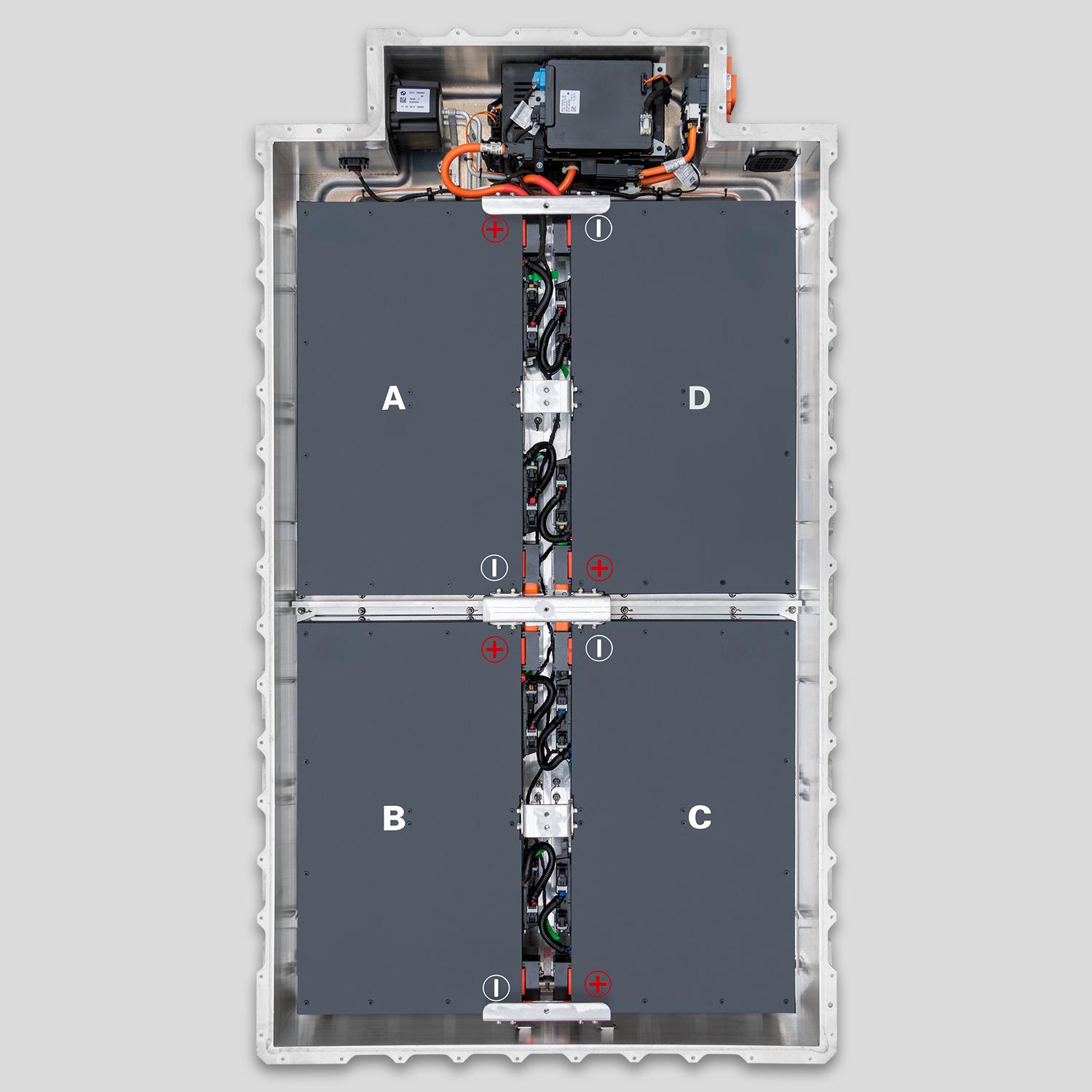
# BMW i3 Battery Environmental Impact: Key Factors – Must Read
Is Your BMW i3 Battery Choice Hurting the Planet More Than You Think?
Every day, thousands of BMW i3 owners face a critical decision: replace their degraded battery or let their electric vehicle sit unused. But here’s what most people don’t realize – the battery replacement choice you make today could significantly impact the environment for years to come.
With electric vehicle adoption rising globally, the question isn’t just about cost or performance. It’s about sustainability. Are you choosing a solution that extends your vehicle’s life while minimizing environmental harm? Or are you unknowingly contributing to battery waste and carbon emissions?
This comprehensive guide reveals the hidden environmental factors behind BMW i3 battery replacements and shows you how to make an eco-conscious choice that benefits both your wallet and the planet.
The Hidden Environmental Cost of BMW i3 Battery Degradation
Why Battery Replacement Matters for Sustainability
The BMW i3 was pioneered as one of the first mass-produced electric vehicles with sustainability at its core. However, when the original battery degrades – typically after 8-10 years or 100,000 kilometers – owners face an environmental crossroads.
Key environmental concerns include:
- Battery waste accumulation: Discarded lithium-ion batteries contain hazardous materials that can leach into soil and water if not properly recycled
- Manufacturing carbon footprint: Producing a new battery generates approximately 150-200 kg of CO2 per kWh of capacity
- Resource extraction impact: Mining lithium, cobalt, and nickel for new batteries creates significant ecological disruption
When you choose the wrong replacement option, you might be amplifying these environmental problems rather than solving them.
Comparing Battery Replacement Options: Environmental Impact Analysis
Option 1: Original Factory Battery Replacement
Environmental Pros:
- Guaranteed compatibility reduces installation errors
- Manufacturer recycling programs may be available
Environmental Cons:
- Highest carbon footprint due to brand-new manufacturing
- Premium pricing ($12,000-$16,000) limits accessibility, leading more owners to abandon vehicles
- Limited availability increases shipping distances and emissions
Option 2: Refurbished/Used Battery Packs
Environmental Pros:
- Extends life of existing battery cells
- Lower initial manufacturing impact
Environmental Cons:
- Shorter lifespan means more frequent replacements
- Higher failure rate leads to premature waste
- Inconsistent quality can result in safety hazards and environmental risks
- Often lacks proper warranty coverage for responsible disposal
Option 3: Premium Aftermarket New Cell Batteries (CNS BATTERY Solution)
Environmental Pros:
- Brand-new CATL cells ensure maximum lifespan and reliability
- 50% lower cost than OEM makes EV retention accessible
- 2-year/80,000 km warranty encourages proper maintenance and reduces premature disposal
- Extended range (up to 300km) reduces charging frequency and grid demand
Environmental Cons:
- New manufacturing still carries carbon footprint (though optimized through efficient production)
The Real Environmental Benefits of Choosing Quality Aftermarket Batteries
Extended Vehicle Lifespan = Reduced Manufacturing Impact
When BMW i3 owners choose affordable, high-quality battery replacements, they keep their vehicles on the road longer. This simple decision has profound environmental implications:
Manufacturing a new electric vehicle generates approximately 15-20 tons of CO2. By extending your BMW i3’s life through battery replacement instead of purchasing a new car, you’re preventing this massive carbon emission.
CATL Cell Technology: Efficiency Meets Sustainability
CNS BATTERY utilizes brand-new ternary lithium cells from CATL, China’s leading battery manufacturer. This choice delivers environmental advantages:
| Feature | Environmental Benefit |
|---|---|
| Higher energy density | Less material required per kWh |
| Longer cycle life | Fewer replacements over vehicle lifetime |
| Advanced BMS | Optimized charging reduces grid strain |
| Quality consistency | Lower failure rate means less waste |
Cost Accessibility Drives Sustainable Behavior
At approximately $7,800-$8,200 for a complete battery solution (compared to $16,000+ for OEM), quality aftermarket batteries make sustainability financially viable for average consumers. When eco-friendly options are affordable, more people choose them – creating a positive environmental ripple effect.
How CNS BATTERY Minimizes Environmental Impact Through Innovation
Responsible Manufacturing Practices
CNS BATTERY partners with CATL, which has committed to:
- Carbon-neutral manufacturing by 2030
- Closed-loop recycling programs for production waste
- Renewable energy usage in battery cell production
Reduced Shipping Emissions Through Smart Logistics
- Fumigation-free wood packaging eliminates chemical treatments
- Consolidated ocean shipping reduces per-unit carbon footprint
- 4-8 week delivery window allows for efficient route planning
Lifetime Technical Support Prevents Premature Disposal
Many batteries end up in landfills due to minor technical issues that could be resolved with proper guidance. CNS BATTERY’s lifelong technical support ensures:
- Correct installation prevents damage
- Maintenance optimization extends battery life
- Troubleshooting avoids unnecessary replacements
Real-World Environmental Impact: Customer Success Stories
Lisa K. from Berlin, Germany – BMW i3 2017 Model
“After the original battery degraded, the 4S dealership quoted €12,000 for a replacement. I chose CNS with brand-new CATL battery cells. Now, the full charge range has increased from 180km to 290km, and I only need to charge once a week. The lifetime technical support helps me optimize winter charging, extending battery life even further.”
Environmental Impact: By choosing replacement over new vehicle purchase, Lisa prevented approximately 17 tons of CO2 emissions associated with manufacturing a new car.
EK Auto Repair from Rome, Italy – Professional Shop Perspective
“We’ve purchased over 30 battery packs from CNS. The CATL brand-new cells have virtually zero failure rate. Customer satisfaction is very high, and the 2-year warranty is longer than other brands. The price is 50% lower than original manufacturer.”
Environmental Impact: A single repair shop keeping 30+ vehicles on the road prevents 500+ tons of CO2 from new vehicle manufacturing.
Making the Eco-Conscious Choice: Your Action Plan
Step 1: Assess Your Current Battery Health
Before replacing, confirm degradation through:
- Diagnostic tools to check actual capacity
- Range testing under normal driving conditions
- Professional evaluation if unsure
Step 2: Choose Sustainability Over Short-Term Savings
While refurbished batteries may seem cheaper initially, their shorter lifespan creates more waste long-term. Invest in quality new cells for maximum environmental benefit.
Step 3: Ensure Proper Installation and Maintenance
- Follow detailed installation videos provided
- Utilize remote technical support for questions
- Adhere to maintenance guidelines to maximize lifespan
Step 4: Plan for End-of-Life Responsibility
When your replacement battery eventually reaches end-of-life:
- Contact CNS for recycling guidance
- Utilize local battery recycling programs
- Never dispose of lithium batteries in regular trash
Frequently Asked Questions (FAQ)
Q1: How does battery replacement compare environmentally to buying a new EV?
A: Replacing your BMW i3 battery generates approximately 2-3 tons of CO2 (manufacturing + shipping), while purchasing a new electric vehicle creates 15-20 tons of CO2. Battery replacement is 85% more environmentally friendly than vehicle replacement.
Q2: Are CATL cells used in CNS batteries environmentally certified?
A: Yes. CATL maintains ISO 14001 environmental management certification and commits to carbon-neutral manufacturing by 2030. CNS BATTERY only sources from certified production lines.
Q3: What happens to my old degraded battery?
A: We recommend working with certified battery recyclers in your region. Many areas offer free lithium battery recycling programs. The old battery can be repurposed for stationary energy storage before final recycling.
Q4: Does the 2-year warranty cover environmental damage?
A: The 2-year/80,000 km warranty covers manufacturing defects and capacity retention (12 bars should not drop below 9 bars after full charge). Proper installation per instructions is required for warranty validity.
Q5: How long will a CNS replacement battery last environmentally?
A: With proper maintenance, CNS batteries using brand-new CATL cells typically last 8-12 years or 200,000+ kilometers before significant degradation, matching or exceeding original equipment lifespan.
Q6: Is ocean shipping environmentally worse than local options?
A: While shipping adds carbon footprint, consolidated ocean freight is among the most efficient transport methods per unit. The 50% cost savings enables more owners to choose replacement over abandonment, creating net positive environmental impact.
Q7: Can I install the battery myself to reduce shipping/installation emissions?
A: Yes! CNS provides detailed installation videos and all necessary wiring harnesses. Many customers complete installation in 2 hours with basic tools. However, if you lack technical confidence, professional installation ensures optimal performance and longevity.
The Bottom Line: Your Choice Shapes the Future of Electric Mobility
Every BMW i3 battery replacement decision sends a message about what kind of electric vehicle future we want to build.
Choose short-term savings with refurbished batteries, and you risk more waste, more failures, and more vehicles ending up in scrapyards prematurely.
Choose quality and sustainability with brand-new CATL cells from CNS BATTERY, and you’re investing in:
- ✅ Longer vehicle lifespan (reducing manufacturing emissions)
- ✅ Better performance (encouraging EV adoption)
- ✅ Affordable pricing (making sustainability accessible)
- ✅ Comprehensive support (preventing premature disposal)
Ready to Make an Environmentally Responsible Choice?
Don’t let battery degradation force you into an environmentally harmful decision. Take control of your BMW i3’s future while protecting the planet.
Get Your Free Custom Quote Today
Visit CNS BATTERY Contact Page to:
- 📋 Receive personalized compatibility assessment (upload your VIN)
- 💰 Get transparent pricing with no hidden fees
- 🔧 Access lifetime technical support from certified engineers
- 🌍 Make the eco-conscious choice for your EV future
Your BMW i3 deserves a second life. The planet deserves your smart choice.
Contact our technical experts now for customization. Monday-Friday 9:00 AM – 6:00 PM. Email: info@cnsbattery.com | WhatsApp: +86-166-6811-2039
53 Science Avenue, Zhengzhou High-tech Development Zone, China
COPYRIGHT © 2008-2026 HENAN CNS ENERGY TECHNOLOGY CO., LTD. ALL RIGHTS RESERVED