Introduction
In today’s rapidly evolving emergency response landscape, drones have become indispensable tools for rescue teams worldwide. From search and rescue operations in disaster zones to delivering critical medical supplies in remote areas, unmanned aerial vehicles (UAVs) are saving lives every day. However, the effectiveness of these operations hinges on one critical factor often overlooked: technical compatibility.
According to recent industry reports from 2025-2026, nearly 40% of emergency drone missions experience delays or failures due to compatibility issues between drone systems, batteries, communication protocols, and ground control stations. For emergency rescue teams, where every second counts, these technical mismatches can mean the difference between life and death. This comprehensive guide will help you identify and avoid the most common technical compatibility mistakes that could compromise your emergency rescue drone operations.
Understanding Technical Compatibility in Emergency Rescue Drones
Technical compatibility encompasses multiple layers of integration within your drone ecosystem. It’s not just about whether components fit together physically—it’s about whether they communicate effectively, perform reliably under stress, and maintain operational integrity in challenging environments.
Key Compatibility Dimensions
- Battery and Power System Compatibility: Voltage ratings, discharge rates, and battery management systems must align perfectly
- Communication Protocol Interoperability: Control signals, telemetry data, and emergency override systems need seamless integration
- Payload Integration: Cameras, sensors, and delivery mechanisms must work harmoniously with flight controllers
- Software and Firmware Versions: All system components should run compatible software versions
- Environmental Adaptability: Systems must perform consistently across temperature ranges and weather conditions
Common Mistake #1: Ignoring Battery Compatibility Specifications
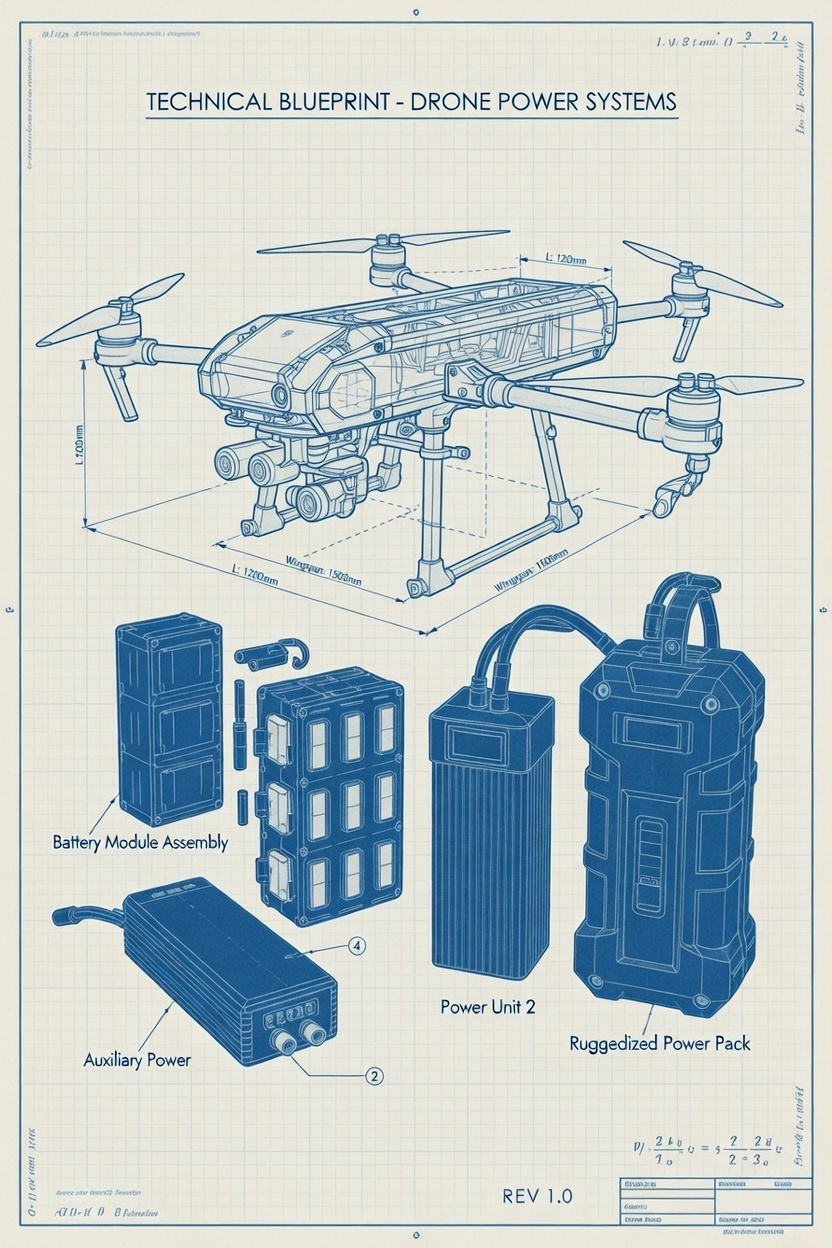
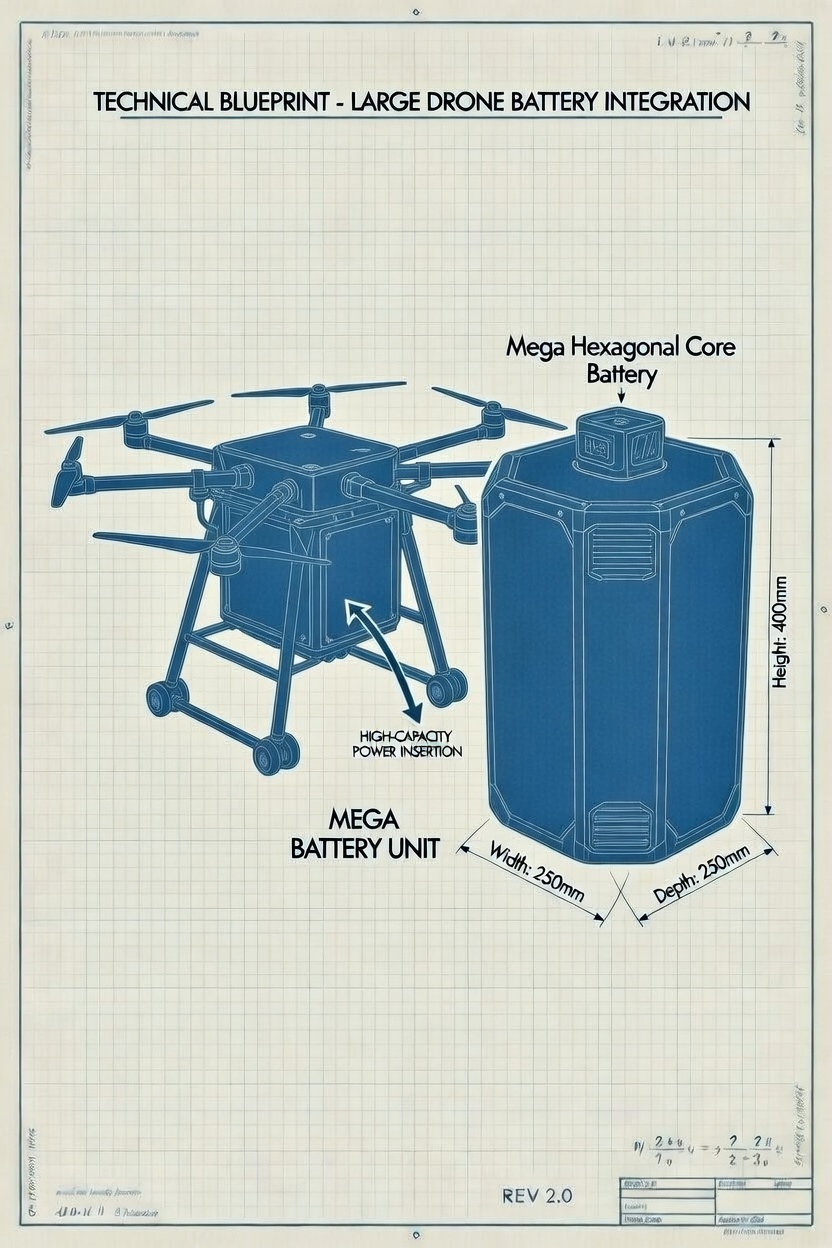
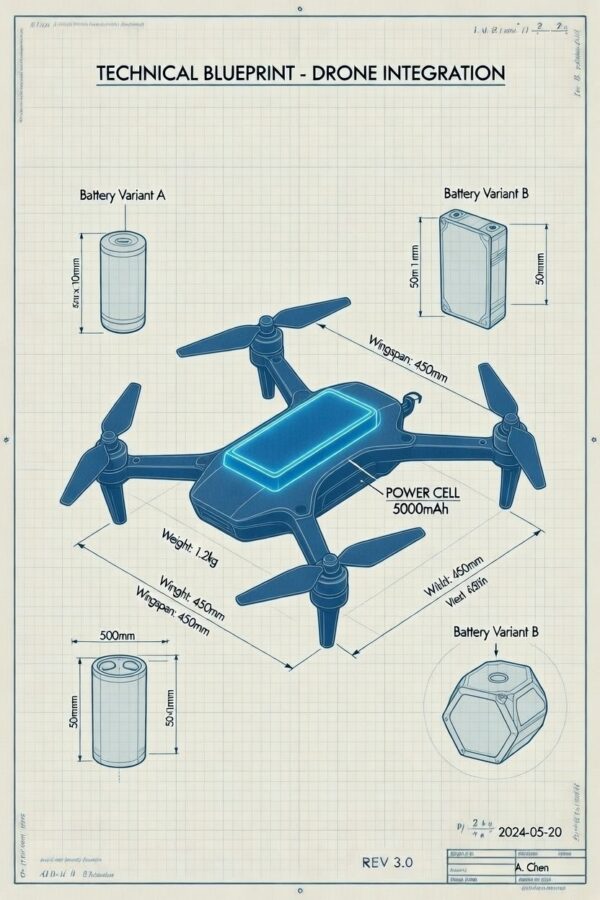
One of the most critical yet frequently overlooked aspects is drone battery compatibility. Emergency rescue teams often operate multiple drone models, and the temptation to interchange batteries can lead to catastrophic failures.
Critical Battery Compatibility Factors
| Factor | Common Mistake | Correct Approach |
|---|---|---|
| Voltage Rating | Using 4S batteries on 6S-compatible drones | Match exact voltage specifications |
| Discharge Rate (C-rating) | Assuming all LiPo batteries perform equally | Verify continuous discharge ratings match motor demands |
| Connector Type | Forcing incompatible connectors | Use manufacturer-approved connection systems |
| Battery Management System | Ignoring BMS communication protocols | Ensure BMS integrates with drone’s power monitoring |
| Temperature Range | Operating beyond rated conditions | Select batteries rated for extreme environments |
Expert Insight: According to 2025 battery lifecycle research, mismatched battery specifications can reduce operational capacity by up to 35% and increase failure rates during critical missions. For emergency rescue operations, this risk is unacceptable.
Best Practices for Battery Management
- Maintain Detailed Inventory Records: Track battery age, cycle count, and performance history for each unit
- Implement Regular Testing Protocols: Conduct monthly capacity tests under simulated load conditions
- Standardize Battery Types: Limit your fleet to compatible battery families when possible
- Invest in Smart Charging Systems: Use chargers that communicate with battery BMS for optimal charging cycles
- Plan for Redundancy: Always carry 50% more batteries than theoretically needed for missions
Common Mistake #2: Overlooking Communication Protocol Interoperability
Emergency rescue operations often involve multiple agencies working together. When drones from different manufacturers or generations need to operate in the same airspace, communication protocol compatibility becomes crucial.
Communication Protocol Challenges
- Proprietary vs. Open Standards: Some manufacturers use closed ecosystems that limit interoperability
- Frequency Conflicts: Multiple drones operating on similar frequencies can cause interference
- Data Transmission Latency: Incompatible protocols may introduce dangerous delays in control signals
- Emergency Override Systems: Not all drones support standardized emergency landing protocols
Solutions for Protocol Compatibility
Step 1: Conduct Pre-Mission Compatibility Audits
Before deploying multiple drone systems, verify that all communication channels operate without interference. Test range, signal strength, and control latency under realistic conditions.
Step 2: Implement Standardized Control Systems
Where possible, adopt ground control stations that support multiple drone platforms through universal protocols like MAVLink or DJI SDK.
Step 3: Establish Clear Frequency Management
Create operational guidelines that assign specific frequency bands to different teams or drone types to prevent interference.
Step 4: Test Emergency Protocols Regularly
Conduct quarterly drills that specifically test fail-safe systems, return-to-home functions, and emergency landing procedures across all drone models.
Common Mistake #3: Neglecting Payload Integration Testing
Emergency rescue drones often carry specialized payloads: thermal cameras for night searches, loudspeakers for communication with survivors, or medical supply delivery mechanisms. Each payload affects flight characteristics and system compatibility.
Payload Integration Checklist
- Weight Distribution: Verify center of gravity remains within safe parameters
- Power Requirements: Ensure drone’s power system can handle payload consumption
- Data Transmission: Confirm payload data integrates with ground control displays
- Mounting Security: Test attachment mechanisms under vibration and wind conditions
- Environmental Protection: Verify payload enclosures match drone’s weather resistance rating
Pro Tip: Always conduct test flights with actual payloads before emergency deployment. A 2025 study on drone performance found that 28% of payload-related failures occurred because teams skipped comprehensive integration testing.
Common Mistake #4: Failing to Update Firmware Consistently
Software incompatibility ranks among the top causes of drone system failures in emergency operations. When different components run mismatched firmware versions, communication breakdowns occur.
Firmware Management Strategy
- Create Update Schedules: Establish monthly firmware review cycles for all system components
- Test Before Deployment: Never install updates on mission-ready drones without thorough testing
- Maintain Version Documentation: Keep detailed records of firmware versions across your fleet
- Rollback Capabilities: Always preserve previous stable versions for emergency reversion
- Manufacturer Notifications: Subscribe to all vendor security and compatibility bulletins
Common Mistake #5: Underestimating Environmental Compatibility
Emergency rescue operations rarely occur in ideal conditions. Drones must perform in extreme temperatures, high humidity, dust, rain, and high-altitude environments. Component compatibility under these conditions is often overlooked.
Environmental Compatibility Matrix
| Condition | Impact on Systems | Mitigation Strategy |
|---|---|---|
| Extreme Cold (-20°C) | Battery capacity drops 40-60% | Use heated battery compartments |
| High Heat (45°C+) | Motor overheating, reduced flight time | Implement thermal monitoring systems |
| High Humidity | Electronic corrosion, signal interference | Apply conformal coatings to circuits |
| Dust/Sand | Motor bearing wear, sensor obstruction | Use sealed components, regular cleaning protocols |
| High Altitude | Reduced lift capacity, battery performance | Recalibrate flight parameters for altitude |
Building a Compatibility-First Culture
Avoiding these common mistakes requires more than technical knowledge—it demands organizational commitment to compatibility standards.
Implementation Framework
Phase 1: Assessment (Weeks 1-2)
- Audit all existing drone systems and components
- Document all compatibility specifications
- Identify known incompatibility risks
Phase 2: Standardization (Weeks 3-6)
- Select primary drone platforms for your operations
- Establish approved component lists
- Create compatibility verification checklists
Phase 3: Training (Weeks 7-8)
- Train all operators on compatibility requirements
- Conduct hands-on compatibility testing exercises
- Establish certification requirements for equipment handlers
Phase 4: Continuous Improvement (Ongoing)
- Monthly compatibility review meetings
- Quarterly system audits
- Annual equipment refresh planning
Key Insights for Emergency Rescue Teams
Based on extensive research and industry analysis from 2025-2026, here are the critical takeaways:
- Compatibility is a Safety Issue: Technical mismatches aren’t just inconveniences—they’re safety hazards that can endanger both operators and those being rescued.
- Battery Systems Demand Priority Attention: Power system incompatibilities cause the highest percentage of mission failures. Invest in quality battery management and standardization.
- Testing Cannot Be Skipped: Every component combination requires real-world testing before emergency deployment. Laboratory specifications don’t always match field performance.
- Documentation Saves Lives: Maintaining detailed compatibility records enables faster troubleshooting during critical operations.
- Interagency Coordination Requires Planning: When working with other rescue teams, establish compatibility protocols before emergencies occur.
Call to Action
Your emergency rescue drone operations deserve the highest level of technical reliability. Don’t let compatibility mistakes compromise your mission success or put lives at risk.
Ready to optimize your drone fleet’s technical compatibility? Our team of experts specializes in emergency rescue drone systems, battery solutions, and compatibility optimization. We understand the unique demands of life-saving operations and can help you build a drone ecosystem that performs flawlessly when it matters most.
Contact us today for a comprehensive compatibility assessment of your current drone systems. Visit our contact page at https://cnsbattery.com/drone-battery-home/drone-battery-contact to schedule a consultation with our technical specialists.
Remember: In emergency rescue, there’s no room for technical failures. Invest in compatibility now, and ensure your drones are ready to save lives when called upon.
This article is based on industry research, technical specifications, and best practices from leading emergency rescue drone operators worldwide. Content updated for 2026 operational standards.