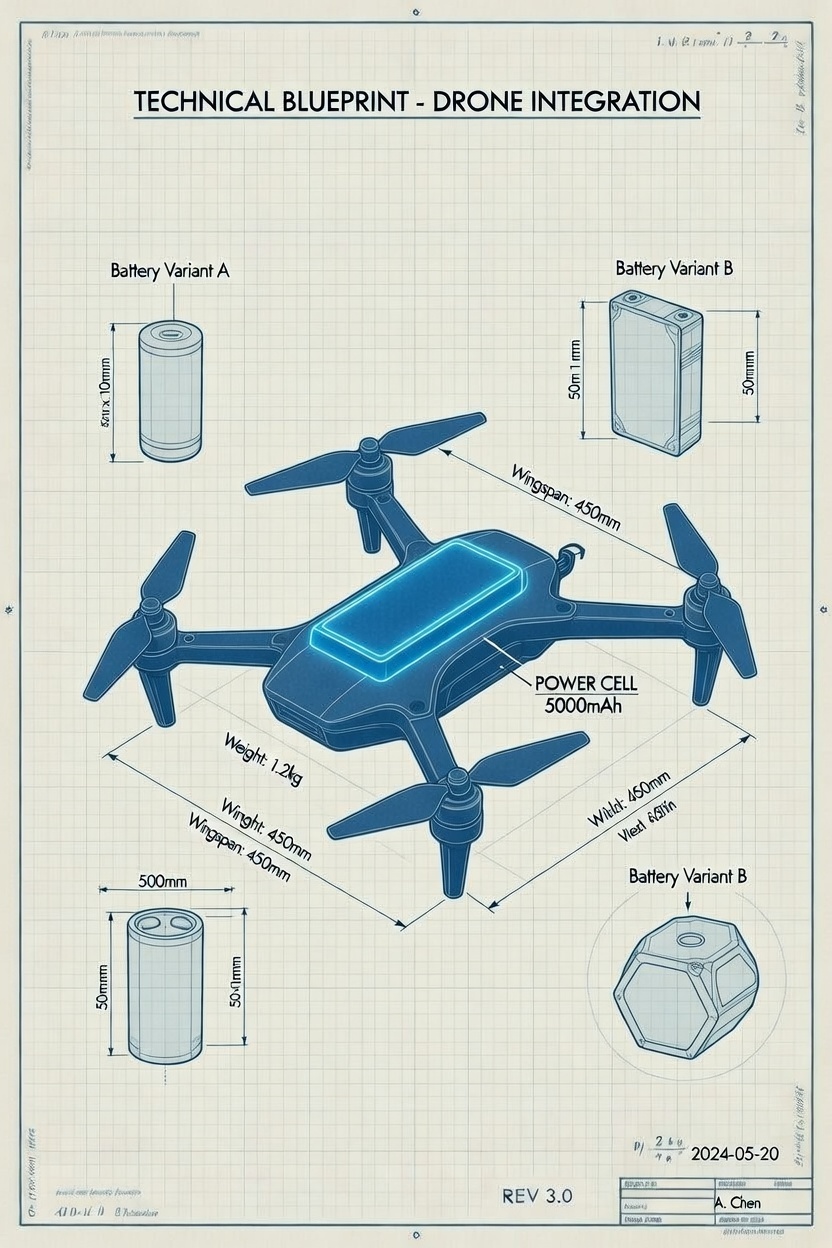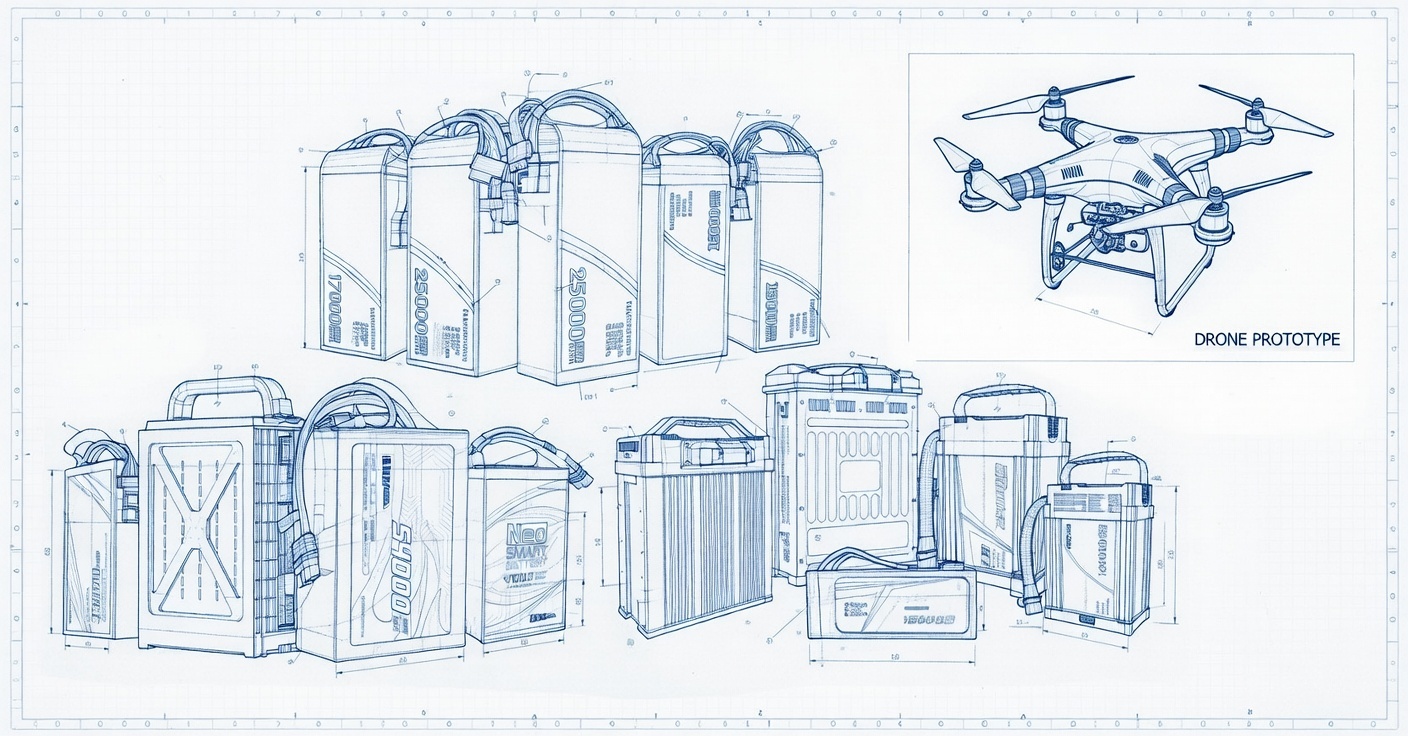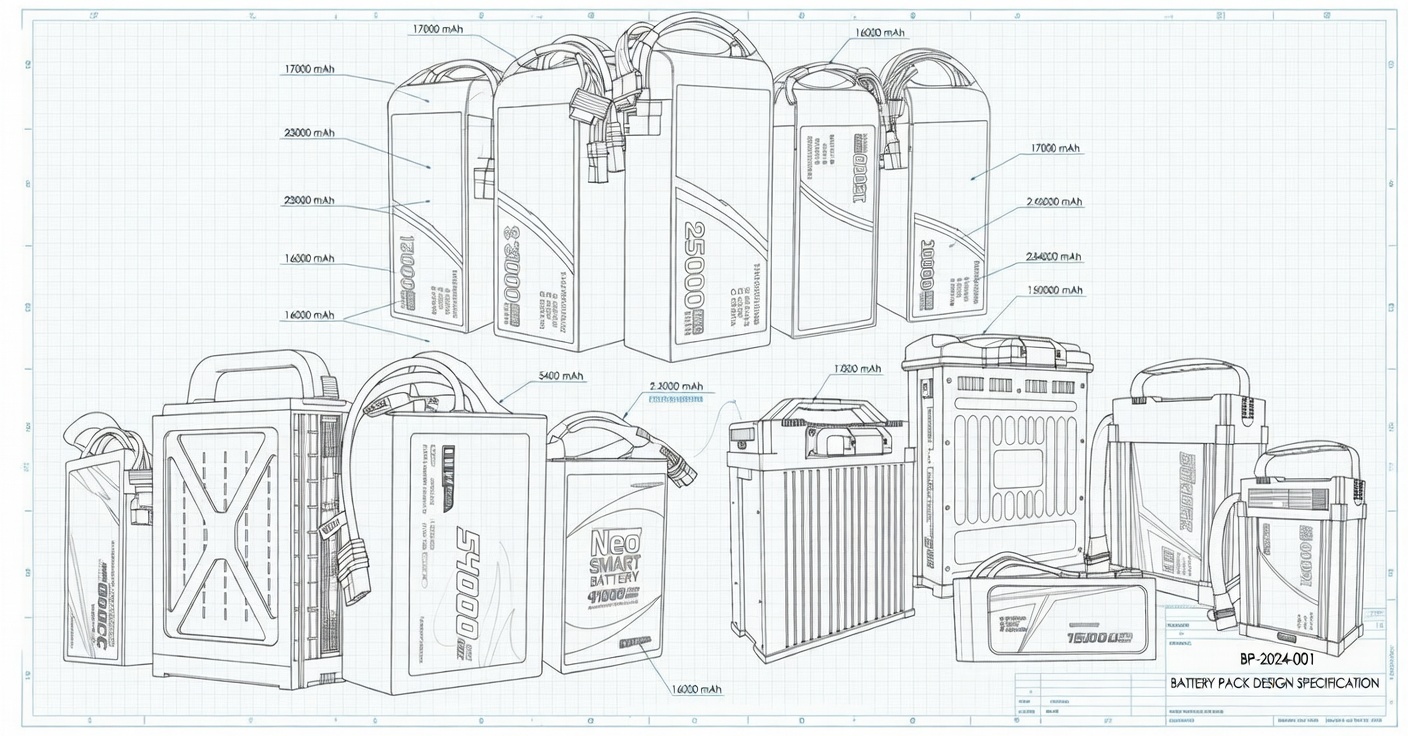
The drone industry is experiencing unprecedented growth in 2026, with the global drone battery market evolving from a simple “replaceable consumable” to a “mission-critical system component.” As businesses across agriculture, surveillance, logistics, and entertainment sectors increasingly rely on unmanned aerial vehicles, the demand for customized drone battery solutions has never been higher. This comprehensive guide explores the top drone battery manufacturers and suppliers who excel in providing tailored power solutions that meet specific operational requirements.
Understanding the Drone Battery Landscape in 2026
According to Global Info Research’s 2026 Global Drone Smart Battery Market Report, the drone battery industry has undergone significant transformation. Solid-state and high-energy-density technologies are pushing drone batteries beyond traditional lithium polymer systems, with premium industrial and specialized applications now demanding customized power solutions that enhance single-mission radius and reliability.
The global Battery Management System (BMS) market reached 89.24 billion yuan in 2025, with projections indicating growth to 142.03 billion yuan by 2032 at a compound annual growth rate of 6.86%. This growth directly impacts drone battery customization capabilities, as advanced BMS technology enables suppliers to create more sophisticated, application-specific power solutions.
Key Market Drivers for Customization
Industry-Specific Requirements: Different sectors demand unique battery specifications. Agricultural drones require high-discharge-rate batteries capable of handling heavy payload variations, while surveillance drones need extended flight time with minimal weight penalties. Logistics drones prioritize rapid charging capabilities and cycle life.
Regulatory Compliance: International standards including UN38.3, IEC62133, and regional aviation authority requirements necessitate customized certification processes for different operational environments.
Performance Optimization: Businesses seeking competitive advantages require batteries optimized for specific temperature ranges, discharge profiles, and integration with proprietary drone systems.
Top Drone Battery Manufacturers Offering Customization Services
Leading OEM/ODM Suppliers
The drone battery supply chain features several tiers of manufacturers, each offering different levels of customization capability. Based on extensive market research, here are the categories of suppliers businesses should consider:
Tier 1: Full-Service Customization Partners
These manufacturers provide comprehensive OEM/ODM services including cell selection, pack design, BMS programming, and certification support. They typically require minimum order quantities ranging from 500 to 2,000 units but offer the deepest customization options.
Tier 2: Semi-Custom Solutions
These suppliers offer modular customization where businesses can select from predefined options for capacity, voltage, connector types, and BMS features. Minimum orders typically range from 100 to 500 units.
Tier 3: Configuration-Based Suppliers
These manufacturers provide limited customization primarily focused on connector types, labeling, and packaging. They’re ideal for businesses requiring smaller quantities with basic customization needs.
Best Practices for Selecting a Drone Battery Supplier
Choosing the right drone battery supplier requires careful evaluation across multiple dimensions. Here’s a comprehensive checklist based on industry expertise:
Technical Capability Assessment
- Cell Quality Verification: Request detailed specifications on cell origin, grade, and testing protocols. Premium suppliers use Grade A cells from established manufacturers with full traceability.
- BMS Sophistication: Evaluate the supplier’s BMS capabilities including cell balancing accuracy, temperature monitoring points, communication protocols (CAN, UART, I2C), and protection features.
- Customization Flexibility: Assess the supplier’s ability to modify physical dimensions, connector types, discharge rates, and capacity without compromising safety or performance.
- Testing Infrastructure: Verify the supplier has in-house testing capabilities including cycle life testing, environmental testing, and safety certification support.
Business Relationship Factors
- Communication Responsiveness: Custom projects require frequent communication. Evaluate response times and technical support quality during the quotation process.
- Production Capacity: Ensure the supplier can scale production to meet your growth requirements without quality degradation.
- Lead Time Realism: Custom battery projects typically require 8-12 weeks from design approval to delivery. Be wary of suppliers promising significantly shorter timelines.
- After-Sales Support: Confirm warranty terms, replacement policies, and ongoing technical support availability.
Case Study: Agricultural Drone Operator Achieves 40% Efficiency Gain
Background: A mid-sized agricultural services company operating a fleet of 50 spraying drones faced consistent challenges with battery performance during peak season operations. Their standard batteries provided 15-minute flight times with 90-minute charging cycles, limiting daily coverage to approximately 200 acres per drone.
Challenge: The company needed to increase daily coverage to 350 acres per drone without expanding their fleet size, requiring both extended flight time and reduced charging time.
Solution: Working with a specialized drone battery supplier, they developed a custom battery solution featuring:
- Increased capacity from 16,000mAh to 22,000mAh while maintaining identical physical dimensions
- Enhanced discharge rate from 20C to 25C to handle pump motor demands
- Integrated smart BMS with real-time capacity reporting compatible with their fleet management software
- Fast-charging capability reducing charge time from 90 to 55 minutes
Results: After a three-month pilot program, the company reported:
- 40% increase in daily coverage per drone (200 to 280 acres)
- 35% reduction in battery-related downtime
- 25% improvement in battery cycle life due to optimized thermal management
- ROI achieved within 8 months through increased service capacity
Key Learning: “The customization process required significant upfront investment in testing and validation, but the operational improvements far exceeded our initial projections,” reported the company’s operations director.
Technical Considerations for Custom Drone Battery Projects
Cell Chemistry Selection
Lithium Polymer (LiPo): Remains the dominant choice for commercial drones, offering excellent energy density and discharge rates. Best for applications prioritizing weight and performance.
Lithium Iron Phosphate (LiFePO4): Growing adoption in industrial applications where safety and cycle life outweigh weight concerns. Expected to capture 15% of the drone battery market by 2027.
Emerging Technologies: Solid-state and semi-solid batteries are beginning commercial deployment in premium applications, offering improved safety and energy density at higher costs.
BMS Customization Options
Modern drone battery BMS systems can be customized for specific operational requirements:
- Communication Protocols: Integration with drone flight controllers via CAN bus, UART, or proprietary protocols
- State of Charge Accuracy: Enhanced fuel gauge algorithms calibrated for specific discharge profiles
- Temperature Management: Active or passive thermal management based on operational environment
- Safety Features: Customizable protection thresholds for over-current, over-voltage, and temperature conditions
Certification Requirements
Custom battery projects must address multiple certification requirements:
- Transportation: UN38.3 certification mandatory for air shipping
- Safety: IEC62133 for consumer applications, additional certifications for industrial use
- Regional: CE marking for Europe, FCC for United States, regional aviation authority approvals
Efficiency Tips for Streamlining Custom Battery Development
1. Define Requirements Precisely
Create detailed specification documents including physical dimensions, electrical parameters, environmental conditions, and integration requirements before approaching suppliers. Vague requirements lead to multiple revision cycles and extended timelines.
2. Plan for Testing Phases
Allocate sufficient time and budget for prototype testing, including environmental testing, cycle life validation, and field testing under actual operating conditions. Rushing testing phases often results in field failures.
3. Consider Modular Design
Where possible, design battery systems with modular components that can be upgraded or replaced independently. This approach reduces long-term costs and improves maintainability.
4. Build Supplier Relationships
Develop partnerships with suppliers rather than transactional relationships. Long-term partnerships often result in better pricing, priority support, and collaborative innovation opportunities.
5. Document Everything
Maintain comprehensive documentation of all design decisions, test results, and supplier communications. This documentation proves invaluable for future iterations and troubleshooting.
The Future of Drone Battery Customization
Industry experts predict several trends shaping the customization landscape through 2030:
Increased Standardization: While customization remains critical, industry standards for communication protocols and physical interfaces will emerge, reducing integration complexity.
Smart Battery Evolution: BMS capabilities will expand to include predictive maintenance, automated health reporting, and integration with fleet management platforms.
Sustainability Focus: Environmental considerations will drive demand for batteries with improved recyclability and reduced hazardous materials.
Regional Manufacturing: Geopolitical factors will encourage regional battery production, potentially increasing costs but improving supply chain resilience.
Making the Right Choice for Your Business
Selecting a drone battery supplier for custom projects requires balancing technical capabilities, business factors, and long-term strategic considerations. The ideal partner combines engineering expertise with manufacturing excellence and customer-focused service.
Businesses should prioritize suppliers who demonstrate:
- Proven track record with similar applications
- Transparent communication throughout the development process
- Commitment to quality over speed
- Flexibility to adapt to changing requirements
- Investment in ongoing research and development
Ready to Explore Custom Drone Battery Solutions?
Finding the right drone battery supplier for your customization needs requires careful evaluation and partnership development. Whether you’re looking to optimize existing operations or develop entirely new capabilities, the right battery partner can transform your drone program’s performance and profitability.
Take the Next Step: Contact our team of battery specialists to discuss your specific requirements and explore customization options tailored to your application. We offer comprehensive consultation services to help you navigate the complex landscape of drone battery suppliers and identify the best partners for your needs.
Schedule Your Custom Battery Consultation Today
For more information about drone battery technologies and industry trends, explore our comprehensive drone battery guide or learn about our customization capabilities.
This article was compiled using industry research, market reports, and expert insights current as of March 2026. Specifications and market data may change; consult with qualified professionals before making purchasing decisions.