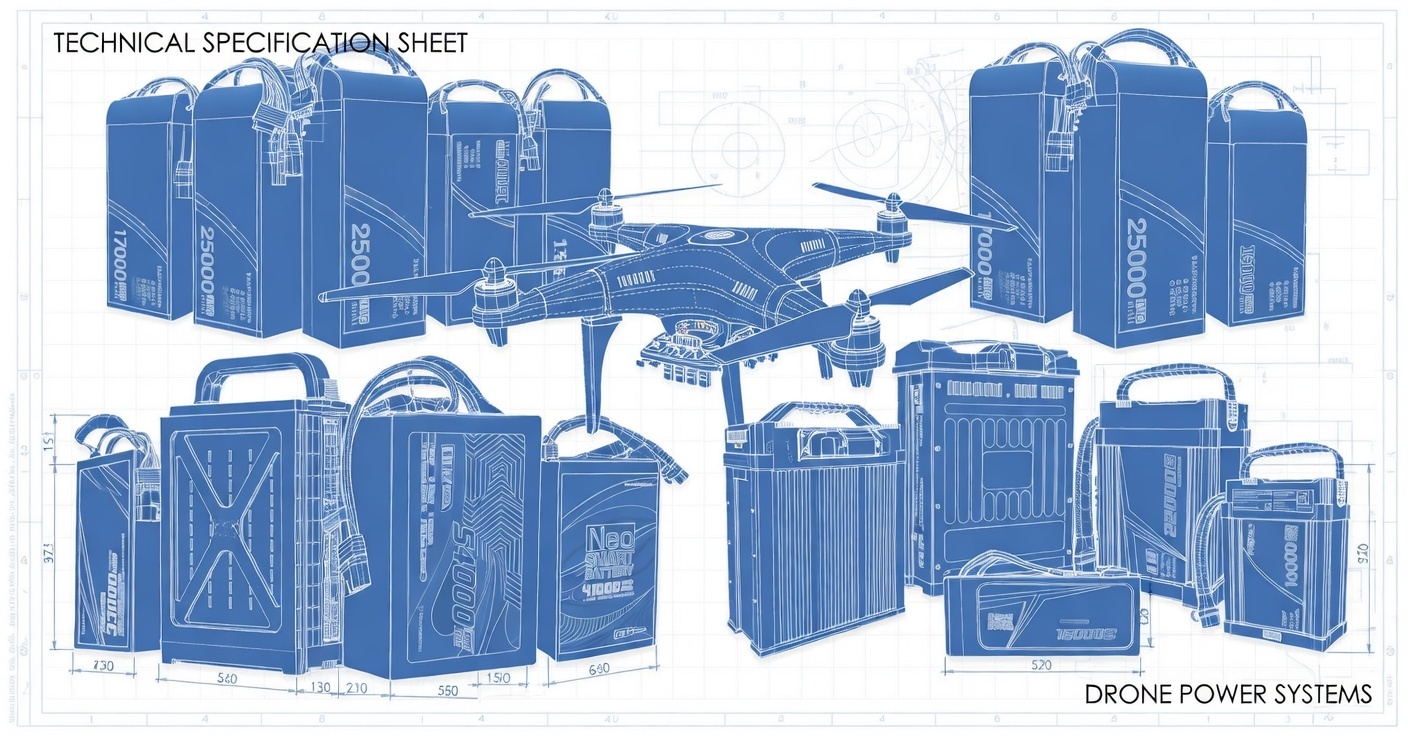
The agricultural industry is experiencing a revolutionary transformation, and at the heart of this change lies one critical component: drone batteries. For plant protection services, the reliability and performance of your UAV power system can make the difference between a successful harvest season and costly operational downtime. Understanding IP ratings and implementing best practices for your plant protection drone batteries isn’t just technical knowledge—it’s your competitive advantage.
Why Battery Quality Matters in Agricultural Drone Operations
Plant protection drones operate in some of the most challenging environments imaginable. From pesticide spray missions over rice paddies to fertilizer distribution across vast wheat fields, these unmanned aerial vehicles face moisture, dust, chemical exposure, and extreme temperature variations daily. Your drone battery must withstand these conditions while delivering consistent power output throughout extended flight sessions.
High-quality drone batteries for agricultural applications offer several distinct advantages. First, they provide longer flight times, allowing operators to cover more acreage per charge. Second, they maintain stable voltage output even under heavy payload conditions, ensuring precise spray patterns and accurate application rates. Third, superior batteries feature enhanced safety mechanisms that prevent overheating during intensive summer operations when ambient temperatures can exceed 40°C.
Understanding IP Ratings for Plant Protection Drone Batteries
IP (Ingress Protection) ratings define how well electrical equipment resists solid objects and liquids. For plant protection service drones, understanding these ratings is essential for selecting the right battery system. An IP67 rating, for instance, means complete dust protection and temporary water immersion resistance up to one meter for 30 minutes. IP68 offers even greater water resistance for continuous submersion.
Most professional agricultural drone batteries should maintain at least IP65 certification, providing protection against low-pressure water jets from any direction. This becomes crucial when drones operate in humid conditions or during light rain emergencies. Higher IP ratings correlate directly with battery longevity and reduced maintenance costs over the equipment’s lifecycle.
Best Practices for Maximizing Battery Performance
Storage and Temperature Management
Proper storage significantly extends battery lifespan. Store your plant protection drone batteries in climate-controlled environments between 15°C and 25°C. Never leave batteries in direct sunlight or inside vehicles during hot summer days, as excessive heat accelerates chemical degradation within lithium polymer cells.
During winter months, maintain storage temperatures above 0°C to prevent capacity loss. Use insulated storage containers when transporting batteries between job sites, especially during seasonal transitions when temperature fluctuations are most dramatic.
Charging Protocol Optimization
Develop consistent charging routines that maximize battery health. Always use manufacturer-approved chargers specifically designed for your drone battery model. Avoid fast-charging unless absolutely necessary, as rapid charging generates additional heat that stresses battery cells.
Charge batteries to approximately 60-70% capacity for long-term storage. Never store batteries fully charged or completely depleted, as both extremes accelerate aging. Implement a rotation system where multiple battery packs share workload equally, preventing individual units from experiencing disproportionate wear.
Pre-Flight Inspection Procedures
Before each mission, conduct thorough battery inspections. Check for physical damage, swelling, or corrosion on connection terminals. Verify voltage levels across all cells to ensure balanced charging. Any cell showing significant voltage deviation should trigger immediate replacement protocols.
Monitor battery temperature during operation using built-in sensors or external monitoring systems. If battery temperature exceeds manufacturer specifications during flight, land immediately and allow cooling before continuing operations.
Step-by-Step Guide: Implementing Battery Management Systems
Step 1: Inventory and Documentation
Create comprehensive records for each battery pack in your fleet. Document purchase dates, cycle counts, maintenance history, and performance metrics. This data becomes invaluable for predicting replacement schedules and identifying underperforming units before they fail during critical operations.
Step 2: Establish Maintenance Schedules
Develop regular maintenance calendars based on usage intensity. High-frequency operations may require weekly inspections, while seasonal users might schedule monthly check-ups. Include terminal cleaning, connection testing, and capacity verification in each maintenance session.
Step 3: Training Personnel
Ensure all operators understand proper battery handling procedures. Conduct training sessions covering safe charging practices, storage requirements, and emergency protocols. Well-trained staff reduce accidental damage and extend overall fleet battery life by 30-40%.
Step 4: Monitor Performance Metrics
Track key performance indicators including flight time per charge, voltage stability, and temperature profiles. Use this data to identify trends and make informed decisions about battery replacement timing. Modern battery management systems can automate much of this monitoring process.
Step 5: Plan Replacement Cycles
Budget for systematic battery replacement based on cycle counts and performance degradation. Most professional agricultural drone batteries maintain optimal performance for 300-500 charge cycles. Plan replacements before significant capacity loss affects operational efficiency.
Real-World Example: Rice Farm Operation Success
Consider a plant protection service operating across 500 hectares of rice farmland in southern China. The team deployed eight drones equipped with IP67-rated batteries, implementing comprehensive management protocols. Through proper storage, regular maintenance, and operator training, they achieved 95% mission completion rates during the peak spraying season.
Battery-related downtime decreased by 60% compared to previous seasons when informal management practices were used. The investment in quality batteries and systematic care paid dividends through reduced replacement costs and increased customer satisfaction. Flight times remained consistent throughout the season, enabling accurate cost estimation and reliable service delivery.
Environmental Considerations and Sustainability
Responsible battery management extends beyond operational efficiency. Proper disposal of end-of-life batteries prevents environmental contamination. Partner with certified recycling facilities that specialize in lithium battery processing. Many manufacturers now offer take-back programs that ensure responsible recycling while potentially providing credits toward new battery purchases.
Consider the total cost of ownership when selecting battery systems. While premium batteries may cost 20-30% more initially, their extended lifespan and reduced failure rates often result in lower long-term expenses. Calculate return on investment based on complete lifecycle costs rather than purchase price alone.
Future-Proofing Your Battery Investment
Technology continues evolving rapidly in the agricultural drone sector. When selecting batteries, consider compatibility with future drone models and charging systems. Modular battery designs offer flexibility as your fleet expands or upgrades. Invest in smart battery systems that provide detailed performance data, enabling predictive maintenance and optimized operations.
Stay informed about emerging battery technologies including solid-state cells and improved energy density solutions. While these may not be immediately available, understanding development trajectories helps inform strategic purchasing decisions.
Conclusion: Taking Action Today
The success of your plant protection service depends heavily on reliable drone battery performance. By understanding IP ratings, implementing systematic management practices, and investing in quality equipment, you position your operation for sustained growth and profitability.
Don’t let battery failures compromise your reputation or profitability. Start implementing these best practices immediately, and watch your operational efficiency improve dramatically. For personalized guidance on selecting the right drone battery solutions for your specific agricultural applications, reach out to our expert team.
Contact us today to discuss your plant protection drone battery needs and discover how optimized power systems can transform your agricultural service operations. Visit our dedicated support page at https://cnsbattery.com/drone-battery-home/drone-battery-contact for comprehensive product information and technical assistance.
Your drones are only as reliable as their power sources. Make the smart choice for your agricultural future by prioritizing battery quality and management excellence. The fields are waiting, and with the right battery strategy, you’ll be ready to serve them efficiently season after season.