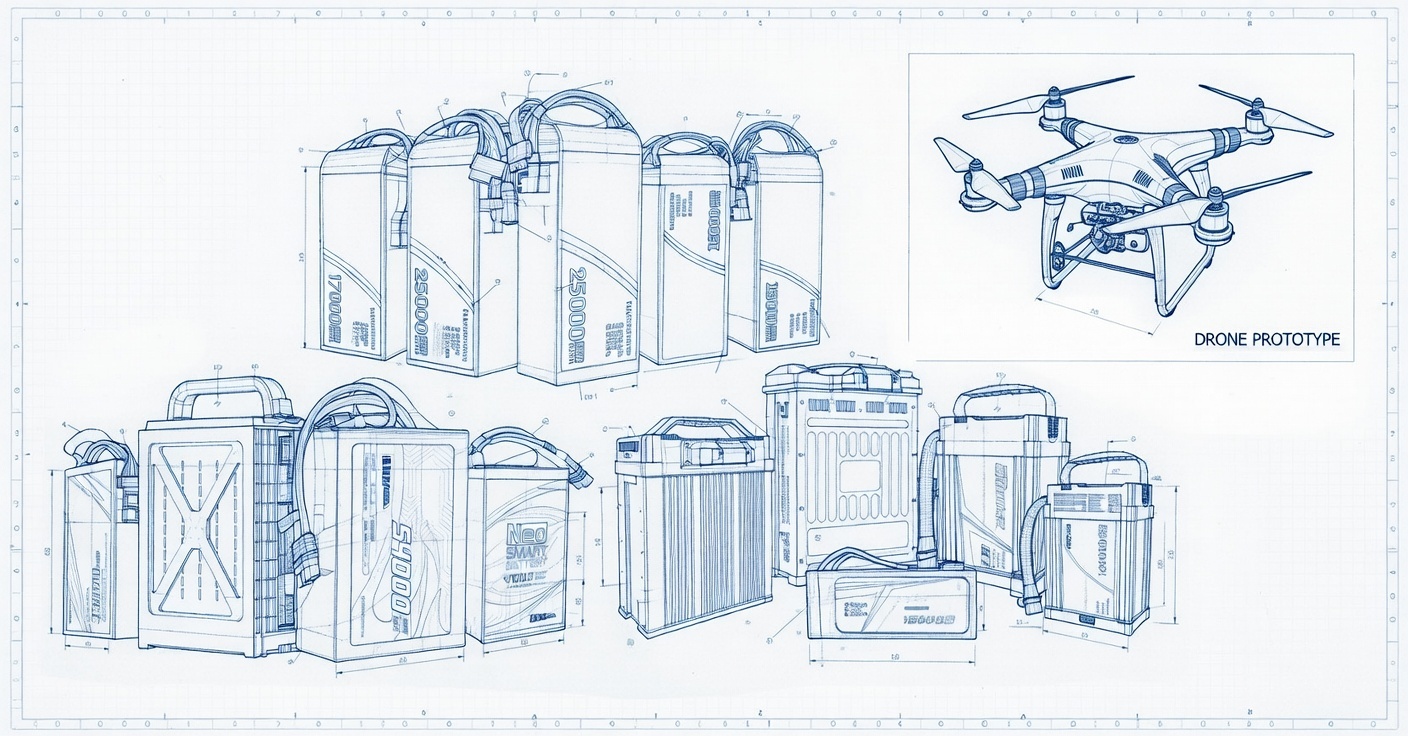
The rapid expansion of e-commerce drone delivery networks has transformed last-mile logistics, but it has also introduced a complex web of regulatory challenges that fleet operators cannot afford to ignore. As we navigate through 2026, drone battery procurement has become one of the most critical compliance bottlenecks facing the industry. From stringent transportation regulations to evolving environmental standards, e-commerce companies operating drone fleets must master a labyrinth of requirements or face severe penalties, operational disruptions, and reputational damage.
The Critical Compliance Challenges Facing Drone Fleet Operators in 2026
The landscape of drone battery regulation has shifted dramatically. Fleet operators now confront multiple overlapping jurisdictions, each with distinct requirements that can conflict or compound. The primary challenges include:
- Transportation Safety Regulations: The International Air Transport Association (IATA) implemented sweeping changes to lithium battery shipping rules effective January 1, 2026. All lithium cells and batteries exceeding 2.7Wh must now be transported at no more than 30% state of charge (SOC), a mandatory requirement that was previously only recommended.
- Regional Certification Divergence: Different markets demand different certifications. The European Union’s Battery Regulation (EU) 2023/1542 requires battery passports for industrial batteries over 2kWh starting in 2026, while the FAA maintains separate hazardous materials protocols for U.S. operations.
- Documentation Complexity: Every battery shipment requires UN 38.3 testing certification, proper hazard labeling, and detailed shipping declarations. Missing or incorrect documentation can result in customs holds, fines, or complete shipment rejection.
- Supply Chain Transparency: New due diligence requirements mandate traceability of battery materials, including cobalt, lithium, and nickel sourcing. Non-compliance can trigger platform bans on major e-commerce marketplaces.
Understanding the Core Regulatory Framework
International Transportation Standards
The IATA Dangerous Goods Regulations (DGR) 66th Edition serves as the global baseline for lithium battery transportation. For drone fleet operators, this means:
Key Requirements:
- UN 3480 classification for standalone lithium-ion batteries
- UN 3481 for batteries packed with or installed in equipment
- State of Charge (SOC) must not exceed 30% for batteries over 2.7Wh
- Proper packaging meeting PI 965-968 standards with 3-meter stacking test validation
- Class 9 hazardous materials labeling with lithium battery handling marks
According to the Federal Aviation Administration’s SafeCargo program, more than 261,000 tons of dangerous goods are transported by air annually in the United States alone, with lithium batteries representing a significant portion of hazardous material shipments.
Regional Market-Specific Requirements
European Union Compliance:
The EU Battery Regulation represents the world’s most stringent battery compliance framework. Starting in 2026, operators must:
- Obtain Battery Passport documentation with QR codes containing chemical composition, carbon footprint, and cycle life data
- Register for Extended Producer Responsibility (EPR) in each member state
- Submit annual reports on battery volumes and weights by category
- Pay eco-fees ranging from 0.5 to 8 euros per kilogram depending on the country
United States Framework:
The FAA maintains oversight through Part 107 regulations for commercial drone operations, while the Pipeline and Hazardous Materials Safety Administration (PHMSA) governs battery transportation. Key considerations include:
- Remote ID compliance for all commercial drones
- Proper hazardous materials training for all personnel handling batteries
- Emergency response information accompanying all shipments
Asia-Pacific Variations:
China’s 2026 Foreign Trade Law introduces enhanced intellectual property protections and national security reviews for battery technology transfers. Japan and South Korea maintain separate certification requirements through PSE and KC marks respectively.
Building a Compliant Procurement Strategy
Supplier Qualification Checklist
Not all battery suppliers are created equal. Fleet operators must implement rigorous vendor assessment protocols:
✓ Certification Verification: Request current UN 38.3 test reports, IEC 62133-2 safety certifications, and region-specific approvals (CE, UL, PSE)
✓ Manufacturing Standards: Confirm ISO 9001 quality management and ISO 14001 environmental management certifications
✓ Traceability Systems: Ensure suppliers maintain complete material sourcing documentation for due diligence compliance
✓ Production Capacity: Verify ability to meet volume requirements while maintaining consistent quality standards
✓ After-Sales Support: Confirm warranty terms, replacement policies, and technical support availability
Documentation Management Best Practices
Maintaining comprehensive records is not optional—it’s essential for audit readiness and incident response:
- Centralized Database: Implement a digital system tracking every battery’s serial number, purchase date, certification documents, and usage history
- Expiration Monitoring: Track certification validity dates and schedule renewals 90 days before expiration
- Shipping Records: Archive all dangerous goods declarations, airway bills, and customs documentation for minimum 5 years
- Incident Logs: Document any battery-related safety incidents, including thermal events, swelling, or premature failures
Risk Mitigation and Operational Continuity
Common Compliance Pitfalls to Avoid
Mistake #1: Assuming CE Marking Covers Battery Requirements
Many operators mistakenly believe CE certification for their drones automatically covers battery compliance. In reality, batteries require separate EN 62133-2 safety testing including 13kN crush tests and 130°C thermal abuse validation.
Mistake #2: Neglecting State of Charge Requirements
Shipping batteries at full charge to maximize immediate usability violates IATA regulations and creates significant safety risks. Always verify SOC documentation before accepting shipments.
Mistake #3: Overlooking End-of-Life Obligations
Battery disposal regulations vary significantly by jurisdiction. Failure to establish proper recycling channels can result in substantial fines and environmental liability.
Emergency Response Preparedness
Every facility handling drone batteries must maintain:
- Class D fire extinguishers specifically rated for lithium battery fires
- Spill containment kits for electrolyte leaks
- Trained personnel certified in hazardous materials response
- Clear evacuation procedures and emergency contact protocols
Actionable Steps for Compliance Excellence
Achieving and maintaining regulatory compliance requires systematic effort and ongoing vigilance. Here’s your roadmap:
Immediate Actions (30 Days):
- Audit current battery inventory for certification compliance
- Review all supplier agreements for regulatory responsibility allocation
- Train all warehouse staff on hazardous materials handling requirements
- Update shipping procedures to reflect 30% SOC requirements
Medium-Term Initiatives (90 Days):
- Implement battery tracking software with passport capability
- Establish relationships with certified recycling partners
- Conduct mock audits to identify compliance gaps
- Develop contingency plans for supply chain disruptions
Long-Term Strategy (12 Months):
- Diversify supplier base across multiple geographic regions
- Invest in battery health monitoring technology
- Participate in industry working groups shaping future regulations
- Build internal compliance expertise through certification programs
The Business Case for Compliance Investment
While regulatory compliance requires upfront investment, the cost of non-compliance far exceeds prevention expenses. Consider:
- Amazon and major platforms now automatically suspend sellers lacking proper battery compliance documentation
- EU fines for Battery Regulation violations can reach €10 million or 2% of global annual turnover
- Shipment delays from customs holds can disrupt delivery promises and damage customer relationships
- Insurance premiums increase significantly for operators with compliance violations on record
Moving Forward with Confidence
The regulatory environment for drone battery procurement will continue evolving as the industry matures. Successful e-commerce drone fleet operators treat compliance not as a burden, but as a competitive advantage that builds customer trust and enables sustainable growth.
Staying ahead requires partnership with knowledgeable suppliers who understand the complex intersection of aviation safety, environmental regulation, and international trade law. The right battery partner doesn’t just provide products—they deliver peace of mind through comprehensive compliance support.
Ready to secure your drone fleet’s battery supply chain with fully compliant, certified solutions? Our team specializes in e-commerce drone battery procurement with complete regulatory documentation, global certification coverage, and dedicated compliance support. Visit our contact page at https://cnsbattery.com/drone-battery-home/drone-battery-contact to discuss your specific requirements and discover how we can help your fleet operate safely, legally, and efficiently in any market worldwide.
The future of drone delivery belongs to operators who master compliance today. Don’t let regulatory complexity ground your ambitions—take action now and build a foundation for sustainable success.