
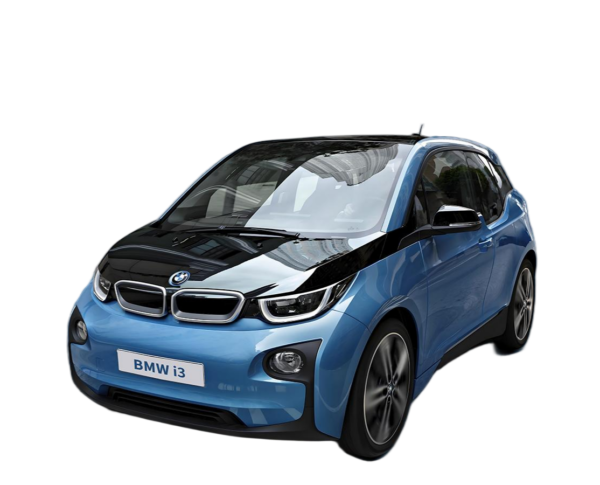
Is Your BMW i3 Showing Battery Warning Lights After Replacement?
You’ve just invested in a new BMW i3 battery, installed it carefully, and turned the ignition key. But instead of a smooth start, your dashboard flashes warning messages. The range display shows incorrect data. Your vehicle refuses to recognize the new power source.
Sound familiar?
You’re not alone. Thousands of BMW i3 owners face this exact scenario every year. The truth is, battery replacement is only half the battle. Without proper BMW i3 battery registration, your vehicle’s Battery Management System (BMS) won’t communicate correctly with the new battery pack.
This comprehensive guide walks you through everything you need to know about the BMW i3 battery registration process – from understanding why it matters to completing each step successfully. Whether you’re a DIY enthusiast or working with a professional technician, this article ensures you avoid costly mistakes.
Why BMW i3 Battery Registration Cannot Be Skipped
The Hidden Step Most Owners Miss
When you replace your BMW i3 battery, the vehicle’s computer system still remembers the old battery’s characteristics. This includes discharge patterns, capacity levels, and charging history. Without registration, the BMS continues operating based on outdated data.
What happens if you skip registration?
- Incorrect range estimates on your dashboard
- Reduced charging efficiency
- Premature battery degradation warnings
- Potential warranty complications
- Limited access to full battery capacity
The BMW i3 battery registration process tells your vehicle’s computer that a new power source has been installed. This allows the BMS to reset its learning parameters and optimize performance for your specific battery configuration.
Understanding the BMW i3 Battery Management System
The BMW i3 uses a sophisticated lithium-ion battery management system that monitors every cell within the pack. This system tracks:
- Individual cell voltage levels
- Temperature variations across modules
- Charging and discharging cycles
- Overall state of health (SOH)
- State of charge (SOC) calculations
When you install a new BMW i3 battery module or complete pack, these parameters need recalibration. The registration process essentially introduces the new battery to the vehicle’s computer, allowing it to build accurate performance profiles from scratch.
Step-by-Step BMW i3 Battery Registration Guide
Preparation Before Starting Registration
Before attempting BMW i3 battery registration, ensure you have the following:
Required Tools and Equipment:
- OBD-II diagnostic scanner compatible with BMW vehicles
- BMW-specific software (ISTA, Rheingold, or BimmerCode)
- Fully charged 12V auxiliary battery
- Stable power supply during the process
- Vehicle parked in a well-ventilated area
Safety Precautions:
- Wear insulated gloves when handling high-voltage components
- Ensure the vehicle is in Park mode with parking brake engaged
- Disconnect the 12V battery negative terminal before working on high-voltage systems
- Wait at least 10 minutes after disconnecting for capacitor discharge
The Registration Process Explained
Step 1: Connect Your Diagnostic Tool
Locate the OBD-II port in your BMW i3, typically found under the dashboard on the driver’s side. Connect your compatible diagnostic scanner securely. Ensure your laptop or tablet has sufficient battery life, or keep it plugged into a power source throughout the process.
Step 2: Access the Battery Management Module
Launch your BMW diagnostic software and navigate to the Battery Management System section. Select your specific i3 model year and battery configuration (45kWh, 50kWh, or 62kWh). The software will establish communication with the vehicle’s control units.
Step 3: Initiate Battery Replacement Procedure
Within the diagnostic menu, locate the Battery Replacement or Battery Registration function. This may appear under different names depending on your software version:
- “Replace High Voltage Battery”
- “Battery Pack Initialization”
- “BMS Reset Procedure”
- “New Battery Registration”
Select the appropriate option for your situation.
Step 4: Enter Battery Specifications
The system will prompt you to input new battery information. This includes:
- Battery capacity (kWh rating)
- Battery type (lithium-ion configuration)
- Manufacturing date or batch number
- Module configuration details
Accuracy here is critical. Incorrect data entry can lead to performance issues down the road.
Step 5: Complete the Registration Sequence
Follow the on-screen instructions carefully. The software will communicate with multiple control units throughout the vehicle. This process typically takes 15 to 30 minutes. Do not interrupt the procedure once it begins.
The system will:
- Clear old battery fault codes
- Reset charging parameters
- Calibrate state-of-charge calculations
- Initialize new battery monitoring protocols
Step 6: Verify Successful Registration
After completion, the diagnostic tool will confirm successful registration. Clear any remaining fault codes and perform a system scan to ensure no errors persist. Start the vehicle and check the dashboard display for accurate range information.
Common BMW i3 Battery Registration Errors and Solutions
Error Code: Battery Not Recognized
Problem: The vehicle refuses to acknowledge the new battery after registration attempts.
Solution:
- Verify all high-voltage connectors are fully seated
- Check the 12V auxiliary battery voltage (should be above 12.5V)
- Ensure diagnostic software is updated to the latest version
- Try the registration process again with a different diagnostic tool
Error Code: Registration Timeout
Problem: The registration procedure stops midway with a timeout message.
Solution:
- Connect a battery maintainer to the 12V system during registration
- Close all unnecessary applications on your diagnostic device
- Ensure stable internet connection if software requires online verification
- Restart the vehicle and diagnostic equipment before retrying
Error Code: Incompatible Battery Configuration
Problem: The system rejects the battery specifications you entered.
Solution:
- Double-check your battery’s actual capacity and configuration
- Verify you selected the correct model year in the software
- Contact your battery supplier for specific registration parameters
- Some aftermarket batteries require custom coding sequences
Benefits of Professional BMW i3 Battery Registration
Why Consider Expert Assistance?
While DIY registration is possible, professional battery registration offers distinct advantages:
Accuracy and Reliability
Professional technicians use dealer-level diagnostic equipment with direct BMW server access. This ensures complete compatibility and reduces the risk of registration errors that could affect long-term battery performance.
Warranty Protection
Many BMW i3 battery suppliers, including CNS BATTERY, require professional installation and registration documentation for warranty validation. Proper registration creates a verifiable service record that protects your investment.
Time Efficiency
Experienced technicians complete the battery registration process in half the time it takes most DIY enthusiasts. This gets you back on the road faster with confidence in the work performed.
Comprehensive System Check
Professionals don’t just register the battery. They perform complete system diagnostics, checking cooling systems, high-voltage cables, and charging components. This holistic approach identifies potential issues before they become problems.
Maximizing Your BMW i3 Battery Investment
Choose Quality Battery Replacements
The battery registration process works best when paired with high-quality replacement batteries. CNS BATTERY offers BMW i3 series battery solutions featuring:
- Brand-new CATL lithium cells – Same quality tier as original equipment
- Multiple capacity options – 45kWh, 50kWh, and 62kWh configurations
- Extended warranty coverage – 2 years or 80,000 kilometers
- Cost savings – Approximately 50% less than dealer pricing
- Lifetime technical support – Remote assistance whenever needed
Real Customer Experiences
Lisa K. from Berlin, Germany shared her experience after upgrading her 2017 BMW i3 with a 45kWh CNS battery:
“After the original battery degraded, the dealership quoted €12,000 for replacement. I chose CNS instead. The brand-new CATL cells matched original quality. When I encountered wiring questions during installation, customer service provided remote video guidance within an hour. My range increased from 180km to 290km on full charge. The lifetime technical support is incredible – they even sent me a customized winter charging guide.”
This testimonial highlights the importance of comprehensive support throughout your battery replacement journey, including registration assistance.
Post-Registration Best Practices
Monitoring Your New Battery
After successful BMW i3 battery registration, follow these guidelines:
First 100 Kilometers
- Avoid rapid acceleration and hard braking
- Monitor range display for consistency
- Check for any warning messages on the dashboard
- Complete at least one full charge cycle
First Month
- Track actual range versus displayed estimates
- Note charging times and compare to specifications
- Report any anomalies to your battery supplier immediately
- Schedule a follow-up diagnostic check if possible
Long-Term Maintenance
- Keep software updates current through BMW service centers
- Maintain proper tire pressure for optimal efficiency
- Avoid consistently draining battery below 20%
- Use scheduled charging during off-peak electricity hours
Documentation for Future Reference
Keep records of your battery registration including:
- Date of registration
- Diagnostic tool and software version used
- Battery specifications entered
- Technician contact information (if professionally done)
- Warranty documentation from your battery supplier
This documentation proves invaluable for future service appointments and warranty claims.
Frequently Asked Questions
Q1: Can I drive my BMW i3 without battery registration?
A: Technically yes, but it’s not recommended. The vehicle will operate with reduced efficiency and inaccurate range displays. Long-term driving without registration may cause premature battery wear and void warranty coverage.
Q2: How much does professional BMW i3 battery registration cost?
A: Professional registration typically ranges from $150 to $400 USD depending on your location and service provider. Some battery suppliers include registration support in their purchase price.
Q3: How long does the BMW i3 battery registration process take?
A: The actual registration procedure takes 15 to 30 minutes. However, allow 1-2 hours total for preparation, diagnostics, and verification steps.
Q4: Will battery registration erase my vehicle’s other settings?
A: No. The battery registration process only affects the Battery Management System. Your radio presets, seat positions, and other personal settings remain unchanged.
Q5: Can I register a used or refurbished BMW i3 battery?
A: Yes, but the process may require additional calibration steps. New batteries from reputable suppliers like CNS BATTERY register more smoothly and come with full warranty protection.
Q6: What happens if battery registration fails multiple times?
A: Repeated failures usually indicate hardware issues such as faulty connectors, weak 12V battery, or incompatible battery specifications. Contact your battery supplier’s technical support for diagnosis.
Q7: Does battery registration affect my BMW i3 warranty?
A: Proper registration using approved methods preserves warranty coverage. However, unauthorized modifications or incorrect procedures may void remaining warranty. Always follow manufacturer guidelines.
Q8: Can I perform BMW i3 battery registration at home?
A: Yes, if you have compatible diagnostic equipment and technical knowledge. However, professional registration provides greater assurance and may be required for warranty validation.
Ready to Upgrade Your BMW i3 Battery?
Don’t let battery registration concerns hold you back from restoring your BMW i3’s performance. With the right knowledge, quality replacement batteries, and proper procedures, you can enjoy extended range, reliable performance, and significant cost savings compared to dealer pricing.
CNS BATTERY stands ready to support your BMW i3 battery journey with:
- Free compatibility assessment – Upload your VIN for instant verification
- Detailed installation guidance – Video tutorials and written manuals
- Remote technical support – Expert assistance via video call
- Comprehensive warranty – 2 years or 80,000 kilometers coverage
- Lifetime support – Ongoing assistance throughout your battery’s lifespan
Take Action Today
Your BMW i3 deserves a power source that delivers confidence every time you turn the key. Don’t settle for degraded range and unreliable performance.
Contact CNS BATTERY now for a free custom quote on your BMW i3 battery replacement. Our technical experts will guide you through every step – from selection to installation to registration – ensuring a seamless transition to renewed driving enjoyment.
Click here to get your personalized BMW i3 battery solution: https://cnsbattery.com/ev-battery-home/ev-battery-contact/
Your electric journey continues with power, reliability, and peace of mind.


