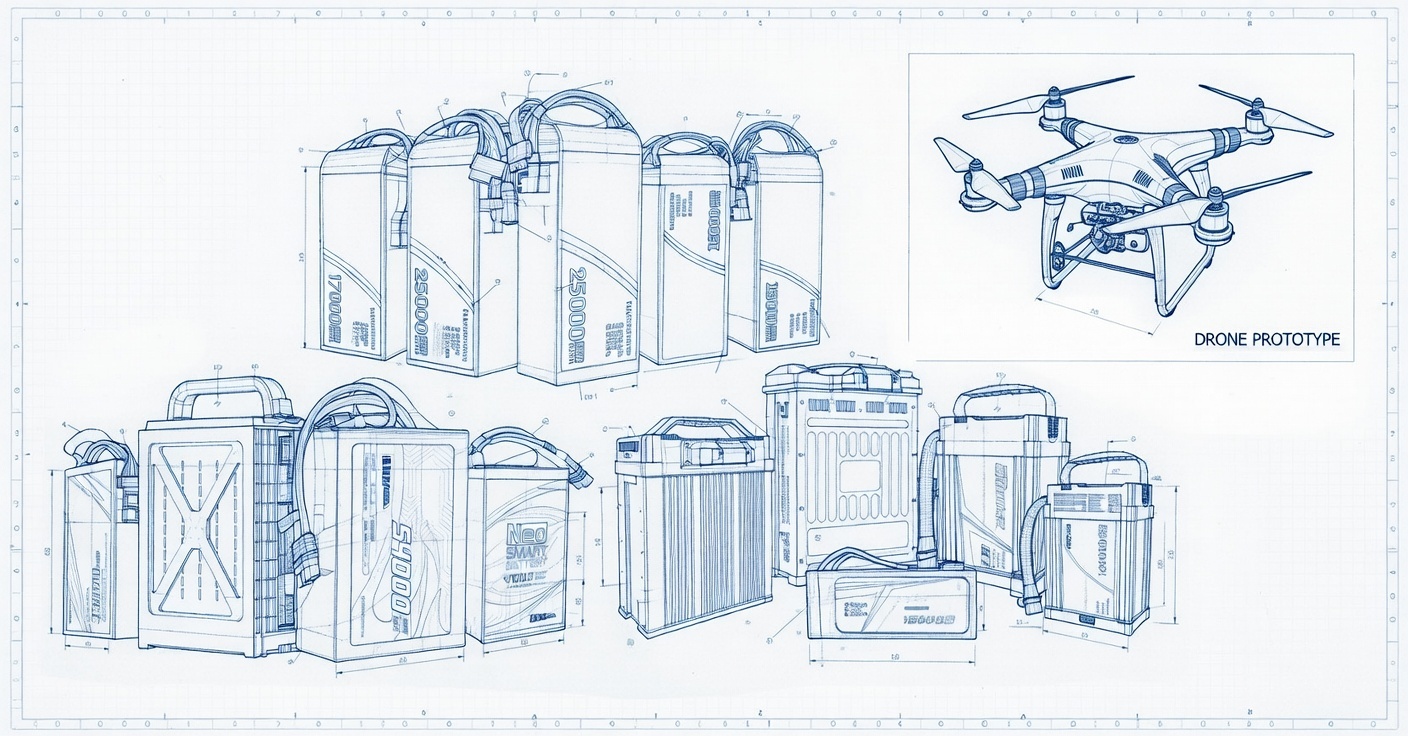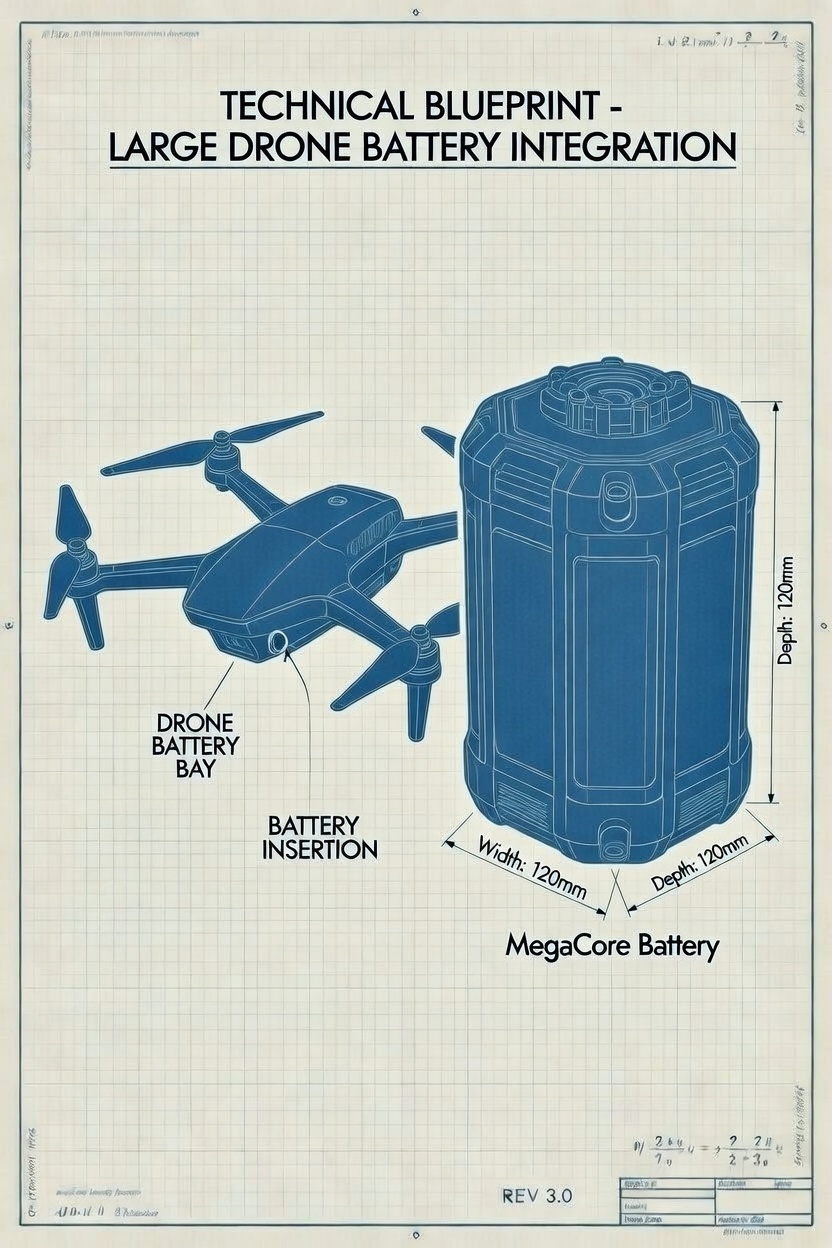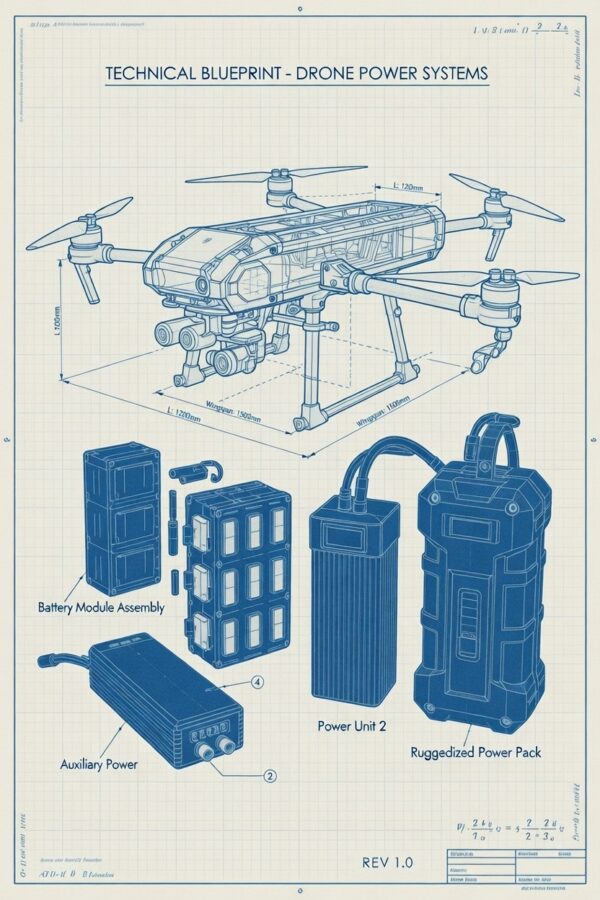
Agricultural drone operations face a critical challenge that many operators overlook until it’s too late: battery incompatibility. When your plant protection drone grounds mid-season due to power system failures, every minute translates to lost crop coverage and revenue. This comprehensive guide addresses the most pressing battery compatibility issues facing agricultural UAV operators in 2026.
Diagnosing Common Plant Protection Drone Battery Problems
The Hidden Cost of Battery Mismatch
Agricultural drone operators frequently encounter three core battery-related challenges that compromise operational efficiency. First, voltage incompatibility between battery packs and drone power management systems causes unexpected shutdowns during critical spraying operations. Second, insufficient discharge rates prevent drones from maintaining stable flight under heavy payload conditions, particularly when carrying full pesticide tanks. Third, inadequate cycle life leads to premature battery replacement, inflating operational costs by 40-60% annually.
Industry data from 2025 agricultural drone surveys reveals that 67% of unplanned downtime stems from power system issues. Operators using mismatched battery configurations report 35% shorter flight times compared to optimized setups. The financial impact extends beyond immediate operational delays—crop treatment windows narrow, pesticide application becomes inconsistent, and overall service quality deteriorates.
Technical Compatibility Red Flags
Several warning signs indicate your current battery configuration may be undermining your plant protection service capabilities. Rapid voltage drops during hover operations suggest insufficient discharge capacity. Excessive heat generation during charging cycles points to poor cell quality or inadequate battery management systems. Inconsistent flight times between supposedly identical batteries reveal cell balancing issues that compromise reliability.
Temperature sensitivity presents another critical concern. Agricultural operations often occur in extreme conditions—from early morning coolness to midday heat exceeding 35°C. Batteries lacking proper thermal management experience capacity loss of up to 25% in high-temperature environments, directly reducing coverage area per charge cycle.
Top Technical Solutions for Plant Protection Drone Batteries
1. High-Capacity LiPo Battery Systems (6S-14S Configuration)
Modern plant protection drones require battery systems matching their power demands. The 6S 22000mAh configuration delivers 22.2V nominal voltage with approximately 488Wh energy capacity, suitable for medium-load agricultural UAVs. For heavier operations, 12S 22000mAh batteries provide 44.4V output with 976.8Wh capacity, enabling extended flight times under full payload conditions.
Key specifications to prioritize include continuous discharge rates of 15C-25C minimum, ensuring stable power delivery during demanding maneuvers. Battery weight typically ranges from 1920g for 6S configurations to 2800g for 12S systems—factors that directly impact payload capacity and flight efficiency. Cycle life expectations should exceed 500-1000 charge cycles with proper maintenance protocols.
2. Smart Battery Management Systems (BMS 2.0)
Advanced battery management technology represents the difference between reliable operations and costly failures. BMS 2.0 systems provide real-time cell monitoring, automatic balancing, and thermal protection features essential for agricultural environments. Smart batteries communicate directly with drone flight controllers, displaying remaining capacity, cell voltage differentials, and temperature status on ground station interfaces.
Cell voltage differential monitoring prevents dangerous imbalances that cause premature battery failure. Quality BMS systems maintain cell variance below 0.05V during operation, extending overall battery lifespan by 30-40%. Temperature sensors trigger protective shutdowns when cells exceed safe operating ranges, preventing thermal runaway scenarios that could damage expensive drone equipment.
3. Semi-Solid State Battery Technology
Emerging semi-solid state battery designs offer enhanced safety and energy density compared to traditional LiPo configurations. These batteries feature gel electrolyte systems that reduce leakage risks while maintaining high discharge capabilities. Energy density improvements of 15-20% translate directly to extended flight times or reduced battery weight for equivalent performance.
Low-temperature performance represents a significant advantage for semi-solid state technology. Operations in early spring or high-altitude regions benefit from capacity retention that exceeds conventional LiPo batteries by 25% in sub-10°C conditions. This technology particularly suits operators working across diverse climate zones throughout growing seasons.
4. Fast-Charging Infrastructure Compatibility
Operational efficiency depends heavily on turnaround time between flight cycles. Battery systems supporting 5C-10C charging rates enable 80% capacity restoration within 15-20 minutes, maximizing daily coverage potential. However, fast-charging capabilities require matching charger specifications and adequate power supply infrastructure.
Investment in multi-bay charging stations allows simultaneous battery preparation, essential for commercial operations managing multiple drones. Smart chargers with balance charging capabilities maintain cell health while reducing overall charging time. Operators should verify charger compatibility with specific battery voltage configurations before deployment.
5. Connector Standardization and Safety Features
AS150U and similar high-current connector standards ensure reliable power delivery without voltage drop or overheating. Connector quality directly impacts system reliability—poor connections cause arcing, increased resistance, and potential failure during critical operations. Standardized connectors simplify battery swaps and reduce operator error during field operations.
Safety features including short-circuit protection, over-discharge prevention, and physical impact resistance protect both battery investment and drone equipment. Water-resistant designs accommodate operations in humid agricultural environments where pesticide spraying creates moisture exposure risks.
Maximizing Return on Battery Investment
Operational Best Practices
Proper battery maintenance extends service life and maintains performance consistency. Storage at 50-60% charge capacity during off-seasons prevents cell degradation. Regular capacity testing identifies weakening batteries before they compromise field operations. Temperature-controlled storage environments preserve battery health during extended non-use periods.
Rotation strategies ensure even wear across battery fleets, preventing premature failure of frequently used packs. Documentation of charge cycles, flight hours, and performance metrics enables data-driven replacement decisions rather than reactive failures during critical seasons.
Cost-Benefit Analysis Framework
Initial battery investment should be evaluated against total cost of ownership rather than upfront price alone. Premium batteries with 1000+ cycle life often deliver lower cost-per-flight-hour compared to budget alternatives requiring replacement after 300-400 cycles. Warranty coverage of 12 months minimum provides protection against manufacturing defects.
Operational efficiency gains from optimized battery systems frequently offset higher initial costs within single growing seasons. Extended flight times reduce battery swap frequency, increasing daily coverage capacity. Reliable power systems minimize unplanned downtime, preserving customer relationships and service reputation.
Summary: Building Your Plant Protection Battery Strategy
Selecting appropriate drone batteries for plant protection services requires balancing technical specifications, operational requirements, and budget constraints. The optimal configuration depends on specific drone models, typical payload weights, and environmental operating conditions. Prioritizing compatibility, safety features, and long-term reliability over initial cost delivers superior operational outcomes.
Key decision factors include voltage configuration matching your drone’s power system, discharge rates supporting your typical payload requirements, and battery management features appropriate for your operational environment. Investment in quality charging infrastructure and maintenance protocols protects battery investment while maximizing operational efficiency.
The agricultural drone industry continues evolving rapidly, with battery technology representing one of the most significant advancement areas. Operators staying informed about technical developments and maintaining flexible battery strategies position themselves for competitive advantage in expanding plant protection service markets.
Ready to optimize your plant protection drone battery configuration? Our technical team specializes in matching battery systems to specific agricultural UAV requirements. Contact us today for customized solutions that maximize your operational efficiency and return on investment.
Get Your Custom Battery Solution: https://cnsbattery.com/drone-battery-home/drone-battery-contact
Our experts will analyze your drone specifications, operational patterns, and budget parameters to recommend the optimal battery configuration for your plant protection service needs. Don’t let power system limitations constrain your agricultural drone potential—partner with specialists who understand the unique demands of commercial plant protection operations.