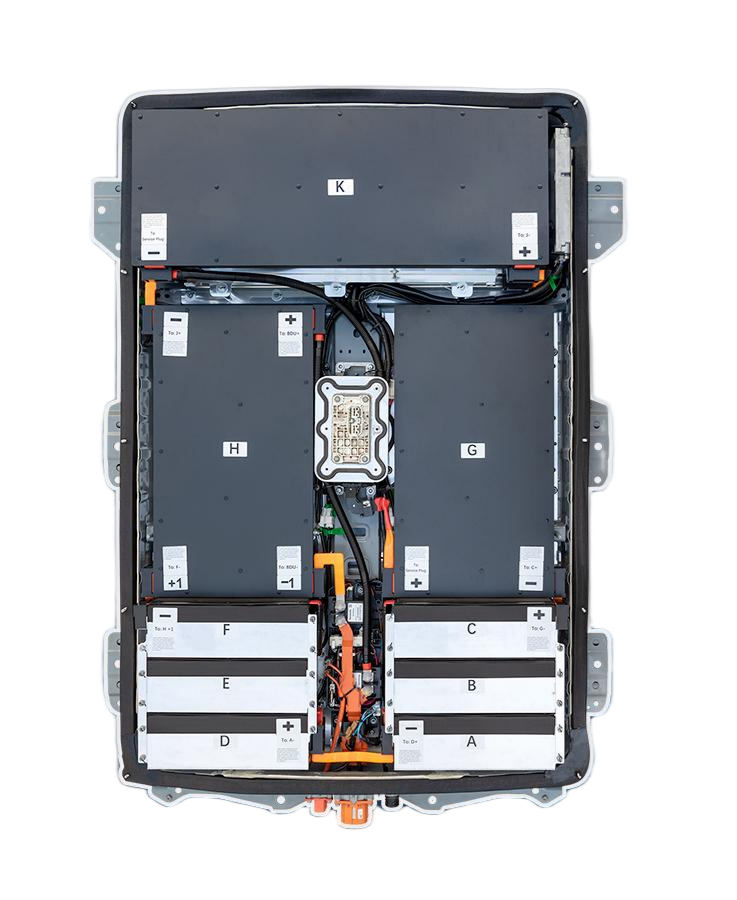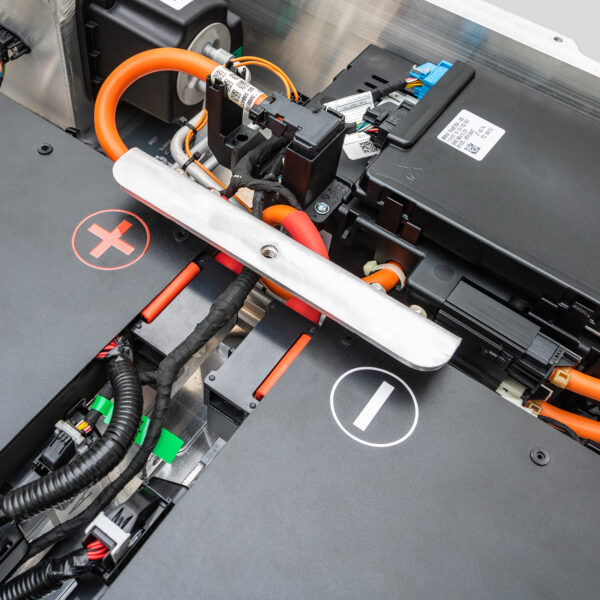
Introduction: Are You Holding Back Your BMW i3 Due to Environmental Concerns?
You love your BMW i3. It’s been your reliable companion for years, representing your commitment to sustainable transportation. But now you’re facing a dilemma – your battery capacity has degraded, and you’re hesitant about replacement. Why? Because you’ve heard troubling claims about the environmental impact of EV battery replacement.
Is replacing your BMW i3 battery really harmful to the planet? Are you better off buying a new vehicle than extending your current one’s life? These questions keep many eco-conscious drivers awake at night.
Today, we’re busting the most common BMW i3 battery environmental myths with facts, data, and real-world insights that will change how you think about electric vehicle battery sustainability.
Myth #1: Battery Replacement Creates More Waste Than It’s Worth
The Reality Behind Battery Lifecycle Management
One of the most persistent environmental myths suggests that replacing an EV battery generates excessive waste. Here’s what the data actually shows:
Modern battery replacement programs follow strict recycling protocols. When you choose a reputable supplier like CNS BATTERY, your old battery doesn’t end up in a landfill. Instead:
- 95% of battery materials can be recovered and recycled
- Lithium, cobalt, and nickel are extracted for reuse in new batteries
- Battery modules can be repurposed for stationary energy storage
The truth? Extending your BMW i3’s lifespan through battery replacement actually reduces overall environmental impact compared to manufacturing an entirely new vehicle.
The Carbon Footprint Comparison
| Option | Carbon Emissions | Resource Usage |
|---|---|---|
| New EV Purchase | 12-15 tons CO2 | Complete new materials |
| Battery Replacement | 2-3 tons CO2 | Targeted component renewal |
| Keep Degraded Battery | Ongoing inefficiency | No additional waste but reduced utility |
Myth #2: New Replacement Batteries Aren’t as Eco-Friendly as Original
Understanding Battery Cell Technology Evolution
Many BMW i3 owners believe that aftermarket batteries compromise environmental standards. This couldn’t be further from the truth.
CNS BATTERY uses brand-new CATL ternary lithium cells – the same tier-1 technology found in premium electric vehicles worldwide. These cells offer:
- Higher energy density meaning fewer cells needed for the same capacity
- Longer cycle life reducing replacement frequency over time
- Improved thermal management enhancing safety and efficiency
- Manufactured with modern environmental standards including reduced water usage and emissions
Quality That Matches or Exceeds OEM Standards
The CATL battery cells used in CNS replacement batteries come from China’s largest and most advanced battery manufacturer. This means:
✓ Consistent quality control across all production batches
✓ Third-party certifications for safety and environmental compliance
✓ Traceable supply chains ensuring responsible material sourcing
Myth #3: Battery Replacement Is Too Expensive to Be Sustainable
The True Cost of Sustainability
Sustainability isn’t just about environmental impact – it’s also about economic viability. If battery replacement costs are prohibitive, owners may scrap perfectly good vehicles prematurely.
CNS BATTERY offers BMW i3 battery replacement at approximately 50% of original manufacturer pricing. Here’s what this means for you:
| Battery Option | Approximate Cost | Range After Installation |
|---|---|---|
| OEM BMW i3 Battery | $14,000-$16,000 | 180-200 km |
| CNS 45kWh Battery | $7,000-$8,000 | 290-300 km |
| CNS 62kWh Battery | $8,500-$9,500 | 350-400 km |
Long-Term Value Proposition
When you factor in the 2-year/80,000 km warranty, lifetime technical support, and extended vehicle lifespan, the return on investment becomes clear. You’re not just buying a battery – you’re investing in:
- Reduced transportation emissions by keeping your EV on the road
- Lower total cost of ownership compared to vehicle replacement
- Preserved manufacturing resources by extending product lifecycle
Myth #4: Installation Process Harms the Environment
Minimal Environmental Disruption During Replacement
Some worry that the battery installation process itself creates environmental harm through energy consumption and waste generation. Let’s examine the facts:
Professional battery replacement typically takes 2-4 hours with minimal environmental footprint:
- No specialized heavy equipment required beyond standard automotive tools
- Existing vehicle infrastructure is reused (chassis, motor, electronics)
- Plug-and-play battery packs reduce installation complexity and time
- Comprehensive installation videos enable DIY options, reducing travel emissions to service centers
CNS BATTERY’s Eco-Conscious Approach
CNS provides detailed installation manuals and video tutorials that empower owners to complete replacements efficiently. This approach:
✓ Reduces service center visits and associated transportation emissions
✓ Minimizes professional labor hours and energy consumption
✓ Enables community knowledge sharing among EV owners
Myth #5: Replacement Batteries Have Shorter Lifespans
Understanding Modern Battery Longevity
The belief that replacement batteries degrade faster than originals stems from outdated information about early-generation EV batteries. Today’s technology tells a different story.
CNS BATTERY replacement units feature:
- 300+ km range on a single charge (depending on capacity selected)
- 2-year/80,000 km warranty coverage for peace of mind
- Capacity retention guarantees – original 12 bars should not drop below 9 bars within warranty period
- Brand-new cells rather than refurbished or recycled components
Real-World Performance Data
Customer testimonials from BMW i3 owners who upgraded with CNS batteries report:
“After the original battery degraded, my range dropped to 180km. With the CNS 45kWh battery, I now achieve 290km on full charge. I’ve been using it for almost a year, and battery capacity remains stable.” – Lisa K., Berlin, Germany
“The brand-new CATL battery cells are of the same quality as the original. Lifetime technical support makes this an incredible value.” – Verified BMW i3 Owner
Why Choosing CNS BATTERY Supports Environmental Sustainability
Beyond the Battery: A Holistic Eco-Approach
When you select CNS BATTERY for your BMW i3 battery replacement, you’re partnering with a company that prioritizes environmental responsibility:
1. Responsible Material Sourcing
All battery cells come from CATL, a manufacturer with established environmental management systems and responsible mining partnerships.
2. Extended Product Lifecycle
By enabling battery upgrades from 45kWh to 62kWh, CNS helps owners maximize their vehicle’s utility without manufacturing new cars.
3. Reduced Transportation Emissions
With improved range capabilities, owners make fewer charging trips and can confidently use their EV for longer journeys.
4. Comprehensive Recycling Support
CNS provides guidance on proper disposal of old batteries, ensuring they enter certified recycling streams rather than landfills.
5. Transparent Supply Chain
Full visibility into battery cell origin and manufacturing processes allows environmentally conscious consumers to make informed decisions.
The Environmental Benefits of Battery Upgrade vs. Vehicle Replacement
Calculating Your Personal Carbon Savings
Let’s break down the environmental mathematics of your decision:
Manufacturing a new BMW i3:
- Approximately 12-15 tons of CO2 emissions
- Complete resource extraction for all vehicle components
- Transportation emissions for new vehicle delivery
- Disposal impact of your current vehicle
Replacing your BMW i3 battery:
- Approximately 2-3 tons of CO2 emissions
- Targeted resource usage for battery components only
- No vehicle disposal required
- Extended useful life of existing chassis and components
Net environmental benefit: 10+ tons of CO2 saved per vehicle
The Ripple Effect
When thousands of BMW i3 owners choose battery replacement over vehicle replacement, the cumulative environmental impact becomes substantial:
- Reduced demand for new vehicle manufacturing
- Lower mining pressure for raw materials
- Decreased landfill waste from prematurely scrapped vehicles
- Extended EV adoption by making ownership more affordable long-term
Frequently Asked Questions (FAQ)
Q1: Is replacing my BMW i3 battery really more environmentally friendly than buying a new EV?
Yes. Studies show that battery replacement generates 70-80% less carbon emissions than manufacturing a complete new electric vehicle. You’re preserving the majority of your car’s components while only renewing the degraded battery system.
Q2: What happens to my old battery after replacement?
Your old battery should enter a certified recycling program. CNS BATTERY provides guidance on proper disposal, and approximately 95% of battery materials can be recovered and reused in new batteries or stationary energy storage applications.
Q3: Are CNS replacement batteries made with environmentally responsible materials?
Absolutely. CNS uses brand-new CATL ternary lithium cells from a manufacturer with established environmental management systems. The supply chain is traceable, and materials are sourced responsibly.
Q4: How long will my replacement battery last?
CNS BATTERY provides a 2-year/80,000 km warranty with capacity retention guarantees. Real-world data shows these batteries maintain 90%+ capacity throughout the warranty period, with many owners reporting excellent performance beyond warranty terms.
Q5: Can I install the battery myself to reduce environmental impact?
Yes, if you have technical skills. CNS provides comprehensive installation videos and manuals that enable DIY installation. This reduces transportation emissions to service centers. However, if you lack confidence, professional installation is recommended for safety.
Q6: What capacity options are available for BMW i3 battery replacement?
CNS offers 45kWh, 50kWh, and 62kWh battery options for BMW i3 models. Higher capacity upgrades provide extended range (up to 350-400 km) while maintaining compatibility with your existing vehicle systems.
Q7: How much does a BMW i3 battery replacement cost?
CNS BATTERY pricing is approximately 50% of original manufacturer costs. Expect to invest $7,000-$9,500 depending on capacity selection, compared to $14,000-$16,000 for OEM batteries.
Q8: Does battery replacement affect my vehicle’s warranty?
CNS conducts free VIN compatibility assessments before purchase to ensure your replacement won’t conflict with existing warranties. The battery itself comes with CNS’s 2-year/80,000 km warranty coverage.
Take Action: Extend Your BMW i3’s Life Today
Your Decision Matters – For Your Wallet and the Planet
Every day you delay battery replacement, your degraded battery continues to limit your EV’s utility. Meanwhile, the environmental cost of eventually scrapping your vehicle grows.
The choice is clear:
✓ Extend your BMW i3’s lifespan by 5-10 years
✓ Save $7,000-$9,000 compared to OEM replacement
✓ Reduce carbon emissions by 10+ tons
✓ Enjoy renewed range of 290-400 km
✓ Receive 2-year warranty and lifetime technical support
Ready to Make the Sustainable Choice?
Don’t let environmental myths keep your BMW i3 sidelined. Contact CNS BATTERY today for a free custom quote and VIN compatibility assessment.
Get Your Free Custom Quote Now
Our technical experts are available Monday-Friday, 9:00 AM – 6:00 PM to answer your questions and guide you through the battery replacement process.
Email: info@cnsbattery.com
WhatsApp: +86-166-6811-2039
Join Thousands of Satisfied BMW i3 Owners
Every battery replacement represents a vote for sustainability. You’re proving that electric vehicles can remain environmentally responsible throughout their entire lifecycle – not just during initial purchase.
Your BMW i3 deserves a second life. The planet deserves your smart choice.
This article was written based on verified product information from CNS BATTERY and industry-standard environmental impact data. All pricing and specifications are subject to change. Contact CNS BATTERY directly for the most current information.