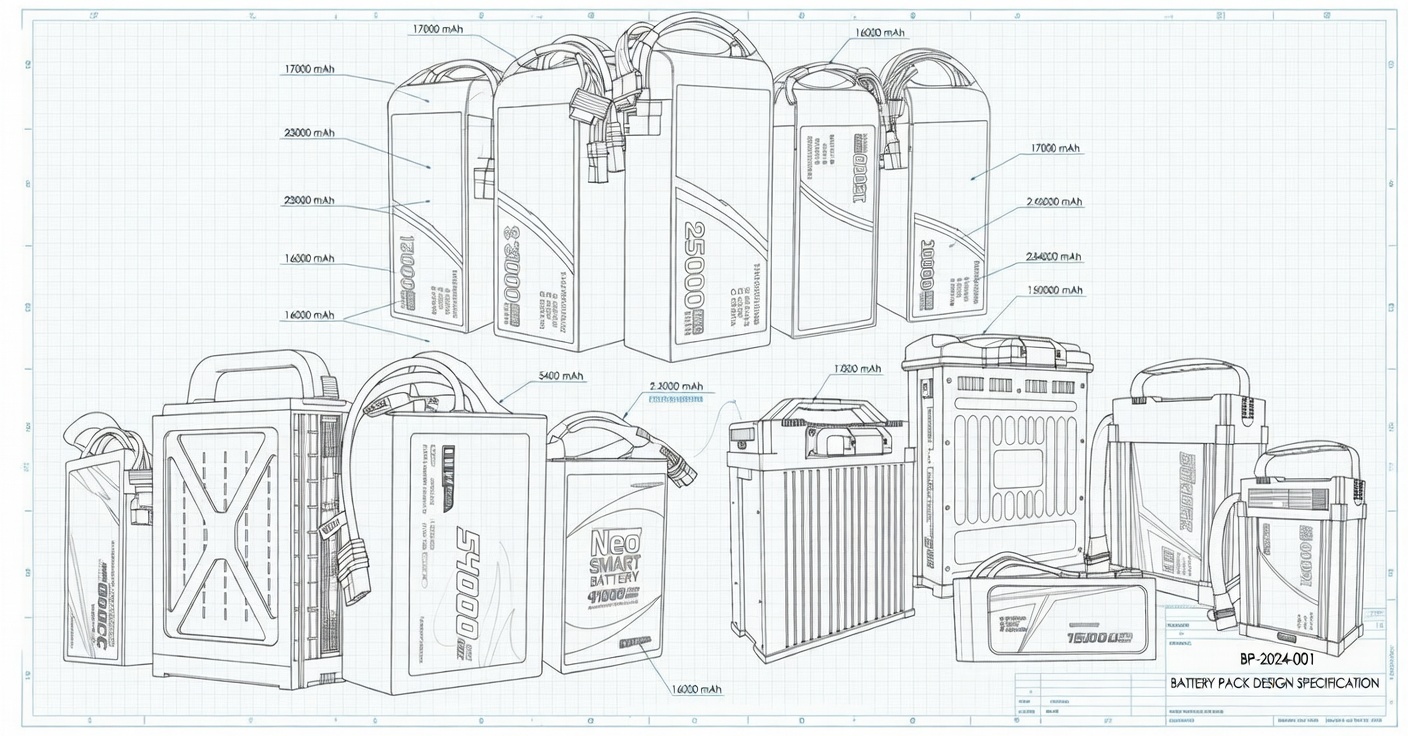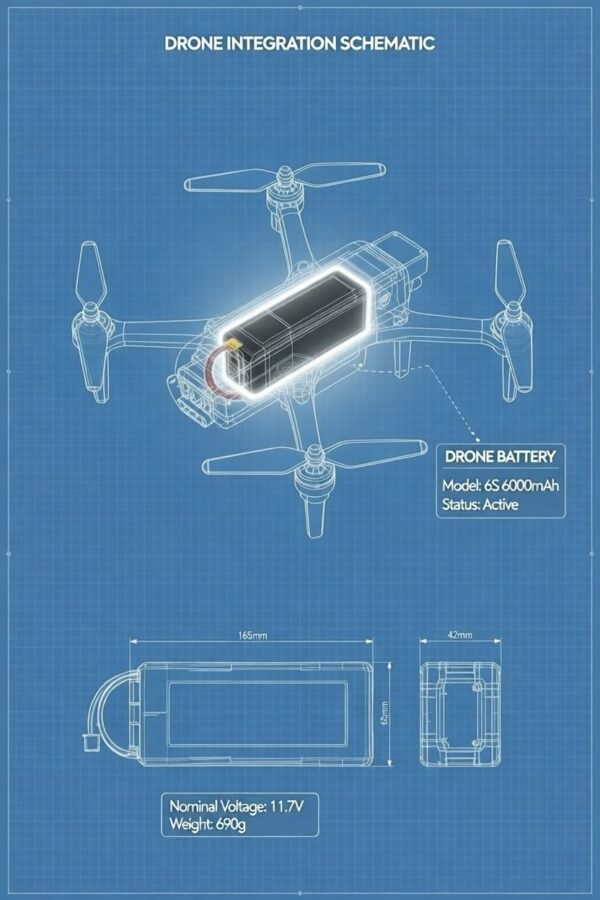
The rapid expansion of drone technology in infrastructure inspection has created unprecedented demand for high-performance lithium batteries. However, beneath the surface of this technological revolution lies a complex web of recycling compliance challenges that procurement managers and sustainability officers must navigate. For infrastructure inspection companies making bulk battery purchases, understanding these regulatory requirements isn’t just about avoiding fines—it’s about building a sustainable competitive advantage.
The Hidden Compliance Crisis in Drone Battery Procurement
Infrastructure inspection companies operate in a highly regulated environment. From power line monitoring to bridge assessments, these organizations depend on reliable drone fleets powered by lithium-ion batteries. Yet, many procurement teams underestimate the compliance burden associated with battery end-of-life management.
The core pain points include:
Regulatory Fragmentation: Different regions enforce varying recycling standards. The European Union’s Battery Regulation 2023 sets strict collection and recycling targets, while the United States maintains a patchwork of state-level requirements. China’s New Energy Vehicle Battery Recycling Policy influences global supply chains, affecting battery availability and pricing.
Documentation Gaps: Bulk purchasers often lack proper chain-of-custody documentation. Without certified recycling partners, companies risk non-compliance penalties that can reach six figures annually.
Supply Chain Transparency: Many battery manufacturers provide limited visibility into their recycling programs. This opacity creates liability exposure for downstream users, particularly in industries subject to environmental audits.
Cost Uncertainty: Hidden recycling fees and disposal costs frequently emerge after purchase, disrupting budget forecasts and total cost of ownership calculations.
Building a Compliance-First Procurement Strategy
Successful infrastructure inspection companies treat recycling compliance as a strategic procurement criterion, not an afterthought. Here’s how to integrate compliance into your battery purchasing framework:
Evaluate Manufacturer Certification Programs
Prioritize suppliers with recognized environmental certifications. ISO 14001 environmental management systems demonstrate organizational commitment to sustainability. Additionally, look for manufacturers participating in extended producer responsibility (EPR) schemes, which shift recycling obligations upstream.
Demand Complete Documentation Packages
Your procurement contracts should specify documentation requirements including:
- Battery chemistry composition reports
- Recycling pathway certificates
- Transportation compliance documentation (UN38.3 testing)
- End-of-life handling instructions
- Regional compliance declarations
Establish Verified Recycling Partnerships
Develop relationships with certified e-waste recyclers before making bulk purchases. These partners should provide:
- Certified destruction certificates
- Material recovery rate reports
- Compliance audit trails
- Regional collection network coverage
Key Features of Compliant Drone Battery Solutions
When evaluating battery suppliers for infrastructure inspection operations, consider these essential compliance features:
Certified Recycling Programs: Suppliers should offer take-back programs with documented recycling rates exceeding 70% for lithium-ion batteries. This ensures responsible end-of-life management aligned with emerging regulations.
Regional Compliance Coverage: Battery solutions must meet requirements across all operational territories. Multi-region compliance reduces administrative burden for companies operating across borders.
Transparent Material Sourcing: Ethical sourcing documentation demonstrates supply chain due diligence, increasingly important for ESG reporting and investor relations.
Battery Passport Integration: Emerging digital battery passports track lifecycle data from production through recycling. Early adoption positions companies ahead of mandatory requirements expected by 2027.
Bulk Purchase Incentives: Compliant suppliers often provide volume-based recycling fee reductions, improving total cost of ownership for fleet operators.
Real-World Compliance Success Stories
Consider the experience of a major power utility inspection contractor operating across North America and Europe. Facing potential non-compliance penalties, they implemented a comprehensive battery procurement overhaul. By partnering with certified suppliers offering complete recycling documentation, they reduced compliance-related costs by 43% within 18 months.
Another case involves a bridge inspection company that previously disposed of batteries through general waste channels. After regulatory audits revealed violations, they transitioned to a certified recycling program. The investment in compliance not only eliminated penalty exposure but also enhanced their bidding competitiveness for government contracts requiring environmental stewardship.
These examples demonstrate that compliance investments deliver measurable returns beyond risk mitigation.
Frequently Asked Questions
Q: What recycling compliance requirements apply to drone batteries used in infrastructure inspection?
A: Requirements vary by jurisdiction. In the EU, the Battery Regulation mandates minimum recycling efficiency rates and collection targets. In the US, state laws like California’s SB 1215 establish specific disposal requirements. Always verify local regulations before bulk purchasing.
Q: How can I verify a supplier’s recycling claims?
A: Request third-party certification documents such as R2 (Responsible Recycling) or e-Stewards certification. Ask for audit reports and recycling partner documentation. Reputable suppliers welcome verification requests.
Q: What happens if we fail to comply with battery recycling regulations?
A: Penalties range from fines proportional to violation severity to contract disqualification for government work. Reputational damage may exceed direct financial penalties, affecting future business opportunities.
Q: Do recycling compliance requirements affect battery pricing?
A: Initially, compliant batteries may carry premium pricing. However, total cost of ownership often favors compliant options when factoring in avoided penalties, improved resale value, and operational continuity.
Q: How frequently do recycling regulations change?
A: Regulatory landscapes evolve rapidly. The EU updates battery requirements every 3-5 years, while US state legislation changes annually. Maintain ongoing compliance monitoring through industry associations or compliance consultants.
Q: Can we handle battery recycling internally?
A: Generally not recommended. Specialized recycling requires licensed facilities with appropriate environmental controls. Partner with certified recyclers rather than developing internal capabilities.
The Business Case for Compliance Leadership
Infrastructure inspection companies face increasing pressure from clients, investors, and regulators to demonstrate environmental responsibility. Battery recycling compliance represents a tangible opportunity to showcase sustainability leadership.
Companies that proactively address recycling requirements gain competitive advantages in several areas:
Contract Eligibility: Government and enterprise clients increasingly require environmental compliance documentation in procurement processes.
Brand Differentiation: Sustainability credentials distinguish service providers in competitive bidding scenarios.
Risk Mitigation: Proactive compliance reduces exposure to regulatory enforcement and associated costs.
Operational Efficiency: Streamlined recycling processes minimize administrative burden and operational disruption.
Taking Action on Recycling Compliance
The path to recycling compliance begins with informed procurement decisions. Infrastructure inspection companies cannot afford to treat battery purchasing as a purely technical specification exercise. Environmental compliance must occupy equal priority alongside performance metrics and pricing considerations.
Start by auditing your current battery procurement practices. Identify documentation gaps, verify supplier certifications, and establish recycling partnerships before compliance deadlines create operational pressure. The investment in compliance infrastructure today prevents costly remediation tomorrow.
For infrastructure inspection companies ready to transform their battery procurement approach, expert guidance makes the difference between compliance burden and competitive advantage. Professional suppliers offering comprehensive recycling programs simplify the transition while ensuring regulatory alignment across all operational regions.
Ready to elevate your drone battery procurement strategy? Connect with our compliance specialists to discuss certified recycling programs, bulk purchase incentives, and regional regulatory coverage tailored to your infrastructure inspection operations. Visit our contact page at https://cnsbattery.com/drone-battery-home/drone-battery-contact to schedule a consultation and receive a customized compliance assessment for your battery fleet.
The future of infrastructure inspection depends on sustainable technology adoption. Make recycling compliance your competitive edge, not your operational liability.