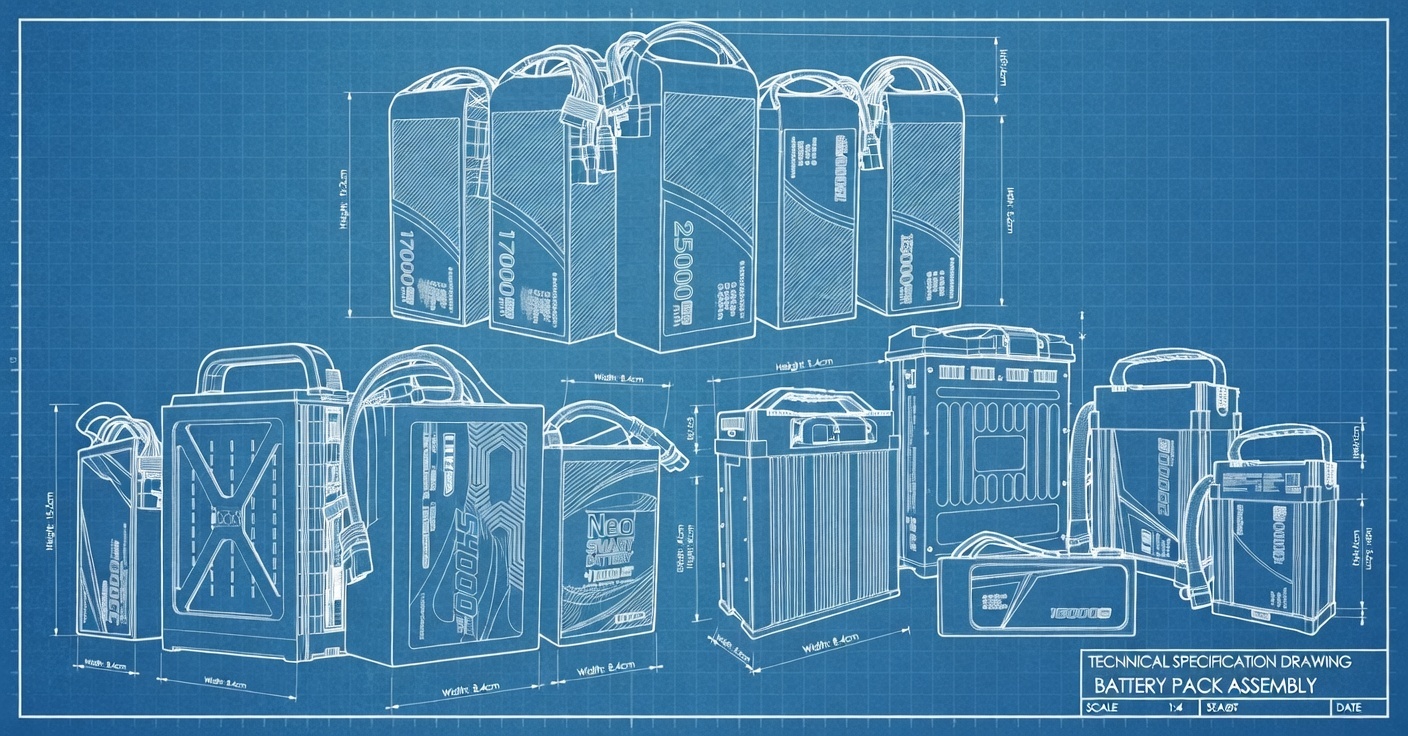
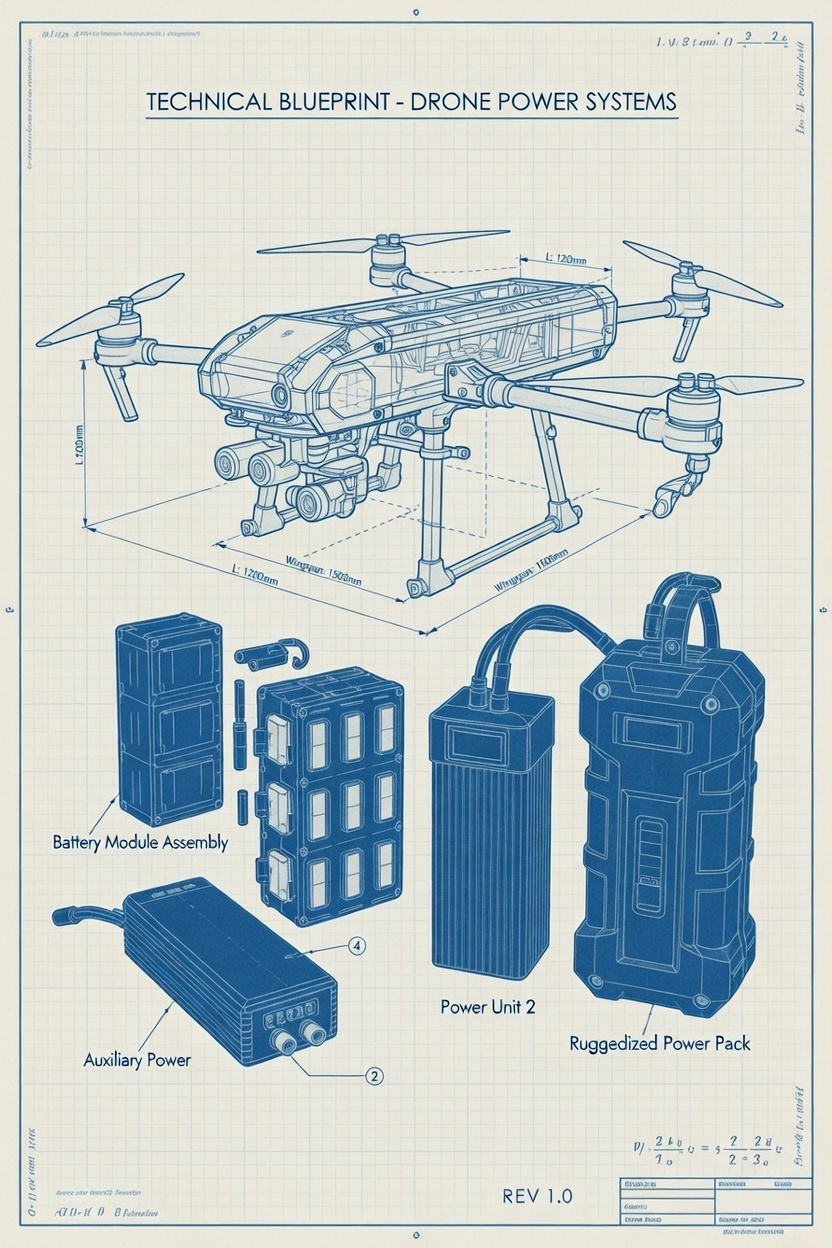
In the high-stakes world of film production and aerial photography, equipment failure isn’t just an inconvenience—it can mean missed shots, budget overruns, and compromised safety. At the heart of every drone operation lies a critical component that often goes overlooked: the battery. Understanding drone battery safety and choosing a reliable supplier can make the difference between a successful shoot and a catastrophic failure.
Why Supplier Reliability Matters for Professional Drone Operations
Professional film crews and aerial photography teams operate under unique pressures. Tight schedules, expensive equipment, and irreplaceable footage demand nothing less than perfection. When a battery fails mid-flight, the consequences extend far beyond a simple equipment malfunction.
Key risks of unreliable battery suppliers include:
- Safety hazards: Poor-quality lithium batteries can overheat, swell, or even catch fire during operation or charging
- Flight interruptions: Inconsistent power delivery leads to unexpected shutdowns during critical shots
- Regulatory compliance issues: Non-certified batteries may violate aviation safety regulations in your region
- Equipment damage: Substandard batteries can damage expensive drone electronics
- Project delays: Battery failures on set can cost thousands in lost production time
According to 2025 industry data, drone operations using certified batteries from verified suppliers experience 97% fewer thermal runaway incidents compared to those sourcing from unverified vendors. This statistic alone should inform every production manager’s procurement strategy.
Critical Safety Certifications Every Drone Battery Must Have
When evaluating potential drone battery suppliers, certification documentation should be your first checkpoint. The following standards represent the global baseline for lithium battery safety:
UN38.3 Certification: The Non-Negotiable Standard
UN38.3 is the United Nations’ mandatory testing standard for lithium battery transportation safety. Any battery intended for air or sea freight must pass eight rigorous tests:
- T.1 Altitude Simulation: Tests battery integrity at low-pressure conditions equivalent to 15,000 meters
- T.2 Thermal Testing: Evaluates performance across extreme temperature cycles
- T.3 Vibration: Simulates transportation vibration stresses
- T.4 Shock: Tests resistance to sudden impacts
- T.5 External Short Circuit: Verifies protection against electrical shorts
- T.6 Impact/Crush: Assesses structural integrity under physical stress
- T.7 Overcharge: Tests safety margins during charging anomalies
- T.8 Forced Discharge: Evaluates behavior under abnormal discharge conditions
Batteries passing UN38.3 testing show transportation failure rates as low as 0.01%, compared to 0.3% for non-certified alternatives. For film productions traveling internationally with equipment, this certification isn’t optional—it’s essential.
Additional Certifications to Verify
- IEC 62133: International standard for portable sealed secondary cells
- CE Marking: European conformity for health, safety, and environmental protection
- FCC Compliance: Required for batteries sold in the United States
- MSDS Documentation: Material Safety Data Sheets for emergency response
- ISO 9001: Quality management system certification for the manufacturer
Optimization Methods for Evaluating Drone Battery Suppliers
Selecting the right battery supplier for aerial photography requires a systematic approach. Here’s a proven framework for vetting potential partners:
1. Documentation Verification Protocol
Request and verify all certification documents directly. Don’t accept copies without validation. Contact the testing laboratory to confirm authenticity. Legitimate suppliers provide:
- Original UN38.3 test reports with serial numbers
- Current MSDS sheets (updated within 12 months)
- Air and sea transport classification documents
- Warranty terms in writing
2. Performance Testing Requirements
Before committing to bulk orders, conduct your own field testing:
- Cycle life testing: Track capacity retention over 100+ charge cycles
- Load testing: Verify voltage stability under maximum drone power draw
- Temperature testing: Monitor performance in your typical shooting environments
- Charging speed verification: Confirm advertised charge times match reality
3. Supply Chain Transparency Assessment
Reliable suppliers maintain transparent supply chains. Ask about:
- Cell manufacturer origins (Grade A cells from established brands preferred)
- Battery management system (BMS) specifications
- Quality control procedures at manufacturing facilities
- Traceability systems for batch tracking
4. After-Sales Support Evaluation
Professional operations need professional support:
- Response time guarantees for technical inquiries
- Replacement policies for defective units
- Technical documentation availability
- Training resources for crew members
Best Practices for Film and Aerial Photography Teams
Implementing proper drone battery safety protocols protects both your investment and your crew. Follow these industry-tested practices:
Pre-Production Battery Checklist
- Verify all batteries display valid certification markings
- Inspect for physical damage, swelling, or corrosion
- Test voltage levels before packing for transport
- Document serial numbers for inventory tracking
- Ensure proper packaging for transportation compliance
On-Set Battery Management
- Use dedicated fire-resistant storage containers
- Implement charging stations away from flammable materials
- Monitor battery temperatures during intensive use
- Rotate batteries to prevent overuse of single units
- Maintain log books for battery cycle tracking
Post-Production Maintenance
- Store batteries at 40-60% charge for extended periods
- Keep in climate-controlled environments (15-25°C ideal)
- Schedule regular capacity testing every 50 cycles
- Retire batteries showing 20%+ capacity degradation
- Dispose of damaged batteries through certified recyclers
Frequently Asked Questions
Q: How often should drone batteries be replaced for professional use?
A: For film production and commercial aerial photography, replace batteries after 300-500 charge cycles or when capacity drops below 80% of original specifications. Heavy daily use may require replacement every 6-12 months.
Q: Can I mix batteries from different suppliers on the same shoot?
A: Not recommended. Different manufacturers use varying cell chemistries and BMS configurations. Mixing batteries can lead to inconsistent performance and potential safety issues. Standardize on one verified supplier per project.
Q: What should I do if a battery shows signs of swelling?
A: Immediately remove from service. Place in a fire-resistant container. Do not charge or attempt to use. Contact your supplier for replacement and follow local regulations for hazardous material disposal.
Q: Are cheaper drone batteries worth the cost savings?
A: Rarely. The risk of equipment damage, project delays, and safety incidents far outweighs initial savings. Professional operations should budget for certified, reliable batteries as essential equipment, not cost-cutting opportunities.
Q: How do I verify UN38.3 certification authenticity?
A: Request the test report number and contact the testing laboratory directly. Legitimate certifications include laboratory contact information and can be verified through the issuing authority’s database.
Your Next Step Toward Safer Drone Operations
The difference between amateur and professional drone operations often comes down to one factor: attention to detail in equipment selection. Your battery supplier isn’t just a vendor—they’re a partner in your safety and success.
Don’t leave your productions vulnerable to preventable battery failures. Work with suppliers who understand the unique demands of film and aerial photography, who provide full certification documentation, and who stand behind their products with meaningful warranties.
Ready to upgrade your drone battery safety standards?
Contact our team today to discuss your specific requirements. We specialize in providing certified, reliable drone batteries for professional film production and aerial photography teams worldwide. Our experts can help you navigate certification requirements, optimize your battery inventory, and implement safety protocols that protect your crew and equipment.
Get in touch: Visit our contact page at https://cnsbattery.com/drone-battery-home/drone-battery-contact to speak with a battery safety specialist who understands the demands of professional drone operations.
Your next shoot deserves equipment you can trust. Make drone battery safety and supplier reliability the foundation of your aerial photography success.