In the high-stakes world of professional film production and aerial photography, equipment reliability can make or break a shoot. Understanding IP (Ingress Protection) ratings for drones is not just technical jargon—it’s the difference between capturing that perfect shot and facing costly equipment failure. This comprehensive guide helps film and aerial photography teams navigate the complexities of drone IP ratings while avoiding costly mistakes.
Understanding IP Ratings: The Foundation of Drone Protection
IP ratings follow the international IEC 60529 standard, defining how well electronic equipment resists solid particles and liquids. For drone operators working in diverse filming environments, this knowledge is essential.
The IP Code Breakdown:
- First digit (0-6): Protection against solid objects and dust
- Second digit (0-8): Protection against water and moisture
A drone rated IP67 offers complete dust protection and can withstand immersion in 1 meter of water for 30 minutes. IP68 provides even superior water resistance, allowing for continuous submersion under manufacturer-specified conditions.
Top 5 Common IP Rating Mistakes Film Teams Make
1. Misunderstanding Rating Limitations
Many production teams assume IP67 means their drone is fully waterproof for any situation. This misconception leads to equipment damage during unexpected weather changes on set. Remember: IP67 allows short-term immersion, not continuous operation in heavy rain or underwater filming.
2. Ignoring Battery Compartment Protection
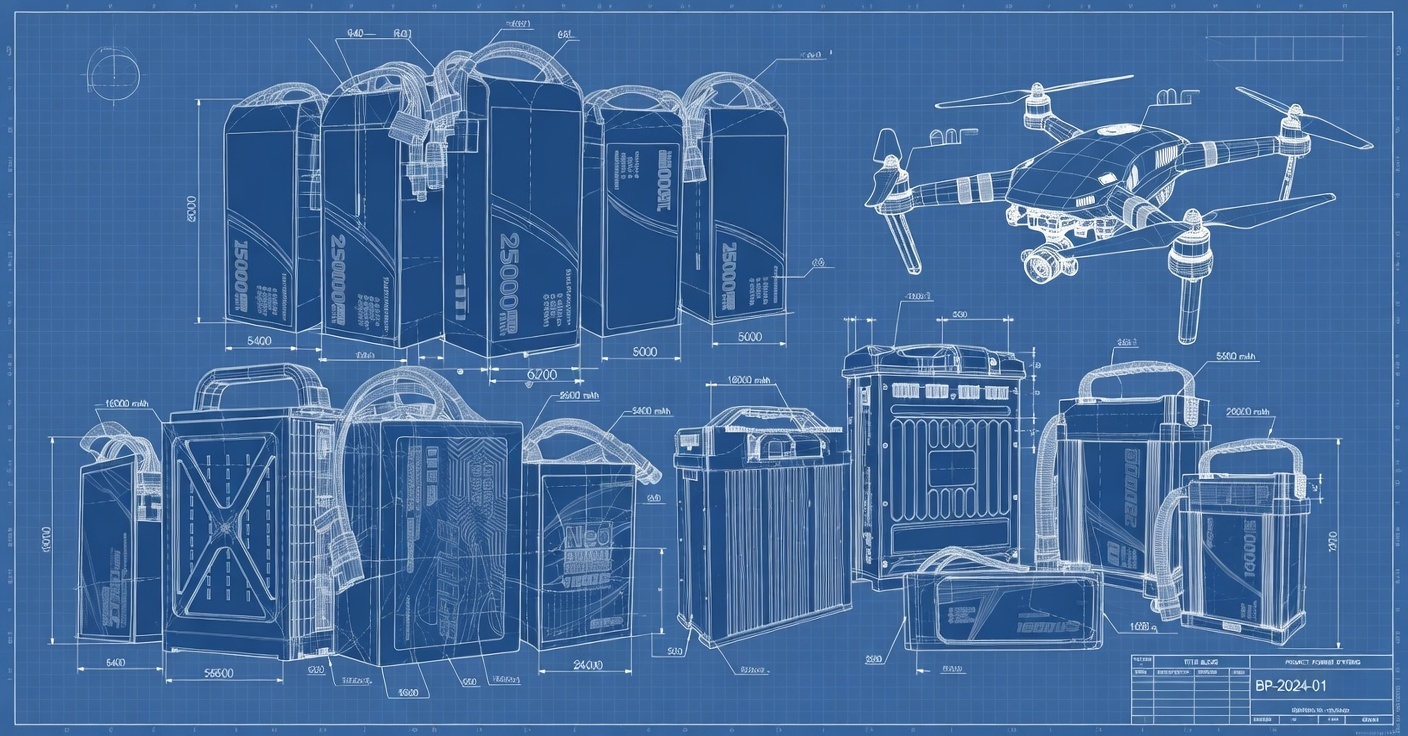
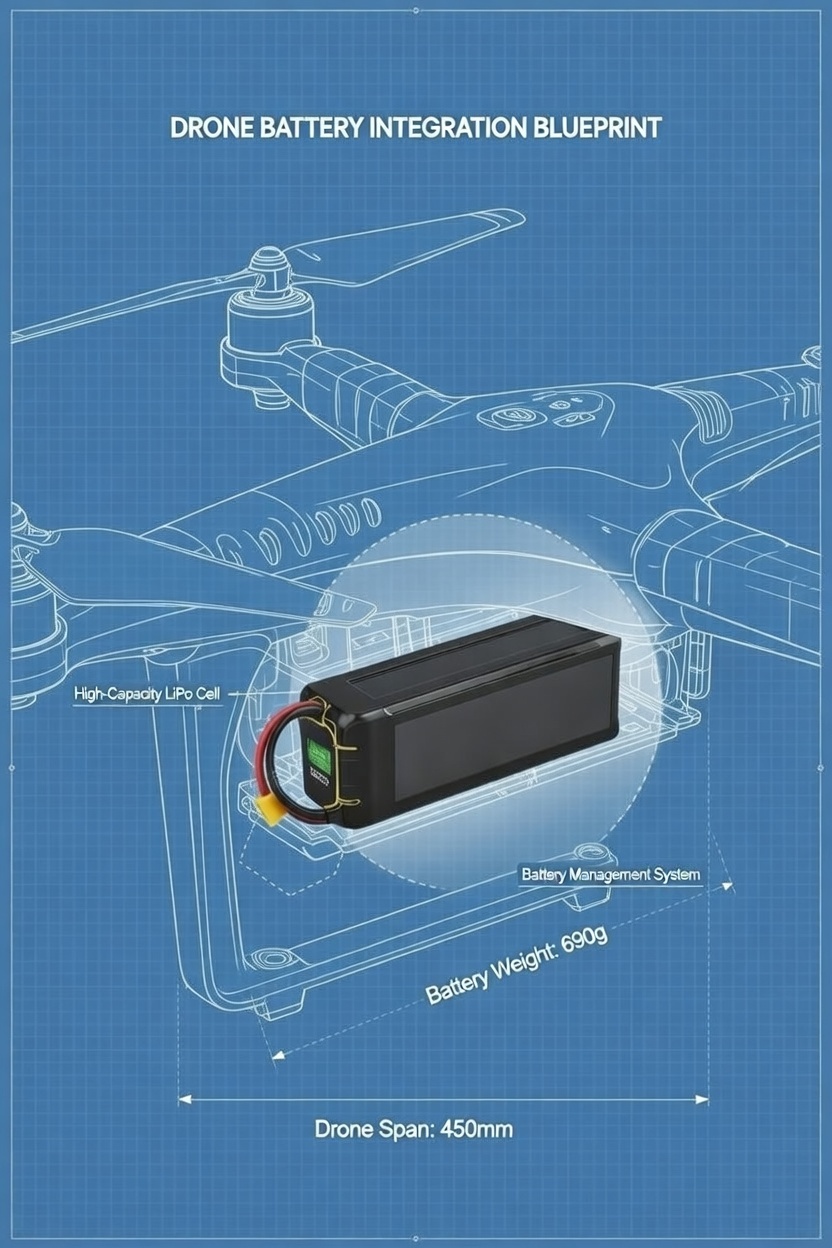
Drone batteries represent the most vulnerable component. Even with an IP-rated airframe, battery compartments often have lower protection levels. Film crews must verify that battery housings match or exceed the drone’s overall IP rating, especially when shooting in coastal or humid environments.
3. Overlooking Seal Degradation Over Time
IP ratings apply to new equipment. After months of professional use, seals degrade, gaskets wear, and protection diminishes. Production companies should implement regular inspection schedules, particularly before critical shoots in challenging conditions.
4. Confusing Marketing Claims with Certified Ratings
Some manufacturers advertise “water-resistant” without official IP certification. Professional film teams should demand documented IP test results from recognized laboratories. Third-party certification ensures your equipment meets stated specifications.
5. Neglecting Temperature and Pressure Variables
IP testing occurs under controlled laboratory conditions. Real-world filming often involves temperature extremes, wind pressure, and rapid altitude changes that affect seal integrity. High-altitude aerial photography requires additional considerations beyond basic IP ratings.
Best Practices for Protecting Your Drone Investment
Pre-Production Checklist:
- Verify IP certification documentation before equipment rental or purchase
- Inspect all seals, gaskets, and compartment closures
- Test equipment in controlled conditions before critical shoots
- Prepare backup equipment for weather-dependent productions
On-Set Protection Strategies:
- Monitor weather conditions continuously during outdoor shoots
- Use protective cases during transport between locations
- Allow equipment to acclimate when moving between temperature extremes
- Keep silica gel packs in equipment cases to control moisture
Post-Production Maintenance:
- Clean and dry all equipment after exposure to moisture or dust
- Schedule professional inspections every 6 months for heavily used drones
- Replace worn seals immediately—don’t wait for failure
- Document all maintenance for warranty and insurance purposes
Industry Data: Why IP Ratings Matter for Professional Teams
According to recent industry surveys, equipment failure due to environmental factors accounts for approximately 23% of production delays in aerial photography projects. Productions using properly IP-rated equipment report 67% fewer weather-related cancellations.
Insurance providers increasingly require documented IP ratings for coverage of outdoor filming equipment. Premium reductions of 15-30% are available for teams demonstrating proper equipment protection protocols.
Special Considerations for Film Production Environments
Coastal and Marine Filming
Salt water presents unique challenges beyond standard water exposure. Salt corrosion can compromise IP protection faster than fresh water. Rinse equipment with fresh water immediately after coastal shoots, even with IP68-rated drones.
Desert and Dusty Locations
Dust protection (first IP digit) becomes critical in arid filming locations. IP6X rating ensures complete dust protection, essential for maintaining camera gimbal functionality and motor performance during extended desert shoots.
Urban Environment Challenges
Urban filming introduces additional risks: pollution particles, unexpected sprinkler systems, and confined space moisture. Teams should maintain minimum IP54 ratings for general urban work, upgrading to IP67 for challenging conditions.
Frequently Asked Questions (FAQ)
Q: Can I fly my IP67 drone in heavy rain?
A: While IP67 provides water resistance, flying in heavy rain is not recommended. Wind-driven rain creates pressure exceeding test conditions, and visibility issues compromise safe operation.
Q: How often should IP seals be replaced?
A: Professional teams should inspect seals before every major production and replace them annually or after 500 flight hours, whichever comes first.
Q: Does IP rating cover battery protection?
A: Not necessarily. Verify battery compartment ratings separately from airframe ratings. Many drones have lower IP protection for battery compartments.
Q: Can IP ratings be upgraded after purchase?
A: Some manufacturers offer upgrade kits, but modifications may void warranties. Purchase appropriately rated equipment initially for professional work.
Q: What IP rating is minimum for professional film work?
A: IP54 serves as minimum for controlled conditions. IP67 is recommended for versatile professional use, with IP68 ideal for demanding environments.
Making the Right Investment Decision
Choosing drones with appropriate IP ratings represents strategic investment in production reliability. Consider total cost of ownership: equipment downtime, reshoot expenses, and insurance implications often exceed initial savings from lower-rated alternatives.
Professional film teams should prioritize:
- Documented IP certification from recognized testing laboratories
- Manufacturer support for seal replacement and maintenance
- Availability of weather-protected accessories and cases
- Clear warranty terms covering environmental damage
Your Next Step Toward Production Excellence
Protecting your aerial photography investment requires ongoing attention to equipment specifications and maintenance protocols. Don’t let IP rating misunderstandings compromise your next production.
Ready to optimize your drone fleet protection? Our team specializes in professional drone battery solutions and equipment protection consulting for film and aerial photography teams. We understand the unique demands of production environments and provide tailored recommendations based on your specific shooting conditions.
Contact our specialists today for personalized consultation on drone battery protection and IP rating optimization: https://cnsbattery.com/drone-battery-home/drone-battery-contact
Invest in knowledge, protect your equipment, and ensure every shoot delivers the quality your clients expect. The sky isn’t the limit—it’s your workplace. Make sure your equipment is ready for whatever conditions you encounter.
This guide reflects current industry standards as of 2026. Always verify manufacturer specifications and maintain compliance with local aviation regulations for commercial drone operations.