The construction industry is experiencing a revolutionary transformation through drone technology, with aerial mapping and surveying becoming indispensable tools for modern project management. However, the effectiveness of these unmanned aerial vehicles hinges critically on one component: the battery system. For construction mapping companies navigating an increasingly complex regulatory landscape, understanding the five key factors that define high-performance drone batteries is not just advantageous—it’s essential for operational success and compliance.
This comprehensive guide explores the critical considerations for selecting, maintaining, and managing drone battery systems that meet both performance demands and regulatory requirements. From energy density to safety certifications, we’ll examine what separates professional-grade power solutions from consumer alternatives, providing actionable insights for fleet managers and operations directors.
1. Energy Density and Flight Time Optimization
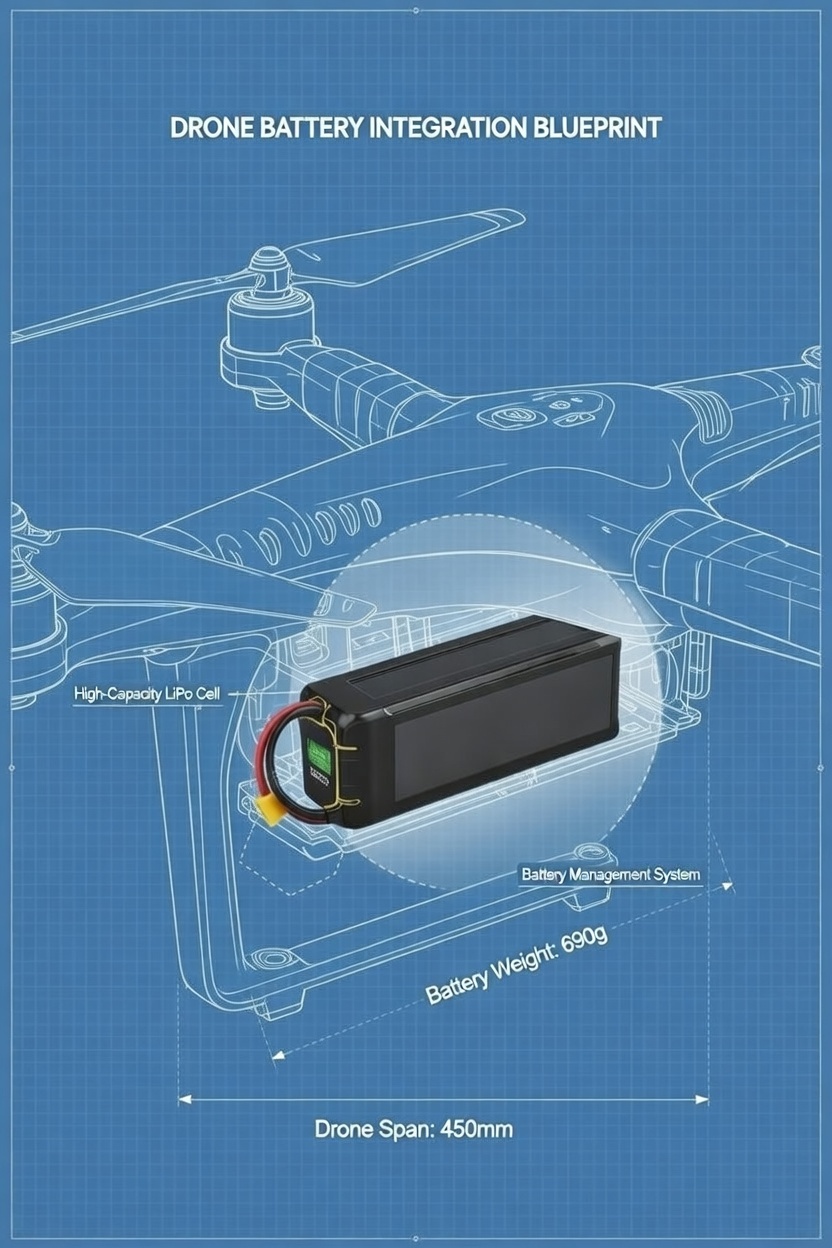
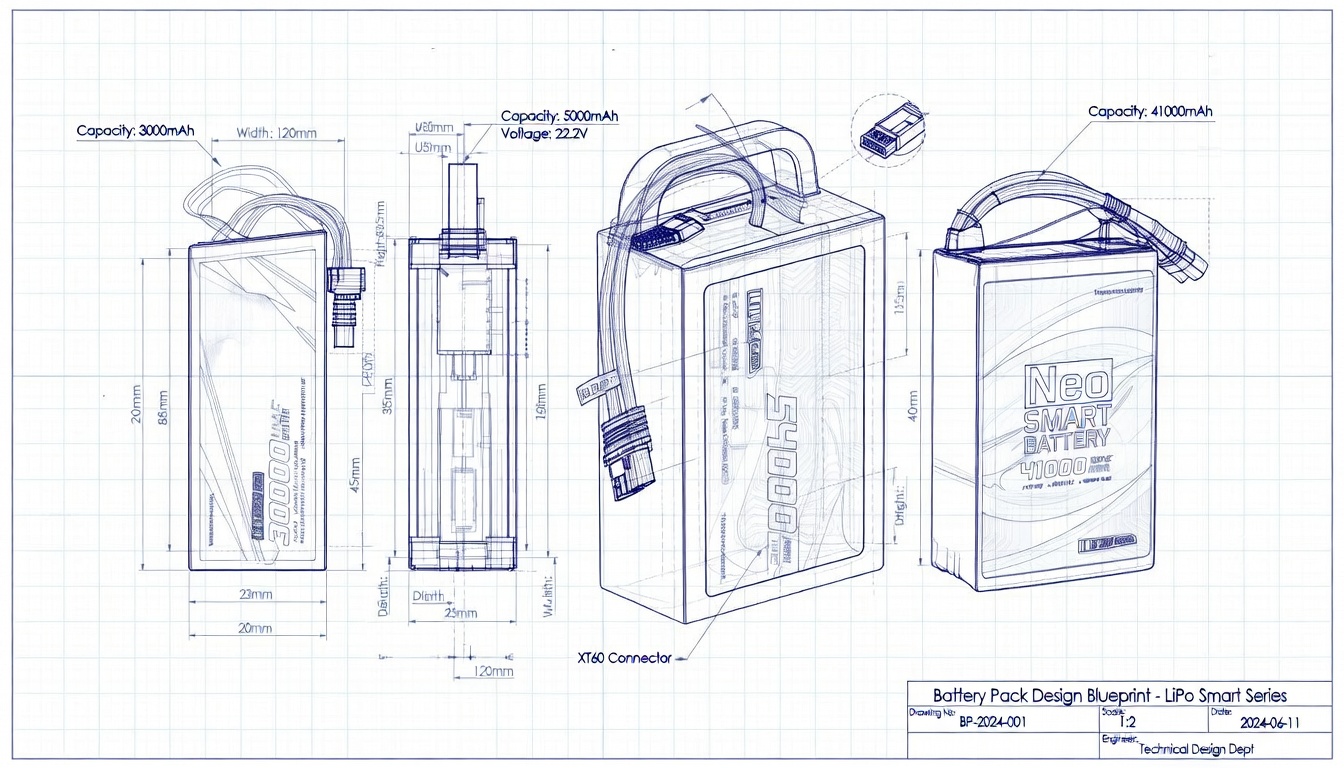
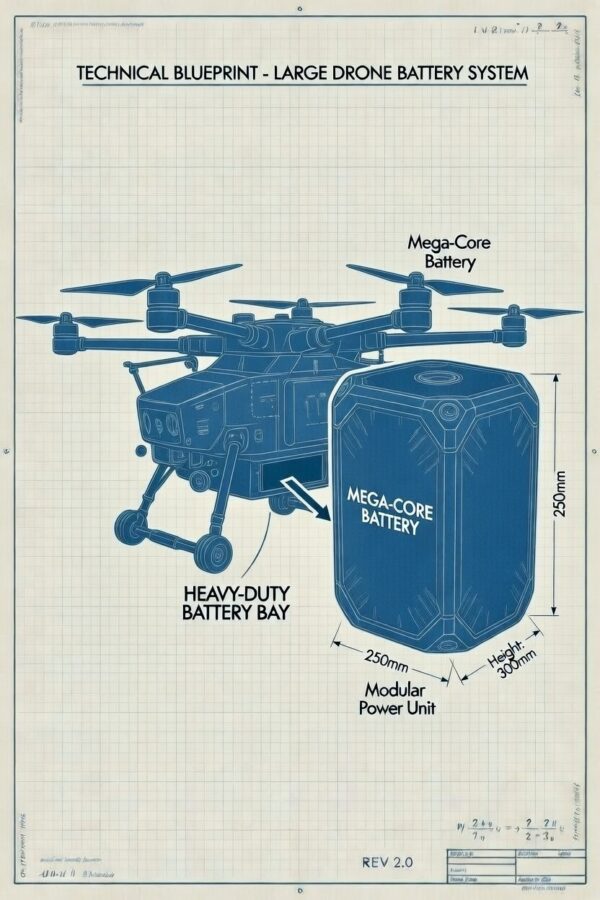
Energy density stands as the cornerstone of drone battery performance, directly impacting flight duration and operational efficiency. For construction mapping projects, extended flight times translate to comprehensive site coverage without frequent battery swaps that disrupt workflow.
Critical Considerations:
- Modern LiPo (Lithium Polymer) batteries offer energy densities ranging from 150-250 Wh/kg, with high-performance variants reaching 280 Wh/kg
- Construction mapping drones typically require 25-45 minute flight times per battery cycle for effective site documentation
- Temperature variations on construction sites affect battery performance, necessitating cells with stable discharge characteristics across -10°C to 50°C ranges
Management Tips:
- Implement battery rotation schedules to ensure even wear across your fleet
- Monitor capacity degradation monthly, replacing batteries that fall below 80% of original capacity
- Invest in smart charging systems that balance cells and prevent overcharging
2. Regulatory Compliance and Safety Certifications
The regulatory environment for commercial drone operations has intensified significantly, with FAA, EASA, and other aviation authorities implementing stricter battery safety requirements. Construction mapping companies must navigate these regulations to avoid costly penalties and operational disruptions.
Key Regulatory Frameworks:
- FAA Technical Standard Order (TSO) C179b addresses rechargeable lithium battery requirements, though propulsion batteries require additional evaluation
- IATA Dangerous Goods Regulations govern battery transportation between job sites
- OSHA workplace safety standards apply to battery storage and charging facilities on construction premises
- Recent 2026 FAA NOTAM updates have expanded restricted airspace considerations affecting drone deployment zones
Compliance Best Practices:
- Maintain documentation for all battery purchases, including manufacturer certifications and test reports
- Implement UN 38.3 testing verification for all battery shipments
- Establish written safety protocols for battery handling, storage, and emergency response
- Conduct quarterly compliance audits aligned with current aviation authority guidelines
3. Thermal Management and Environmental Resilience
Construction sites present challenging environmental conditions that test battery durability. Dust, moisture, temperature extremes, and physical impacts require battery systems engineered for industrial applications rather than consumer markets.
Performance Requirements:
- IP54 or higher ingress protection ratings for dust and water resistance
- Built-in battery management systems (BMS) with thermal monitoring and automatic shutdown capabilities
- Cell chemistry optimized for high discharge rates required during mapping maneuvers
- Vibration resistance meeting MIL-STD-810G standards for construction environment durability
Operational Recommendations:
- Store batteries in climate-controlled environments when not in use
- Allow batteries to acclimate to ambient temperature before deployment in extreme conditions
- Use protective cases during transport between sites
- Implement pre-flight battery temperature checks as part of standard operating procedures
4. Cycle Life and Total Cost of Ownership
While initial battery costs attract attention, smart construction companies evaluate total cost of ownership across the battery’s operational lifespan. High-quality batteries with superior cycle life deliver better long-term value despite higher upfront investment.
Economic Factors:
- Premium LiPo batteries deliver 300-500 full charge cycles before reaching 80% capacity
- Budget alternatives may degrade to 80% capacity within 150-200 cycles
- Battery failure during critical mapping operations creates project delays exceeding equipment costs
- Proper maintenance extends usable life by 30-40% compared to neglectful practices
Cost Optimization Strategies:
- Calculate cost per flight hour rather than purchase price when comparing options
- Implement predictive replacement schedules based on cycle counting
- Negotiate volume pricing with manufacturers for fleet deployments
- Consider battery leasing programs for operations with fluctuating demand
5. Integration with Drone Systems and Data Management
Modern construction mapping requires seamless integration between battery systems and drone telemetry. Smart batteries that communicate health status, remaining capacity, and performance metrics enable proactive fleet management and prevent mid-flight failures.
Integration Capabilities:
- Real-time battery health monitoring accessible through ground control software
- Automated logging of charge cycles, temperature exposure, and performance degradation
- Compatibility with major construction mapping platforms including DJI, Autel, and senseFly
- API access for integration with existing fleet management systems
Implementation Guidelines:
- Standardize battery models across your drone fleet to simplify management
- Train all operators on battery status interpretation and response protocols
- Establish data backup procedures for battery performance logs
- Schedule firmware updates for smart battery systems quarterly
Conclusion: Building Power Strategy for Sustainable Operations
The five factors outlined above form the foundation of a comprehensive drone battery strategy for construction mapping companies. Energy density determines operational capability, regulatory compliance ensures legal operation, environmental resilience guarantees reliability, cycle life optimizes economics, and system integration enables intelligent management.
Construction companies that prioritize these factors position themselves for competitive advantage through increased operational efficiency, reduced downtime, and minimized compliance risks. The investment in high-performance battery systems pays dividends through consistent project delivery and enhanced client confidence.
As the low-altitude economy continues expanding with initiatives like Shenzhen’s 2026-2035 aerial facility planning, construction mapping companies must evolve their power infrastructure to match industry growth. The regulatory landscape will only become more demanding, making proactive battery management essential rather than optional.
Call to Action
Ready to optimize your construction mapping drone fleet with high-performance, compliant battery solutions? Our team specializes in industrial-grade drone batteries engineered for construction applications with full regulatory documentation.
Contact us today to discuss your specific requirements and receive a customized battery assessment for your operations. Visit our dedicated drone battery contact page at https://cnsbattery.com/drone-battery-home/drone-battery-contact to schedule a consultation with our technical specialists.
Don’t let battery limitations ground your competitive advantage. Partner with experts who understand both the technical demands of construction mapping and the regulatory requirements governing commercial drone operations. Your next project deserves reliable power from takeoff to landing.