Are your mining operations facing unexpected downtime due to battery failures, or worse, regulatory fines regarding hazardous waste disposal? In 2026, the intersection of industrial drone performance and environmental compliance has become the critical bottleneck for surveying projects. As global regulations tighten, selecting drone battery suppliers is no longer just about capacity and flight time—it is about legal security and sustainability. For mining and construction surveyors, the wrong power source can halt data collection and violate ESG mandates. This guide identifies the best mining and construction surveyors drone battery suppliers focusing on recycling compliance, ensuring your aerial operations remain productive and lawful.
The Critical Role of Drone Batteries in Modern Surveying
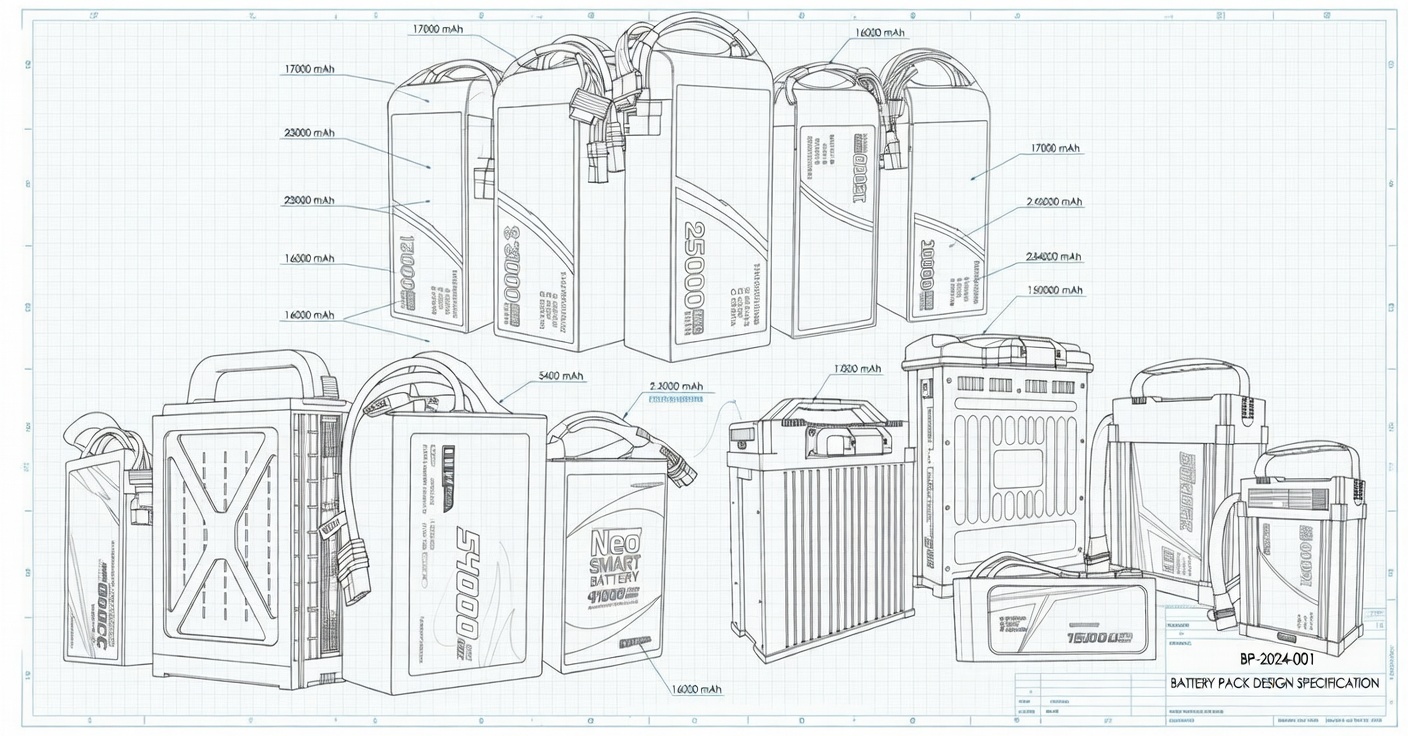
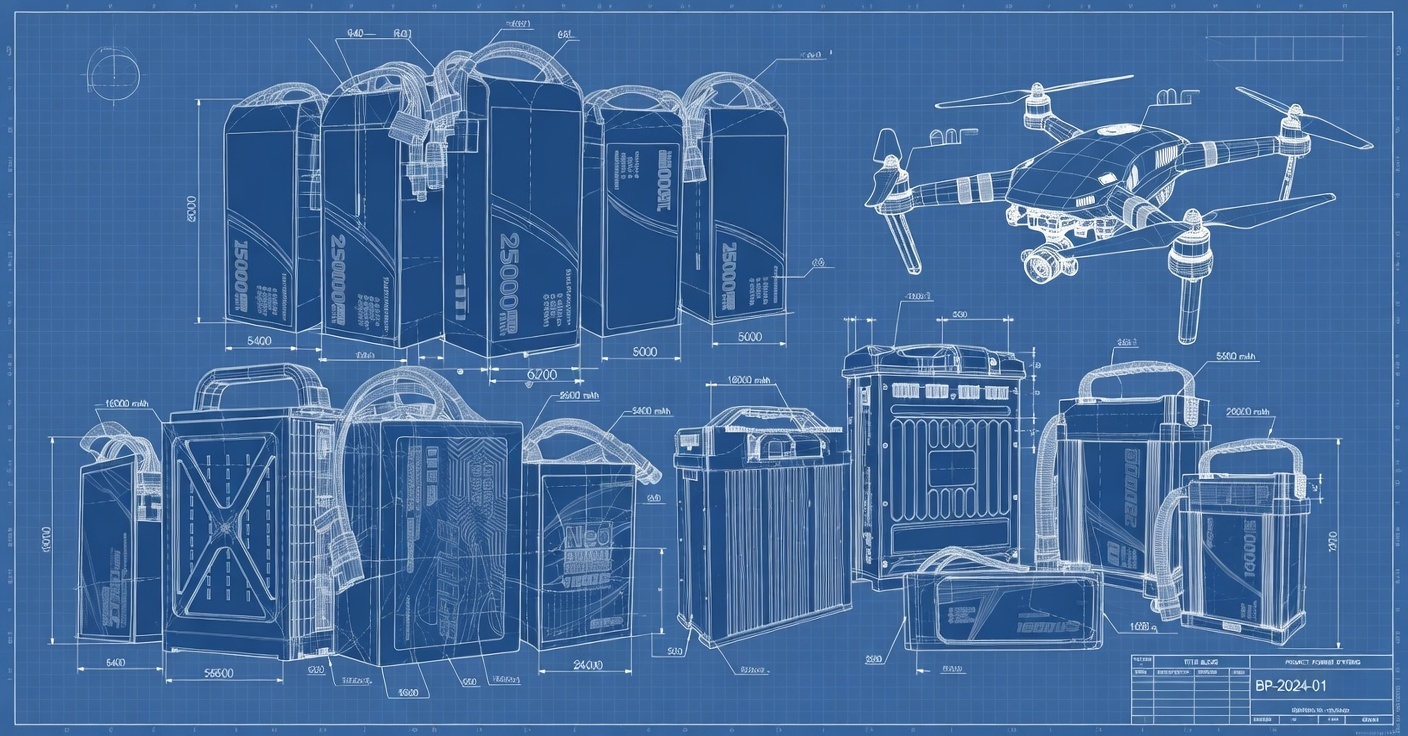
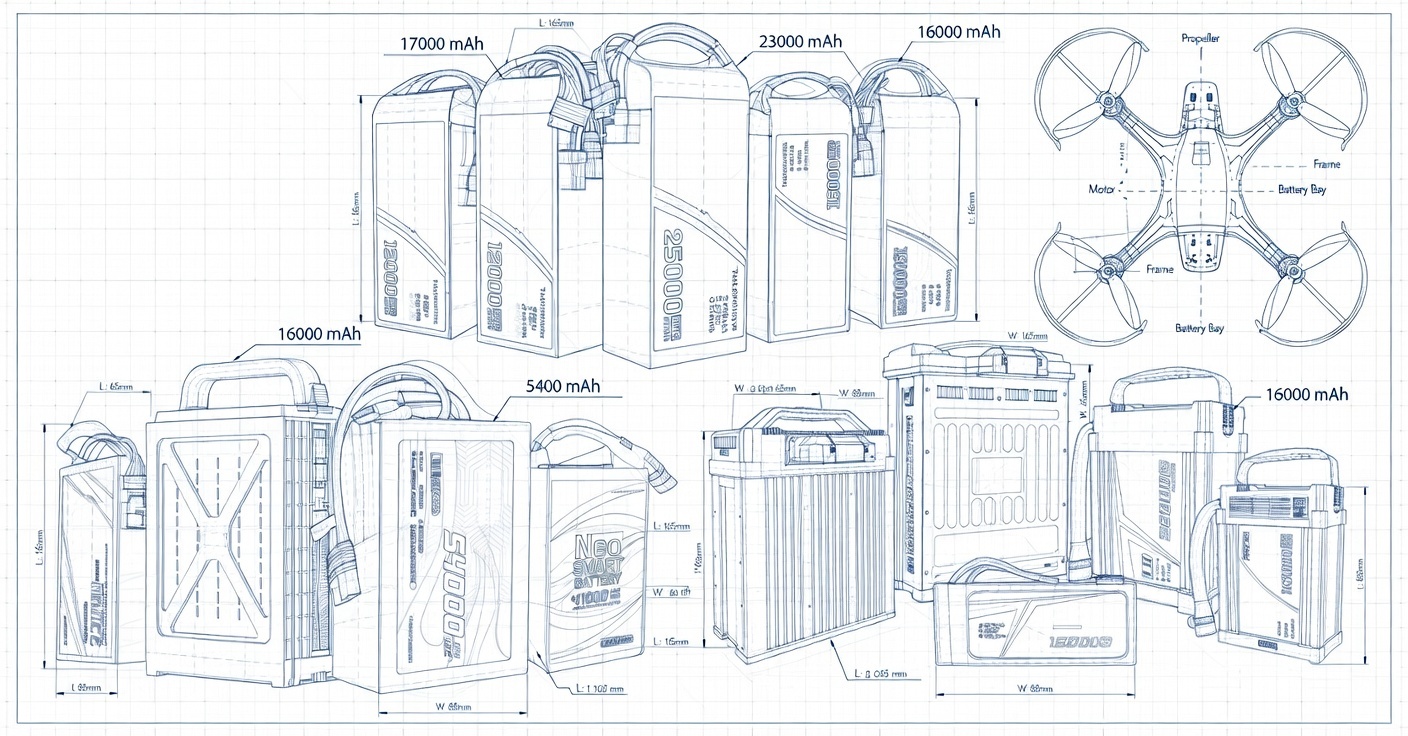
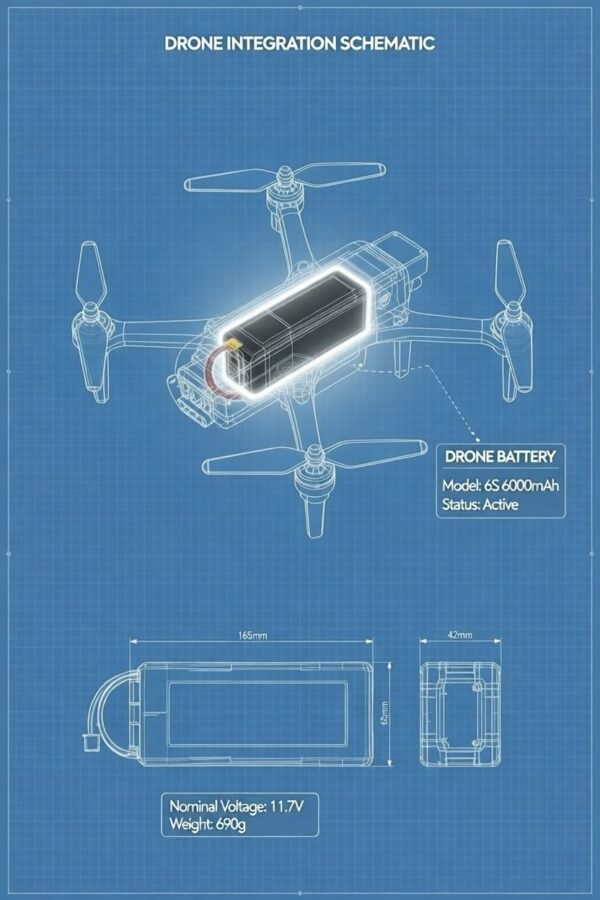
In the rugged environments of mining pits and large-scale construction sites, drones are the eyes of the operation. They perform topographical mapping, volume calculations, and safety inspections. However, the reliability of these missions hinges entirely on the power source. Industrial surveying drones require high-discharge LiPo batteries capable of sustaining heavy payloads like LiDAR sensors and multispectral cameras.
A standard consumer battery often fails under the thermal stress of continuous mining operations. More importantly, the lifecycle of these batteries is now under scrutiny. A single improperly disposed industrial battery can lead to significant environmental contamination. Therefore, partnering with suppliers who prioritize recycling compliance is not just an ethical choice; it is an operational necessity.
2026 Compliance Landscape: What Surveyors Must Know
The regulatory environment for lithium batteries has shifted dramatically entering 2026. Suppliers who ignore these changes pose a liability to your business.
The EU Battery Regulation and Battery Passports
As of 2026, the European Union’s Battery Regulation has entered its substantive enforcement phase. For industrial batteries with a capacity greater than 2kWh, a Battery Passport is now mandatory. This digital record contains data on chemical composition, carbon footprint, and recycling content. Mining companies operating in or exporting to regions influenced by EU standards must ensure their drone batteries comply with these transparency requirements.
Transport and Safety Updates (IMDG & IATA)
Logistics compliance is equally critical. Starting January 1, 2026, the IMDG Code 42-24 version replaced the previous 41-22 edition. Key changes include:
- UN Number Adjustments: Battery-driven vehicles and large battery shipments face reclassified UN numbers (e.g., UN3556 for lithium-ion driven vehicles).
- State of Charge (SoC) Limits: For air transport, lithium batteries over 2.7Wh must be shipped at no more than 30% state of charge unless specific approvals are granted.
Suppliers who cannot navigate these transport regulations risk delaying your battery shipments, leaving your surveyors grounded.
Key Criteria for Selecting Compliant Suppliers
When evaluating drone battery suppliers for mining and construction, use the following checklist to ensure they meet both performance and compliance standards.
1. Certified Recycling Programs
A top-tier supplier should offer a take-back program. They must partner with certified recycling facilities that can recover lithium, cobalt, and nickel safely. Ask for documentation on their end-of-life management process.
2. Battery Chemistry and Durability
Mining environments are dusty and prone to temperature fluctuations. Look for suppliers offering semi-solid state batteries or high-grade LiPo cells with robust BMS (Battery Management Systems). These technologies offer higher energy density (e.g., 345Wh/kg) and improved safety profiles against thermal runaway.
3. Documentation and Traceability
Ensure the supplier provides full compliance documentation, including UN38.3 test reports, MSDS (Material Safety Data Sheets), and where applicable, Battery Passport data. Transparency in the supply chain is vital for auditing purposes.
Supplier Comparison: Compliance vs. Standard Options
The following table highlights the differences between standard battery vendors and those focusing on recycling compliance for industrial use.
| Feature | Standard Supplier | Compliance-Focused Supplier |
|---|---|---|
| End-of-Life Policy | Customer responsible for disposal | Full take-back and recycling program |
| Regulatory Docs | Basic UN38.3 | UN38.3 + Battery Passport + ESG Reports |
| Transport Compliance | Generic packaging | IMDG 42-24 & IATA DGR 2026 Compliant |
| Battery Chemistry | Standard LiPo | Semi-solid state or High-Grade NMC |
| Warranty | Limited replacement | Lifecycle support and safety guarantee |
| ESG Alignment | Low | High (Supports Scope 3 Emissions Reduction) |
Practical Application: Maximizing Battery Lifecycle in Mining
Selecting the right supplier is only the first step. To maintain compliance and efficiency, mining surveyors should adopt best practices for battery management.
- Storage Protocols: Store batteries at 40-60% charge in climate-controlled environments. Extreme heat in mining camps can degrade cells rapidly.
- Cycle Monitoring: Use smart chargers that log cycle counts. Retire batteries that show significant swelling or voltage sag before they become safety hazards.
- Disposal Workflow: Never throw industrial batteries in general waste. Utilize the supplier’s recycling channel to ensure hazardous materials are processed according to local environmental laws.
By integrating these practices, construction and mining firms can reduce their total cost of ownership while maintaining a clean environmental record.
The Economic Case for Recycling Compliance
Some operators view recycling compliance as an added cost. However, the long-term economic benefits are substantial. Regulatory fines for improper hazardous waste disposal can exceed the cost of the batteries themselves. Furthermore, many large mining contracts now require suppliers to meet specific ESG (Environmental, Social, and Governance) criteria. Using compliant drone battery suppliers helps you qualify for these lucrative contracts.
Additionally, recycling programs often recover valuable materials. Some suppliers offer credit towards new battery purchases when old units are returned for recycling, effectively lowering the replacement cost over time.
Conclusion
The demand for high-performance drone batteries in mining and construction is growing, but so is the regulatory pressure surrounding them. In 2026, the best mining and construction surveyors drone battery suppliers are those that balance high energy density with strict recycling compliance. By choosing partners who adhere to the EU Battery Regulation, IMDG Code updates, and offer robust take-back programs, you protect your operations from legal risk and environmental harm.
Don’t let power issues or compliance gaps ground your surveying team. Ensure your supply chain is ready for the future of industrial aviation.
Ready to upgrade your fleet with compliant, high-performance drone batteries? Contact our expert team today for a consultation on tailored power solutions that meet 2026 global standards.