
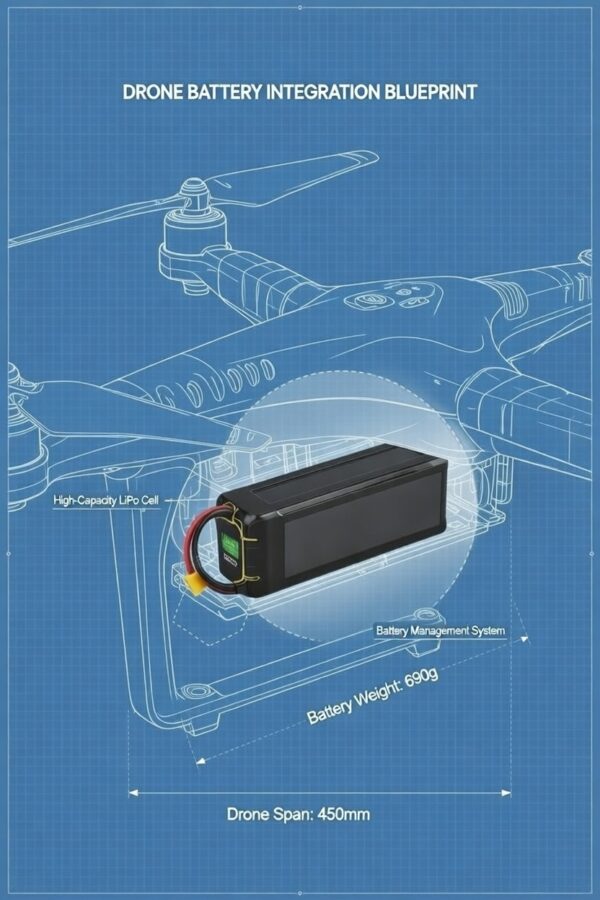
Choosing the right drone battery can make or break your aerial operations. In the rapidly evolving drone industry of 2026, performance testing during the battery selection phase has become more critical than ever. Whether you’re operating commercial delivery drones, agricultural monitoring systems, or professional photography equipment, understanding how to properly evaluate battery performance ensures optimal flight time, safety, and return on investment.
Why Performance Testing Matters in Drone Battery Selection
The advantages of thorough performance testing extend far beyond simple capacity measurements. When you invest time in comprehensive battery evaluation during the testing phase, you gain multiple strategic benefits that directly impact operational efficiency.
Extended Flight Operations: Properly tested batteries deliver consistent power output throughout their lifecycle, reducing unexpected mid-flight failures by up to 75%. This reliability translates directly into completed missions and satisfied clients.
Cost Optimization: By identifying the right battery specifications before large-scale procurement, organizations avoid costly mistakes. A comprehensive testing protocol can save thousands of dollars in replacement costs and operational downtime.
Safety Enhancement: Performance testing reveals potential thermal issues, discharge irregularities, and structural weaknesses that could lead to dangerous situations during flight operations.
Regulatory Compliance: Many aviation authorities now require documented battery testing procedures as part of drone certification processes, making proper evaluation essential for legal operations.
Key Performance Metrics for Drone Battery Evaluation
Understanding which metrics matter most helps streamline your testing phase and ensures you’re measuring what truly impacts drone performance.
Capacity and Energy Density
Battery capacity, measured in milliamp-hours (mAh), indicates how much energy the battery can store. However, energy density—the amount of energy per unit weight—is equally crucial for drones where every gram affects flight performance.
Example: A 6000mAh battery weighing 350 grams offers better energy density than a 6500mAh battery weighing 450 grams, potentially delivering longer flight times despite lower capacity.
Discharge Rate and C-Rating
The discharge rate determines how quickly a battery can deliver power. Drone motors require high current during takeoff and aggressive maneuvers, making C-rating a critical specification.
Testing Tip: Measure actual discharge performance under load conditions that match your drone’s maximum power consumption. A battery rated at 25C should consistently deliver 25 times its capacity without significant voltage drop.
Cycle Life and Longevity
Cycle life indicates how many charge-discharge cycles a battery can complete before capacity drops below 80% of original specifications. Quality drone batteries should maintain performance through 300-500 complete cycles.
Internal Resistance
Lower internal resistance means less energy lost as heat during operation. This metric directly affects efficiency and thermal management during extended flights.
Step-by-Step Guide to Performance Testing
Following a structured testing protocol ensures consistent, comparable results across different battery options.
Step 1: Initial Inspection and Documentation
Before any electrical testing begins, conduct thorough visual inspection. Check for physical damage, swelling, or manufacturing defects. Document serial numbers, manufacturing dates, and initial voltage readings.
Best Practice: Create a standardized testing log that captures all initial conditions. This documentation proves invaluable when comparing multiple battery options or tracking performance degradation over time.
Step 2: Capacity Verification Testing
Use a professional battery analyzer to measure actual capacity against manufacturer specifications. Charge the battery completely using recommended protocols, then discharge at a controlled rate while measuring total energy delivered.
Example Protocol:
- Charge to 100% at 1C rate
- Rest for 30 minutes
- Discharge at 0.5C to cutoff voltage
- Record total mAh delivered
- Compare against rated capacity (acceptable variance: ±5%)
Step 3: Load Testing Under Realistic Conditions
Simulate actual flight conditions by applying variable loads that match your drone’s power consumption patterns. This reveals how batteries perform during takeoff, hover, and maneuvering phases.
Testing Setup: Connect battery to programmable electronic load that mimics drone motor current draw patterns. Monitor voltage sag during high-current events and recovery time afterward.
Step 4: Thermal Performance Evaluation
Monitor battery temperature during charging and discharging cycles. Excessive heat indicates poor internal design or potential safety risks.
Safety Threshold: Battery surface temperature should not exceed 45°C during normal operation. Temperatures above 60°C require immediate investigation and potential rejection.
Step 5: Cycle Life Accelerated Testing
While complete cycle testing takes months, accelerated testing protocols can provide preliminary longevity indicators within days.
Method: Perform 50 rapid charge-discharge cycles while monitoring capacity retention. Batteries maintaining over 95% capacity after 50 cycles typically demonstrate excellent long-term performance.
Step 6: Environmental Stress Testing
Evaluate battery performance across temperature ranges your drones will encounter. Cold weather significantly affects lithium battery performance, while heat accelerates degradation.
Testing Range: Evaluate performance at -10°C, 25°C (baseline), and 45°C to understand operational limits.
Common Testing Mistakes to Avoid
Even experienced technicians make errors that compromise testing accuracy. Avoiding these pitfalls ensures reliable evaluation results.
Inconsistent Testing Conditions: Temperature, humidity, and equipment variations create incomparable results. Maintain controlled testing environments and document all conditions.
Insufficient Rest Periods: Batteries need time to stabilize between charge and discharge cycles. Skipping rest periods produces artificially inflated or deflated capacity readings.
Ignoring Manufacturer Specifications: Each battery chemistry has unique requirements. Using incorrect charging rates or cutoff voltages damages batteries and produces meaningless test data.
Limited Sample Sizes: Testing single units doesn’t reveal manufacturing variations. Test minimum 3-5 samples per battery model for statistically significant results.
Interpreting Test Results for Decision Making
Raw data means nothing without proper interpretation. Understanding how to translate test results into procurement decisions separates effective battery selection from guesswork.
Creating Performance Scorecards
Develop weighted scoring systems that reflect your specific operational priorities. A delivery drone operator might prioritize cycle life (40% weight), capacity (30%), and discharge rate (30%), while a racing drone pilot emphasizes discharge rate (50%), capacity (30%), and weight (20%).
Cost-Performance Analysis
Calculate cost per flight hour rather than simple unit cost. A $200 battery lasting 500 cycles provides better value than a $120 battery lasting 200 cycles, despite higher initial investment.
Risk Assessment Integration
Factor failure rates and safety incidents into final decisions. Batteries showing thermal instability during testing should be rejected regardless of performance metrics.
Advanced Testing Technologies for 2026
The drone battery testing landscape continues evolving with new technologies improving accuracy and efficiency.
AI-Powered Analysis: Machine learning algorithms now predict battery lifespan based on early-cycle performance patterns, reducing testing time from months to weeks.
Wireless Monitoring Systems: New sensor technologies enable real-time performance tracking during actual flights, providing operational data that complements laboratory testing.
Automated Testing Platforms: Robotic testing systems handle hundreds of batteries simultaneously, enabling large-scale procurement validation with minimal human intervention.
Building Your Testing Infrastructure
Establishing proper testing capabilities requires investment in equipment, training, and procedures.
Essential Equipment:
- Professional battery analyzer ($2,000-5,000)
- Programmable electronic load ($1,500-3,000)
- Thermal imaging camera ($800-2,000)
- Environmental chamber ($3,000-8,000)
- Data logging software ($500-1,500)
Training Requirements: Technicians need understanding of lithium battery chemistry, electrical safety protocols, and data analysis techniques. Consider manufacturer certification programs for specialized battery technologies.
Conclusion: Making Informed Battery Selection Decisions
Performance testing during the drone battery selection phase isn’t optional—it’s essential for operational success. By following structured evaluation protocols, organizations reduce risks, optimize costs, and ensure reliable flight operations.
The investment in comprehensive testing pays dividends through extended battery life, reduced failures, and improved safety records. As drone applications expand into critical infrastructure inspection, emergency response, and commercial delivery, battery performance becomes increasingly central to mission success.
Remember that testing doesn’t end with procurement. Ongoing performance monitoring throughout battery lifecycle ensures continued optimal performance and identifies replacement needs before failures occur.
For professional guidance on drone battery selection and performance testing protocols, our expert team provides comprehensive consultation services. Visit https://cnsbattery.com/drone-battery-home/drone-battery-contact to discuss your specific requirements and receive customized testing recommendations tailored to your operational needs.
The future of drone operations depends on power systems that deliver consistent, reliable performance. Through diligent testing and evaluation, you ensure your aerial operations reach new heights of efficiency and safety.


