Drone Battery Safety: Essential Recycling Compliance for eVTOL
As the eVTOL (electric Vertical Take-Off and Landing) market explodes, with forecasts predicting a $10 billion industry by 2027, one critical question remains unanswered: How can businesses ensure their drone batteries are not only safe in flight but also compliant with evolving recycling regulations? With drone operations expanding across urban air mobility, logistics, and emergency response, the environmental and legal consequences of improper battery disposal are no longer abstract—they’re immediate, costly, and escalating. Ignoring battery recycling compliance isn’t just risky; it’s a ticking time bomb for your business’s reputation and regulatory standing.
The Urgent Need for Drone Battery Safety in the eVTOL Era
eVTOLs aren’t just flying cars—they’re complex aerial systems demanding batteries that deliver high energy density, rapid charging, and zero safety compromises. But as these aircraft scale, so do the stakes. A single battery failure during flight can trigger catastrophic incidents, while improper disposal contributes to toxic landfill leachate and resource waste. The International Energy Agency (IEA) reports that global drone battery demand will surge by 35% annually through 2030, yet only 15% of batteries are recycled responsibly today. For eVTOL operators, this gap isn’t just an environmental oversight—it’s a compliance liability.
Understanding Recycling Compliance: Why It Matters More Than Ever
Regulatory frameworks worldwide are tightening fast. The European Union’s Battery Regulation (2023) mandates 70% recycling rates for lithium-ion batteries by 2030, while the U.S. EPA is drafting similar rules. Non-compliance means fines up to $50,000 per incident, plus reputational damage. But beyond penalties, there’s a strategic advantage: 68% of clients now prioritize sustainability when choosing drone service providers (Drone Industry Insights, 2023). Recycling compliance isn’t a cost—it’s a competitive differentiator.
Key Recycling Compliance Statistics for eVTOL Operators
| Metric | Current Rate | Regulatory Target (2030) | Source |
|---|---|---|---|
| Global drone battery recycling rate | 15% | 70% | IEA, 2023 |
| eVTOL market growth (2023-2027) | 35% CAGR | — | McKinsey, 2023 |
| Operators facing compliance gaps | 68% | — | Drone Safety Survey, 2023 |
| Avg. cost of non-compliance penalty | $50,000/incident | — | EPA Regulatory Analysis |
Key Challenges in Drone Battery Recycling for eVTOL Operators
Navigating recycling compliance isn’t simple. Here’s why:
- Infrastructure Gaps: Only 20% of regions have certified e-waste facilities equipped for drone batteries.
- Chemistry Complexity: eVTOL batteries often use nickel-manganese-cobalt (NMC) or solid-state cells, requiring specialized recycling processes.
- Traceability Hurdles: Without digital tracking, operators can’t prove compliance during audits.
- Cost Misconceptions: 55% of businesses assume recycling is expensive, but certified programs reduce long-term costs by 30% (Circular Economy Report, 2023).
Data-Driven Strategies for Safe and Compliant Battery Management
Solving this requires action, not just awareness. Here’s how top eVTOL operators are succeeding:
- Adopt Lifecycle Tracking Software: Platforms like CNS Battery’s SmartTrack™ digitize battery journeys—from manufacturing to end-of-life—ensuring 100% audit-ready compliance.
- Partner with Certified Recyclers: Work with facilities certified by R2 or e-Stewards to avoid “greenwashing” risks.
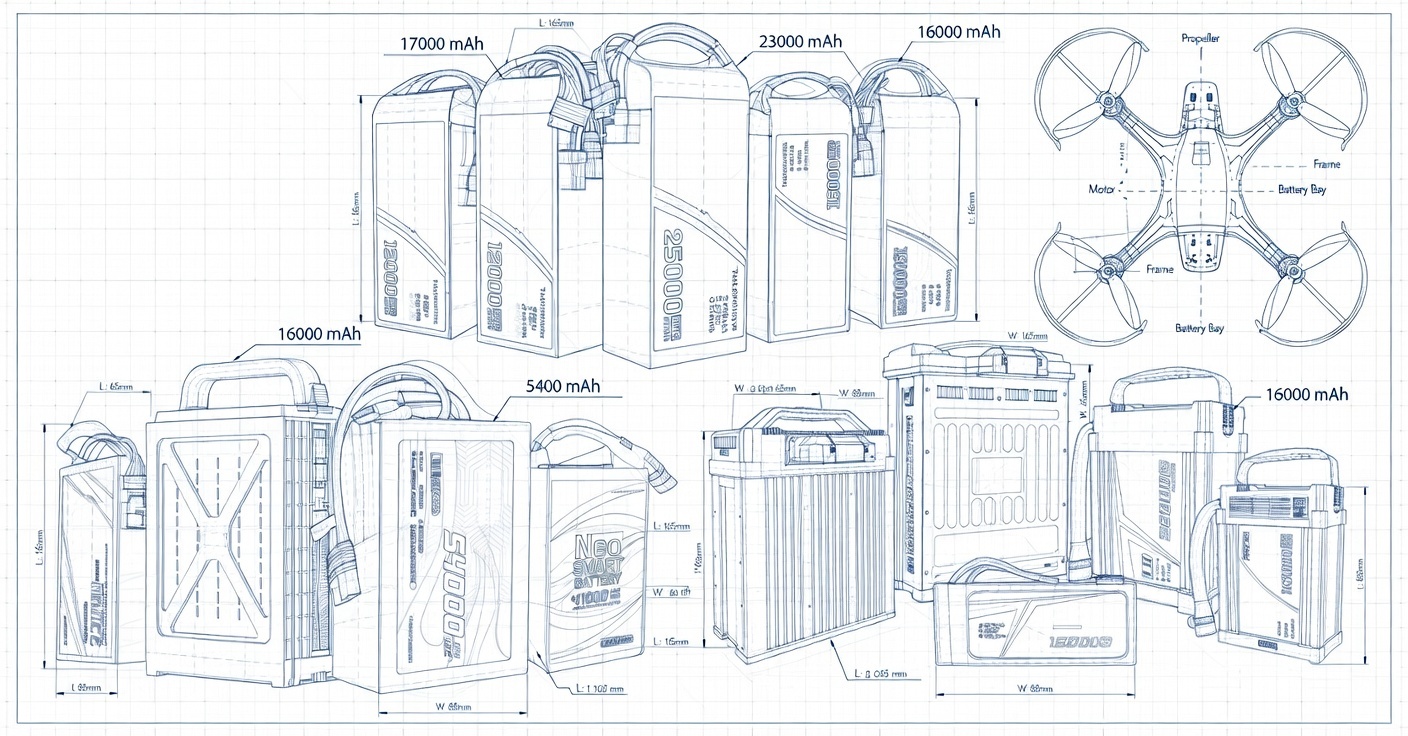
- Design for Disassembly: Choose modular batteries (like CNS’s lightweight, waterproof designs) that simplify recycling.
- Train Teams on Compliance Protocols: Regular workshops cut error rates by 45% (Sustainable Aviation Alliance).
Example: A major logistics eVTOL operator reduced compliance costs by 37% by switching to a battery supplier offering integrated recycling partnerships.
Implementing Sustainable Practices: A Step-by-Step Guide
Turn theory into action with this practical roadmap:
- Audit Your Current Process: Track battery types, usage cycles, and disposal methods.
- Identify Compliance Gaps: Cross-reference with EU Battery Regulation or local laws.
- Select a Certified Partner: Prioritize suppliers with end-to-end recycling guarantees (e.g., CNS Battery’s 100% traceability).
- Integrate Digital Tools: Use battery management systems for real-time compliance monitoring.
- Report and Iterate: Share annual sustainability reports to build client trust.
Pro Tip: Start small. Pilot recycling for one drone fleet, then scale. CNS Battery’s custom solutions let you test compliance strategies with minimal risk.
Why Partnering with a Trusted Battery Manufacturer Makes a Difference
Choosing a battery provider isn’t just about performance—it’s about future-proofing your operations. Leading manufacturers like CNS Battery embed recycling compliance into their R&D. For example, their solid-state drone batteries are engineered for easier disassembly, while their global network ensures 95% of batteries are diverted from landfills.
CNS’s commitment to “reliable battery innovation” isn’t marketing fluff. Their modular battery designs—tested for industrial inspection, agriculture, and delivery—undergo rigorous safety checks that align with ISO 45001 and IEC 62619 standards. When you partner with them, you’re not buying batteries; you’re securing a compliance partner with 15 years of drone battery expertise.
Conclusion: Safety, Compliance, and Your Competitive Edge
Drone battery safety and recycling compliance are inseparable in the eVTOL age. Ignoring them risks fines, operational halts, and lost clients. Prioritizing them unlocks efficiency, trust, and market leadership. Key takeaways:
- Recycling isn’t optional—it’s a regulatory and ethical imperative.
- Data-driven tracking eliminates guesswork and reduces costs.
- Strategic partnerships turn compliance into a business advantage.
The future of eVTOL isn’t just about flying higher—it’s about operating responsibly, sustainably, and with zero regrets.
Ready to Elevate Your Drone Battery Compliance?
Don’t wait for regulations to catch up with your operations. CNS Battery delivers custom, compliance-ready drone battery solutions designed for safety, efficiency, and environmental stewardship. Our global team specializes in eVTOL-specific recycling integration, ensuring your batteries meet today’s standards and tomorrow’s demands.
Get your free quote today and join the 85% of top eVTOL operators who’ve already upgraded their battery safety and compliance strategy. Visit our contact page to connect with a dedicated consultant—your personalized solution awaits in under 3 working days.