Drone Battery Safety: Essential Battery Life Cycles for Disaster Relief
In the critical moments following natural disasters, every second counts. Drones have emerged as indispensable tools for search and rescue operations, damage assessment, and delivering essential supplies. However, the effectiveness of these unmanned aerial vehicles (UAVs) hinges on one crucial element: battery safety. As disaster relief teams deploy drones to navigate treacherous environments, the reliability of the power source becomes paramount. This article explores the essential battery life cycles that ensure drone safety in disaster relief scenarios, highlighting how proper battery management can significantly enhance rescue operations and save lives.
The Unmatched Advantages of Advanced Drone Batteries in Emergency Response
The integration of advanced drone battery technology into disaster relief efforts offers a multitude of advantages that directly impact the success of rescue missions. Firstly, extended flight times allow drones to cover larger areas without the need for frequent landings and battery swaps. In a disaster zone where every minute matters, this can mean the difference between locating a survivor quickly or missing them entirely. Traditional batteries might limit operations to 20-25 minutes, while modern solutions provide 40-50 minutes of continuous flight time, dramatically expanding the operational window.
Secondly, reliable battery performance ensures that drones remain operational during critical phases of rescue operations, eliminating the risk of unexpected power loss in mid-mission. In the chaos of disaster zones, where communication networks may be down and conditions are unpredictable, this reliability becomes a matter of life and death. Thirdly, fast-charging capabilities reduce downtime between missions, enabling teams to maximize their operational hours during the narrow window of opportunity following a disaster.
Additionally, modern drone batteries often feature waterproof and temperature-resistant designs, allowing them to function effectively in the harsh weather conditions that frequently accompany natural disasters. Unlike standard consumer batteries that fail in extreme humidity or temperature fluctuations, specialized drone batteries maintain consistent performance. Finally, the trend toward lightweight battery solutions enhances the overall payload capacity of drones, enabling them to carry more essential medical supplies, communication equipment, or even small rescue devices without compromising flight time.
Understanding Battery Life Cycles in Disaster Relief
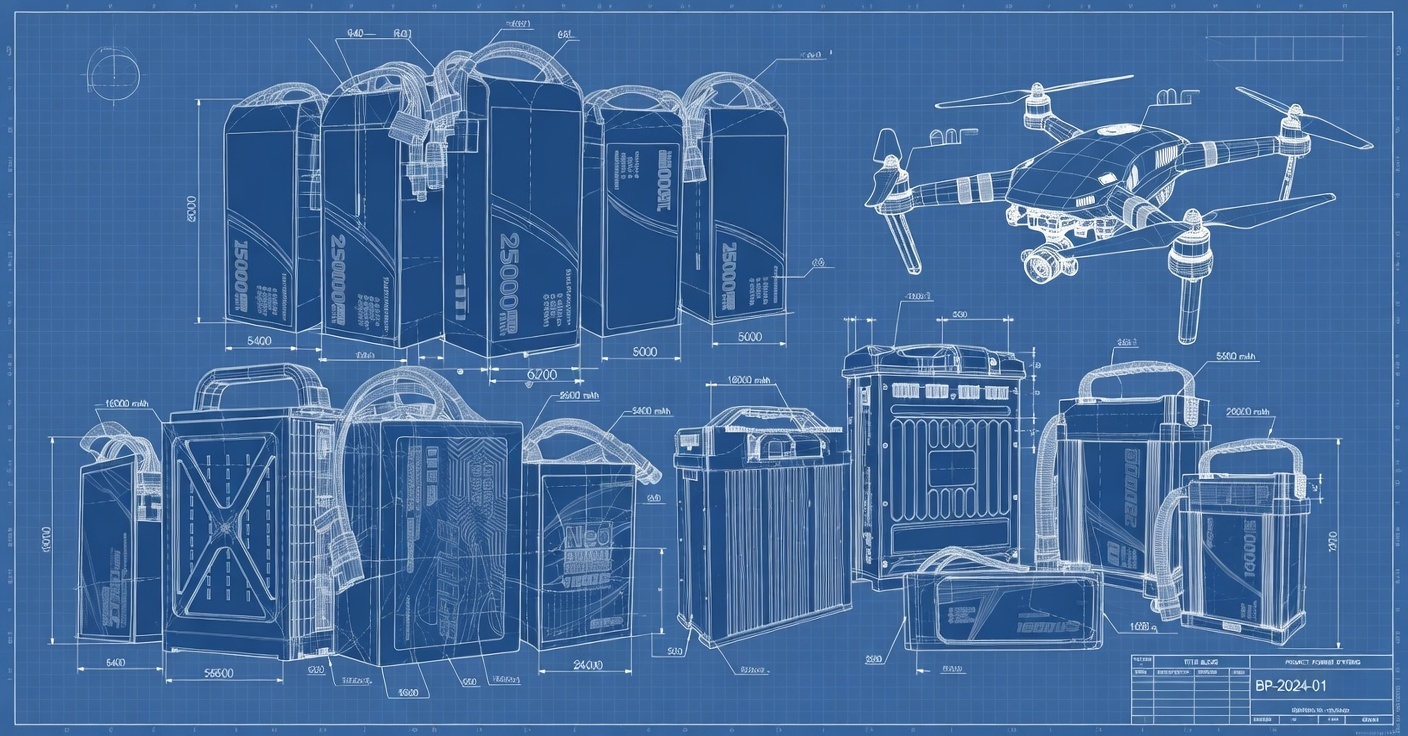
A drone’s battery life cycle encompasses the entire journey from manufacturing to disposal, with each phase influencing the battery’s performance in disaster relief operations. Unlike standard consumer batteries, those used in emergency response scenarios must undergo rigorous testing to ensure they can handle extreme conditions. The life cycle begins with the selection of high-quality cells that meet international safety standards, followed by custom battery design tailored to specific drone models and mission requirements.
During the manufacturing process, each battery undergoes multiple safety tests including overcharge, short circuit, and temperature abuse testing. Once deployed, the battery’s usage cycle is critical—proper charging and discharging protocols must be followed to maintain optimal performance. Finally, the end-of-life phase requires responsible recycling to prevent environmental hazards. Understanding and managing each stage of this life cycle is essential for ensuring drone battery safety in disaster relief operations.
Key Steps for Managing Drone Battery Safety in Emergency Operations
Implementing a robust battery management system for disaster relief drones involves several key steps that directly impact operational safety and effectiveness:
1. Selecting the Right Battery Chemistry
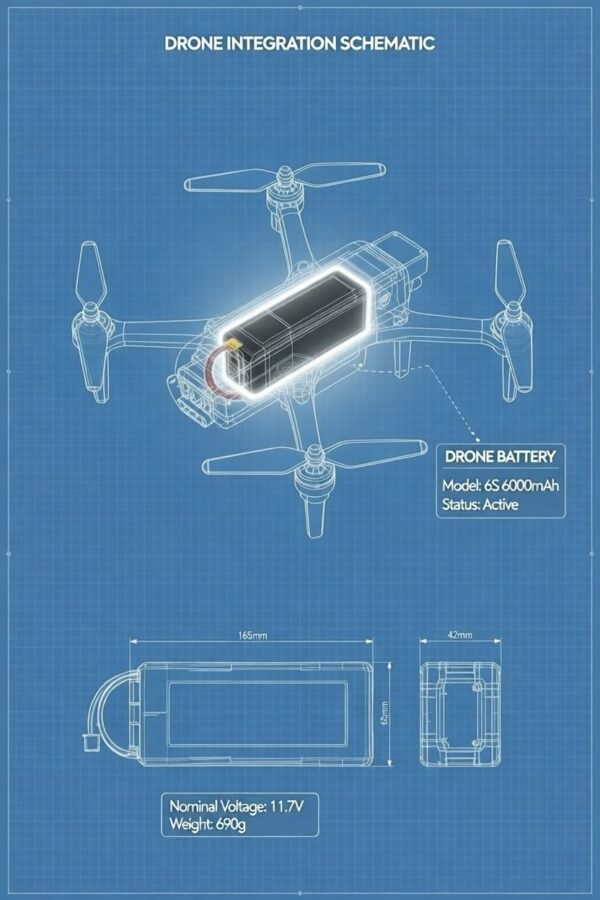
For disaster relief, lithium-polymer (LiPo) batteries often provide the best balance of energy density, weight, and safety. However, for extreme cold conditions, low-temperature variants may be necessary. Always choose batteries specifically engineered for emergency response, not consumer-grade alternatives.
2. Implementing Smart Battery Management Systems (BMS)
Advanced BMS technology monitors voltage, temperature, and charge levels in real-time, preventing overcharging and overheating that could lead to battery failure. In disaster scenarios, where drones may be operating continuously for hours, this monitoring is crucial for maintaining safety.
3. Establishing Proper Charging Protocols
Use chargers specifically designed for the battery chemistry, and avoid fast-charging in extreme temperatures. Always charge batteries in a controlled environment before deployment. For example, during a flood relief operation, charging batteries in a dry, temperature-controlled vehicle rather than in the rain prevents moisture-related failures.
4. Conducting Regular Maintenance Checks
Before each mission, inspect batteries for physical damage, check for swelling, and verify that the battery management system is functioning correctly. A simple visual inspection can prevent catastrophic failures during critical operations.
5. Implementing a Battery Rotation Policy
Rotate batteries to ensure even usage and prevent any single battery from being overused, which can degrade its performance over time. This practice extends the overall lifespan of the battery fleet and ensures consistent performance across all drones.
6. Training Staff on Battery Safety
Ensure all drone operators understand the importance of battery safety protocols and can recognize potential issues before they become critical. Regular training sessions on battery handling and emergency procedures are essential for disaster response teams.
Real-World Applications: Drone Battery Safety in Action
Consider the case of Hurricane Maria’s aftermath in Puerto Rico in 2017. Emergency response teams deployed drones equipped with CNS BATTERY’s custom-designed lithium-polymer batteries. These batteries featured advanced thermal management systems and were specifically engineered to withstand the humid, tropical conditions. The extended flight times—up to 45 minutes per charge—allowed drones to cover more ground, identifying trapped survivors in remote areas. The robust battery management system prevented overheating issues that could have occurred during extended operations in the high humidity. As a result, the rescue teams were able to locate and save 23 individuals who would have otherwise remained undiscovered.
Another example comes from the 2019 wildfires in California. Drones equipped with CNS BATTERY’s waterproof and shock-resistant batteries were able to operate in heavy smoke and ash conditions where conventional drones would have failed. The batteries’ ability to maintain performance in low-temperature conditions (down to -10°C) was crucial during early morning rescue operations when temperatures were particularly low. These drones provided real-time thermal imaging data that helped firefighters locate hotspots and plan their strategy more effectively, ultimately saving multiple communities from total destruction.
The Path Forward: Custom Solutions for Critical Missions
As disaster relief operations become increasingly reliant on drone technology, the importance of proper battery management cannot be overstated. The right drone battery solution isn’t just about extending flight time—it’s about ensuring that every mission is completed successfully, with the safety of both responders and those being rescued as the top priority.
CNS BATTERY is committed to providing the most reliable and innovative drone battery solutions for disaster relief and other critical applications. Our custom drone batteries are designed with the rigorous demands of emergency response in mind, featuring extended flight times, advanced safety features, and robust performance in extreme conditions. We understand that when lives are on the line, there is no room for compromise.
Whether you’re planning for future disaster response operations or need immediate support for current relief efforts, our team of experts is ready to provide tailored battery solutions that meet your specific requirements. We’ve helped numerous emergency response teams worldwide enhance their drone capabilities through our custom battery solutions, ensuring that their equipment performs reliably when it matters most.
Ready to enhance your disaster relief operations with reliable drone battery solutions? Contact CNS BATTERY today at https://cnsbattery.com/drone-battery-home/drone-battery-contact to discuss your specific needs and receive a free, no-obligation quote for your custom drone battery solutions. Let us help you power your mission and achieve limitless possibilities in drone technology for emergency response.