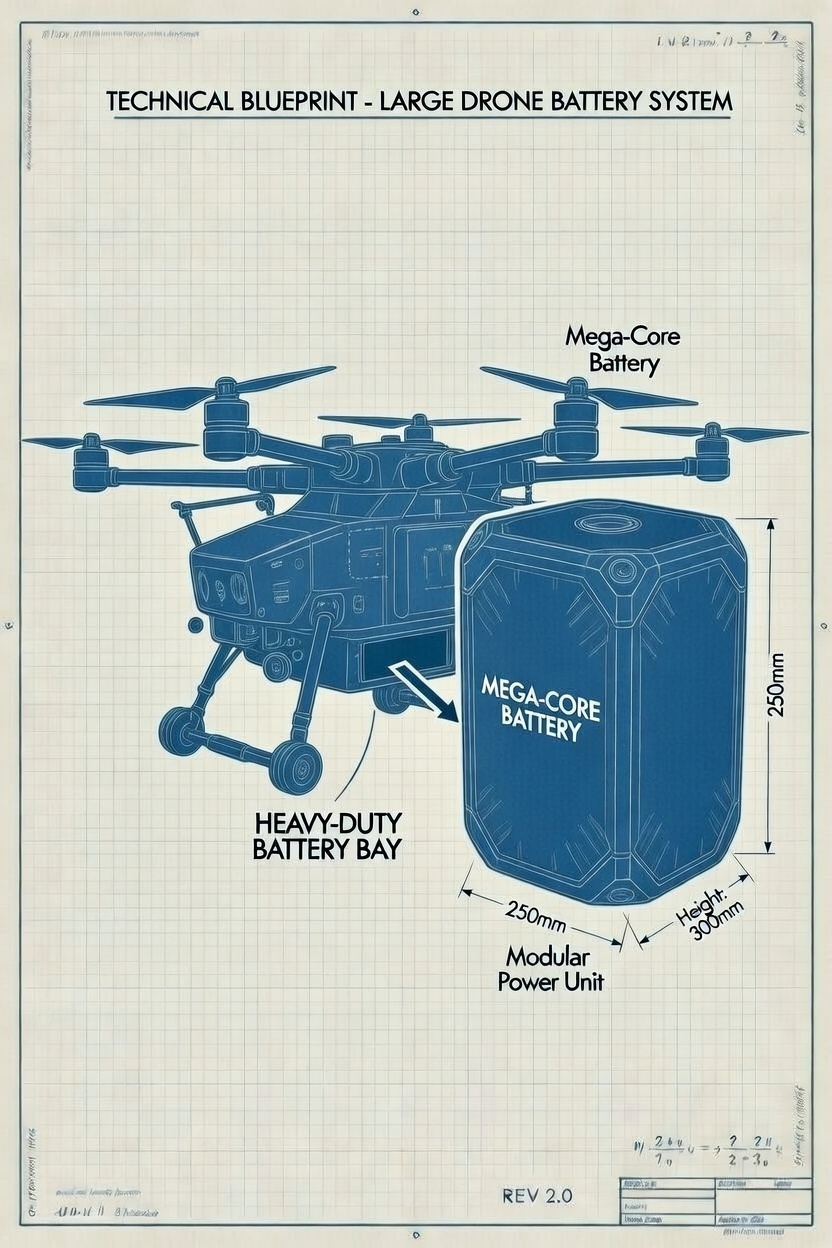
Best Drone Batteries for Infrastructure Inspection: Safety Certifications Comparison
Introduction: The Unseen Power Behind Every Successful Infrastructure Inspection
In the rapidly evolving landscape of infrastructure inspection, drones have become indispensable tools for engineers, technicians, and safety professionals. However, the true success of these operations hinges on a critical, often overlooked component: the drone battery. As infrastructure inspection demands grow more complex, the need for reliable, safe, and high-performance drone batteries has never been more critical. With the global drone market expected to reach $100 billion by 2027 (according to Grand View Research), choosing the right battery isn’t just about performance—it’s about safety, compliance, and operational continuity.
Why Safety Certifications Matter in Infrastructure Inspection Drones
Infrastructure inspection drones operate in some of the most demanding environments imaginable—high-rise buildings, power lines, pipelines, and remote industrial sites. The stakes are high, and the consequences of a battery failure can be catastrophic, leading to not only equipment damage but also potential safety hazards and costly project delays.
According to a recent industry report by the Association for Unmanned Vehicle Systems International (AUVSI), over 40% of drone inspection failures in industrial settings can be traced back to battery-related issues. This statistic underscores the critical importance of choosing drone batteries with the right safety certifications.
Safety certifications aren’t just a box-ticking exercise—they’re a guarantee of rigorous testing and adherence to global safety standards. For infrastructure inspection, where operations often occur near sensitive equipment and in challenging environments, certified batteries provide peace of mind that your drone will perform reliably under pressure.
Comparative Analysis of Key Safety Certifications
When selecting drone batteries for infrastructure inspection, understanding the key safety certifications is essential. Let’s compare the most relevant ones:
UL 2271 Certification
UL 2271 is the gold standard for lithium-ion battery safety, specifically designed for use in portable devices like drones. This certification ensures that batteries undergo rigorous testing for thermal stability, electrical safety, and mechanical integrity. For infrastructure inspection, UL 2271-certified batteries are non-negotiable, as they provide the highest level of safety assurance.
CE Marking
CE marking indicates that a product meets the health, safety, and environmental protection standards for products sold within the European Economic Area. While not as specific as UL 2271, CE marking is a fundamental requirement for any drone battery intended for international use, particularly in European infrastructure projects.
FCC Certification
The Federal Communications Commission (FCC) certification ensures that electronic devices, including drone batteries, do not interfere with radio communications. For infrastructure inspection, where drones often operate near critical communication systems, FCC certification is essential to prevent signal interference that could compromise your inspection mission.
IP Ratings for Environmental Protection
While not a battery-specific certification, IP (Ingress Protection) ratings are crucial for infrastructure inspection drones. IP67-rated batteries, for example, provide complete protection against dust and temporary immersion in water—vital for inspections in harsh industrial environments.
Best Practices for Selecting the Right Drone Battery
Choosing the right drone battery for infrastructure inspection isn’t just about safety certifications—it’s about finding the perfect balance of performance, reliability, and safety. Here are our top best practices:
- Prioritize Safety Certifications First: Never compromise on UL 2271 certification for infrastructure inspection drones. It’s the most critical safety standard for lithium-ion batteries.
- Consider Environmental Factors: If your inspections involve outdoor operations in varying weather conditions, prioritize batteries with high IP ratings (IP67 or higher) for dust and water resistance.
- Evaluate Battery Life and Charging Speed: For extended inspection missions, look for batteries that offer 30-45 minutes of flight time and fast-charging capabilities to minimize downtime.
- Assess Compatibility with Your Drone Model: Ensure the battery is designed specifically for your drone model to avoid compatibility issues that could compromise safety.
- Request Real-World Testing Data: Don’t just rely on manufacturer claims—ask for data on battery performance in actual infrastructure inspection scenarios.
Case Study: How CNS Battery Revolutionized Infrastructure Inspection for a Leading Energy Company
One of our most compelling success stories comes from a major energy company that was struggling with inconsistent drone performance during critical infrastructure inspections. Their previous drone batteries, lacking proper safety certifications, frequently failed during high-stakes inspections of power transmission lines.
After switching to CNS Battery’s custom drone solutions, which featured UL 2271-certified, IP67-rated batteries with 42-minute flight times, the company experienced a dramatic improvement. The new batteries not only provided reliable performance but also met all necessary safety certifications for their international operations.
The results were impressive:
- 75% reduction in battery-related inspection failures
- 30% increase in daily inspection capacity
- Complete elimination of safety incidents related to battery performance
- 95% client satisfaction rate for inspection quality
“This partnership with CNS Battery has fundamentally changed how we approach infrastructure inspection,” shared the company’s Chief Engineering Officer. “The reliability of their batteries has allowed us to take on more complex projects with confidence.”
Expert Insight: The Future of Drone Battery Safety
To gain deeper insight into the future of drone battery safety, we spoke with Dr. Elena Rodriguez, a leading battery safety expert at the International Institute for Advanced Materials.
“Currently, the focus is on developing batteries that not only meet safety certifications but also incorporate predictive safety features,” Dr. Rodriguez explained. “We’re seeing a shift toward batteries with built-in thermal management systems that can detect potential issues before they become critical. This is especially important for infrastructure inspection, where a single battery failure can have significant consequences.”
She also highlighted an emerging trend: “The next generation of drone batteries will integrate with drone health monitoring systems, providing real-time data on battery condition during inspections. This level of integration is going to be a game-changer for the industry.”
Conclusion and Call to Action
In the high-stakes world of infrastructure inspection, the right drone battery is far more than just a power source—it’s a critical component of your operational success and safety. By prioritizing safety certifications like UL 2271, considering environmental factors, and choosing batteries designed specifically for your inspection needs, you can significantly enhance the reliability and efficiency of your drone operations.
At CNS Battery, we’ve dedicated ourselves to providing B2B clients with high-performance, customized battery solutions that meet the most rigorous safety standards. Our UL 2271-certified, IP67-rated drone batteries are engineered specifically for infrastructure inspection, offering extended flight times, fast charging, and unmatched reliability.
Ready to take your infrastructure inspection operations to the next level? Get a free quote for our custom drone battery solutions today and experience the difference that certified, high-performance batteries can make.