Avoid Common Mistakes in Total Cost of Ownership (TCO) for Construction Mapping Drones
In the rapidly evolving landscape of construction and surveying technology, drone mapping has become an indispensable tool for enhancing project efficiency and accuracy. However, many companies fail to consider the full spectrum of costs associated with drone operations, leading to unexpected expenses and reduced ROI. The Total Cost of Ownership (TCO) for construction mapping drones is often misunderstood, with businesses focusing solely on the initial purchase price while overlooking critical factors that impact long-term operational costs. According to a recent Gartner report, companies that properly calculate and manage TCO for their drone fleets see an average of 35% lower operational costs over a three-year period compared to those who focus solely on upfront costs. This oversight can lead to significant financial strain and suboptimal performance, ultimately undermining the very benefits these advanced tools are meant to deliver.
The Hidden Cost of Battery Performance
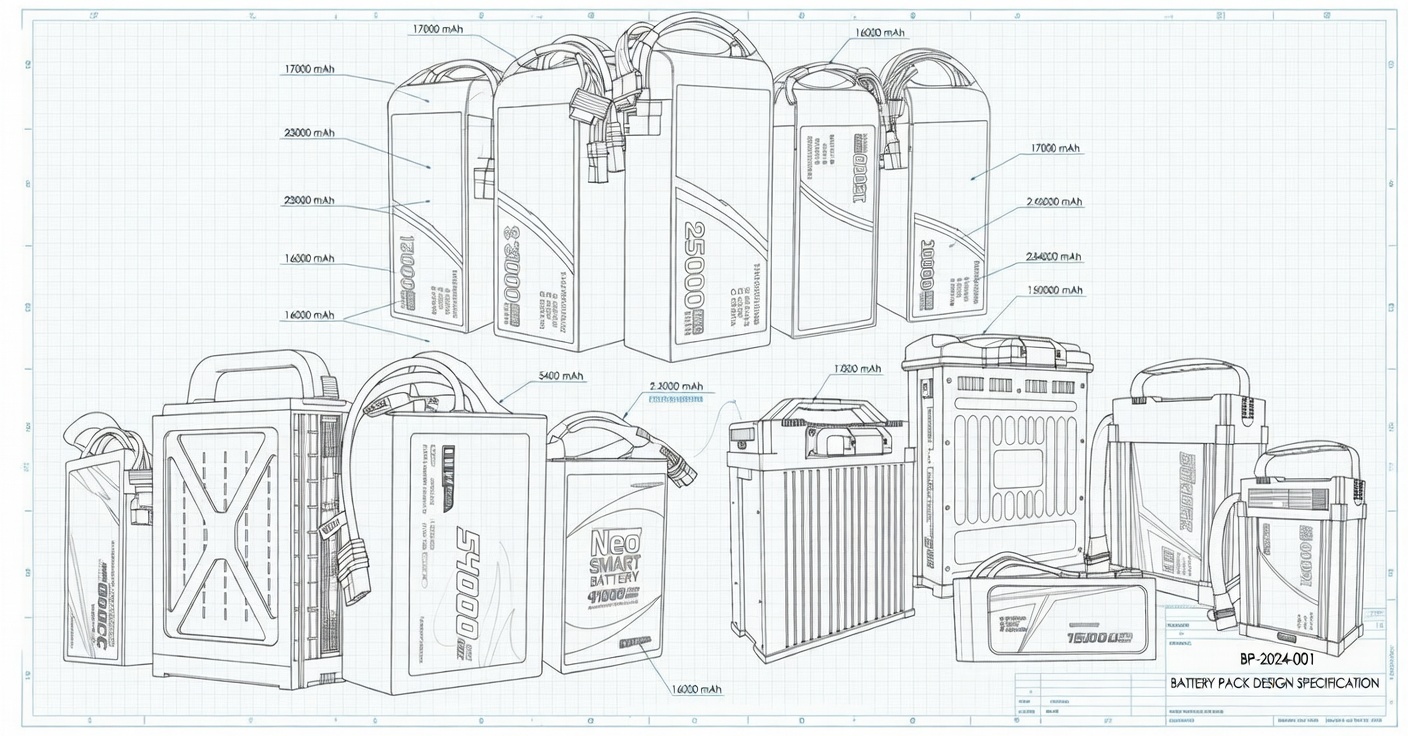
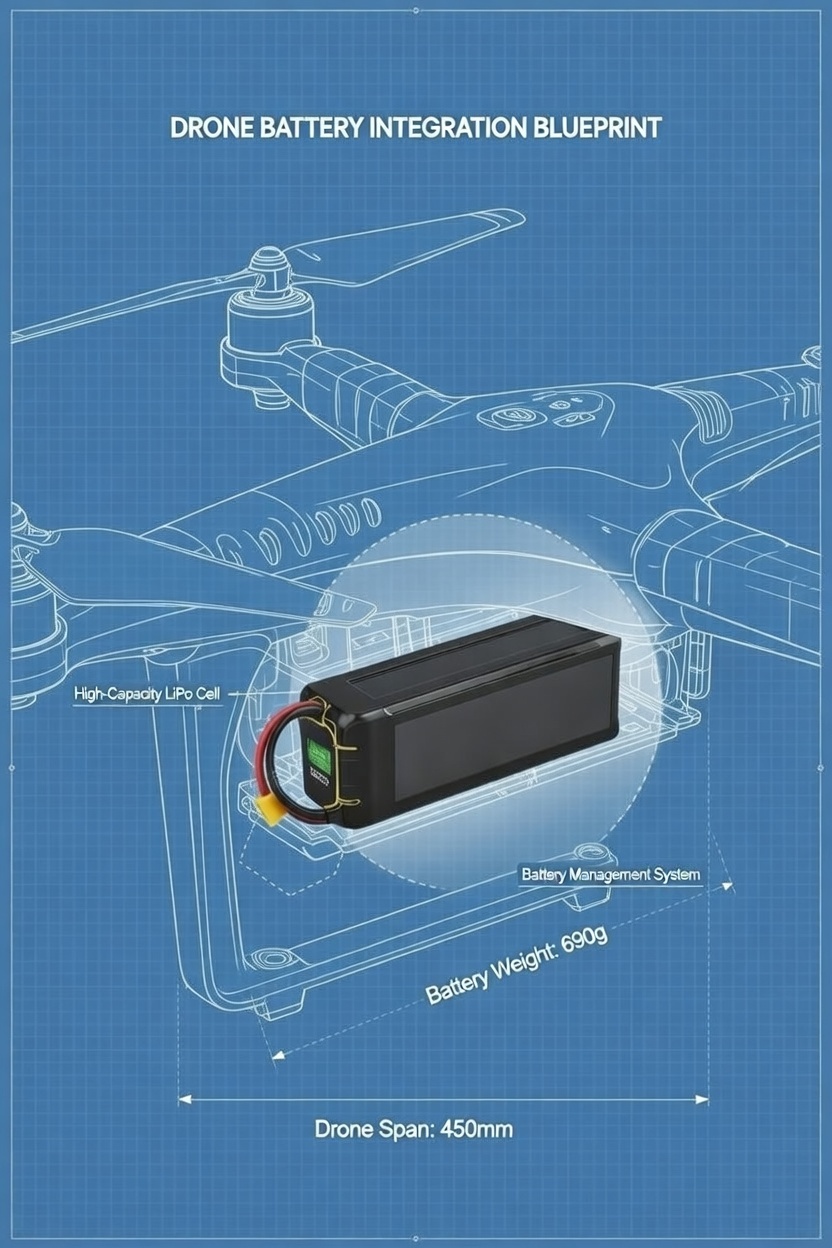
One of the most overlooked aspects of drone TCO is battery performance. Many companies purchase drones with standard batteries, not realizing that battery quality significantly impacts flight time, charging cycles, and overall operational efficiency. The battery is the heart of any drone operation, yet it’s often treated as an afterthought in budget planning.
Key considerations for battery performance:
- Battery capacity directly affects flight time, reducing the need for frequent landings and battery swaps
- High-quality batteries offer more charge cycles, reducing the frequency of replacements
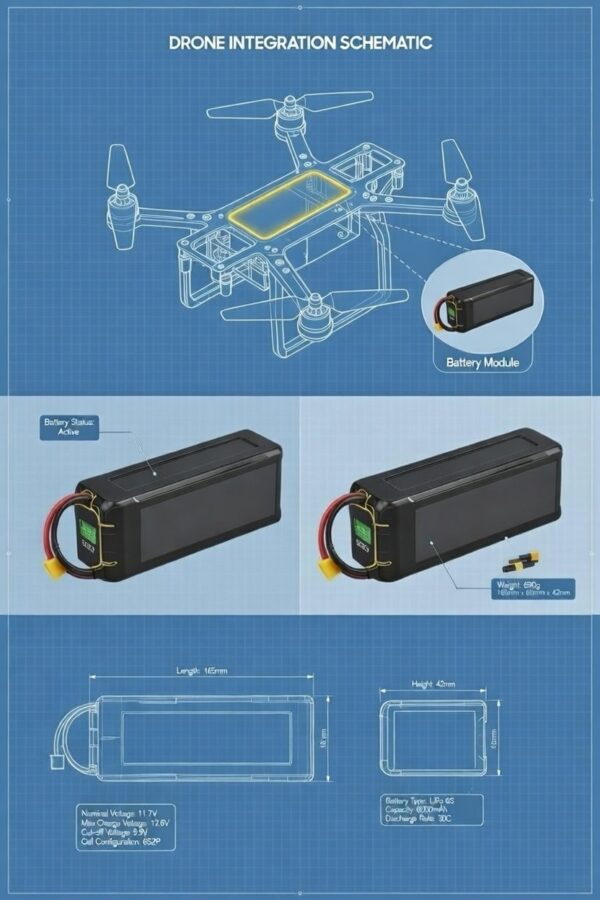
- Battery management systems impact the overall reliability of drone operations
Real-world example: A standard drone battery might offer 25 minutes of flight time, requiring two battery swaps per hour of operation. In contrast, a high-capacity battery could provide 45 minutes of flight time, reducing the need for swaps and increasing productive time. Over a year, this difference can save thousands of dollars in operational costs and increase project throughput. A study by the Association for Unmanned Vehicle Systems International (AUVSI) found that companies using high-performance batteries for their construction drones experienced a 28% reduction in overall operational costs due to increased flight time and reduced downtime.
Underestimating Maintenance and Replacement Costs
Many businesses fail to account for the ongoing maintenance and eventual replacement of drone components, particularly batteries. The average drone battery lasts between 300-500 charge cycles before needing replacement, but this can vary significantly based on quality and usage conditions.
Common maintenance cost pitfalls:
- Failing to implement regular battery health checks
- Not budgeting for battery replacements
- Ignoring the hidden costs of operational downtime
- Overlooking warranty terms and service agreements
Real-world example: A construction firm purchasing a drone with a $200 battery might not realize that replacing it after 300 cycles (at $200 per replacement) would cost $200 x 3 = $600 annually, assuming they use the drone daily. This is a significant cost that many companies overlook in their initial budgeting. According to a report by Drone Industry Insights, 67% of construction companies that use drones experience unexpected battery-related costs within the first year of operation, with an average additional expense of $1,200 per drone annually.
Overlooking Compatibility and Scalability
Another common mistake is choosing drone systems that lack compatibility with future needs or fail to scale with growing project demands. This often leads to costly system upgrades or the need to purchase entirely new drone fleets.
Critical factors for compatibility and scalability:
- Battery compatibility across different drone models
- Modular battery systems that can be upgraded or expanded
- Future-proofing against technological advancements
- Integration with existing surveying software and workflows
Real-world example: A construction company invests in a drone system with proprietary batteries that are not compatible with future models. When they need to expand their fleet or upgrade to newer models, they must purchase entirely new batteries, adding unnecessary costs. In contrast, a modular battery system allows for seamless integration and scaling. CNS Battery’s modular drone battery solutions, designed specifically for industrial applications, offer compatibility across multiple drone models and can be easily upgraded as technology advances. This approach has helped several construction firms reduce their TCO by up to 25% over a five-year period.
Neglecting Environmental Factors
Environmental conditions significantly impact drone battery performance, which in turn affects TCO. Temperature extremes, humidity, and other environmental factors can reduce battery efficiency and lifespan, leading to unexpected operational disruptions.
Environmental considerations for optimal TCO:
- Battery performance in different temperature ranges
- Waterproofing and dust resistance
- Battery management for extreme conditions
- Environmental testing data
Real-world example: A construction drone operating in cold temperatures (below 0°C) might experience a 30-50% reduction in battery capacity, requiring more frequent landings and potentially delaying projects. High-quality batteries designed for low-temperature operations can maintain performance in these conditions, reducing operational disruptions. A study by the International Association of Drilling Contractors (IADC) found that drones using low-temperature optimized batteries experienced 40% fewer operational disruptions in cold weather conditions compared to standard batteries.
Implementing a Comprehensive TCO Strategy
To avoid these common TCO pitfalls and maximize the ROI of your drone mapping system, consider implementing the following strategies:
- Prioritize Battery Quality and Performance: Invest in high-capacity, long-lasting batteries that offer more flight time and charge cycles. This reduces the need for frequent battery swaps and replacements.
- Implement a Battery Management System: Track battery health, usage patterns, and performance metrics to predict and prevent failures before they occur. This proactive approach minimizes unexpected downtime.
- Choose Modular and Scalable Solutions: Opt for battery systems that are compatible across multiple drone models and can be upgraded as your needs evolve. This future-proofs your investment.
- Factor in Environmental Conditions: Select batteries designed for the specific environmental conditions of your construction sites, whether it’s extreme cold, heat, or humidity.
- Request a Custom Battery Solution: Work with a trusted battery manufacturer to develop a solution tailored to your specific drone models and operational needs.
By implementing these strategies, construction firms can significantly reduce their drone TCO, increase operational efficiency, and maximize the value of their drone investments.
Transform Your Construction Mapping Operations Today
Ready to optimize your construction drone TCO? CNS Battery specializes in providing custom drone battery solutions designed for B2B excellence, offering high-capacity, long-lasting, waterproof, and lightweight modular batteries that undergo rigorous testing for stable and efficient operation in industrial settings.
Whether you’re looking to extend your drone’s range, improve safety, or reduce operational costs, CNS Battery’s expertise can help you achieve your goals. Our solutions are engineered specifically for construction mapping applications, ensuring maximum efficiency and minimal downtime.
Get your customized drone battery solution today and experience the difference that high-performance batteries can make in your construction mapping operations.
Get Your Custom Drone Battery Quote Now
Don’t let TCO mistakes undermine your drone investment. Contact CNS Battery today to discuss your specific requirements and take the first step toward a more cost-effective, efficient drone mapping solution for your construction projects. Our dedicated consultants will contact you within 3 working days to help you optimize your drone battery strategy and maximize your operational ROI. Let’s build the future of construction mapping together.