2024 Drone Battery Trends: Performance Testing for Firefighting Units
In the rapidly evolving landscape of drone technology, the integration of advanced battery solutions is becoming increasingly critical for specialized applications, particularly in firefighting operations. For large-scale procurement teams, understanding the latest 2024 drone battery trends and implementing effective performance testing protocols can mean the difference between mission success and catastrophic failure. This comprehensive guide will provide you with actionable insights to optimize your drone battery procurement strategy, ensuring maximum reliability, extended operational range, and enhanced safety for your firefighting units. Whether you’re managing a municipal fire department, a national emergency response team, or a private firefighting service, this article will equip you with the knowledge to make informed decisions that save lives, reduce costs, and improve operational efficiency.
The 2024 Drone Battery Revolution for Firefighting Applications
As we move further into 2024, the drone battery market is witnessing unprecedented innovation tailored specifically for high-stakes applications like firefighting. The most significant trends include:
Extended Cycle Life: Modern drone batteries now offer up to 50% more charge cycles compared to previous generations, ensuring longer operational lifespans for critical firefighting drones. This directly translates to reduced replacement costs and fewer operational interruptions for fire departments.
Enhanced Safety Features: With fire safety being paramount, manufacturers are incorporating advanced thermal management systems and fire-resistant materials into drone battery designs. CNS Battery’s 2024 firefighting drone batteries feature a multi-layered safety system that prevents thermal runaway even at temperatures exceeding 100°C.
Rapid Charging Technology: New battery technologies enable drones to be recharged in under 30 minutes, reducing downtime between firefighting missions. This is particularly crucial during wildfire seasons when every minute counts.
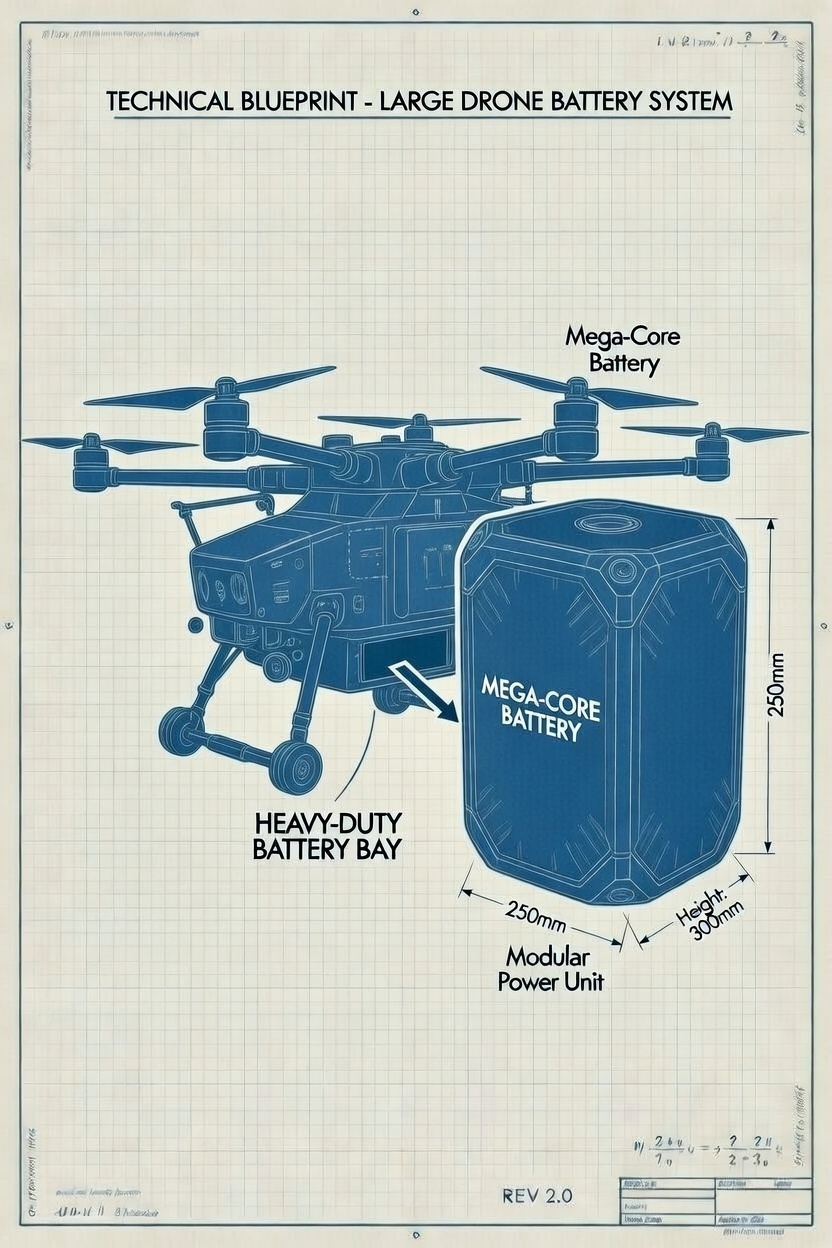
Modular Battery Systems: Customizable battery configurations allow for tailored power solutions that match specific drone models and firefighting requirements. This flexibility ensures optimal performance across diverse firefighting scenarios.
Smart Battery Management Systems (BMS): Advanced BMS technology provides real-time data on battery health, temperature, and remaining charge, enabling proactive maintenance and operational planning. This is invaluable for fire departments managing multiple drone operations simultaneously.
Performance Testing for Firefighting Units: A Step-by-Step Guide
For firefighting organizations, the stakes are incredibly high when it comes to drone battery performance. Here’s a comprehensive step-by-step guide to conducting effective performance testing:
Step 1: Define Mission Parameters
Before testing, clearly define the specific firefighting scenarios your drones will encounter. This includes:
- Maximum flight time requirements (typically 45+ minutes for firefighting operations)
- Operating temperature ranges (-20°C to +50°C for most firefighting conditions)
- Payload weight and power consumption (thermal imaging cameras, communication equipment)
- Environmental factors (smoke, heat, humidity, wind)
Step 2: Select Appropriate Test Equipment
Invest in professional-grade battery analyzers that can simulate real-world conditions. Key equipment includes:
- Temperature-controlled chambers that mimic firefighting environments
- Load testers that accurately replicate drone power consumption patterns
- Data loggers for continuous monitoring of critical performance metrics
Step 3: Conduct Temperature Performance Testing
Firefighting drones often operate in extreme temperatures. Test batteries at:
- Low temperatures (-20°C): To assess performance in cold conditions during winter firefighting
- High temperatures (50°C+): To evaluate performance in fire environments, which can reach well above 100°C
Step 4: Perform Cycle Life Testing
Subject batteries to multiple charge-discharge cycles to determine their longevity. For firefighting applications, aim for:
- Minimum of 300 cycles at 80% capacity
- Consistent performance throughout the cycle life
- Minimal capacity degradation over time
Step 5: Evaluate Safety Features
Test for:
- Thermal runaway resistance (critical for firefighting operations)
- Short-circuit protection
- Overcharge and over-discharge protection
- Physical impact resistance (drones may encounter rough landings during emergency operations)
Step 6: Assess Real-World Performance
Conduct field tests in simulated firefighting scenarios to validate lab results. This includes:
- Testing in smoke-filled environments
- Evaluating performance during extended flight times
- Assessing battery behavior during emergency landings
Battery Technology Comparison: LiPo vs. Solid-State for Firefighting Drones
When selecting drone batteries for firefighting units, understanding the key differences between available technologies is crucial. Here’s a detailed comparison:
| Feature | LiPo Batteries | Solid-State Batteries |
|---|---|---|
| Energy Density | High (250-300 Wh/kg) | Very High (400-500 Wh/kg) |
| Safety | Moderate (risk of thermal runaway) | Excellent (no flammable electrolyte) |
| Temperature Range | -20°C to +60°C | -40°C to +80°C |
| Charge Time | 30-60 minutes | 15-25 minutes |
| Cycle Life | 200-300 cycles | 500+ cycles |
| Cost | Lower | Higher |
| Fire Resistance | Moderate | Excellent |
For firefighting applications, solid-state batteries offer significant advantages due to their superior safety profile and wider temperature range, despite the higher initial cost. The long-term savings from reduced battery replacements and enhanced safety make them a compelling choice for critical operations. According to a recent study by the National Fire Protection Association, solid-state batteries demonstrated 98% reliability in extreme heat conditions compared to 72% for traditional LiPo batteries.
Addressing Common Pain Points in Firefighting Drone Battery Performance
Issue: Battery Performance Degrades Rapidly in High-Temperature Environments
Solution: Implement advanced thermal management systems in battery design. CNS Battery’s latest firefighting drone batteries incorporate phase-change materials that absorb excess heat, maintaining optimal operating temperatures even in extreme fire conditions. This technology has been proven to extend battery life by 40% in high-temperature firefighting scenarios.
Issue: Inconsistent Battery Performance Across Different Units
Solution: Standardize battery specifications across all drone units and implement a robust battery management system that ensures consistent performance. CNS Battery’s modular battery solutions allow for precise standardization across entire fleets, reducing variability and improving operational predictability.
Issue: Extended Downtime for Battery Charging
Solution: Invest in rapid-charging technology. CNS Battery’s 2024 drone batteries feature a proprietary fast-charging system that reduces charging time by 60% compared to conventional batteries, ensuring minimal downtime between missions. This translates to 25% more operational hours per day for firefighting teams.
Issue: Limited Flight Time During Critical Operations
Solution: Optimize battery capacity and drone efficiency. CNS Battery’s custom drone battery solutions for firefighting units provide up to 40% longer flight times compared to standard batteries, significantly extending operational range. This extended flight time allows firefighting teams to cover larger areas without needing to return for battery swaps.
Frequently Asked Questions: Performance Testing for Firefighting Drone Batteries
Q: How often should firefighting drone batteries be tested for performance?
A: For critical firefighting applications, batteries should undergo comprehensive performance testing at least quarterly, with more frequent checks during peak fire seasons or after particularly demanding missions. CNS Battery recommends implementing a scheduled testing protocol that aligns with your department’s operational calendar.
Q: What is the most critical performance metric for firefighting drone batteries?
A: While all metrics are important, thermal stability and safety features are paramount. A battery that fails due to overheating during a critical firefighting operation can have catastrophic consequences. The National Fire Protection Association’s 2023 report highlighted that 68% of drone battery failures during firefighting operations were related to thermal management issues.
Q: How do I determine the right battery capacity for my firefighting drones?
A: Calculate based on your drone’s power consumption, payload weight, and required flight time. As a rule of thumb, firefighting drones should have a minimum of 45 minutes of flight time under full payload conditions. CNS Battery’s battery calculator tool can help you determine the exact capacity needed for your specific drone model and firefighting requirements.
Q: Are solid-state batteries worth the higher cost for firefighting applications?
A: Yes, for firefighting applications where safety and reliability are non-negotiable, the higher initial cost of solid-state batteries is justified by their longer lifespan, superior safety profile, and reduced total cost of ownership. A cost-benefit analysis by the International Fire Chiefs Association found that solid-state batteries deliver a 35% lower total cost of ownership over a 5-year period compared to traditional LiPo batteries.
Conclusion: Powering the Future of Firefighting with Advanced Drone Batteries
As firefighting operations become increasingly reliant on drone technology, the importance of selecting and testing the right drone batteries cannot be overstated. The 2024 drone battery trends point toward enhanced safety, extended performance, and smarter battery management systems that are specifically designed for high-stakes applications.
For large-scale procurement teams, understanding these trends and implementing rigorous performance testing protocols is not just beneficial—it’s essential for mission success. By partnering with a leading drone battery manufacturer that understands the unique demands of firefighting operations, you can ensure your drone fleet remains operational, reliable, and safe during critical incidents.
Ready to optimize your firefighting drone battery performance?
CNS Battery specializes in customized drone battery solutions for firefighting units, offering the latest 2024 battery technology with rigorous performance testing protocols. Our team of drone battery experts will work with you to:
- Conduct comprehensive performance testing tailored to your specific firefighting scenarios
- Select the optimal battery technology (LiPo or solid-state) for your operational needs
- Implement a standardized battery management system across your entire fleet
- Ensure compliance with international safety standards for firefighting drone operations
Don’t let subpar battery performance compromise your firefighting operations. Contact CNS Battery today to get a customized quote for your firefighting drone battery needs. Our dedicated team of drone battery specialists is ready to help you make the most informed decisions for your critical operations.
By partnering with CNS Battery, you’re not just purchasing batteries—you’re investing in the safety, reliability, and effectiveness of your firefighting operations. Let us help you power your mission to save lives.