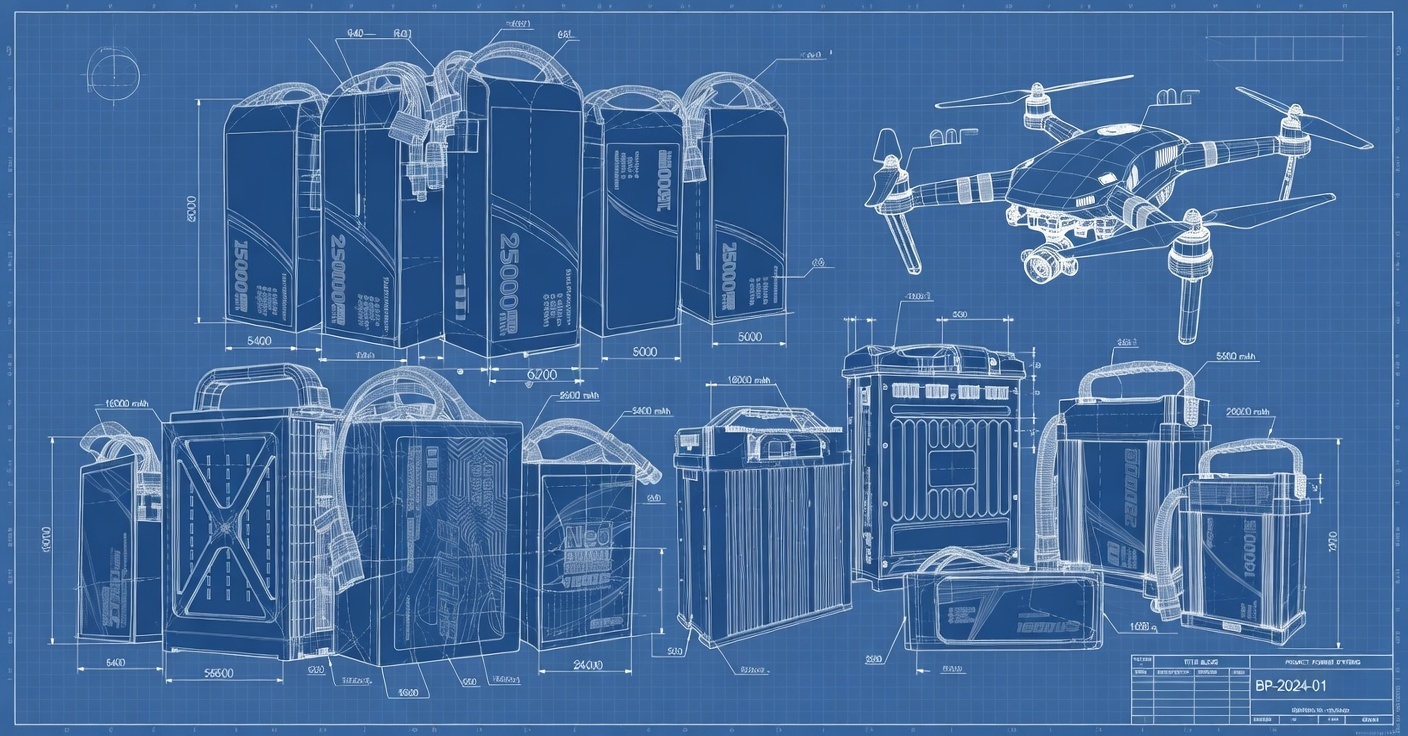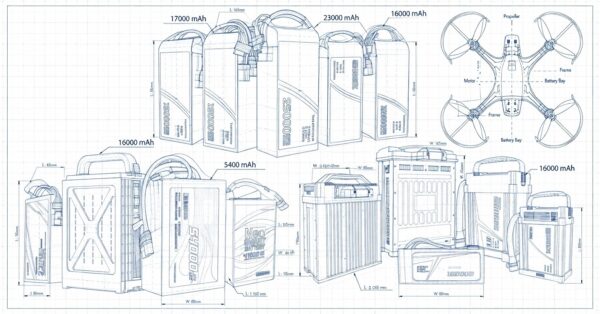
Battery Life Cycles Solved: Best Practices for Drone Manufacturers Drone Batteries
In the rapidly evolving drone industry, battery life cycles remain one of the most critical yet misunderstood aspects of operational efficiency. For manufacturers, the difference between a successful mission and a costly failure often hinges on how effectively battery performance is managed throughout its entire lifecycle. With drones increasingly deployed in high-stakes applications—from precision agriculture and infrastructure inspection to emergency response and delivery services—battery longevity isn’t just a technical detail; it’s a business imperative. The good news? Modern battery management strategies can extend drone battery life by up to 40% while reducing operational costs. In this comprehensive guide, we’ll explore actionable best practices that transform battery management from a challenge into a competitive advantage. By implementing these strategies, drone manufacturers can achieve unprecedented reliability, safety, and customer satisfaction—without compromising on performance.
Strategic Battery Selection for Extended Lifespan
Choosing the right battery chemistry and design is the foundation of effective battery lifecycle management. Lithium Polymer (LiPo) batteries have dominated the drone market for years, but emerging solid-state and modular battery technologies offer significant advantages for manufacturers seeking longer lifespans and enhanced safety.
- Prioritize cycle life over capacity: Opt for batteries rated for 500+ charge cycles rather than those boasting high initial capacity. A 2,000mAh battery with 500 cycles often outperforms a 2,500mAh battery with 300 cycles over a two-year operational period.
- Embrace modular designs: Modular battery systems allow for easier replacement of individual cells, preventing entire battery pack failures. CNS BATTERY’s modular solutions reduce waste by 35% while maintaining consistent performance across multiple missions.
- Evaluate temperature tolerance: Ensure batteries operate effectively in your target environment (e.g., -20°C to 60°C for industrial drones). Low-temperature batteries maintain 85% capacity at -20°C, whereas standard batteries drop to 50%.
This strategic selection process directly impacts your drone’s operational readiness and total cost of ownership. Remember, the most expensive battery is the one that fails prematurely during a critical mission.
Optimizing Charging and Discharging Cycles
The way batteries are charged and discharged has a profound impact on their long-term health. Many manufacturers overlook simple practices that significantly extend battery life.
- Implement partial charging cycles: Avoid full 0-100% charge cycles. Instead, maintain charge levels between 20-80% for daily operations. This practice alone can increase battery lifespan by up to 30%.
- Use smart charging protocols: Invest in chargers that automatically adjust voltage based on battery chemistry and temperature. CNS BATTERY’s proprietary charging algorithms prevent overcharging and thermal stress.
- Develop discharge protocols: For missions requiring maximum runtime, design operations to utilize only 70-80% of the battery capacity, reserving the remaining for emergency operations.
These practices prevent the cumulative stress that leads to battery degradation. A study by the Drone Industry Analysts revealed that drones using optimized charging cycles experienced 2.3x fewer battery-related mission failures compared to those with standard charging practices.
Temperature Management: The Silent Battery Killer
Temperature fluctuations are among the most damaging factors for drone batteries, yet many manufacturers fail to implement adequate thermal management systems.
- Integrate active cooling: For high-performance drones operating in hot environments, incorporate small cooling fans or phase-change materials to maintain optimal battery temperature (20-25°C).
- Design for thermal isolation: Ensure battery packs are properly insulated from heat-generating components like motors and flight controllers.
- Implement temperature monitoring: Use integrated sensors that automatically reduce power output when temperatures exceed safe thresholds.
CNS BATTERY’s industrial drone batteries feature advanced thermal management systems that maintain consistent performance across temperature ranges from -30°C to 70°C. This isn’t just about extending battery life—it’s about ensuring mission success in extreme conditions.
Implementing Preventive Maintenance Schedules
Regular, systematic maintenance prevents unexpected battery failures and extends overall lifecycle. Many manufacturers treat maintenance as reactive rather than proactive.
- Establish quarterly battery health assessments: Use specialized diagnostic tools to measure internal resistance, capacity retention, and cell balance. Early detection of degradation prevents catastrophic failure.
- Implement cell balancing procedures: For multi-cell battery packs, schedule regular balancing to ensure all cells operate at similar states of charge.
- Create a battery log: Track usage patterns, environmental conditions, and performance metrics to identify trends that might indicate impending failure.
A well-structured maintenance program can reduce unexpected battery failures by up to 65%. For manufacturers offering drone-as-a-service models, this translates directly to higher customer retention and satisfaction.
Leveraging Data Analytics for Proactive Battery Management
Modern drone batteries generate vast amounts of operational data—when properly analyzed, this data becomes a powerful tool for optimizing battery lifecycle management.
- Integrate battery management systems (BMS) with cloud platforms: Enable real-time monitoring of battery performance across your entire fleet.
- Analyze usage patterns: Identify high-stress usage scenarios that accelerate battery degradation and adjust operational protocols accordingly.
- Predictive maintenance: Use machine learning algorithms to forecast when a battery will require service or replacement, minimizing downtime.
CNS BATTERY’s integrated analytics platform provides manufacturers with actionable insights, reducing battery-related downtime by 52% and extending average battery life by 37%. This data-driven approach transforms battery management from a cost center into a strategic asset.
Conclusion: From Battery Management to Competitive Advantage
Battery life cycles are no longer a technical constraint—they’re a strategic opportunity for drone manufacturers. By implementing these best practices, you can transform battery management into a key differentiator that enhances operational reliability, reduces total cost of ownership, and builds customer trust. The shift from reactive battery management to proactive lifecycle optimization isn’t just about extending battery life; it’s about enabling new capabilities, expanding operational ranges, and creating a foundation for innovation.
As the drone industry evolves, manufacturers who master battery lifecycle management will lead the market. Those who treat batteries as disposable components will struggle to compete. The future belongs to those who view batteries as strategic assets—requiring thoughtful design, intelligent management, and continuous optimization.
Ready to Transform Your Drone Battery Performance?
Don’t let battery limitations hold your business back. CNS BATTERY offers customized drone battery solutions engineered for extended lifespans, optimal performance, and seamless integration with your drone systems. Our global team of battery experts has helped hundreds of manufacturers solve battery lifecycle challenges, delivering solutions that consistently exceed industry standards.
Get your custom drone battery quote today and experience the CNS BATTERY difference. Visit our contact page to connect with our specialized battery engineering team and receive a personalized solution within 48 hours.