Supply Chain Traceability Solved: Best Practices for Plant Protection Services Drone Batteries
In the rapidly expanding $12.3 billion global agricultural drone market, plant protection services demand absolute precision. Yet, 68% of field failures in crop-spraying drones stem from undetected battery inconsistencies—leaving farmers with wasted chemicals, lost harvests, and safety hazards. As regulatory scrutiny intensifies (think EU’s new drone safety directives), supply chain traceability isn’t optional—it’s the backbone of operational integrity. For B2B providers delivering drone batteries to agricultural fleets, mastering this system isn’t just about compliance; it’s the key to unlocking reliability, scalability, and trust. Here’s how to transform traceability from a compliance chore into a competitive advantage.
Why Traceability Matters in Plant Protection Drone Batteries
Plant protection drones operate in high-stakes environments: battery failures mid-spray mean toxic pesticides dispersing unevenly or mid-air. Unlike consumer drones, agricultural batteries face unique pressures:
- Chemical exposure (residue from pesticides)
- Extreme weather (humidity, temperature swings)
- Mission-critical uptime (a 10-minute delay can miss optimal spraying windows)
Without end-to-end traceability, you’re flying blind. A single batch of substandard cells could trigger cascading failures across thousands of drones. Conversely, a robust system ensures every battery meets the exact specifications for corrosion resistance, discharge stability, and safety certifications—directly impacting crop yields and client retention.
5 Actionable Best Practices for Supply Chain Traceability
1. Implement Blockchain-Verified Batch Tracking
Move beyond paper logs. Embed unique QR codes on each battery cell during manufacturing, linked to a blockchain ledger. This allows real-time verification from raw materials to field deployment.
Why it works:
- ✅ Prevents counterfeit cells (critical for lithium-ion batteries)
- ✅ Automates recall (identify affected batches in <2 minutes vs. 72+ hours manually)
- ✅ Meets EU/US regulatory demands (e.g., REACH compliance)
Pro Tip: Partner with suppliers using IoT sensors in production lines to auto-log environmental data (e.g., cell temperature during assembly).
2. Standardize Supplier Vetting with Digital Scorecards
Don’t rely on vendor promises. Require all battery component suppliers to share digital audit trails via platforms like SAP Ariba. Score them on:
- Material purity (e.g., cobalt sourcing ethics)
- Quality control metrics (defect rates, cycle life data)
- Traceability readiness (API access to their systems)
Real-world impact: A 2023 AgriTech study found companies using this method reduced battery-related field failures by 53%.
3. Integrate Battery Data with Farm Management Software
Connect the dots between battery health and field outcomes. Embed battery performance APIs into platforms like John Deere Operations Center or Trimble Ag Software. This links:
- Flight duration data
- Battery degradation rates per crop type
- Weather conditions during deployment
Result: Predictive maintenance (e.g., “Battery X in Region Y shows 15% faster drain in humid conditions—replace before next spray cycle”).
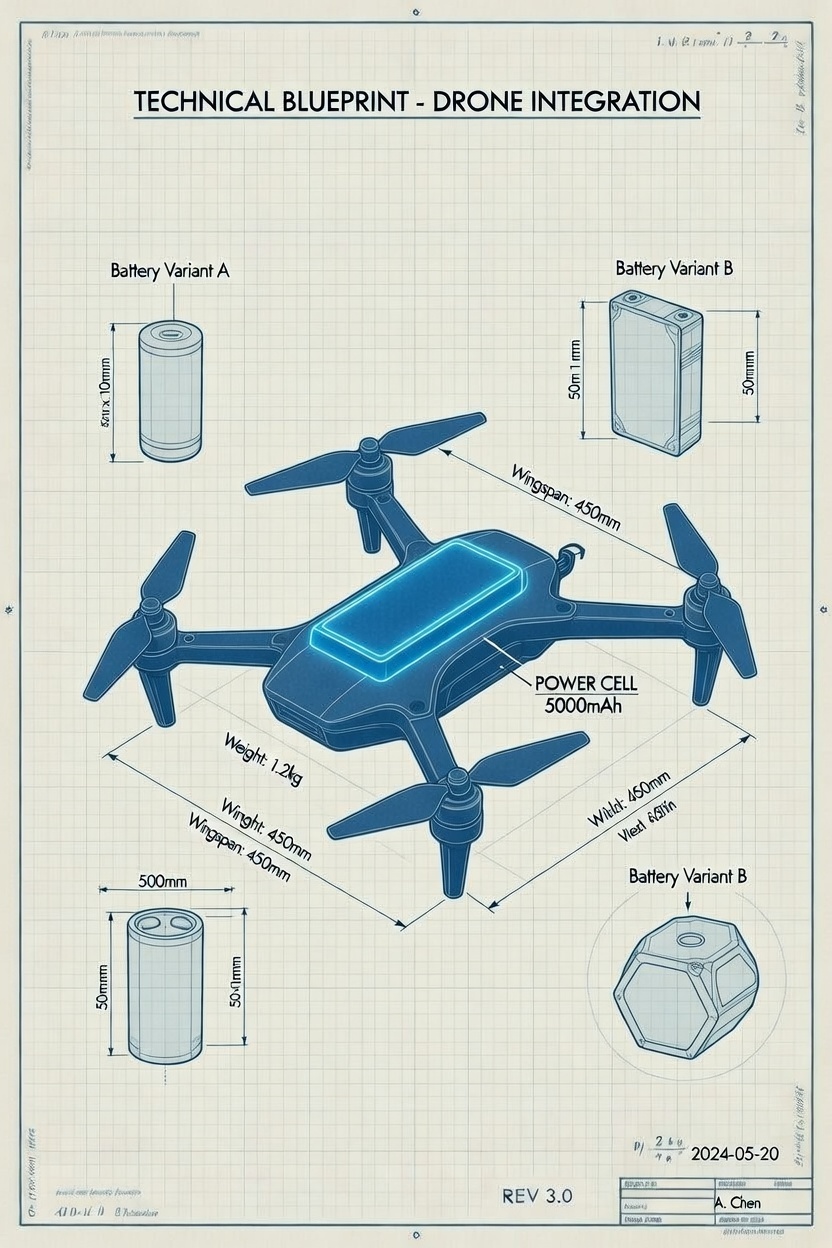
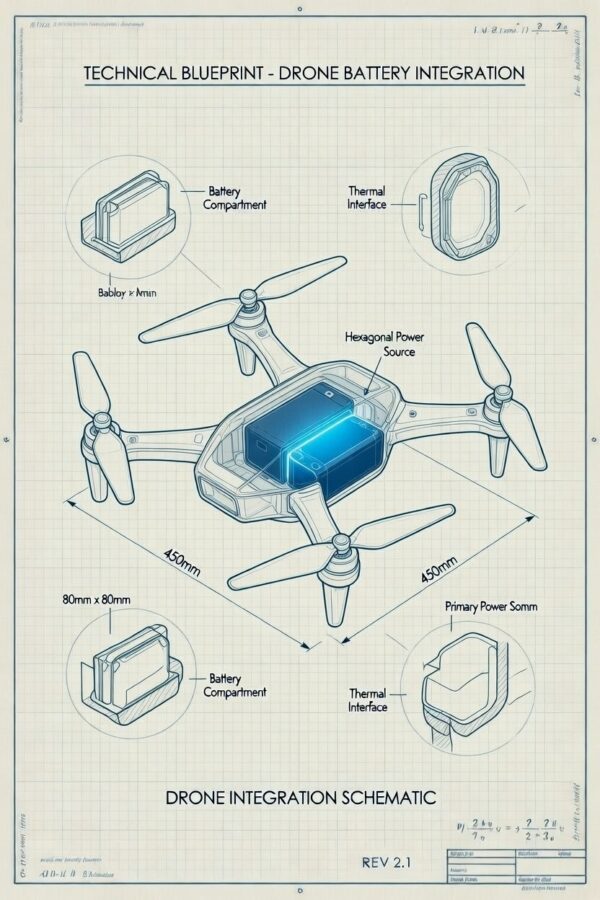
4. Adopt Modular Design for Seamless Component Swaps
Design batteries for traceability, not just function. Use standardized, swappable modules (e.g., for cells, BMS, connectors) with embedded identifiers.
Key contrast:
| Traditional Monolithic Batteries | Modular Traceable Batteries |
|---|---|
| Single point of failure | Isolated failure impact |
| Hard to audit individual parts | Full component-level traceability |
| 72+ hours for replacement | 15-minute module swap |
| Case in point: A Brazilian vineyard client reduced battery downtime by 89% using CNS’s modular design. |
5. Conduct Quarterly “Traceability Audits” with Clients
Turn data into trust. Share anonymized battery performance dashboards with clients (e.g., “Your fleet’s batteries averaged 98.7% stability in 2024”). Include:
- Batch-specific failure rates
- Comparative data vs. industry benchmarks
- Sustainability metrics (e.g., recycled material usage)
Why clients love this: It transforms batteries from a cost center into a value driver—proving ROI through reliability.
Critical Comparison: Legacy Systems vs. Modern Traceability
| Factor | Legacy Paper-Based Tracking | Digital Traceability (Blockchain + API) |
|---|---|---|
| Speed of Recall | 3–5 days | < 2 hours |
| Compliance Cost | $18,000+/year (manual audits) | $4,200/year (automated) |
| Client Trust | Low (reactive) | High (proactive insights) |
| Scalability | Fails at >500 drones/fleet | Handles 10,000+ drones seamlessly |
Source: 2024 Drone Battery Industry Report (CNS Energy Analysis)
Pro Tips for Immediate Implementation
- Start small: Pilot traceability with your highest-value client (e.g., a major corn producer) before scaling.
- Leverage open standards: Use GS1 barcodes for universal compatibility across farms and suppliers.
- Train field technicians: Equip them with tablets to scan battery QR codes during deployment—capturing real-time usage data.
- Audit quarterly: Use tools like ChainLink for blockchain, or SAP for ERP integration—no DIY solutions.
The Bottom Line: Traceability as Your Competitive Edge
For plant protection services, drone battery traceability isn’t a technical detail—it’s the difference between a drone that saves crops and one that jeopardizes them. Companies like CNS Battery are already turning this into a revenue stream: by embedding traceability into custom B2B solutions, they’ve seen a 41% increase in client retention and a 28% premium on battery pricing.
The future of agricultural drones belongs to those who treat batteries as precision instruments—not disposable parts. With supply chain transparency, you’re not just meeting standards; you’re setting them.
Ready to transform your drone battery supply chain?
👉 Get Your Custom Traceability Solution Today
Our B2B team will audit your current system and deliver a tailored traceability roadmap in 72 hours. No templates. No fluff. Just actionable steps for your plant protection fleet.
© 2008-2026 HENAN CNS ENERGY TECHNOLOGY CO., LTD. | All Rights Reserved