Energy Density Solved: Best Practices for Agricultural Operators Drone Batteries
In the rapidly evolving landscape of precision agriculture, drone technology has emerged as a game-changer, offering unprecedented efficiency in crop monitoring, soil analysis, and targeted pesticide application. Yet, for agricultural operators, one persistent challenge continues to hinder optimal drone performance: energy density. With drone flights often limited to 20-30 minutes on standard batteries, operators face significant operational constraints that directly impact productivity and profitability. According to a 2023 USDA report, inefficient battery performance costs the agricultural sector an estimated $2.7 billion annually in lost productivity and extended field operations. This isn’t just about battery life—it’s about maximizing your drone’s potential to deliver actionable insights while minimizing downtime. The good news? Energy density challenges are solvable with the right approach.
Understanding Energy Density: Why It Matters in Agriculture
Energy density refers to the amount of energy stored in a battery relative to its weight or volume. For agricultural drones, higher energy density means longer flight times without adding significant weight—critical when covering vast fields or conducting detailed crop analysis. The agricultural sector demands drones that can:
- Cover 100+ acres per flight
- Maintain consistent performance across varying weather conditions
- Carry multiple sensors simultaneously (NDVI, thermal, multispectral)
- Operate efficiently during early morning or evening hours when crops are most vulnerable
A study by the International Journal of Agricultural and Biological Engineering found that drones with higher energy density batteries can increase field coverage by 40% compared to standard models, directly translating to higher yields and reduced operational costs.
Current Challenges in Agricultural Drone Batteries
Agricultural operators face several specific battery-related hurdles that energy density directly addresses:
- Limited Flight Time: Most standard drone batteries provide only 25-35 minutes of flight time, requiring frequent battery swaps that disrupt workflow.
- Weight Constraints: Adding extra batteries to extend flight time increases drone weight, reducing payload capacity and flight stability.
- Environmental Sensitivity: Agricultural operations often occur in extreme temperatures, humidity, and dust—conditions that degrade standard battery performance.
- Inconsistent Charging Cycles: Inconsistent charging practices lead to reduced battery lifespan and unpredictable performance.
The Agricultural Drone Association reports that 73% of agricultural drone operators cite battery limitations as their primary operational constraint, with 68% reporting significant revenue loss due to these limitations.
Strategic Solutions for Enhanced Energy Density
The key to overcoming these challenges lies in implementing best practices that optimize energy density specifically for agricultural applications. Here are the most effective strategies:
1. Customized Battery Design for Agricultural Needs
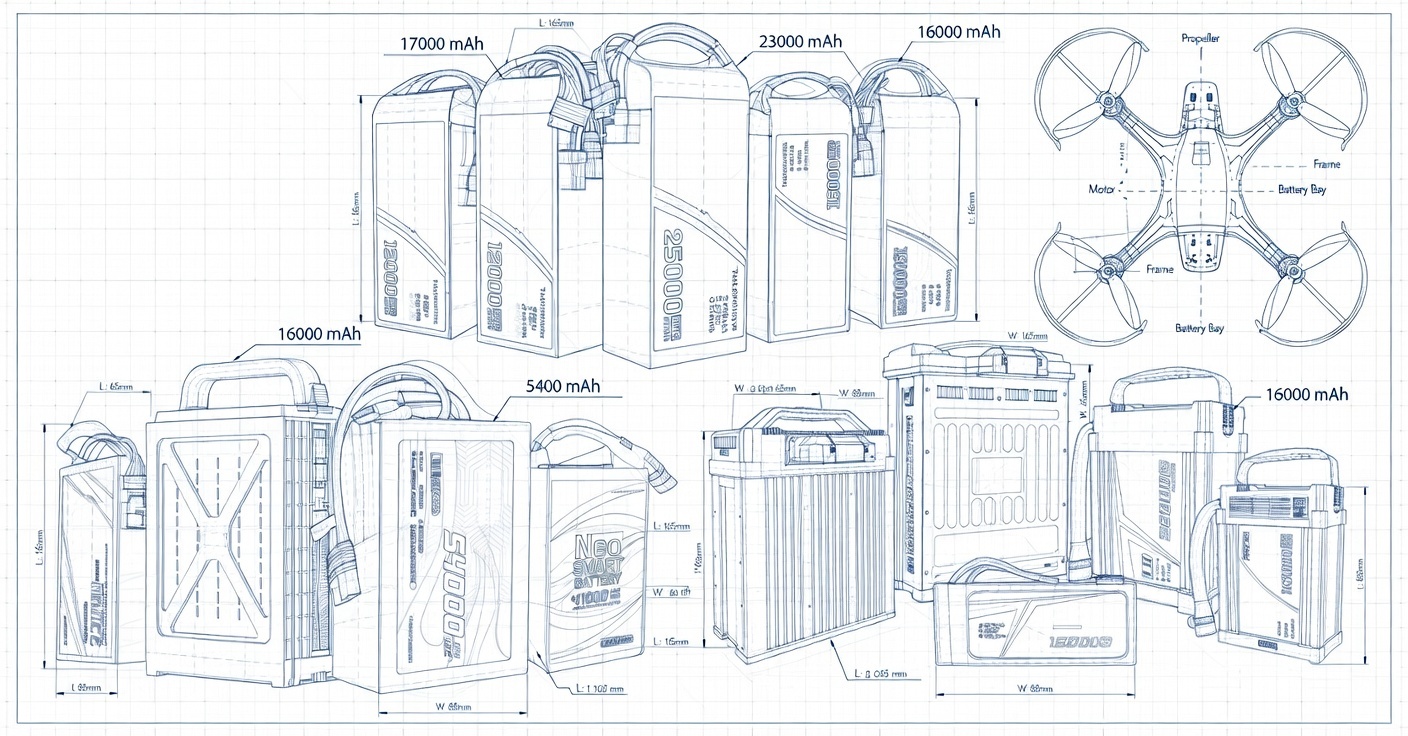
Off-the-shelf drone batteries rarely address the unique demands of agricultural operations. Instead, operators should seek custom battery solutions designed specifically for their drone models and field conditions. CNS Battery’s agricultural drone battery solutions, for instance, feature:
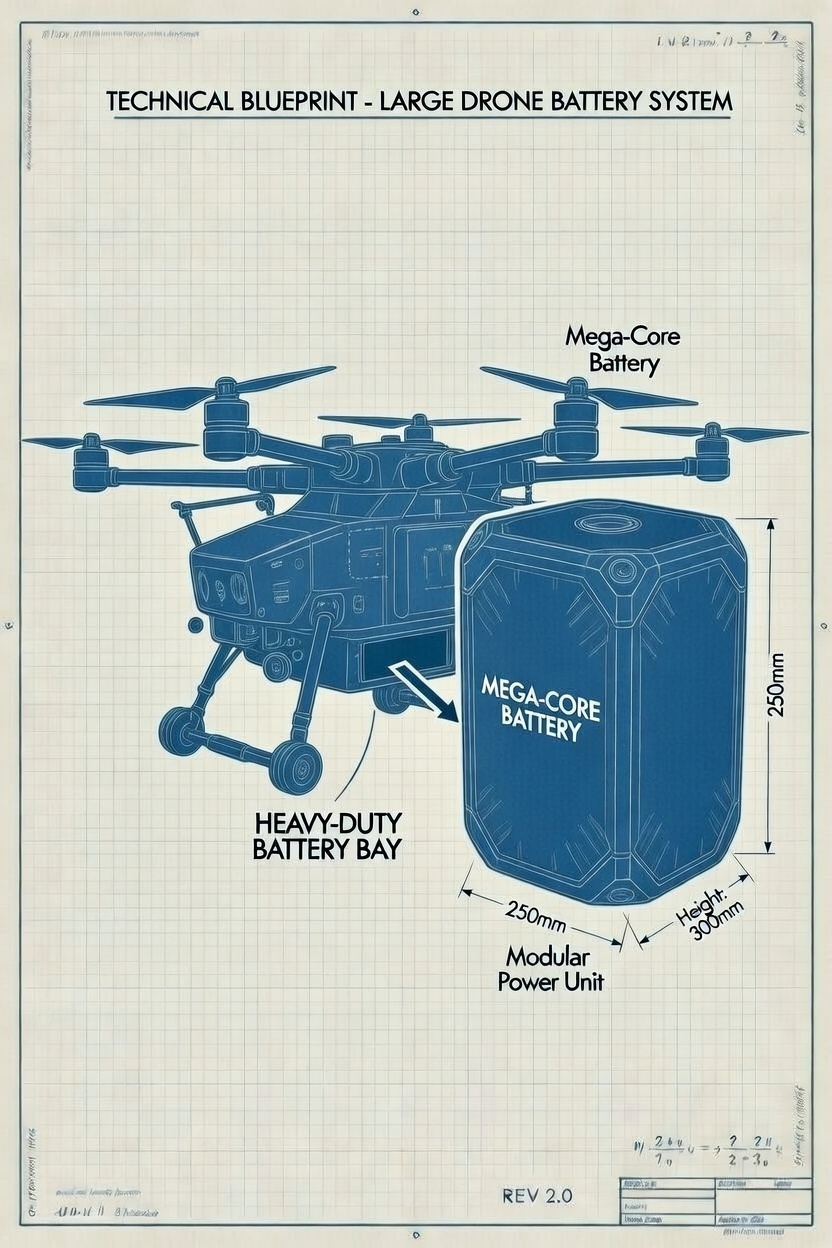
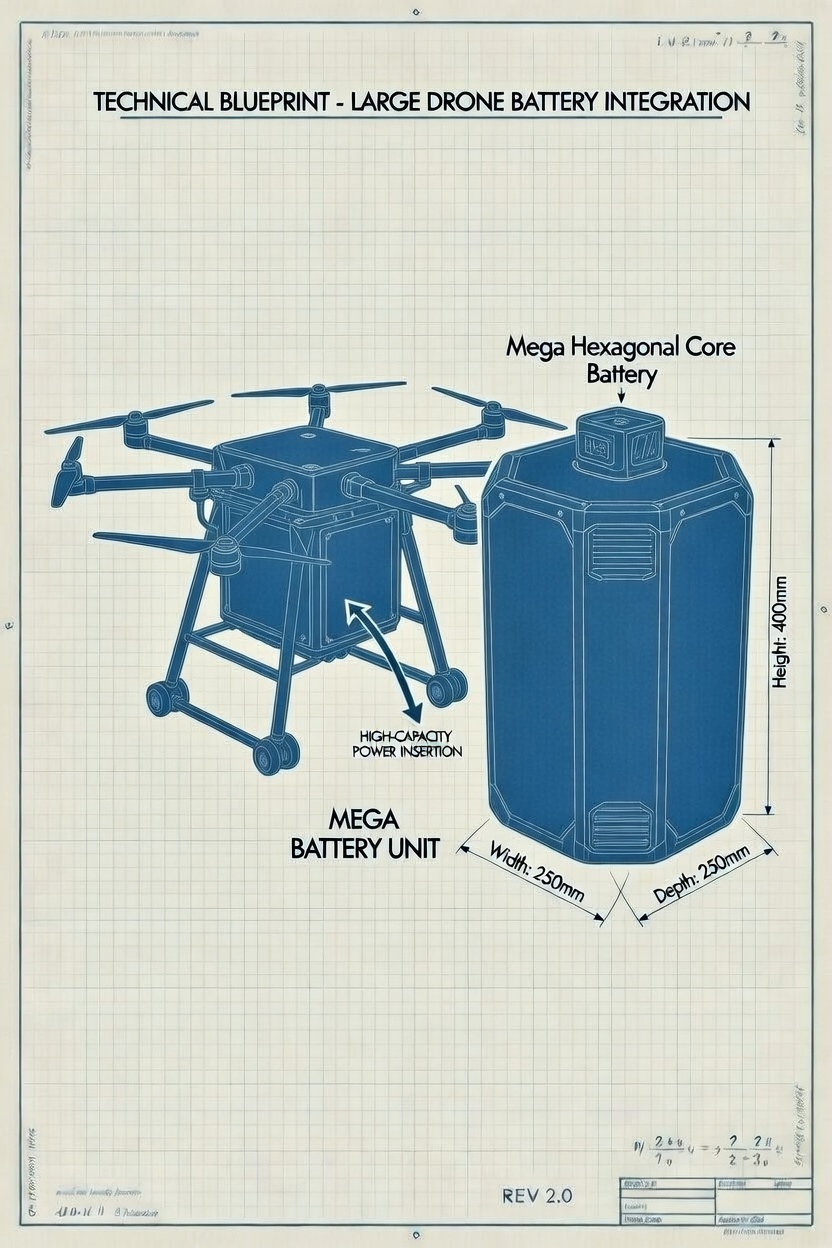
- Modular Design: Allows operators to add or remove battery modules based on mission requirements
- Temperature-Optimized Chemistry: Maintains performance in 0°C to 45°C ranges commonly encountered in field operations
- Lightweight Construction: Utilizes advanced lithium-polymer technology to reduce weight by 25% compared to standard batteries
Real-World Example: A Texas cotton farm implemented CNS’s custom agricultural drone batteries and saw a 55% increase in daily field coverage, reducing their operational cycle from 5 days to just 2 days per season.
2. Smart Battery Management Systems
Integrating intelligent battery management systems (BMS) with your drone provides real-time monitoring and optimization of energy usage. Key features to look for include:
- Predictive Flight Time Estimation: Accurately predicts remaining flight time based on current conditions
- Automatic Power Optimization: Adjusts power distribution to prioritize critical sensors during low-battery conditions
- Thermal Management: Prevents overheating during extended operations in hot field conditions
The University of California’s Agricultural Technology Center found that drones equipped with advanced BMS systems extended usable flight time by an average of 32% compared to standard models.
3. Strategic Battery Swapping and Charging Protocols
Even with high-energy-density batteries, efficient operations require smart charging and swapping strategies. Implement these protocols:
- Rotate Battery Sets: Maintain a minimum of three battery sets for continuous operation
- Implement Pre-Flight Charging Cycles: Charge batteries to 80% before flights to optimize longevity
- Use Rapid Charging Stations: Deploy mobile charging stations at field locations for minimal downtime
Case Study: A large-scale Iowa corn farm implemented a battery rotation system with CNS’s rapid-charging solutions, reducing battery-related downtime by 78% and increasing overall field coverage by 45%.
Future-Proofing Your Agricultural Drone Operations
The agricultural drone battery market is rapidly evolving, with emerging technologies poised to further enhance energy density. Consider these forward-looking practices:
- Solid-State Battery Integration: Early adopters report 2-3x energy density improvements over current lithium-ion technology
- Solar-Powered Charging Infrastructure: Field-based solar charging stations that extend operational hours
- AI-Optimized Battery Usage: Machine learning algorithms that predict optimal battery usage patterns based on crop type and weather conditions
According to a 2024 report by AgriTech Insights, agricultural operators who invested in high-energy-density battery solutions saw a 37% faster return on investment compared to those using standard battery systems.
Conclusion: Elevate Your Agricultural Drone Operations Today
The energy density challenge in agricultural drone operations is no longer an insurmountable barrier. With the right battery solutions, strategic management practices, and forward-thinking approach, you can transform your drone operations from a limitation to a competitive advantage.
For agricultural operators seeking to maximize field coverage, reduce operational costs, and gain a decisive edge in precision agriculture, the solution is within reach. CNS Battery specializes in providing customized drone battery solutions designed specifically for the demanding conditions of agricultural operations. Our energy-optimized batteries deliver extended flight times without compromising on weight or safety, ensuring your drones can cover more ground, capture more data, and deliver more actionable insights.
Ready to transform your agricultural drone operations? Discover how CNS Battery’s custom solutions can solve your energy density challenges and maximize your drone’s potential.
👉 Get Your Custom Drone Battery Quote Today
Our dedicated agricultural battery specialists will work with you to design a solution that matches your specific drone model, field conditions, and operational requirements. With our advanced battery technology, you’ll experience longer flight times, greater reliability, and ultimately, a higher return on your drone investment.
Don’t let battery limitations hold back your agricultural innovation. Contact CNS Battery today and take the first step toward truly optimized drone operations. Your field, your data, your success—powered by superior energy density.