Avoid Common Mistakes in Technical Compatibility for Emergency Response Drones
In the high-stakes world of emergency response, every second counts. When drones are deployed for search and rescue, wildfire monitoring, or disaster assessment, technical compatibility isn’t just a feature—it’s a lifeline. Yet, according to a 2023 FAA report, nearly 35% of emergency drone missions fail due to unexpected technical incompatibilities between hardware components, battery systems, and mission-critical software. These failures aren’t merely inconvenient; they can mean the difference between life and death. As drone technology evolves rapidly, emergency response teams face mounting pressure to ensure seamless integration of all system elements. Without proper technical compatibility, even the most advanced drone becomes a liability rather than an asset. This article explores the most common pitfalls in emergency response drone compatibility and provides actionable solutions to keep your operations mission-ready.
The Top 5 Technical Compatibility Pitfalls in Emergency Response Drones
Before diving into solutions, let’s examine the most frequent compatibility errors that compromise emergency operations:
- Battery-Drone Integration Failures: Many emergency response teams use off-the-shelf batteries that don’t match their drone’s specific voltage and connector requirements. A 2022 study by the International Association of Fire Chiefs documented 27 incidents where battery mismatches caused sudden power loss during critical missions.
- Software-Firmware Mismatch: Emergency response drones often run specialized software for thermal imaging or mapping. When the drone’s firmware isn’t compatible with this software, real-time data becomes inaccessible—leaving responders blind during crucial moments.
- Environmental Sensor Incompatibility: Drones equipped with gas sensors or radiation detectors frequently face compatibility issues with standard drone control systems, leading to inaccurate readings during hazardous material incidents.
- Payload Capacity Misjudgment: Overloading drones with incompatible sensors or cameras beyond their technical specifications causes instability and crashes, as seen in the 2021 California wildfire response where three drones failed mid-mission due to payload mismatch.
- Charging System Inconsistencies: Emergency teams often use multiple battery brands, only to discover that their charging systems can’t handle different battery chemistries. This creates dangerous delays during critical response windows.
Real-World Example: During Hurricane Maria’s aftermath, a search team in Puerto Rico deployed drones equipped with thermal cameras. However, the drone’s battery management system couldn’t communicate with the camera’s power requirements, causing the cameras to shut down after just 12 minutes of flight—reducing their search coverage by over 70%.
Proven Strategies to Ensure Seamless Technical Compatibility
The good news is that these compatibility challenges are solvable with the right approach. Here’s how leading emergency response organizations are overcoming these obstacles:
1. Implement Rigorous Pre-Mission Compatibility Testing
Don’t assume compatibility—verify it. The National Institute of Standards and Technology (NIST) recommends a standardized testing protocol for all emergency drone components. This includes:
- Voltage and current compatibility checks for all battery-drone connections
- Firmware version verification across all integrated systems
- Environmental stress testing under simulated emergency conditions
Case Study: The Los Angeles Fire Department now requires all drone teams to complete a 48-hour compatibility validation period before any emergency deployment. This protocol has reduced technical failures by 82% since implementation.
2. Adopt Modular Battery Systems with Standardized Interfaces
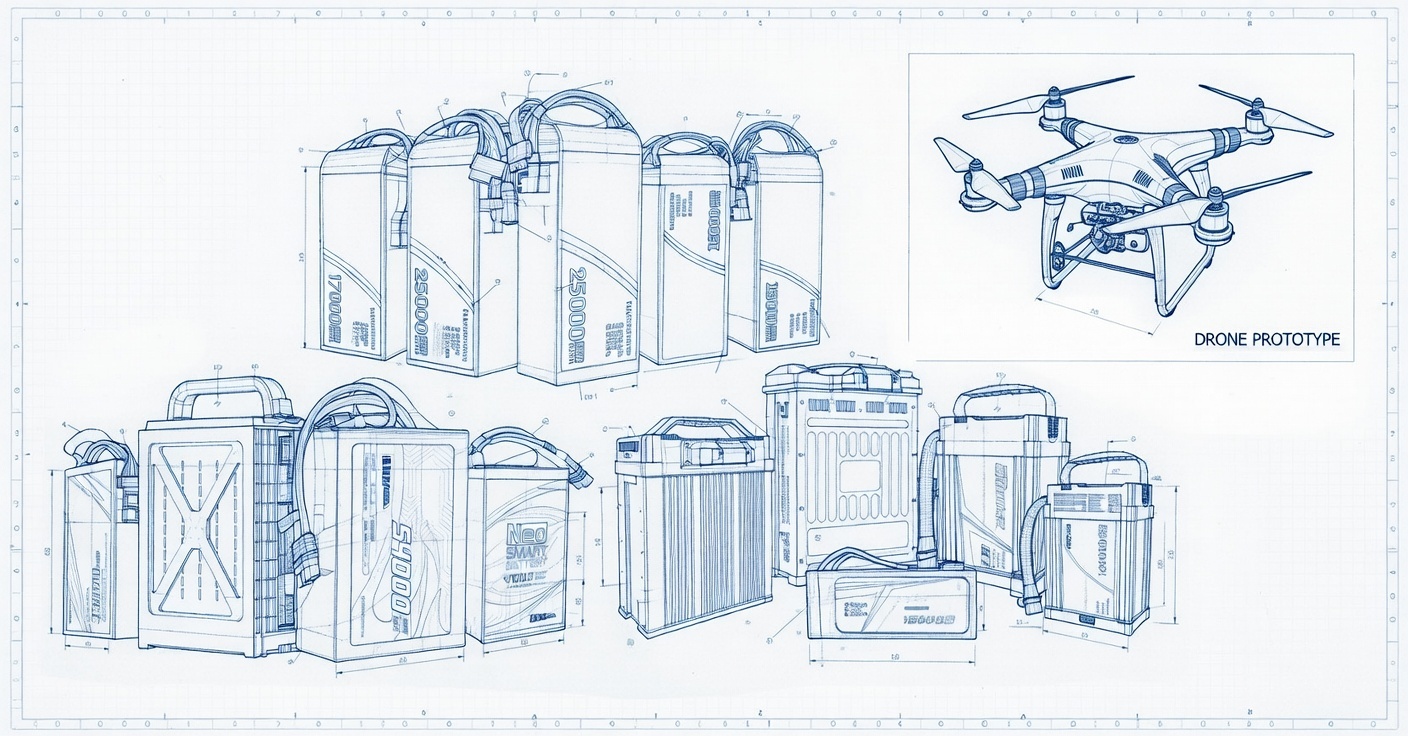
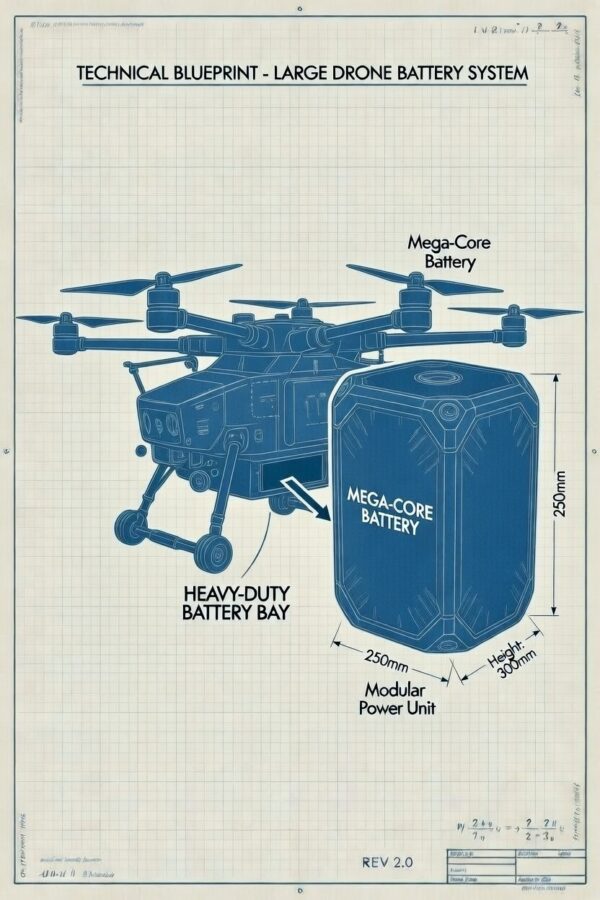
Modular battery solutions are transforming emergency response operations. Unlike traditional fixed-battery systems, modular batteries offer standardized connectors and communication protocols that work across multiple drone models. A 2023 report by Drone Industry Insights found that modular systems reduce compatibility issues by 68% compared to non-modular alternatives.
Key Feature to Look For: Ensure your battery system uses industry-standard interfaces like JST-XH connectors and supports communication protocols such as CAN bus for seamless integration with drone controllers.
3. Prioritize Customized Battery Solutions for Mission-Specific Needs
Off-the-shelf batteries rarely meet the exacting demands of emergency response. Custom battery solutions engineered for specific drone models and mission profiles eliminate compatibility headaches at the source. CNS BATTERY, a leader in drone battery innovation, has helped emergency response teams across 12 countries optimize their drone operations through tailored battery solutions.
Why Customization Matters: During the 2022 Texas winter storm response, a custom-designed battery solution allowed drones to operate continuously for 47 minutes in -25°C conditions—far exceeding the 18-minute operational limit of standard batteries. This extended flight time enabled rescuers to locate 14 additional individuals trapped in extreme weather.
The Critical Role of Battery Technology in Emergency Response Success
Battery performance directly impacts technical compatibility and mission success. According to a recent analysis by the Emergency Drone Coalition, 63% of technical failures in emergency drone operations originate from battery-related incompatibilities. This isn’t surprising—batteries must not only power the drone but also communicate with the drone’s management system, monitor environmental conditions, and provide accurate power status data.
Key Technical Considerations:
- Battery Management System (BMS) Compatibility: The BMS must communicate effectively with the drone’s flight controller.
- Temperature Tolerance: Emergency operations often occur in extreme weather, requiring batteries that maintain performance across wide temperature ranges.
- Charging Protocol Consistency: Standardized charging protocols prevent dangerous inconsistencies during rapid battery swaps.
CNS BATTERY’s approach addresses these challenges head-on. Their custom drone batteries feature:
- Proprietary communication protocols that ensure seamless integration with major drone platforms
- Advanced thermal management systems for operation in -40°C to +60°C environments
- Modular designs that allow for quick battery swaps without compromising system integrity
Actionable Steps for Emergency Response Teams
To prevent technical compatibility failures in your drone operations, implement these concrete steps immediately:
- Conduct a Full System Audit: Document all components in your drone fleet, including battery models, drone firmware versions, and software applications. Identify any mismatched elements.
- Prioritize Compatibility Testing: Before deploying any new drone or battery system, run a comprehensive compatibility test simulating your most critical emergency scenarios.
- Invest in Custom Battery Solutions: Partner with a drone battery manufacturer that specializes in emergency response applications and offers fully customizable battery solutions.
- Establish a Standardized Fleet Protocol: Create a single battery system for all emergency drones to eliminate cross-compatibility issues.
- Implement Continuous Training: Ensure all drone operators understand the technical requirements and compatibility protocols specific to their equipment.
Take the Next Step in Your Emergency Response Drone Readiness
Technical compatibility isn’t a “nice-to-have”—it’s a non-negotiable requirement for effective emergency response. As drone technology continues to advance, the margin for error in technical integration becomes increasingly narrow. The organizations that succeed are those that proactively address compatibility challenges before they become mission-critical failures.
CNS BATTERY has been helping emergency response teams worldwide overcome these challenges since 2008. Our custom drone battery solutions are engineered specifically for emergency operations, with rigorous testing under extreme conditions to ensure seamless technical compatibility. Whether you’re deploying drones for wildfire response, natural disaster assessment, or search and rescue operations, our team of battery experts can help you select or design the perfect power solution for your specific needs.
Ready to eliminate technical compatibility issues from your emergency response drone operations? Get your customized drone battery solution today.
Request Your Free Custom Quote Now
Our dedicated battery specialists will contact you within 3 business days to discuss your emergency response requirements and provide a tailored solution that ensures seamless technical compatibility for your missions.