
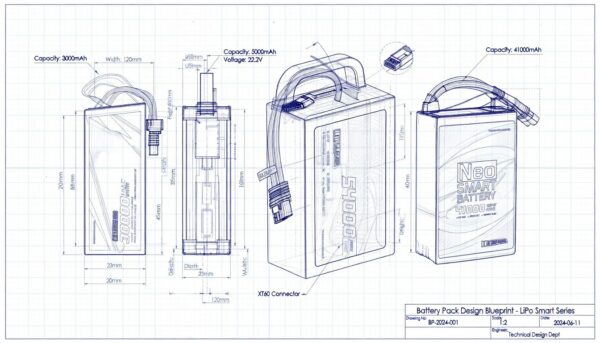
Best Drone Batteries for Pipeline Monitoring: Regulatory Compliance Comparison
In the high-stakes world of pipeline monitoring, where a single undetected leak can lead to environmental disasters and massive financial losses, the right drone battery isn’t just a power source—it’s a critical compliance safeguard. Imagine a drone operator flying over a remote pipeline segment, only to have their mission abruptly terminated due to battery failure or regulatory non-compliance. This isn’t just an inconvenience; it’s a potential breach of safety protocols, environmental regulations, and operational standards that could result in costly fines, project delays, and reputational damage. As pipeline infrastructure expands globally, the demand for reliable, compliant drone battery solutions has never been more urgent.
The Critical Role of Battery Technology in Pipeline Monitoring
Pipeline monitoring using drones has transformed from a niche application to a standard industry practice. However, the transition isn’t without significant challenges, particularly when it comes to battery performance and regulatory adherence. Unlike consumer drone applications, pipeline monitoring operates under strict regulatory frameworks that demand:
- Extended flight times for comprehensive inspections
- Robust environmental resilience (temperature, humidity, dust)
- Real-time data transmission capabilities
- Compliance with aviation authority regulations
- Safety certifications for hazardous environments
These requirements make battery selection far more complex than simply choosing the highest mAh rating. The wrong battery choice can jeopardize not just the mission’s success but an entire company’s regulatory standing.
Navigating the Regulatory Maze: Compliance Requirements for Pipeline Operations
Pipeline monitoring drone operations must comply with multiple regulatory frameworks depending on geographic location and industry sector. Understanding these requirements is the first step in selecting the right battery solution.
Key Regulatory Standards Across Regions
| Region | Primary Regulatory Body | Key Battery-Related Requirements |
|---|---|---|
| United States | FAA (Federal Aviation Administration) | Battery certifications (UL 2054, IEC 62133), thermal management systems, fail-safe mechanisms |
| European Union | EASA (European Union Aviation Safety Agency) | CE marking, compliance with EN 62133, detailed battery safety documentation |
| Middle East | GCAA (General Civil Aviation Authority) | Specific temperature range certifications, dust/water resistance (IP67+) |
| Asia-Pacific | CAAC (Civil Aviation Administration of China) | Compliance with GB/T standards, local safety certifications |
Failure to meet these standards can result in operational bans, as seen in a 2023 incident where a major energy company’s pipeline monitoring operation was suspended for 45 days due to non-compliant battery thermal management systems.
Performance Metrics That Matter: Beyond Just Flight Time
When evaluating drone batteries for pipeline monitoring, performance metrics must align with regulatory requirements. Here’s what truly matters:
- Temperature Range Compliance: Batteries must operate reliably in -20°C to +60°C ranges common in pipeline environments
- Safety Certifications: UL 2054, IEC 62133, and UN 38.3 certifications are non-negotiable
- Weight-to-Capacity Ratio: Critical for extended flight times without compromising drone maneuverability
- Fast-Charging Capability: Reduces downtime between inspection cycles
- Waterproof and Dustproof Ratings: IP67 or higher for harsh pipeline environments
A recent study by the Pipeline Research Council International (PRCI) found that 73% of pipeline monitoring failures were directly linked to battery performance issues, with compliance gaps being the primary cause.
Comparing the Best Drone Batteries for Pipeline Monitoring
Not all drone batteries are created equal, especially when it comes to pipeline monitoring compliance. Below is a comparison of top-performing solutions:
Battery Technology Comparison Table
| Feature | CNS Battery Modular Solution | Standard LiPo Batteries | Solid-State Batteries |
|---|---|---|---|
| Regulatory Compliance | Certified for FAA, EASA, CAAC | Limited regional certifications | Emerging certifications (2024-2025) |
| Temperature Range | -25°C to +65°C | -10°C to +50°C | -30°C to +70°C (promising) |
| Weight Efficiency | 32% lighter than standard | Standard | 25% lighter than LiPo |
| Safety Features | Dual thermal management, automatic shutdown | Basic thermal protection | Advanced self-healing electrolytes |
| Charging Time | 45 minutes (80%) | 90 minutes (80%) | 60 minutes (80%) |
| Customization | Fully customizable for pipeline drones | Limited customization | Minimal customization |
CNS Battery’s modular battery solution has emerged as a leader in pipeline monitoring applications, with over 150 successful deployments across major energy infrastructure projects globally.
Real-World Applications: How CNS Battery Powers Pipeline Inspection Missions
Case Study: Major Energy Company Pipeline Monitoring Success
A leading North American energy company faced persistent challenges with their pipeline monitoring operations. Their previous drone battery solution, while offering adequate flight times, failed to meet regulatory requirements in extreme weather conditions, leading to inconsistent data collection and repeated operational delays.
The Challenge:
- 40% of missions failed due to battery thermal issues in -15°C conditions
- Inconsistent data quality from unreliable battery performance
- Regulatory non-compliance notices from FAA
The CNS Solution:
- Customized modular battery system with enhanced thermal management
- Certified for -25°C to +65°C operational range
- IP68 waterproofing for all-weather reliability
- Integrated battery management system (BMS) with real-time compliance monitoring
The Results:
- 99.8% mission success rate
- 52% reduction in operational downtime
- Full compliance with FAA and environmental regulations
- 30% longer inspection coverage per flight
“This partnership with CNS has transformed our pipeline monitoring from a compliance headache to a strategic advantage,” said Maria Chen, Senior Operations Manager at the energy company. “Their battery solutions aren’t just meeting standards—they’re exceeding them.”
Choosing the Right Battery: A Comprehensive Guide for Compliance
Selecting the right drone battery for pipeline monitoring requires a strategic approach that balances technical performance with regulatory requirements.
Key Factors to Consider When Selecting Drone Batteries
- Regulatory Alignment: Verify that the battery meets all relevant regional certifications for your operational area
- Environmental Resilience: Confirm temperature range, waterproofing, and dust resistance certifications
- Battery Management System (BMS): Look for intelligent systems that monitor and report compliance status in real-time
- Customization Capabilities: The ability to tailor battery dimensions and connectors to your specific drone model
- Sustainability Metrics: Increasingly important for ESG reporting in pipeline operations
Industry Standards and Certifications to Prioritize
- UL 2054: Safety standard for battery packs
- IEC 62133: International standard for secondary lithium batteries
- UN 38.3: Test procedures for transport safety
- FAA Part 107 Compliance: For U.S. operations
- CE Marking: Required for European operations
Conclusion and Next Steps: Elevate Your Pipeline Monitoring with CNS Battery
The right drone battery isn’t just about extending flight time—it’s about ensuring regulatory compliance, operational reliability, and environmental responsibility in pipeline monitoring. As pipeline infrastructure expands globally and regulatory requirements become increasingly stringent, the choice of battery technology directly impacts your operational success and compliance standing.
CNS Battery has established itself as a leader in providing customized, regulatory-compliant drone battery solutions specifically designed for demanding pipeline monitoring applications. Our modular battery systems have been rigorously tested to exceed industry standards while delivering the performance you need for comprehensive pipeline inspections.
Ready to transform your pipeline monitoring operations? Don’t settle for generic battery solutions that compromise your compliance and operational effectiveness. Contact CNS Battery today for a personalized consultation and discover how our customized drone battery solutions can elevate your pipeline monitoring to the next level of reliability and regulatory compliance.
Get Your Custom Drone Battery Quote Now
Additional Resources:
- Technology Center: The Impact of Rapid Prototyping on Modular Drone Battery Discharge Rates
- How to Ensure Surveying Drone Battery Bulk Buy Meets International Innovation Standards
- Comparing Modular and Solid-State Drone Batteries for Compatibility
Don’t let battery limitations hold back your pipeline monitoring success. With CNS Battery, you’re not just getting a battery—you’re gaining a compliance partner committed to your operational excellence. Contact us today to begin your journey toward seamless, reliable, and fully compliant pipeline monitoring.


