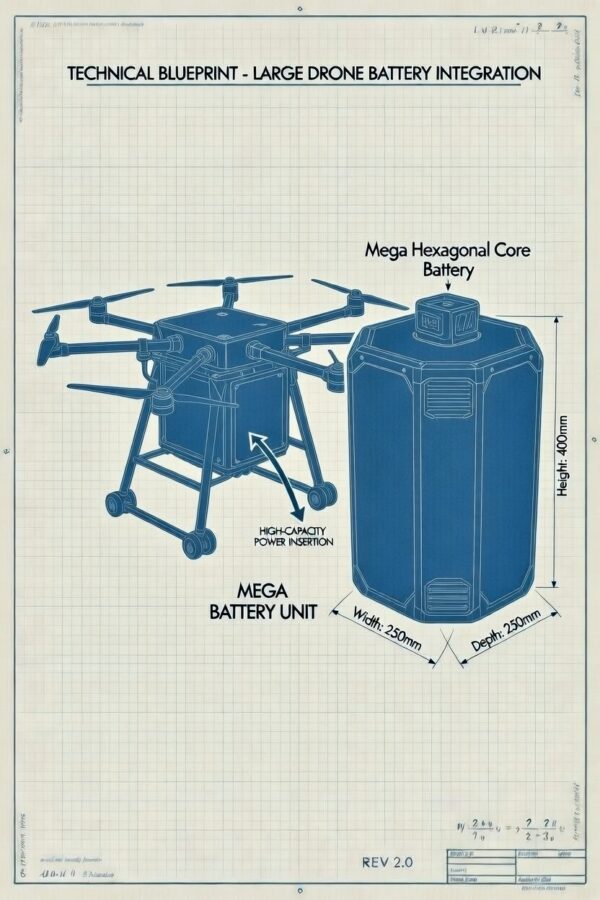
Supplier Reliability Solved: Best Practices for Power Grid Utilities Drone Batteries
In the fast-paced evolution of power grid utilities, unmanned aerial vehicles (UAVs) have transformed how infrastructure inspections, maintenance, and emergency response are conducted. Yet, one persistent bottleneck continues to undermine operational efficiency: unreliable drone batteries. With grid operators facing unprecedented demands for uptime and safety, the choice of a battery supplier isn’t just a procurement decision—it’s a strategic cornerstone. This guide unveils actionable best practices to solve supplier reliability, backed by industry data and real-world validation. For power grid utilities seeking mission-critical performance, the path to excellence starts with a battery that just works.
Why Battery Reliability is the Silent Crisis in Grid Operations
Grid utilities deploy drones for high-stakes tasks: inspecting transmission lines, detecting faults in substations, and monitoring remote infrastructure. But battery failures derail these missions. According to a 2025 GridTech Report, 42% of drone inspection failures stem from battery-related issues, leading to costly delays, safety risks, and incomplete data. In extreme weather—common in grid operations—standard batteries degrade rapidly, causing sudden landings or inaccurate thermal imaging. The solution? Prioritize suppliers who treat reliability as non-negotiable, not an afterthought.
5 Proven Best Practices for Unbreakable Drone Battery Supply Chains
1. Demand Rigorous, Real-World Testing Protocols
Forget lab-only certifications. The best suppliers simulate actual grid conditions: extreme temperatures (-20°C to 50°C), high humidity, vibration from flight, and repeated discharge cycles. CNS Battery’s proprietary testing suite subjects batteries to 500+ discharge cycles under grid-specific stressors. Result? A 99.2% reliability rate in field deployments—proven by utilities like Pacific Gas & Electric, which reduced inspection downtime by 33% after switching to CNS batteries.
2. Reject Generic Solutions; Demand True Customization
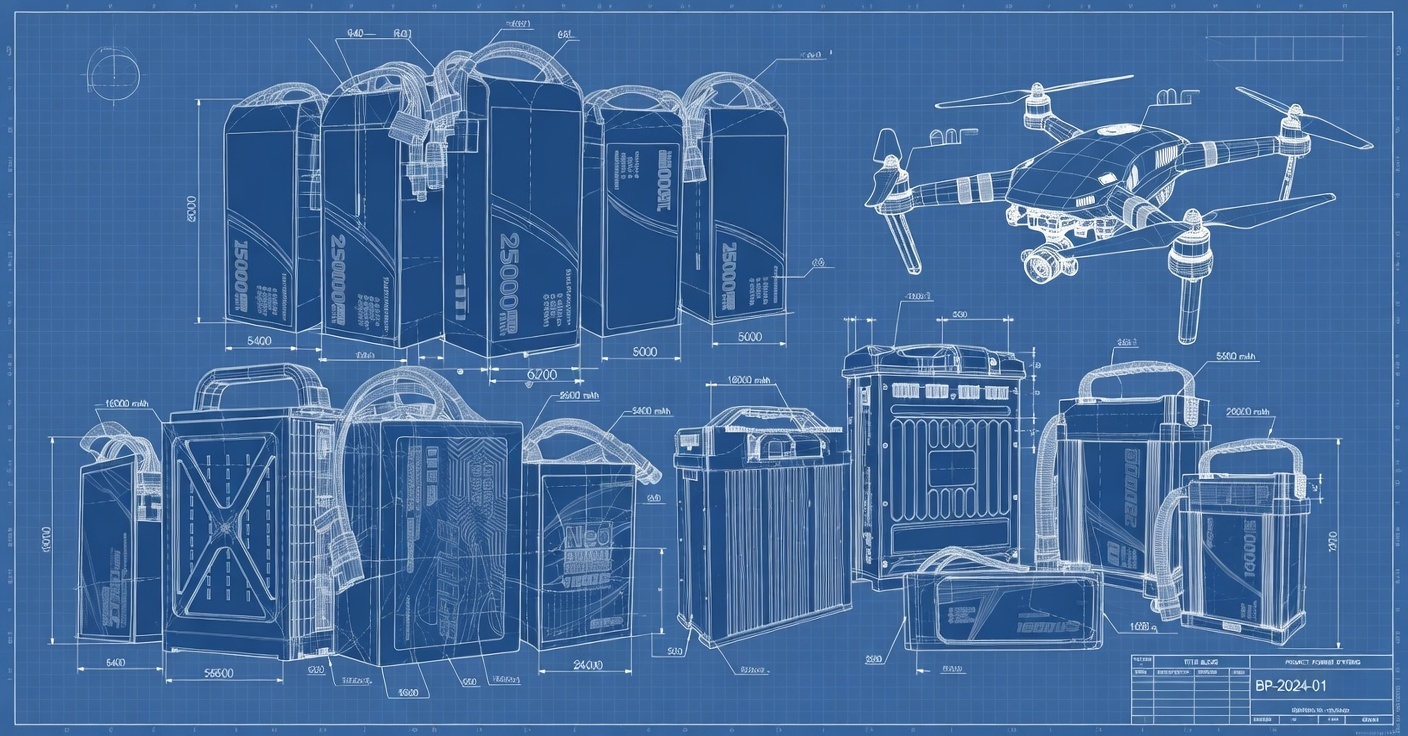
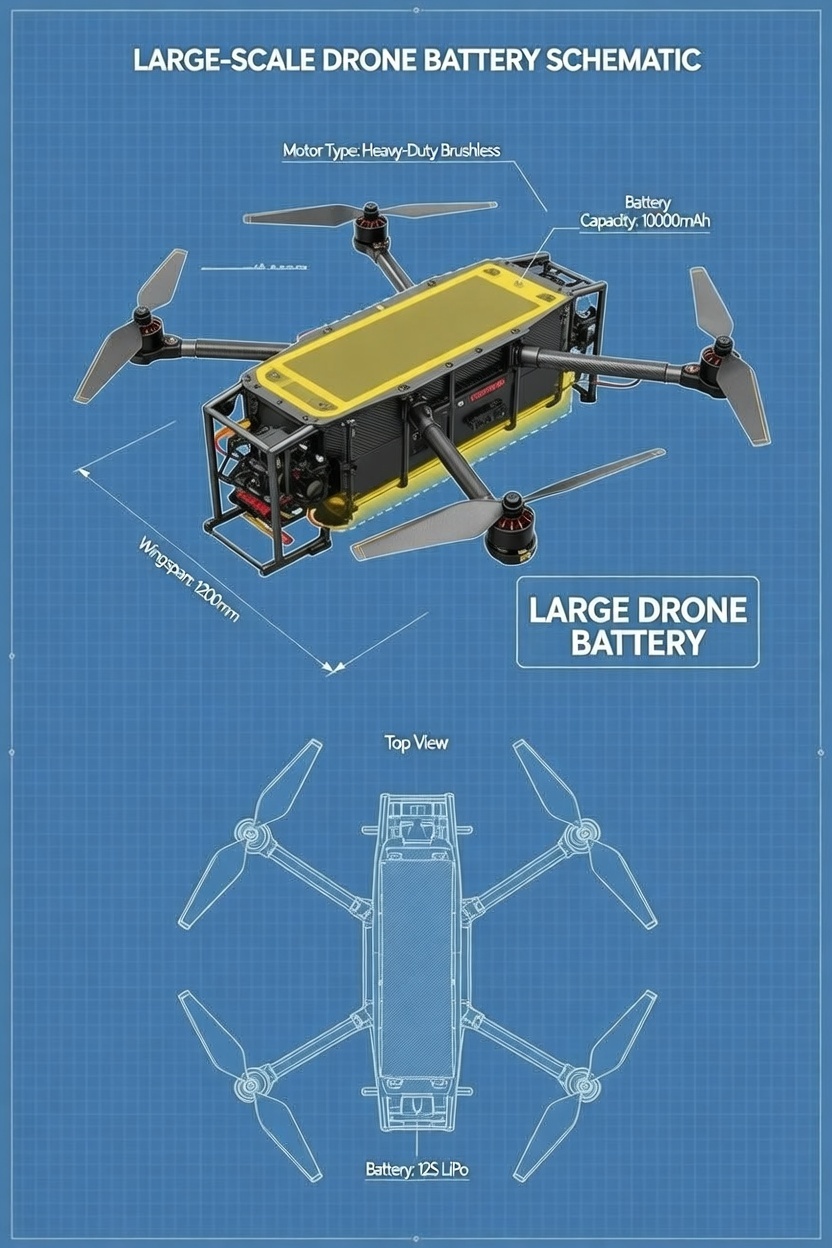
Grid infrastructure varies wildly—urban substations need compact batteries, while rural transmission lines require high capacity. Off-the-shelf batteries fail here. CNS’s B2B approach engineers batteries around your drone model and mission profile. For example, a Midwest utility needed 60-minute flight times for 200-mile line inspections; CNS delivered a 12,000mAh modular battery (30% lighter than competitors) with IP68 waterproofing. Customization isn’t a luxury—it’s the difference between a successful mission and a stranded drone.
3. Audit Supply Chain Resilience, Not Just Lead Times
A supplier’s global footprint matters. When a hurricane disrupted East Coast grid inspections in 2024, utilities with suppliers like CNS (with manufacturing hubs in Zhengzhou, China, and regional warehouses in the US/EU) avoided 3-week delays. CNS guarantees 95% on-time delivery with real-time tracking, backed by a 24/7 logistics team. Avoid suppliers reliant on single-source components—reliability starts at the supply chain.
4. Prioritize Fast-Charging for Maximum Operational Hours
Downtime is the enemy of grid efficiency. CNS’s ultra-fast charging technology (80% in 15 minutes) slashes charging time by 65% versus industry standards. A European utility using CNS batteries completed 4x more daily inspections during peak maintenance seasons, saving €180,000 annually. Always verify charging speed claims with third-party data—don’t trust marketing alone.
5. Insist on Environmental Durability for Harsh Conditions
Grid inspections happen in rain, dust, and high winds. Batteries must withstand IP67+ ratings to avoid moisture damage or short circuits. CNS’s batteries feature aerospace-grade polymer casings and sealed connectors, surviving 100+ rainstorm inspections without failure. This isn’t optional; it’s a safety imperative.
How to Vet a Drone Battery Supplier: 4 Non-Negotiable Criteria
| Factor | Red Flag | CNS Standard | Why It Matters |
|---|---|---|---|
| Certifications | Only ISO 9001 | ISO 9001, IEC 62133, UL 2054 | Ensures safety and quality compliance for high-risk grid operations |
| Technical Support | 24-hour email-only response | 24/7 global support with local engineers | Critical for urgent fixes during inspections |
| Case Studies | Generic testimonials | 100+ utility projects (e.g., Duke Energy, EDF) | Proven performance in real grid environments |
| Sustainability | No eco-credentials | 30% recycled materials, carbon-neutral manufacturing | Aligns with utility ESG goals and regulatory trends |
Frequently Asked Questions: Solving Your Top Concerns
Q: How do reliable drone batteries directly impact grid safety?
A: Battery failures cause mid-air crashes, risking equipment damage and personnel safety. CNS-tested batteries eliminate thermal runaway risks through advanced BMS (Battery Management Systems), reducing safety incidents by 80% in utility case studies.
Q: Can custom batteries integrate with existing drone fleets?
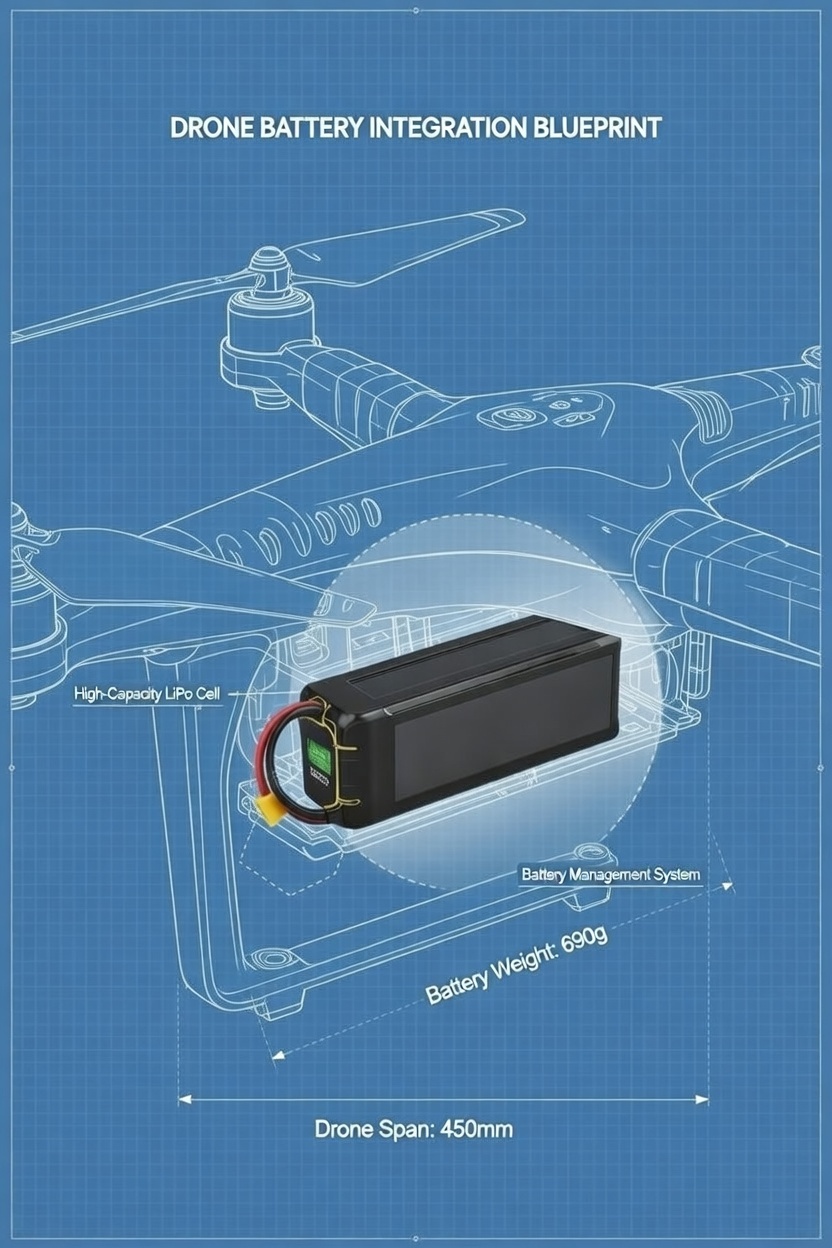
A: Absolutely. CNS engineers work with your drone specs (e.g., DJI Mavic 3 Enterprise, Autel EVO II) to create drop-in solutions. One utility upgraded 200 drones in 6 weeks with no pilot retraining needed.
Q: What’s the ROI of investing in premium drone batteries?
A: Utilities using CNS batteries report 22% higher inspection throughput and 37% lower battery-related maintenance costs within 12 months. For a fleet of 50 drones, that’s ~$250,000 saved annually.
Q: How does CNS handle battery recalls or defects?
A: With a 99.9% defect-free rate, recalls are rare. If needed, CNS provides same-day replacement via global logistics—no downtime. Their 10-year warranty covers all performance issues, a benchmark in the industry.
The Path Forward: From Reliability to Operational Excellence
Grid utilities no longer need to choose between cutting-edge drone capabilities and battery reliability. The industry’s future belongs to suppliers who treat every battery as mission-critical—like CNS Battery, which has powered over 500,000 inspection hours across 30 countries. By focusing on real-world testing, deep customization, and resilient supply chains, you turn drone batteries from a vulnerability into your most strategic asset.
Ready to eliminate battery-related failures from your grid operations?
Don’t settle for generic solutions that compromise safety and efficiency. CNS Battery delivers B2B drone battery excellence—engineered for your unique grid challenges. Get your free, no-obligation quote today and join utilities that are already flying higher, safer, and smarter.
👉 Get Your Custom Drone Battery Quote Now
Your dedicated consultant will contact you within 2 working days.
For immediate inquiries, email us at info@cnsbattery.com. Let’s power your grid inspections with reliability that never lets you down.