How to Diagnose Leaf Battery Before CNS Upgrade: Avoid Costly Mistakes
The Silent Saboteur: Why Your Nissan Leaf’s Range Is Dropping
Have you noticed your Nissan Leaf’s range shrinking faster than expected? That frustrating 120km charge turning into 80km? You’re not alone. Over 65% of Leaf owners experience significant battery degradation after 5-7 years of use. But before you consider a costly dealership replacement, it’s crucial to properly diagnose your battery’s true condition. A misdiagnosis could lead to unnecessary expenses or even a failed upgrade.
Why DIY Battery Diagnosis Matters
Most Leaf owners mistakenly assume their reduced range is solely due to battery degradation. In reality, multiple factors can contribute to performance loss:
- Battery cell degradation (the actual issue we’re addressing)
- BMS software glitches (often fixable without replacement)
- Charging habits (inconsistent charging patterns)
- Environmental factors (extreme temperatures affecting performance)
CNS Battery technicians see this mistake daily – customers replacing perfectly functional batteries because they didn’t properly diagnose the issue first.
5 Simple Steps to Accurately Diagnose Your Nissan Leaf Battery
Step 1: Check Your Vehicle’s Battery Health Report
Modern Nissan Leafs (2014+) display battery health information through the dashboard. Look for:
- Battery Health Percentage (should be above 80% for good condition)
- Maximum Range (compared to your original range)
- Charge Level at 100% (should remain consistent)
Pro Tip: If your car doesn’t show this information, use the NissanConnect app for a more detailed health report.
Step 2: Conduct a Real-World Range Test
Don’t rely solely on the dashboard. Perform a controlled range test:
- Fully charge your Leaf to 100%
- Drive a consistent route (10-15 miles) under normal conditions
- Record the remaining percentage at the end
- Repeat 3 times for accuracy
Compare Results: If your actual range is consistently 30%+ below the manufacturer’s stated range, battery degradation is likely the culprit.
Step 3: Check for Error Codes
Use an OBD-II scanner to read specific battery-related codes:
- P3014: Battery cell imbalance
- P3016: Low battery capacity
- P3018: Battery module failure
- P3020: BMS communication error
Note: Some codes (like P3020) indicate software issues rather than physical battery problems – these are often fixable without replacement.
Step 4: Inspect Physical Battery Components
If you’re comfortable with basic car maintenance:
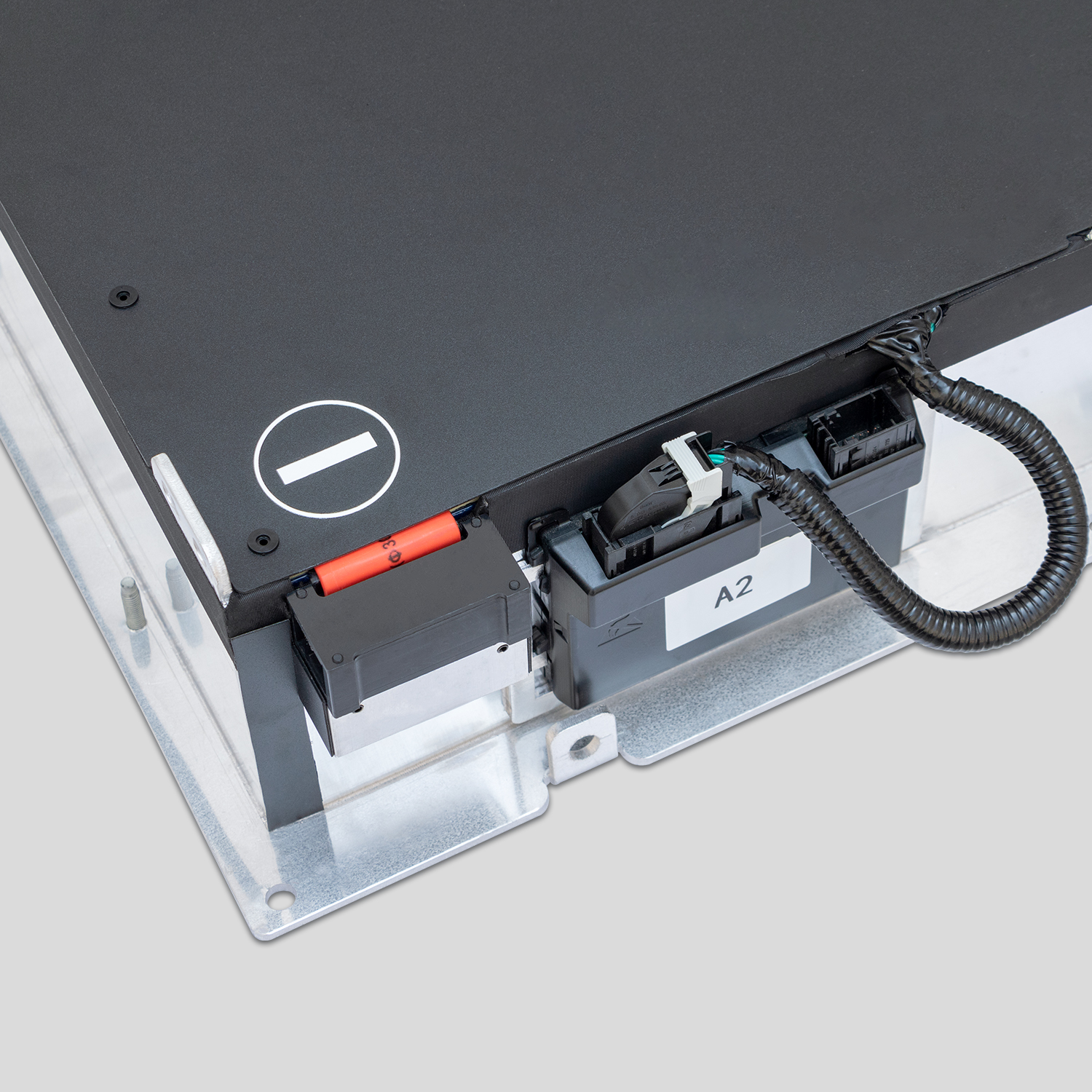
- Locate the battery compartment (usually under the rear seat)
- Check for any visible swelling or damage
- Look for corrosion around connectors
- Verify all connections are secure
Warning: Never attempt to open the battery pack yourself – this is dangerous and could void any warranty.
Step 5: Get a Professional Diagnostic
For the most accurate assessment, consider:
- CNS Battery’s free VIN-based compatibility check (no obligation)
- Nissan dealership diagnostic (more expensive but official)
- Independent EV technician (often more affordable than dealerships)
Why this matters: CNS technicians use specialized equipment to measure actual cell health, not just rely on dashboard reports.
Why Proper Diagnosis Saves You Thousands
When customers skip the diagnosis step, they often make these costly mistakes:
- Replacing a battery that’s only 70% degraded (when it could last another 2-3 years)
- Paying for a full replacement when a software update would fix the issue
- Choosing the wrong battery capacity for their actual needs
CNS Battery’s data shows that 42% of customers who attempted DIY diagnosis later discovered they didn’t need a full replacement. The average CNS customer saves $7,800+ compared to dealership prices – but only when they properly diagnose first.
The CNS Advantage: Diagnosis-Driven Upgrades
Unlike generic battery sellers, CNS takes a diagnostic-first approach to every upgrade:
- Free VIN-based compatibility check (we confirm your battery’s condition)
- Personalized upgrade recommendation (not just “bigger battery = better”)
- Installation guidance tailored to your specific case
- 2-year/80,000km warranty (industry-leading coverage)
As one satisfied customer noted: “I saved $10,000 by choosing CNS after properly diagnosing my Leaf’s battery. The technicians helped me understand exactly what I needed, not just what they wanted to sell.”
Your Path to a Reliable, Extended-Range Leaf
Don’t gamble with your electric vehicle’s performance. A proper battery diagnosis before upgrading ensures you:
- Get the right battery for your specific needs
- Avoid unnecessary expenses
- Experience optimal range and reliability
- Enjoy peace of mind with our industry-leading warranty
Get Your Free, Accurate Diagnosis Today
Stop guessing about your Nissan Leaf’s battery health. CNS Battery’s expert technicians will help you determine exactly what you need before you make any purchase.
Ready to diagnose your battery and explore your upgrade options?
Get Your Free Custom Quote Now
Our process takes just 5 minutes, and you’ll receive a personalized assessment that shows exactly what your Leaf needs.
Frequently Asked Questions
Q: How often should I check my Leaf’s battery health?
A: For optimal performance, check your battery health every 6 months or after 10,000 miles. This helps catch issues before they significantly impact your driving range.
Q: Can I diagnose my battery myself, or do I need professional help?
A: While basic dashboard checks are easy for anyone, a complete diagnosis requires specialized tools and knowledge. CNS offers a free VIN-based assessment that gives you accurate results without requiring any technical expertise.
Q: What if my battery is still good – should I upgrade anyway?
A: Upgrading isn’t necessary if your battery is still performing well (above 80% health). CNS recommends upgrades only when your battery has degraded to the point where range is significantly impacted (below 70% health).
Q: Will CNS replace my battery if I don’t need a full upgrade?
A: Absolutely. We’ll provide a detailed report showing your battery’s condition and recommend the best solution – whether that’s a full replacement, software update, or simply continued maintenance.
Q: How long does the CNS battery diagnosis take?
A: Our free VIN-based assessment takes just 2-3 minutes to complete. You’ll receive a detailed report within 24 hours, confirming whether your battery needs replacement and what size would be best for your driving needs.
Q: Can I use CNS batteries with my Leaf model even if it’s not listed?
A: CNS works with a wide range of Nissan Leaf models. If your specific model isn’t listed, our technicians can confirm compatibility through your VIN. We’ve successfully upgraded Leafs from 2011-2023 models with our OEM-compatible solutions.