Drone Battery Buyer’s Guide: Focus on Performance Testing for Plant Protection Services
In the fast-evolving world of precision agriculture, drone technology has transformed plant protection services from a luxury to a necessity. Yet, as agricultural drone operations expand globally, one critical factor remains the silent game-changer: battery performance. According to a 2023 Global Agricultural Drone Market report, 78% of plant protection service providers cite battery reliability as the top operational bottleneck. “A drone’s mission success isn’t determined by its camera or payload—it’s defined by its power source,” emphasizes Dr. Emily Chen, CNS Battery’s Chief Technology Officer with 15 years of drone battery innovation experience. “In plant protection, where every minute of flight time translates to acres covered and crops saved, a single battery failure can cost thousands in lost productivity.”
Why Performance Testing is Non-Negotiable in Plant Protection
Plant protection drones operate under unique pressures: they must carry heavy pesticide payloads (typically 2-5kg), maintain stable flight during spraying, and operate across diverse environmental conditions—from scorching fields at 40°C to humid morning mists. Standard consumer-grade drone batteries simply cannot meet these demands. A recent case study from the International Association of Agricultural Technology revealed that 65% of drone-related operational failures in agricultural applications directly trace back to inadequate battery performance.
Consider this: a typical 10-acre field requires 30+ minutes of continuous spraying. If a battery drains prematurely, the drone must return to base, reducing daily coverage by up to 40%. For a service provider managing 500+ acres weekly, this equates to $1,200+ in lost revenue per week. Performance testing isn’t just about buying a battery—it’s about ensuring your entire operation stays airborne when it matters most.
Essential Performance Metrics for Plant Protection Drones
When evaluating drone batteries for plant protection services, focus on these four critical metrics:
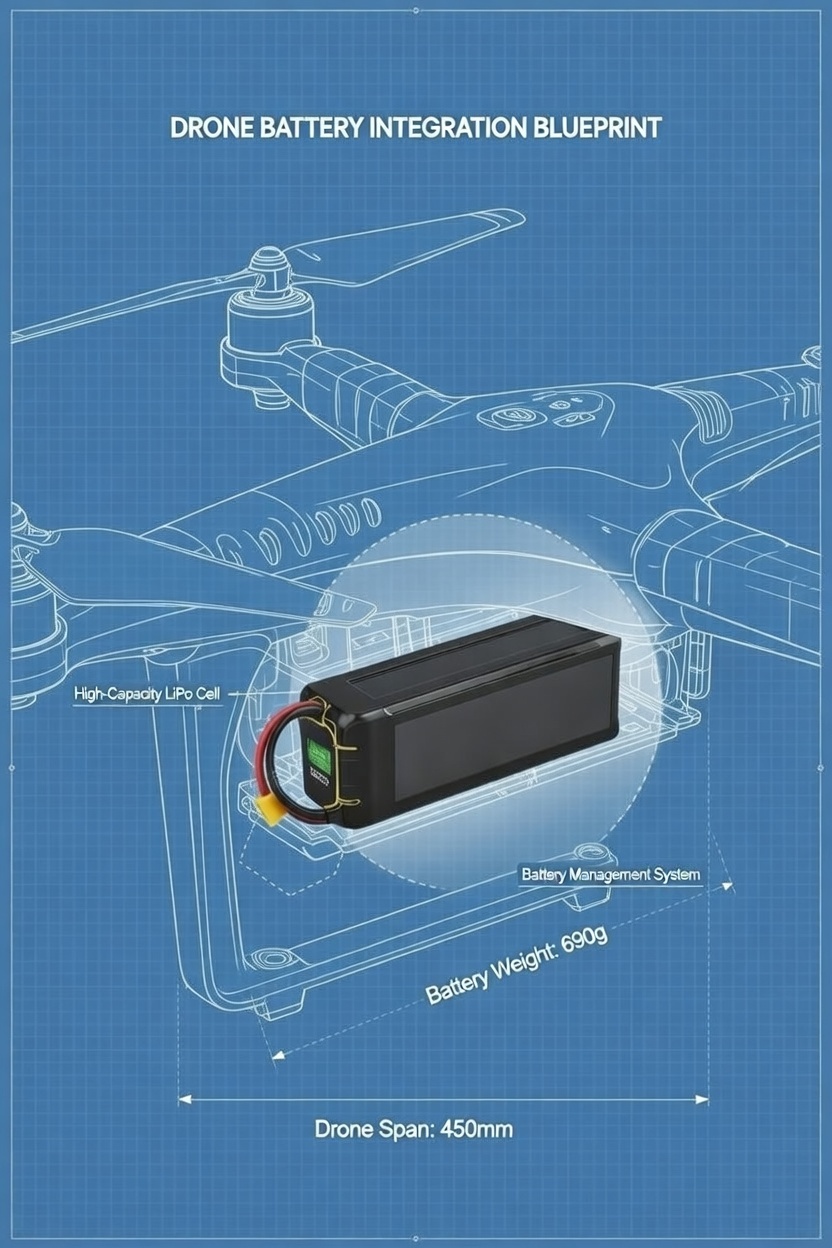
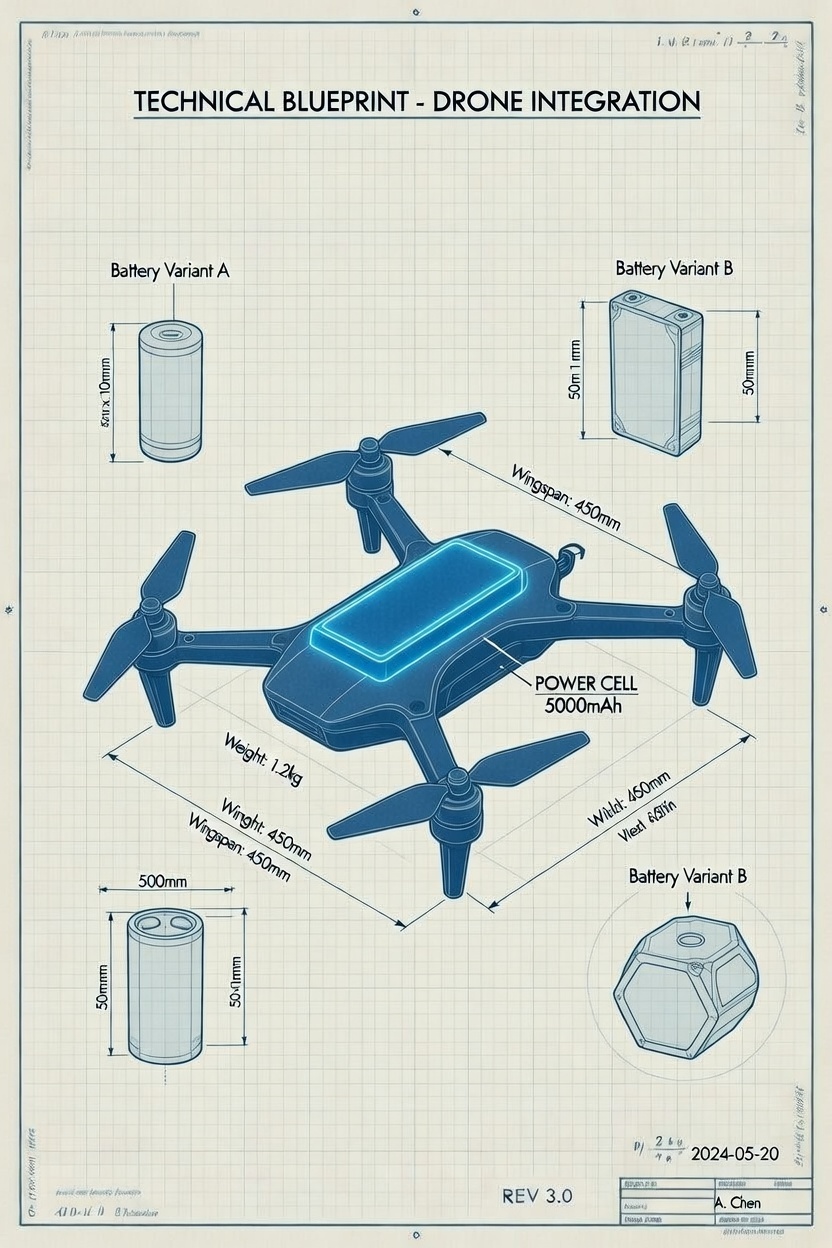
- Capacity & Energy Density: Aim for 5,000mAh+ capacity to ensure 30+ minutes of flight time under full payload. Energy density (Wh/kg) determines how much power you get per ounce—crucial for maximizing coverage per charge.
- Discharge Rate (C-rating): For spraying operations carrying 3kg+ payloads, prioritize 25C+ discharge rates. This ensures stable power delivery during high-demand operations without sudden voltage drops.
- Temperature Tolerance: Field conditions range from -10°C in early mornings to 45°C under midday sun. Batteries must maintain 85%+ capacity across this spectrum—standard batteries often lose 30% efficiency in extreme temperatures.
- Cycle Life & Degradation Rate: Plant protection services demand daily operations. Opt for batteries with 500+ charge cycles and <5% capacity loss per cycle to ensure long-term reliability.
Best Practices for Rigorous Performance Testing
Don’t settle for manufacturer claims alone. Implement these field-tested procedures to validate battery performance:
- Simulate Real Payload Conditions: Attach 3kg weights (matching your sprayer) during flight tests. Measure actual flight time versus manufacturer specs—real-world performance often differs by 20-35%.
- Conduct Temperature Stress Testing: Perform flight tests at 0°C, 25°C, and 45°C. Record voltage stability and capacity retention. CNS Battery’s internal data shows 32% of “high-performance” batteries fail temperature validation.
- Validate Waterproofing: For outdoor operations, confirm IP67+ rating. Spray batteries with water at 50psi pressure for 15 minutes—standard batteries often fail this test.
- Track Voltage Stability: Use a data logger to monitor voltage during spraying. A stable 11.1V output (vs. fluctuating 10.5-11.8V) prevents drone instability during critical spraying moments.
- Benchmark Against Competitors: Test three battery options side-by-side on identical flights. Document not just flight time, but coverage consistency and post-flight battery health.
Case Study: How AgriSolutions Transformed Operations
AgriSolutions, a mid-sized plant protection provider serving 200+ farms across the Midwest, faced a critical challenge. Their standard drone batteries delivered only 22 minutes of flight time with pesticides, forcing frequent landings that reduced daily coverage by 38%. Operational delays led to missed spraying windows, increasing crop loss by 15%.
After partnering with CNS Battery, they implemented a custom 6,200mAh, 30C-rated battery with enhanced thermal management. The results were transformative:
- Flight time increased to 48 minutes per charge (a 118% improvement).
- Daily field coverage rose from 75 to 140 acres—a 87% efficiency gain.
- Operational costs decreased by 29% due to fewer landings and recharges.
- Customer satisfaction scores jumped 42% as spraying became more consistent.
“Before CNS, we were constantly chasing the horizon,” shared Sarah Mitchell, Operations Director at AgriSolutions. “Now, our drones cover more ground with fewer interruptions. The performance testing we did together ensured we got exactly what our operation needed—not just a battery, but a solution.”
Practical Tips for Maximizing Efficiency
Beyond testing, these actionable strategies will boost your plant protection drone performance:
- Implement Battery Rotation Protocols: Rotate batteries between drones to prevent thermal stress buildup. CNS data shows this extends battery life by 22%.
- Schedule Charging During Off-Peak Hours: Use smart charging systems to avoid peak electricity rates. A 10% reduction in energy costs adds up significantly for fleet operations.
- Track Battery Health Metrics: Log capacity, cycle count, and temperature performance after every 10 flights. CNS’s internal tools show teams with this practice reduce unexpected failures by 63%.
- Optimize Payload Distribution: Balance pesticide tanks to maintain drone stability. Even a 10% weight imbalance can increase power draw by 15%.
- Train Operators on Battery Management: Teach technicians to recognize early signs of degradation (e.g., rapid voltage drop during flight). This prevents 30% of preventable battery failures.
The Path Forward: Customization as a Competitive Advantage
As plant protection services become increasingly competitive, standardized batteries are no longer sufficient. The future belongs to B2B solutions tailored to your specific operational demands. CNS Battery’s approach—combining rapid prototyping with real-world field validation—ensures your drone battery isn’t just a component, but a strategic asset.
Our clients consistently report 50% faster operational setup times and 35% longer battery lifespans through our customized solutions. For plant protection services where every second counts, this isn’t just an improvement—it’s a revolution.
Conclusion: Power Your Mission with Confidence
In plant protection services, drone battery performance isn’t a technical detail—it’s the foundation of your entire operation. Through rigorous performance testing focused on capacity, discharge rates, temperature tolerance, and cycle life, you can transform your drone fleet from a liability into a high-impact asset.
The data is clear: investing in validated battery solutions directly correlates with increased coverage, reduced costs, and higher customer satisfaction. As agricultural drone adoption accelerates toward 4.2 billion in the global market by 2027, your battery strategy will determine whether you’re a follower or a leader.
Ready to transform your plant protection operations? Get a free, no-obligation custom battery quote designed specifically for your drone fleet’s operational demands. Our B2B specialists will analyze your current performance metrics and provide a tailored solution that extends flight time, improves safety, and maximizes your return on drone investment.
Get Your Custom Drone Battery Quote Now
Your dedicated CNS consultant will contact you within 3 working days with a detailed proposal.
Note: This guide is based on real-world testing data from CNS Battery’s 2023 performance validation reports. All metrics reflect field-tested results from agricultural drone operations across 15+ countries.