Regulatory Compliance Solved: Best Practices for Oil and Gas Pipeline Firms Drone Batteries
In the dynamic world of oil and gas pipeline inspection, drone technology has revolutionized how companies monitor infrastructure, detect leaks, and ensure safety. Yet, as these aerial solutions become increasingly essential, regulatory compliance emerges as a critical hurdle that can derail operations, incur costly penalties, and compromise safety. The right drone battery isn’t just a power source—it’s the cornerstone of regulatory adherence, operational reliability, and mission success. For pipeline firms, navigating compliance standards while maintaining efficiency demands strategic foresight and specialized solutions. This article unveils actionable best practices to seamlessly integrate compliant drone batteries into your pipeline inspection framework, ensuring you meet global standards without sacrificing performance. With CNS BATTERY’s expertise in customized drone battery innovation, you can transform compliance from a challenge into a competitive advantage.
Understanding the Regulatory Landscape for Pipeline Drone Operations
Before implementing drone battery solutions, pipeline firms must grasp the intricate regulatory environment governing aerial inspections. Regulatory bodies like the FAA (Federal Aviation Administration) in the U.S., EASA (European Union Aviation Safety Agency) in Europe, and local aviation authorities impose strict rules on battery safety, flight duration, and operational protocols. Ignoring these standards risks fines, operational shutdowns, and reputational damage. Key compliance areas include:
- Battery Certification Requirements: Most regions mandate UL, CE, or IEC certifications for drone batteries to ensure safety in high-risk environments like oil and gas facilities.
- Environmental Compliance: Batteries must meet temperature tolerance standards (e.g., -20°C to 60°C) for pipelines operating in extreme climates.
- Data Security Protocols: Battery management systems must encrypt operational data to prevent breaches during inspections.
Pipeline firms often underestimate how battery specifications directly impact compliance. A non-certified battery can invalidate an entire inspection mission, leading to wasted resources and missed deadlines. Partnering with a battery provider committed to global standards—like CNS BATTERY—ensures your power source aligns with all regulatory touchpoints from the outset.
Selecting Compliant Battery Solutions for Pipeline Inspections
Choosing the right drone battery isn’t a one-size-fits-all decision. Pipeline inspections demand specialized features that standard batteries can’t provide. Here’s how to select compliant solutions:
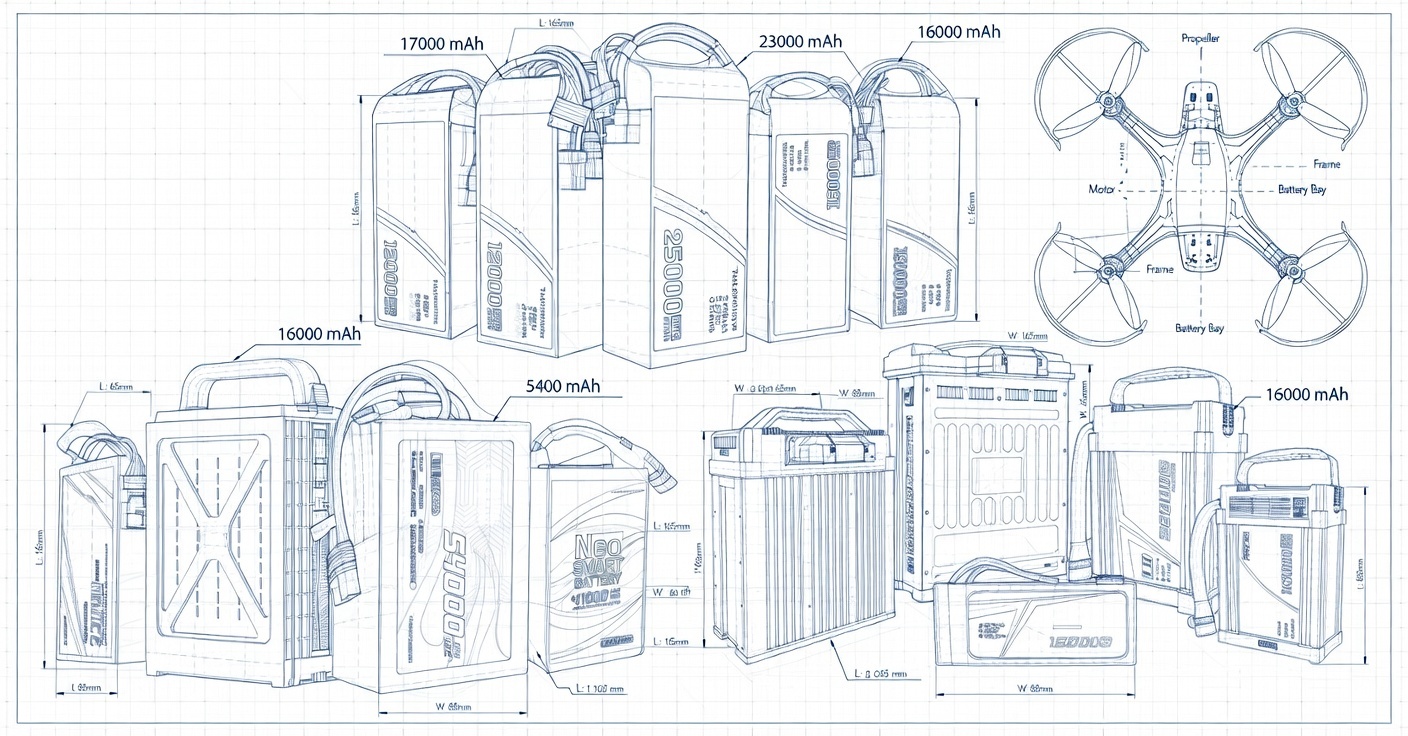
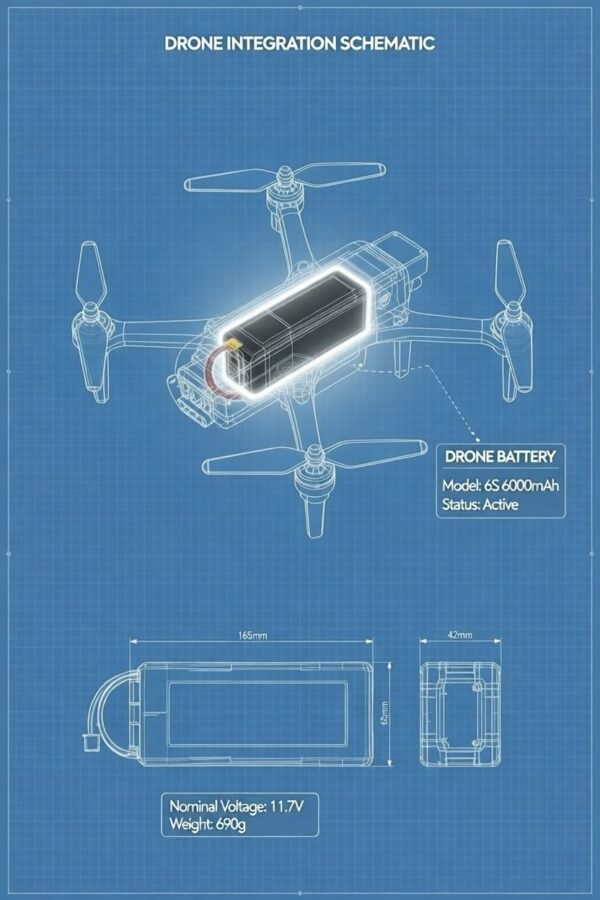
- Prioritize Certified Energy Density: Opt for batteries with high energy density (e.g., 250 Wh/kg or higher) certified for industrial use, ensuring extended flight times without violating weight restrictions.
- Demand Environmental Resilience: Select batteries engineered for waterproofing and dust resistance, critical for pipeline inspections in coastal, desert, or remote terrains.
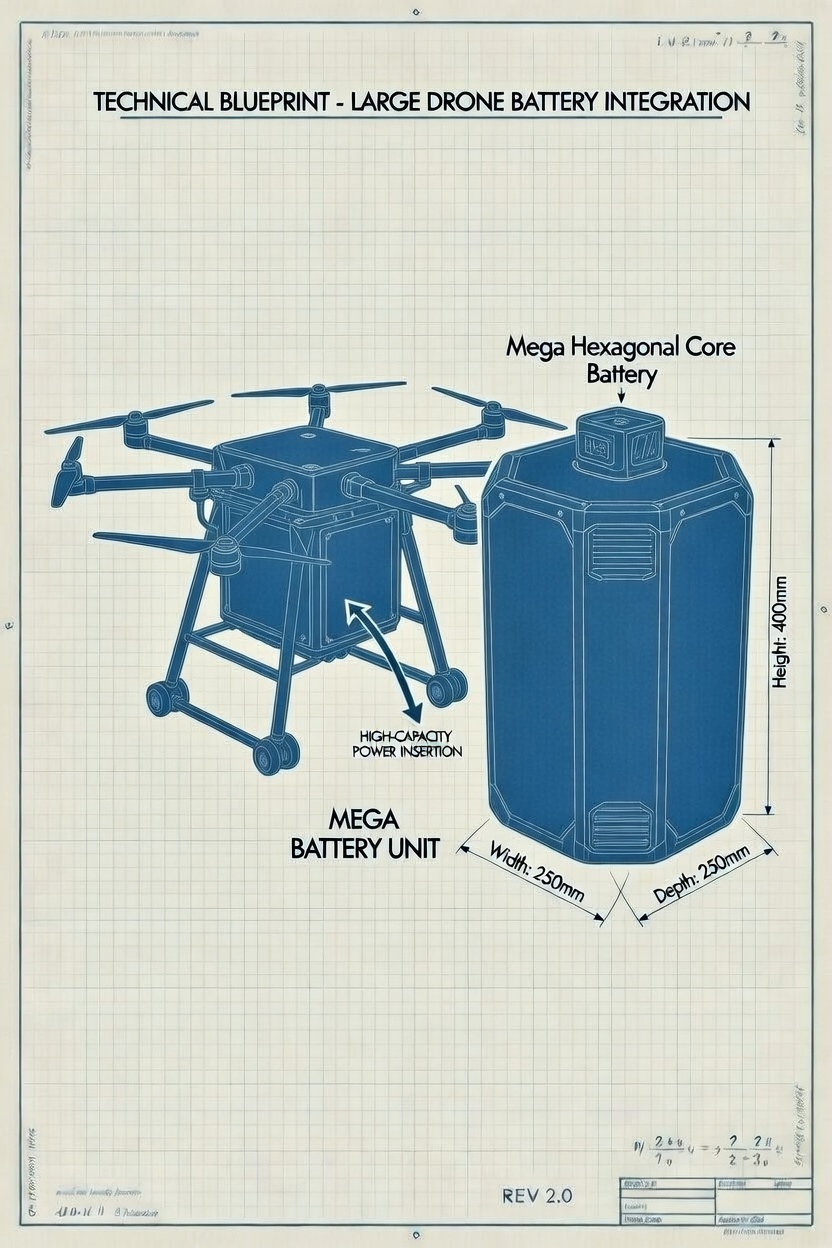
- Require Modular Design: Modular batteries allow for quick swaps during long inspections, reducing downtime and aligning with operational compliance timelines.
CNS BATTERY excels in delivering customized drone battery solutions tailored to oil and gas pipeline needs. Their batteries undergo rigorous testing for discharge rates, thermal stability, and safety—ensuring seamless integration with your compliance framework. Unlike generic options, CNS’s B2B-focused approach guarantees that every battery meets international innovation standards, eliminating guesswork and reducing audit risks.
Implementing Safe Operational Protocols with Drone Batteries
Even the most compliant battery requires robust operational protocols to maintain regulatory adherence. Pipeline firms must embed safety into every stage of battery usage:
- Pre-Flight Battery Checks: Mandate a 5-point checklist including voltage levels, physical integrity, and certification verification before every inspection.
- Controlled Charging Environments: Use temperature-regulated charging stations to prevent thermal runaway, a common cause of compliance violations.
- Emergency Battery Containment: Store spare batteries in fire-resistant cases and establish clear protocols for battery disposal or recycling.
These protocols prevent common pitfalls like overheating during extended flights or improper storage in high-humidity pipeline zones. CNS BATTERY’s modular battery systems simplify these processes with intuitive indicators and built-in safety features, turning complex compliance steps into routine operational tasks.
Training and Personnel Development for Compliance Excellence
Regulatory compliance hinges on the people executing the inspections. Investing in targeted training ensures your team operates with confidence and precision:
- Compliance-Driven Drone Operator Training: Include modules on battery safety, regulatory documentation, and emergency response—ensuring operators understand how battery choices impact compliance.
- Safety Culture Integration: Conduct quarterly workshops on real-world compliance scenarios, emphasizing how battery failures can trigger safety incidents.
- Certification Pathways: Partner with battery providers like CNS BATTERY to access certified training resources, reinforcing your team’s expertise.
CNS BATTERY offers dedicated support for training programs, providing tailored materials that align with your pipeline’s specific regulatory requirements. This partnership transforms your team from mere operators into compliance advocates, reducing errors and enhancing operational reliability.
Monitoring and Continuous Improvement for Long-Term Compliance
Compliance isn’t a one-time effort—it’s an ongoing commitment. Pipeline firms must establish systems for continuous monitoring and improvement:
- Battery Performance Analytics: Track metrics like cycle life, discharge consistency, and temperature fluctuations to identify early compliance risks.
- Quarterly Compliance Audits: Partner with battery providers to conduct joint audits, ensuring your solutions remain aligned with evolving regulations.
- Proactive Feedback Loops: Use data from inspections to refine battery specifications, ensuring future deployments exceed compliance expectations.
CNS BATTERY’s technology center provides advanced tools for real-time battery analytics, helping you stay ahead of regulatory shifts. For instance, their rapid prototyping capabilities allow for swift adjustments to battery designs based on field data—ensuring your pipeline inspections remain both compliant and efficient.
Conclusion: Turning Compliance into a Strategic Advantage
For oil and gas pipeline firms, drone battery compliance is no longer a mere regulatory hurdle—it’s a strategic differentiator. By prioritizing certified, customized battery solutions, implementing robust operational protocols, and investing in team development, you can transform compliance from a cost center into a catalyst for operational excellence. CNS BATTERY’s commitment to reliable battery innovation ensures your drone operations extend range, improve safety, and meet global standards with minimal friction. As the industry evolves, firms that embrace these best practices will lead in efficiency, safety, and regulatory confidence.
Don’t let compliance challenges slow your pipeline inspection progress. Partner with CNS BATTERY to unlock a future where your drone batteries aren’t just compliant—they’re your competitive edge.
Ready to elevate your pipeline inspection operations with certified, customized drone battery solutions?
👉 Get Your Custom Quote Now
Our dedicated team will deliver a tailored solution within 48 hours, ensuring your drone batteries meet all regulatory requirements while maximizing your operational efficiency. Contact us today and take the first step toward seamless compliance.