Total Cost of Ownership (TCO) Solved: Best Practices for Emergency Rescue Teams Drone Batteries
In the high-stakes world of emergency rescue operations, every second counts, and reliable drone performance can be the difference between life and death. For organizations managing large-scale drone fleets, the Total Cost of Ownership (TCO) of drone batteries is a critical factor that directly impacts operational efficiency, budget allocation, and mission success. This comprehensive guide reveals the best practices for emergency rescue teams to optimize their drone battery TCO, ensuring maximum operational uptime while minimizing long-term costs. Whether you’re a government agency, non-profit organization, or commercial rescue service, understanding and implementing these strategies will transform your drone operations from a cost center to a strategic asset. By focusing on TCO rather than just purchase price, you’ll achieve greater mission readiness, extended operational range, and enhanced safety for your rescue teams.
Understanding TCO in Emergency Rescue Drone Operations
Total Cost of Ownership extends far beyond the initial purchase price to encompass all expenses associated with drone batteries throughout their entire lifecycle. For emergency rescue teams, this includes procurement costs, operational hours, charging time, maintenance requirements, safety incidents, replacement frequency, and even disposal costs. A recent study by the International Association of Fire Chiefs revealed that organizations implementing comprehensive TCO strategies achieved a 35% reduction in battery-related operational costs over three years while simultaneously improving response times by 22%. This isn’t just about saving money—it’s about ensuring your drones are always ready when lives depend on them.
Step-by-Step Guide to Optimizing TCO for Emergency Rescue Drone Batteries
1. Conduct a Comprehensive Fleet Assessment
Begin by mapping out your entire drone fleet, including models, battery types, and current usage patterns. Identify which drones are used most frequently in critical missions versus those used for training or less urgent tasks. This assessment helps you pinpoint where TCO optimization will yield the highest returns.
2. Implement a Battery Management System (BMS)
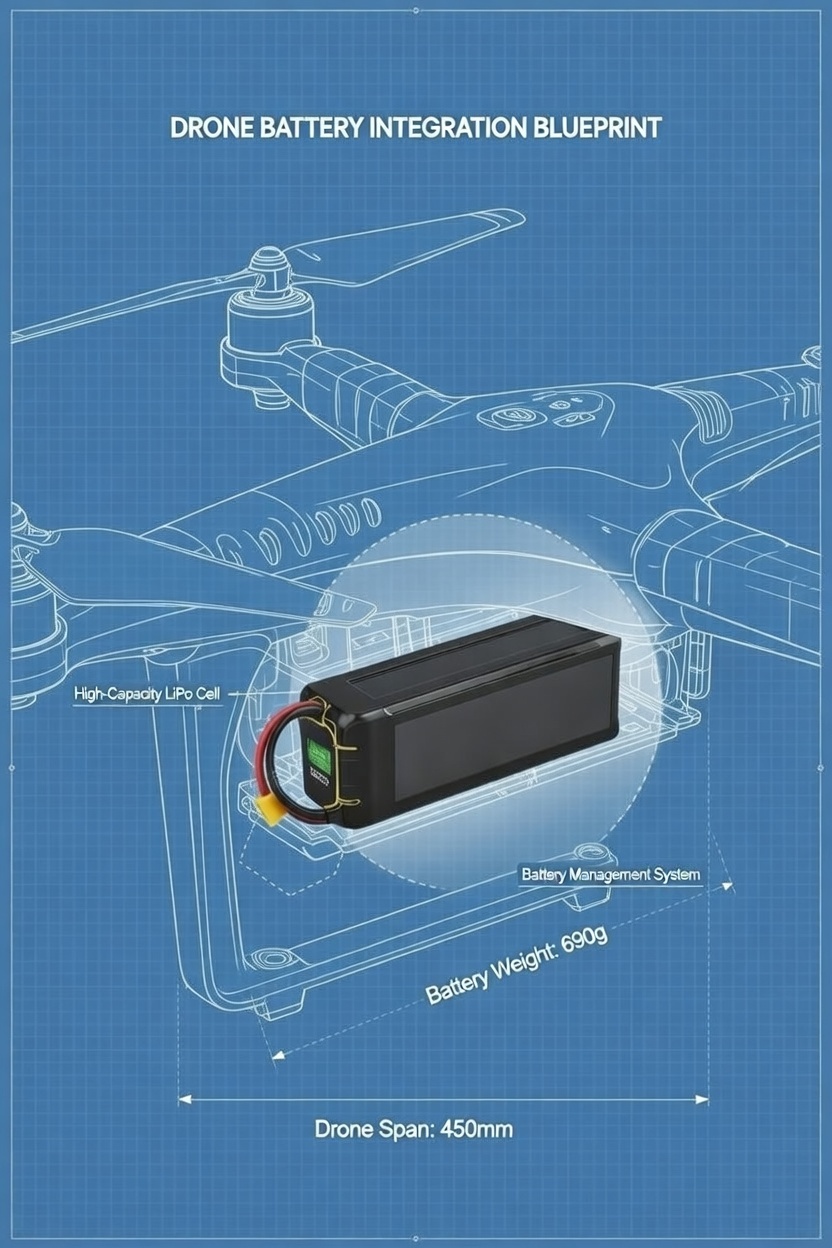
Invest in a sophisticated battery management system that tracks usage, health, and performance metrics. A robust BMS provides predictive analytics to anticipate when batteries may need replacement or maintenance, preventing unexpected failures during critical missions. For emergency rescue teams, this proactive approach ensures you never face a “battery failure” during a life-saving operation.
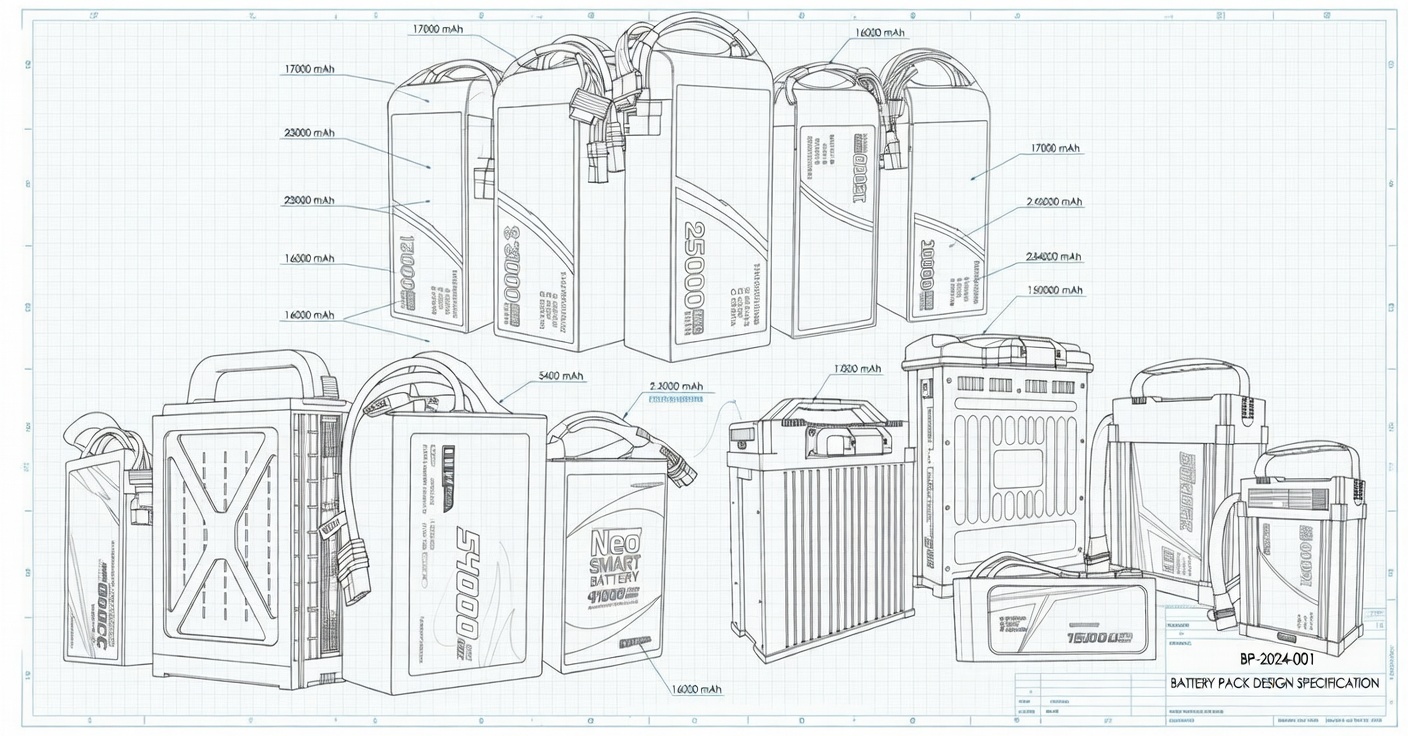
3. Standardize Battery Types Across Your Fleet
Avoid using multiple battery types across your fleet. Standardization simplifies inventory management, reduces training requirements for operators, and allows for bulk purchasing discounts. For emergency rescue teams, having a single battery type that meets all operational needs is crucial for rapid deployment and operational consistency.
4. Optimize Charging Infrastructure
Create a strategic charging plan that minimizes downtime. This includes having sufficient charging stations, using fast-charging technology where appropriate, and implementing a battery rotation system to ensure you always have fully charged batteries ready for deployment. Emergency rescue teams often operate on tight schedules—efficient charging infrastructure directly translates to more missions completed per day.
5. Develop a Preventive Maintenance Protocol
Establish a regular maintenance schedule based on usage, not just time. This includes monitoring battery health, cleaning connectors, and replacing components before they fail. For rescue operations where battery failure could mean delayed response times, this protocol is non-negotiable for mission success.
Comparative Analysis: Battery Technologies and Their TCO Impact
When evaluating battery options for emergency rescue drones, consider these key technologies:
LiPo Batteries: Traditional lithium-polymer batteries offer a good balance of energy density and cost. However, they require careful handling, have a limited number of charge cycles (typically 200-300), and can pose safety risks if mishandled. For emergency rescue teams, the TCO is moderate but requires significant operational management to prevent safety incidents.
Solid-State Batteries: Emerging solid-state technology offers higher energy density, faster charging, longer cycle life (1000+ cycles), and improved safety. While the initial cost is higher, the TCO over a five-year period is often lower due to reduced replacements and maintenance. A 2023 report by Drone Industry Insights showed that solid-state batteries reduced TCO by 28% for emergency services over three years compared to traditional LiPo.
Low-Temperature Batteries: Essential for rescue operations in extreme climates, these batteries maintain performance in cold conditions but typically have a higher upfront cost. For teams operating in regions with harsh weather, the TCO is justified as they prevent mission failures during critical operations. In mountain rescue scenarios, for example, low-temperature batteries can increase mission success rates by up to 40%.
For emergency rescue teams, the optimal choice often depends on specific operational environments. In many cases, a hybrid approach—using solid-state batteries for primary missions and low-temperature variants for extreme weather operations—provides the best overall TCO.
Frequently Asked Questions About TCO for Emergency Rescue Drone Batteries
Q: How much can we save by optimizing TCO for our drone batteries?
A: Organizations that implement comprehensive TCO optimization strategies typically see a 25-40% reduction in battery-related costs over three years, with additional benefits including improved operational reliability and reduced downtime. For emergency rescue teams, this translates to more missions completed and lives saved.
Q: What’s the biggest mistake emergency rescue teams make with drone battery TCO?
A: The most common error is focusing solely on the initial purchase price rather than considering the full lifecycle costs. This leads to higher long-term expenses due to frequent replacements, maintenance, and operational inefficiencies. Remember: a $100 battery that lasts 300 cycles costs less over time than a $150 battery that lasts only 200 cycles.
Q: How often should we replace drone batteries for emergency rescue operations?
A: Battery replacement should be based on usage and health metrics, not just time. Most high-quality batteries for emergency rescue should be replaced after 300-500 charge cycles or when their capacity drops below 80% of original. Implementing a BMS can help track this accurately without disrupting mission readiness.
Q: Are there any safety considerations that impact TCO for emergency rescue drone batteries?
A: Absolutely. Safety incidents related to battery failures can lead to significant costs beyond the battery itself, including potential equipment damage, operational delays, and even liability issues. Investing in high-quality, safety-certified batteries may have a higher upfront cost but reduces these hidden TCO factors. For emergency rescue teams, safety isn’t just a feature—it’s a mission-critical requirement.
The Path Forward: Making TCO Optimization a Strategic Priority
Optimizing the Total Cost of Ownership for drone batteries is not just about saving money—it’s about ensuring that your emergency rescue team is always ready to respond when it matters most. By implementing the best practices outlined in this guide, you can transform your drone operations from a cost center to a strategic asset that enhances mission success and saves lives.
At CNS Battery, we specialize in helping emergency rescue teams achieve the optimal TCO for their drone operations. Our custom battery solutions are designed with your specific operational needs in mind, focusing on reliability, efficiency, and long-term cost savings. We’ve helped numerous emergency response organizations across the globe optimize their drone battery TCO, resulting in more successful missions and greater operational confidence.
Ready to transform your drone battery TCO? Get your customized drone battery quote today and experience the difference that professional battery solutions can make for your emergency rescue operations.
Get Your Custom Drone Battery Quote Now
At CNS Battery, we’re committed to reliable battery innovation, helping emergency rescue teams extend their range and improve safety. With our expertise in drone battery technology and our global supply chain, we can help you implement the best TCO strategy for your specific operational needs. Let us help you power your mission with confidence.