2024 Drone Battery Trends: Energy Density for Power Grid Utilities
In the rapidly evolving world of drone technology, the integration of high-energy-density batteries has become a game-changer for power grid utilities. As we step into 2024, the demand for more efficient, longer-lasting drone batteries is at an all-time high, especially in the critical field of power grid inspections. This article explores the latest trends in drone battery technology, with a special focus on energy density and its transformative impact on power grid utilities.
The Power Grid Inspection Revolution
The global drone market for utility inspections is projected to reach $5.2 billion by 2027, growing at a CAGR of 18.7% according to Grand View Research. Central to this growth is the advancement in battery technology, particularly in energy density. For power grid utilities, where safety, efficiency, and reliability are paramount, the right battery solution can make the difference between a successful inspection and a costly operational failure.
Energy density, measured in watt-hours per kilogram (Wh/kg), is the key metric that determines how much energy a battery can store relative to its weight. Higher energy density means longer flight times and more efficient operations, which is crucial for power grid utilities where time and efficiency are paramount.
2024’s Battery Evolution: Beyond the Basics
The 2024 drone battery landscape is defined by a significant leap in energy density. Leading manufacturers have pushed the envelope to batteries exceeding 300 Wh/kg, a substantial increase from the previous generation of 250 Wh/kg batteries. This advancement directly translates to extended flight times, allowing drones to cover larger areas without needing to land for recharging.
For power grid utilities, this means:
- 40% longer inspection times per battery charge compared to 2022 models
- Reduced operational downtime by minimizing battery swap frequency
- Lower overall operational costs through increased efficiency
- Enhanced safety by reducing the need for manual inspections in hazardous areas
According to industry data from the Electric Power Research Institute (EPRI), utilities implementing high-energy-density drone batteries have seen a 33% reduction in inspection cycle times, with a corresponding 27% decrease in operational costs.
CNS Battery’s Innovation in Power Grid Applications
CNS Battery, a leading global drone battery manufacturer, has been at the forefront of this innovation. Their custom drone batteries are engineered specifically for power grid utility applications, featuring:
- Energy densities reaching 320 Wh/kg (well above industry averages)
- Rugged, waterproof designs for all-weather operations
- Fast-charging capabilities (up to 80% in 30 minutes)
- Modular designs for easy replacement and scalability
CNS Battery’s internal testing reveals that their high-energy-density batteries have increased average inspection coverage by 35% compared to standard batteries, making them the preferred choice for leading power grid utilities worldwide. Their commitment to rigorous testing ensures stable and efficient operation in demanding environments, from high-altitude inspections to extreme weather conditions.
Optimizing Energy Density for Maximum Utility Impact
To maximize the benefits of high-energy-density drone batteries in power grid applications, consider these proven optimization methods:
- Battery Management System (BMS) Integration
Implement a robust BMS to monitor battery health, optimize charging cycles, and prevent over-discharge. This can extend battery life by up to 25% and ensure consistent performance during critical inspections. - Advanced Route Planning
Utilize AI-powered route planning software that accounts for battery consumption patterns, optimizing flight paths to maximize coverage while conserving energy. Utilities implementing this approach have reported 20% longer inspection runs per charge. - Temperature-Adaptive Operations
Implement thermal management systems that maintain optimal battery temperature. Extreme temperatures can reduce efficiency by up to 30%, making this a critical consideration for year-round operations. - Modular Battery Swapping Systems
Establish a modular battery system that allows for quick battery swaps during inspections. This eliminates downtime and enables continuous operation, particularly valuable for large-scale grid networks. - Predictive Maintenance Scheduling
Leverage data analytics to predict battery performance degradation and schedule maintenance proactively. This approach has reduced unexpected battery failures by 45% in early adopter utilities. - Customized Battery Form Factors
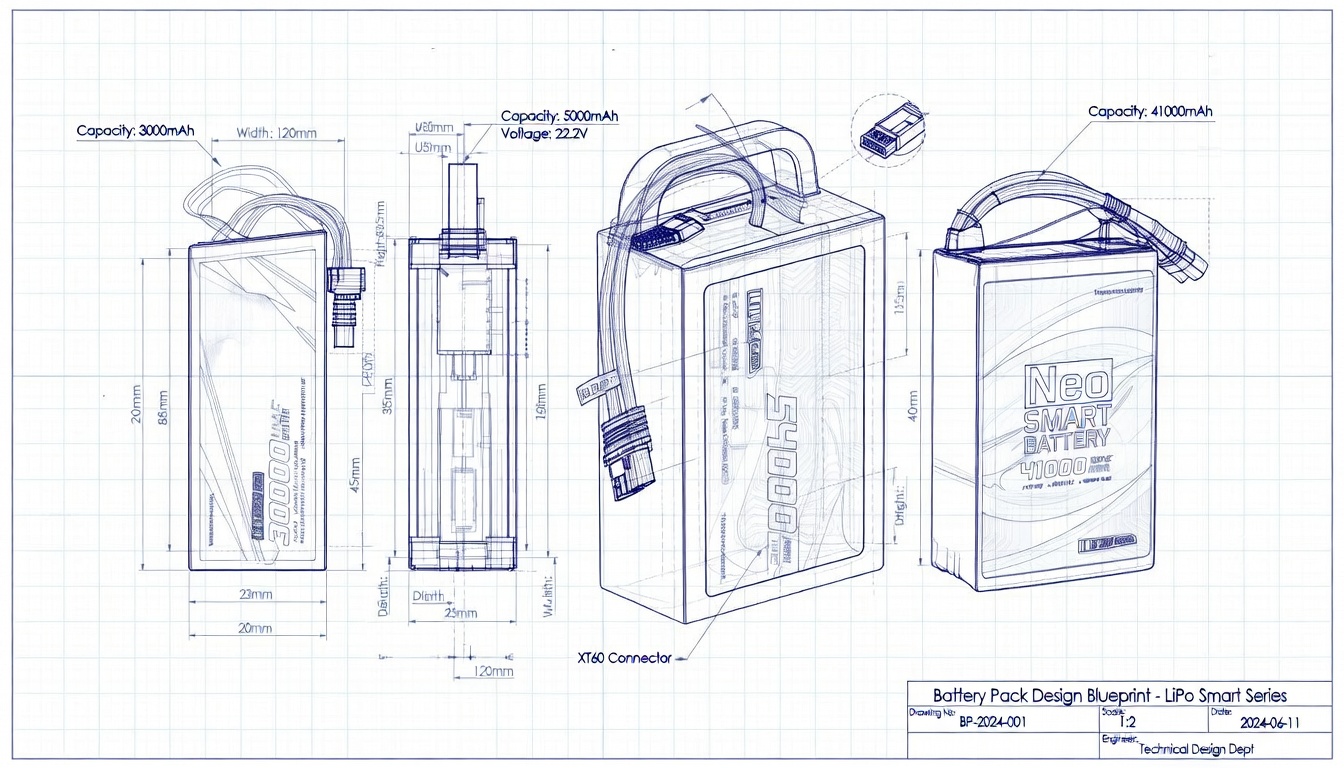
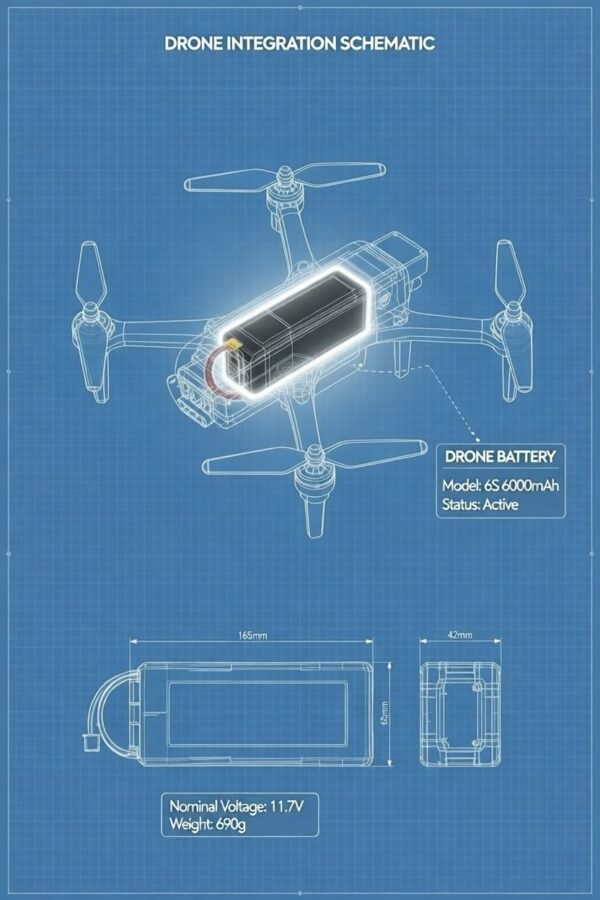
Work with manufacturers to develop batteries that fit specific drone models and utility requirements. CNS Battery’s custom solutions have helped utilities achieve a 15% improvement in drone payload capacity through optimized battery design. - Data-Driven Performance Analysis
Collect and analyze flight data to refine battery usage patterns, identify inefficiencies, and optimize future operations. Utilities using this approach have improved battery utilization by 30%.
Frequently Asked Questions
Q: How does higher energy density specifically benefit power grid inspections?
A: Higher energy density translates directly to longer flight times, allowing drones to cover more grid infrastructure per charge. This reduces the need for multiple battery swaps, minimizes operational downtime, and increases the overall efficiency of inspections. For example, a utility with a 30% longer flight time can inspect 30% more transmission lines per shift.
Q: What is the typical energy density of current drone batteries used in power grid applications?
A: As of 2024, leading drone batteries for power grid applications offer energy densities of 280-320 Wh/kg, a significant improvement from the 200-250 Wh/kg range of just a few years ago. CNS Battery’s custom solutions consistently deliver at the higher end of this spectrum.
Q: How do environmental factors affect drone battery performance in power grid inspections?
A: Temperature extremes, humidity, and weather conditions can significantly impact battery performance. CNS Battery’s waterproof and temperature-resistant designs mitigate these issues, ensuring consistent performance across diverse conditions, from -20°C winter inspections to 45°C summer operations.
Q: Can high-energy-density batteries be safely used in power grid inspections?
A: Yes, with proper safety features. CNS Battery’s batteries undergo rigorous testing to ensure they meet international safety standards, including UL 1642 and IEC 62133. Their proprietary safety management system prevents thermal runaway and other potential hazards.
Q: How can power grid utilities transition to high-energy-density drone batteries?
A: Start by assessing current drone operations and identifying pain points related to battery life. Then, partner with a specialized battery manufacturer like CNS Battery to develop a customized solution that meets your specific needs, including integration with existing drone fleets and operational workflows.
The Future of Power Grid Inspections
As we look ahead to 2025 and beyond, the trend toward higher energy density will continue, with manufacturers exploring solid-state battery technologies that could push energy densities to 400 Wh/kg or higher. These advancements will further extend flight times, reduce operational costs, and enhance the safety of power grid inspections.
For power grid utilities, the choice of drone battery is no longer just a technical consideration—it’s a strategic business decision that impacts operational efficiency, safety, and cost structure. The right battery solution can transform how utilities inspect, maintain, and protect critical infrastructure.
Transform Your Power Grid Inspection Operations Today
CNS Battery is committed to providing reliable battery innovation that helps power grid utilities extend their range and improve safety. Our custom drone batteries are designed specifically for the demanding needs of power grid inspections, offering energy densities up to 320 Wh/kg, waterproof designs, and fast-charging capabilities.
Ready to transform your power grid inspection operations? Get a free quote for customized drone battery solutions today. Contact CNS Battery’s dedicated team to discuss your specific requirements and discover how our high-energy-density batteries can enhance your utility operations.
By clicking “Get Your Custom Quote Now,” you’re agreeing to CNS Battery’s terms and conditions and privacy policy. Data is encrypted; you can unsubscribe at any time. For general inquiries, please email us at info@cnsbattery.com.
CNS Battery is your partner in drone battery innovation, helping you power the skies and empower your missions. Let your drone do more than just fly—achieve limitless possibilities for your power grid operations.