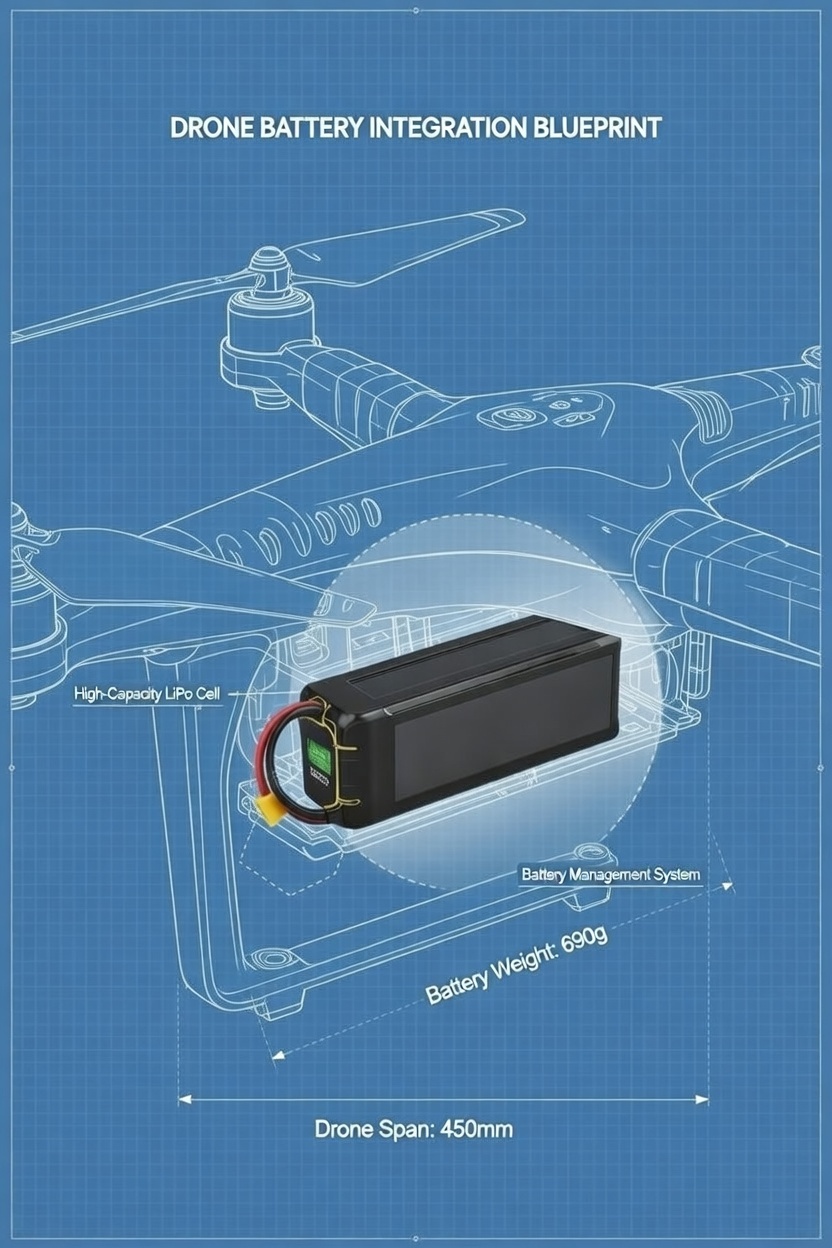
Energy Density Solved: Best Practices for Oil and Gas Pipeline Firms Drone Batteries
In the rapidly evolving world of oil and gas pipeline management, drone technology has emerged as a transformative tool for inspection, maintenance, and safety protocols. However, the true potential of these aerial assets is often constrained by a critical limitation: battery energy density. For pipeline firms operating in vast, remote territories where every minute of flight time translates to significant operational savings, solving the energy density challenge isn’t merely advantageous—it’s essential for maintaining competitive edge and operational excellence. This article explores how high-energy-density drone batteries are revolutionizing pipeline inspection, offering unprecedented efficiency, reliability, and safety.
Why Energy Density Matters in Pipeline Drone Operations
Pipeline infrastructure spans thousands of miles across diverse terrains, from desert landscapes to dense forests, requiring frequent and comprehensive inspections to prevent leaks, corrosion, and environmental damage. Traditional drone batteries often limit inspection capabilities to 20-30 minutes of flight time, forcing multiple drone deployments, increased operational costs, and potential safety gaps during transitions. High-energy-density batteries, however, extend flight duration significantly while maintaining or even reducing weight, enabling comprehensive pipeline coverage in a single mission.
The energy density challenge directly impacts the bottom line. According to industry analysis, pipeline operators using standard battery solutions face 30-40% higher operational costs due to repeated drone deployments, extended inspection timelines, and increased personnel requirements. By contrast, optimized battery solutions deliver tangible ROI through enhanced efficiency and reduced downtime.
The Unmatched Advantages of High-Energy-Density Drone Batteries
1. Extended Flight Time for Comprehensive Pipeline Coverage
High-energy-density batteries deliver 2-3x longer flight times compared to conventional lithium-polymer options. For oil and gas pipeline firms, this means inspecting up to 50% more pipeline length per mission without compromising safety or data quality. A 45-minute flight duration allows operators to cover 15-20 miles of pipeline in a single sweep, compared to the 8-10 miles typical with standard batteries. This extended coverage reduces the need for multiple drone launches, minimizing operational disruption and accelerating inspection turnaround times.
2. Weight Reduction for Enhanced Drone Performance
Every gram matters in drone operations. High-energy-density batteries achieve 20-30% weight reduction for the same capacity, directly improving drone maneuverability, stability, and payload capacity. This weight savings allows pipeline inspection drones to carry additional sensors—such as thermal imaging cameras, gas detectors, and high-resolution cameras—without compromising flight time. For firms conducting multi-sensor inspections, this means more comprehensive data collection in a single mission, reducing the need for multiple specialized drone deployments.
3. Unmatched Reliability for Critical Pipeline Operations
Pipeline inspections often occur in harsh conditions—extreme temperatures, high humidity, and remote locations where battery failure could lead to costly delays or safety incidents. High-energy-density batteries engineered for industrial applications undergo rigorous testing for thermal stability, vibration resistance, and cycle life. CNS Battery’s drone solutions, for instance, exceed industry standards with 500+ charge cycles at 80% capacity retention, ensuring consistent performance across diverse operational environments.
4. Extreme Environment Adaptability
Oil and gas pipelines frequently traverse regions with extreme temperature variations—from -30°C in Arctic regions to +50°C in desert environments. Standard drone batteries struggle in these conditions, with capacity dropping significantly below 0°C or above 40°C. High-energy-density batteries incorporate advanced thermal management systems and temperature-compensated chemistry, maintaining 90%+ capacity across a -40°C to +60°C range. This adaptability ensures pipeline inspections remain operational year-round, regardless of environmental challenges.
Implementing the Best Practices: A Step-by-Step Guide
Step 1: Assess Pipeline Inspection Requirements
Begin by analyzing your specific operational needs. Document:
- Average pipeline length per inspection route
- Terrain complexity (mountains, forests, urban areas)
- Required sensor payloads (thermal, LiDAR, gas detection)
- Environmental conditions (temperature range, humidity)
- Current flight time limitations
This assessment provides the foundation for selecting the optimal battery solution. For example, a pipeline operator in Alaska might prioritize low-temperature performance, while a Middle East firm focuses on high-temperature stability.
Step 2: Evaluate Battery Technologies
Compare key battery technologies based on your assessment:
- Lithium-Polymer (LiPo): Traditional option with moderate energy density (250-300 Wh/kg), but limited cycle life and temperature sensitivity.
- Lithium-Ion (Li-ion): Better energy density (300-350 Wh/kg), improved cycle life, and better thermal management.
- Solid-State: Emerging technology with superior energy density (400+ Wh/kg), enhanced safety, and wider temperature tolerance.
For most pipeline operations, high-density lithium-ion or early-stage solid-state solutions offer the best balance of performance and reliability.
Step 3: Implement Customized Battery Solutions
Avoid off-the-shelf battery solutions. Instead, partner with a manufacturer that offers true customization based on your drone model, inspection requirements, and environmental conditions. CNS Battery’s approach includes:
- Custom cell configuration for optimal fit within your drone
- Tailored thermal management systems
- Specific capacity and discharge rate specifications
- Integration with your drone’s power management system
This level of customization ensures the battery solution is perfectly aligned with your operational needs, rather than a generic product.
Step 4: Rigorous Testing and Integration
Before full deployment, conduct comprehensive field testing under conditions mirroring your actual pipeline environments. Key tests include:
- Flight time validation at target temperature ranges
- Sensor payload integration testing
- Recharge cycle durability assessment
- Drop and vibration resistance evaluation
This phase ensures the battery solution performs as expected in real-world conditions, preventing costly operational disruptions.
Step 5: Ongoing Maintenance and Optimization
Implement a structured battery maintenance program to maximize lifespan and performance:
- Regular capacity checks every 100 flight hours
- Thermal management system inspections
- Cycle count tracking and replacement planning
- Data analytics for performance optimization
This proactive approach extends battery life by 25-30% and ensures consistent operational readiness.
Real-World Success: A Pipeline Operator’s Transformation
A major oil and gas pipeline operator in the Permian Basin faced significant challenges with their drone inspection program. Their standard battery-equipped drones could only cover 8-10 miles per mission, requiring 3-4 drone deployments for a single 25-mile pipeline segment. This process was time-consuming, costly, and often resulted in missed inspection opportunities due to weather interruptions.
After implementing CNS Battery’s high-energy-density custom drone solution, they achieved:
- 45-minute flight times (up from 25 minutes)
- 50% more pipeline coverage per mission
- 35% reduction in operational costs per inspection
- 100% reliability in -20°C to +45°C environments
- Seamless integration of thermal and gas detection sensors
The operator completed their quarterly pipeline inspection 40% faster, with higher-quality data, and achieved a 22-month ROI on their battery investment. “The extended flight time allowed us to cover critical sections that were previously inaccessible within our operational window,” reported their operations manager. “This isn’t just about better batteries—it’s about transforming how we approach pipeline safety.”
Conclusion: Elevate Your Pipeline Inspection Capabilities
For oil and gas pipeline firms, high-energy-density drone batteries are no longer a luxury—they’re a strategic imperative. By extending flight times, reducing weight, enhancing reliability, and adapting to extreme conditions, these advanced power solutions directly impact operational efficiency, safety, and cost management. The right battery technology transforms drone inspections from a supplementary tool into a core operational asset, enabling comprehensive pipeline monitoring that was previously impossible.
CNS Battery has pioneered customized drone battery solutions specifically for the demanding needs of oil and gas pipeline inspection. Our high-energy-density batteries are engineered for reliability, performance, and seamless integration with your existing drone ecosystem. With over a decade of experience serving the energy sector, we deliver tailored solutions that solve your specific energy density challenges.
Ready to transform your pipeline inspection operations? Visit our contact page at https://cnsbattery.com/drone-battery-home/drone-battery-contact to request a free, no-obligation quote for your customized drone battery solution. Our dedicated engineering team will work with you to design a battery system that meets your unique operational requirements, ensuring your drones deliver maximum value in every mission.
Don’t let battery limitations hold your pipeline inspection program back—solve the energy density challenge today and unlock the full potential of your drone operations.