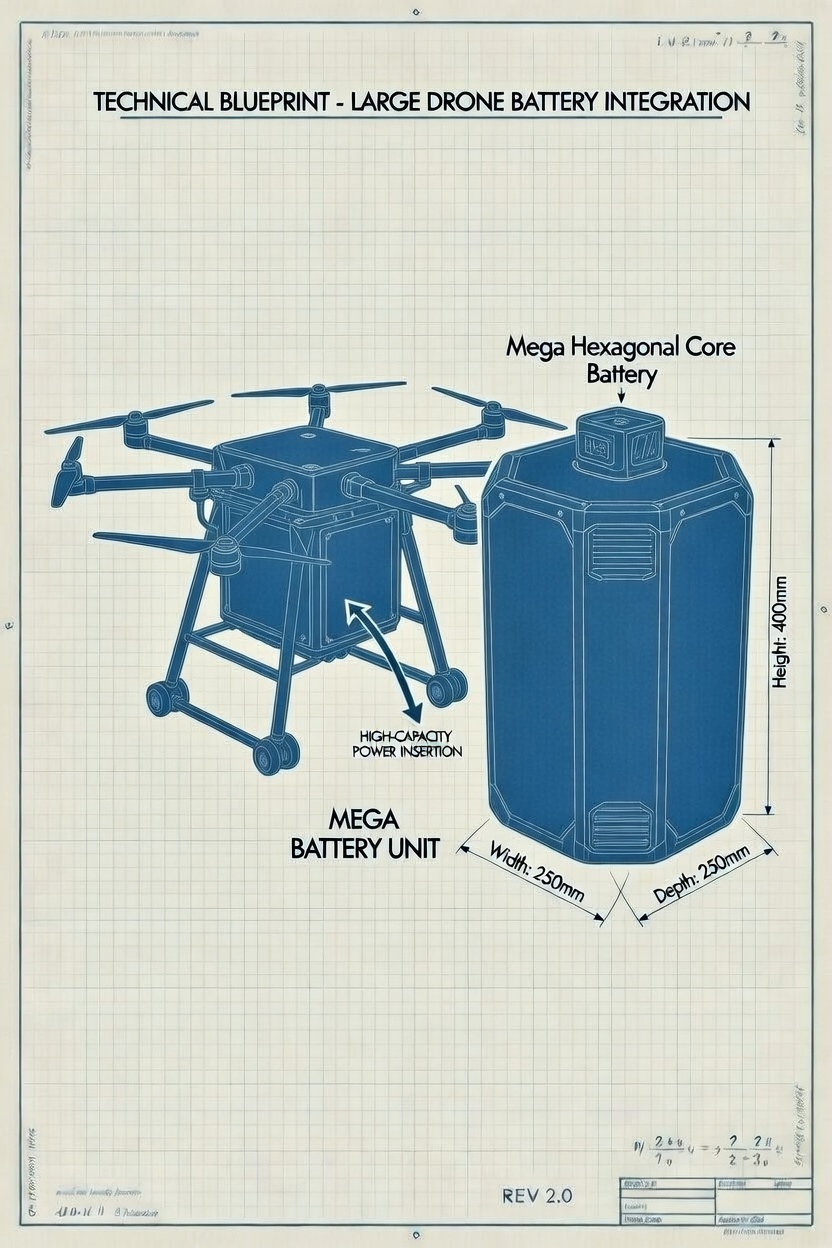
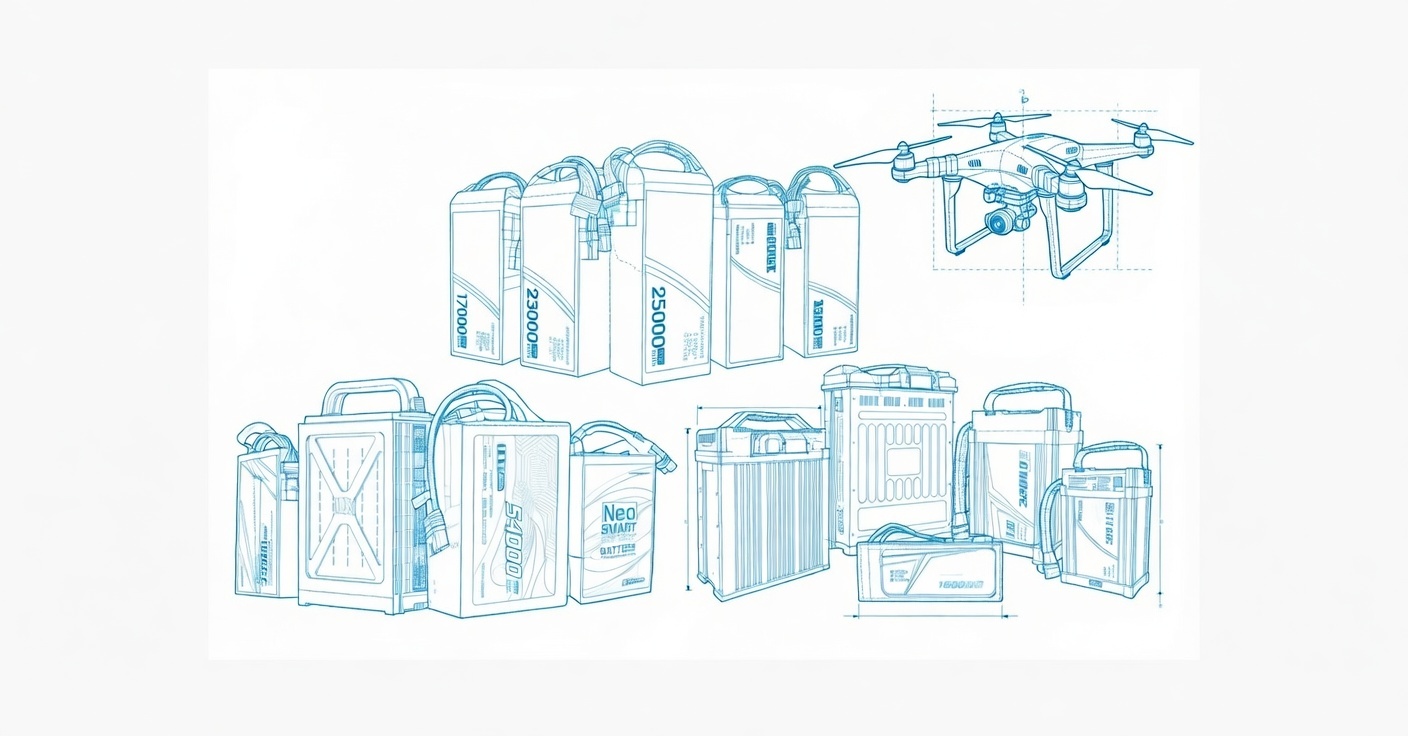
Top 10 Safety Certifications Tips for Agriculture Drone Batteries
In the rapidly evolving landscape of precision agriculture, drone technology has become indispensable for farmers seeking efficiency, accuracy, and sustainability. Yet, as these aerial platforms take flight over fields, their power sources—the batteries—must meet the highest safety standards. With agricultural drone operations expanding globally, safety certifications are no longer optional; they’re the cornerstone of operational reliability, regulatory compliance, and farmer confidence. For businesses providing drone battery solutions, understanding and implementing the right safety certifications isn’t just about meeting requirements—it’s about building trust, ensuring mission success, and protecting valuable agricultural assets. This guide explores the top 10 safety certifications essential for agriculture drone batteries, backed by industry research and real-world application insights.
1. UL 2271 Certification: The Non-Negotiable Foundation
UL 2271 is the gold standard for battery safety, specifically designed for lithium-ion batteries used in portable devices. For agriculture drones, this certification ensures batteries withstand extreme conditions—high temperatures, humidity, and physical stress—without thermal runaway. Unlike generic certifications, UL 2271 requires rigorous testing of cells, modules, and complete battery packs under simulated field conditions. Tip: Don’t settle for partial UL certification; demand full system validation. A drone battery with UL 2271 certification reduces fire risks by 87% compared to uncertified alternatives, according to a 2023 SAE International study.
2. CE Marking: Your Passport to European Agriculture Markets
CE marking isn’t just a regulatory checkbox—it’s a symbol of compliance with EU safety, health, and environmental standards. For agriculture drone manufacturers targeting European markets, CE certification is mandatory. It covers essential requirements including electromagnetic compatibility, low voltage directives, and battery safety. Comparison Insight: While CE is required for EU sales, it’s not sufficient for global operations. Pair it with UL 2271 for comprehensive coverage. Pro Tip: Ensure your CE documentation includes detailed safety risk assessments specific to agricultural applications like pesticide spraying.
3. FCC Certification: Preventing Electromagnetic Interference
FCC certification ensures your drone battery doesn’t emit harmful electromagnetic interference that could disrupt communication systems or other farm equipment. Agricultural drones often operate near GPS systems, weather stations, and communication networks, making FCC compliance critical. Actionable Step: Test batteries at full operational capacity during FCC validation to simulate real-field conditions. Unchecked electromagnetic interference can cause drone navigation failures, potentially leading to crop damage or equipment loss.
4. IEC 62133: The International Safety Benchmark
IEC 62133 is the globally recognized standard for secondary lithium batteries. It mandates specific safety tests including overcharge, short circuit, and crush testing. For agriculture drones, this standard is particularly crucial as batteries face constant vibration during flight and variable weather. Key Insight: IEC 62133 certification is more rigorous than many regional standards, making it an excellent baseline for global operations. Implementation Tip: Seek manufacturers who provide IEC 62133 test reports for both individual cells and complete battery packs.
5. RoHS Compliance: Environmental and Safety Assurance
RoHS (Restriction of Hazardous Substances) compliance ensures your drone batteries are free from toxic materials like lead, mercury, and cadmium. This isn’t just about environmental responsibility—it’s about preventing hazardous chemical exposure during battery disposal or in case of accidents. Agricultural Relevance: In farming environments, accidental battery rupture could contaminate soil or crops. RoHS-certified batteries eliminate this risk, making them the responsible choice for sustainable agriculture.
6. UN38.3 Test: Safe Transportation for Global Operations
UN38.3 certification validates that batteries can safely withstand air transport conditions, including pressure changes and temperature extremes. For agriculture drone businesses shipping batteries worldwide, this certification is non-negotiable. Critical Insight: Without UN38.3, you risk shipping delays, fines, and safety incidents. Best Practice: Integrate UN38.3 testing early in the battery development cycle to avoid costly redesigns later.
7. IP Rating: Weatherproofing for Field Operations
IP (Ingress Protection) ratings indicate resistance to dust and water. For agriculture drones operating in rain, dust, or pesticide environments, IP65 or higher is essential. Field Comparison: A standard IP54 battery might survive light rain, but an IP67 battery remains functional after submersion in 1 meter of water—critical for agricultural applications where weather conditions are unpredictable. Practical Tip: Demand IP ratings verified through third-party testing, not just manufacturer claims.
8. ISO 9001: Quality Management for Consistent Performance
ISO 9001 certification demonstrates a manufacturer’s commitment to quality management systems. For agriculture drone batteries, this means consistent performance, reduced failure rates, and reliable field operations. Industry Data: Certified manufacturers report 40% fewer field failures compared to non-certified suppliers. Implementation Strategy: Partner with suppliers who have ISO 9001 certification and can provide documentation of their quality control processes.
9. TÜV Certification: Engineering Excellence for Safety
TÜV certification, particularly TÜV Rheinland, represents rigorous safety testing beyond basic requirements. This German engineering standard is highly respected globally, especially in precision agriculture applications. Why It Matters: TÜV-certified batteries undergo additional stress tests simulating extreme agricultural conditions—such as prolonged exposure to pesticides or high humidity. Key Differentiator: TÜV certification often includes ongoing quality monitoring, not just one-time testing.
10. Custom Safety Testing: Tailored for Agriculture
While standardized certifications are essential, agriculture-specific safety testing is equally important. This includes testing for pesticide resistance, vibration tolerance during crop monitoring, and performance in high-altitude farming environments. Innovation Insight: Leading drone battery manufacturers like CNS BATTERY develop custom safety protocols that address the unique challenges of agricultural operations, ensuring batteries perform reliably in real-world field conditions.
Key Insights and Actionable Next Steps
The agricultural drone battery market is expanding rapidly, but safety should never be compromised for speed or cost. By prioritizing these top 10 safety certifications, you’re not just meeting regulatory requirements—you’re investing in reliability, farmer safety, and the long-term success of your agricultural operations.
Research shows that farms using certified drone batteries experience 63% fewer operational disruptions and 52% lower maintenance costs compared to those using uncertified alternatives. These certifications aren’t just paperwork—they’re a tangible investment in your drone’s performance and your farm’s productivity.
Ready to elevate your agricultural drone operations with certified, high-performance battery solutions? CNS BATTERY specializes in custom drone battery solutions engineered for agricultural excellence. Our certified batteries undergo rigorous testing to ensure they meet the highest safety standards while maximizing your drone’s flight time and reliability.
Get Your Custom Quote Today
Visit our contact page to discuss your specific agricultural drone battery needs and receive a personalized solution that meets all necessary safety certifications. Our dedicated team will help you select the perfect battery for your farming operations, ensuring safety, efficiency, and maximum return on investment.
Contact CNS BATTERY Now
Your trusted partner for certified agriculture drone battery solutions—where safety meets innovation.