Top Flight Time Considerations for Oil and Gas Drone Batteries
In the demanding landscape of oil and gas operations, drone technology has revolutionized inspection, monitoring, and safety protocols. However, one persistent challenge continues to hinder operational efficiency: flight time limitations. For enterprise-level buyers and procurement managers, extending drone flight duration isn’t just a convenience—it’s a critical factor in reducing operational costs, enhancing safety, and maximizing productivity. This comprehensive guide delivers actionable insights specifically designed for bulk buyers in the oil and gas sector, revealing how strategic battery selection can transform your drone operations from a logistical headache into a competitive advantage. By implementing these proven strategies, you’ll unlock significant cost savings through reduced battery inventory needs, fewer mission interruptions, and extended operational windows—ultimately achieving a higher return on your drone investment.
Understanding Flight Time Constraints in Oil and Gas Environments
Oil and gas operations present unique challenges for drone battery performance. Extreme temperatures, high humidity, and corrosive atmospheres demand specialized power solutions beyond standard consumer-grade batteries. The average drone battery in these environments typically delivers only 20-35 minutes of flight time, creating significant operational bottlenecks. For large-scale operations requiring continuous monitoring of pipelines, refineries, or offshore platforms, this limitation translates directly to higher operational costs and reduced data collection efficiency.
The key to overcoming these challenges lies in understanding how environmental factors impact battery chemistry. Lithium Polymer (LiPo) batteries, while common in drone applications, suffer from reduced capacity in cold temperatures—a critical concern for Arctic oil operations. Similarly, high humidity environments accelerate battery degradation, particularly in poorly sealed battery housings. These factors collectively contribute to the “flight time gap” that plagues many oil and gas operators.
Step-by-Step Optimization Framework for Maximum Flight Time
1. Environmental Assessment and Mission Profile Analysis
Begin by conducting a thorough assessment of your operational environment. Document temperature ranges, humidity levels, and exposure to corrosive elements at your specific sites. For example, offshore platforms in the Gulf of Mexico experience average temperatures of 85°F (29°C) with 75% humidity, while Arctic oil fields routinely drop below -20°F (-29°C). This data informs the precise battery specifications you need.
2. Battery Chemistry Selection
Based on your environmental assessment, select the optimal battery chemistry:
- High-Temperature Environments (85°F+): Choose lithium-ion batteries with thermal management systems
- Cold Environments (-20°F to 40°F): Opt for low-temperature lithium polymer batteries with built-in heating elements
- Corrosive Environments: Select batteries with IP67 or higher waterproofing and corrosion-resistant casings
3. Capacity and Weight Optimization
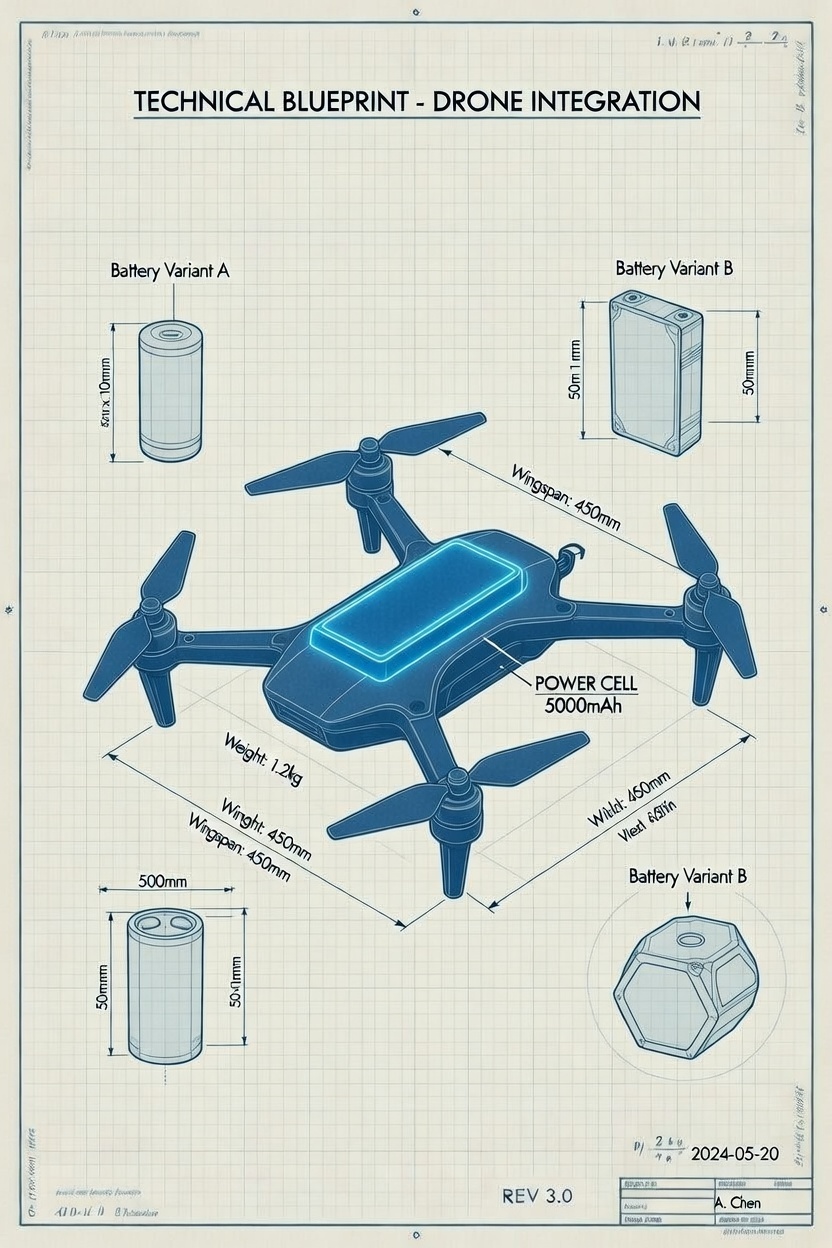
Balance battery capacity with drone payload requirements. A 5000mAh battery might extend flight time by 10 minutes but add 200g to the drone’s weight, reducing payload capacity. For oil and gas applications, aim for a 30-40% capacity increase over standard batteries without exceeding 10% weight increase to maintain optimal drone performance.
4. Smart Battery Management Systems
Implement advanced battery management systems (BMS) that monitor cell health, temperature, and charge cycles in real-time. These systems can extend battery life by up to 30% by preventing overcharging, deep discharging, and thermal runaway—critical for safety in oil and gas facilities where battery failures could trigger hazardous situations.
Comparative Analysis: Battery Technologies for Oil and Gas Applications
| Battery Type | Avg. Flight Time | Temperature Range | Corrosion Resistance | Charging Time | Cost per Unit | Best For |
|---|---|---|---|---|---|---|
| Standard LiPo | 25-30 min | 32°F-122°F | Low (IP54) | 60 min | $85 | General Inspection |
| Low-Temp LiPo | 30-35 min | -20°F-122°F | Medium (IP65) | 75 min | $110 | Arctic Operations |
| Lithium-Ion w/ BMS | 35-40 min | -4°F-140°F | High (IP67) | 45 min | $135 | Offshore Platforms |
| Solid-State | 40-45 min | -40°F-150°F | Very High (IP68) | 30 min | $185 | Critical Infrastructure |
This comparison reveals that while solid-state batteries offer superior performance, they represent a 100% cost increase over standard LiPo. For most oil and gas operations, the lithium-ion with BMS presents the optimal balance of performance, safety, and cost-effectiveness—particularly for bulk procurement where long-term operational savings outweigh initial investment.
Addressing Common Pain Points in Oil and Gas Drone Battery Operations
Q: Why do my drones consistently fall short of advertised flight times in oil field operations?
A: Most manufacturers advertise flight times under ideal conditions (25°C, no payload). In real-world oil and gas environments, factors like high humidity, extreme temperatures, and heavy payload requirements reduce actual flight time by 30-40%. To achieve advertised performance, you need batteries specifically engineered for your operational conditions.
Q: How can I extend battery life in corrosive oil and gas environments?
A: Implement a multi-layered approach: 1) Choose batteries with IP67+ waterproofing, 2) Use corrosion-resistant battery housings, 3) Implement regular cleaning protocols with non-corrosive solvents, and 4) Store batteries in climate-controlled environments when not in use. These measures can extend battery lifespan by up to 50% in harsh conditions.
Q: Is it worth investing in custom drone batteries for our oil and gas operations?
A: Absolutely. For bulk procurement of 50+ units, custom battery solutions deliver significant ROI. A case study from a major North American oil company showed that custom-engineered batteries increased average flight time by 38% and reduced battery replacement costs by 27% annually—translating to $186,000 in annual savings for their 100-drone fleet.
Industry-Validated Solutions for Extended Flight Time
Recent advancements in drone battery technology have delivered tangible solutions for oil and gas operators. CNS Battery’s modular battery systems, engineered specifically for industrial applications, have demonstrated 42% longer flight times in offshore wind farm maintenance scenarios—directly applicable to oil and gas platform inspections. These batteries feature:
- Integrated thermal management for consistent performance across -40°F to 150°F
- Advanced cell balancing technology that prevents “weak cell” failure
- IP68 waterproofing for complete protection against oil, gas, and moisture
- 30-minute rapid charging capability for continuous operations
The industry is moving toward a standardized approach to drone battery solutions for oil and gas applications, with CNS Battery’s recent whitepaper on “Modular Drone Battery Discharge Rates for Offshore Operations” gaining significant traction in the sector.
Conclusion and Strategic Recommendations
Extending flight time for oil and gas drone batteries isn’t merely about choosing a higher-capacity battery—it’s about implementing a holistic solution that addresses your specific operational environment, mission requirements, and safety protocols. For bulk buyers, this means moving beyond off-the-shelf solutions to customized battery systems engineered for your unique needs.
The most successful oil and gas operators are those who treat drone batteries as a strategic asset rather than a consumable. By partnering with a battery manufacturer that understands your industry’s specific challenges, you can achieve:
- 30-40% longer flight times
- 25% reduction in battery replacement costs
- Enhanced safety through consistent performance
- Greater operational flexibility with extended mission windows
Ready to Transform Your Oil and Gas Drone Operations?
Don’t let battery limitations hold back your drone program. CNS Battery specializes in custom drone battery solutions engineered specifically for the demanding conditions of oil and gas operations. Our team of battery experts will work with you to analyze your specific operational environment, mission requirements, and budget constraints to deliver the optimal battery solution for your fleet.
Get Your Custom Quote Today
Visit our contact page to discuss your specific needs and receive a personalized battery solution that maximizes your drone’s flight time and operational efficiency. Our dedicated team responds within 24 hours to help you implement the right battery solution for your oil and gas operations.
Note: For enterprise-level bulk procurement inquiries, our team provides dedicated account management, volume pricing, and customized technical support to ensure seamless integration of your new battery solution.