Cylindrical Drone Battery vs. Hydrogen Fuel Cell: A Comparative Analysis for Arctic Exploration Drones
In the vast, frozen expanse of the Arctic, where temperatures plummet to -40°C and daylight hours fluctuate dramatically, drones have become indispensable tools for scientific research, environmental monitoring, and resource exploration. However, the harsh conditions pose unique challenges to drone battery technology, making the choice between cylindrical drone batteries and hydrogen fuel cells critical for mission success. As the demand for reliable, high-performance power solutions grows, understanding the nuances of these two technologies becomes paramount. This comprehensive analysis delves into the comparative advantages and limitations of cylindrical batteries versus hydrogen fuel cells specifically for Arctic exploration drones, offering actionable insights for researchers and industry professionals.
The Arctic Challenge: Why Battery Choice Matters
Arctic exploration drones face extreme conditions that conventional battery solutions often struggle to handle. The frigid temperatures can cause standard lithium-based batteries to lose significant capacity, while the extended missions required for comprehensive data collection demand exceptional energy density. In these environments, even a 10% reduction in battery performance can mean the difference between completing a critical survey and returning prematurely. Understanding the performance characteristics of different power systems is not just beneficial—it’s mission-critical.
Cylindrical Drone Batteries: The Established Standard
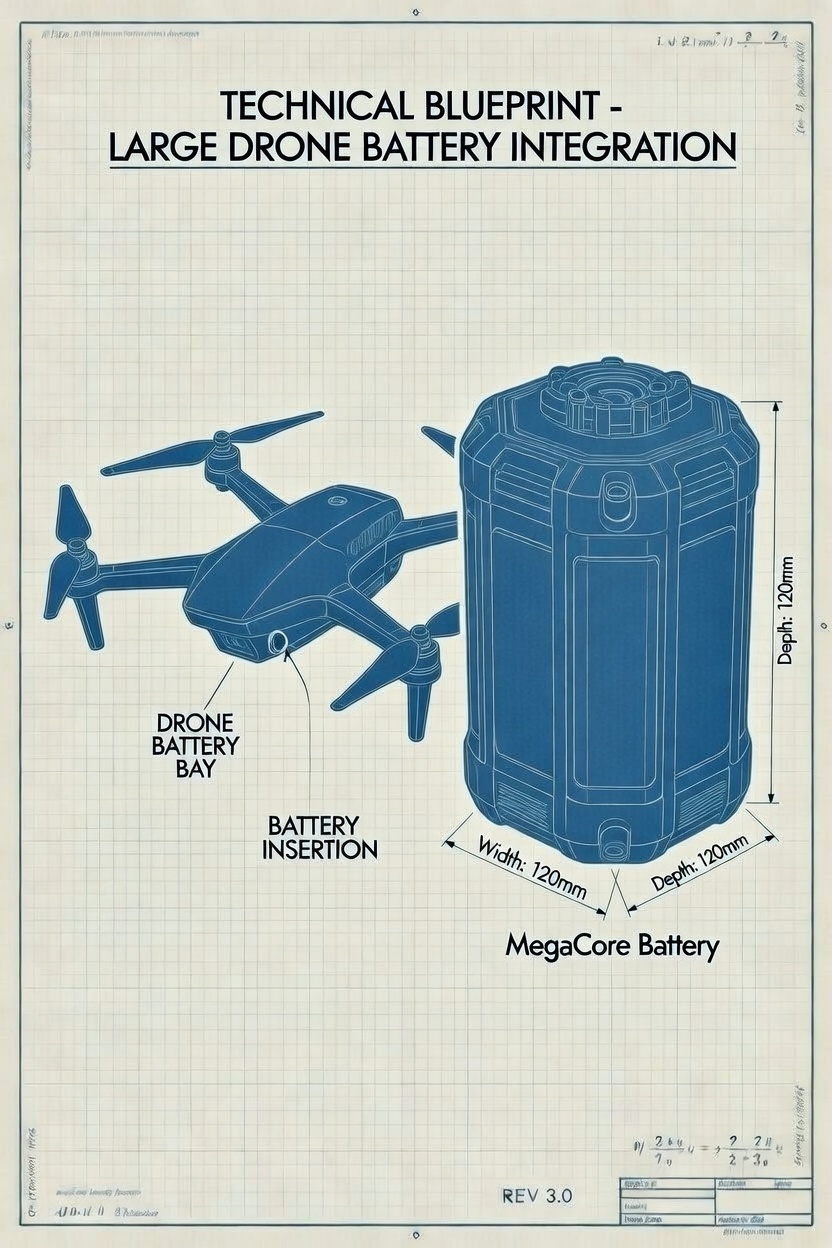
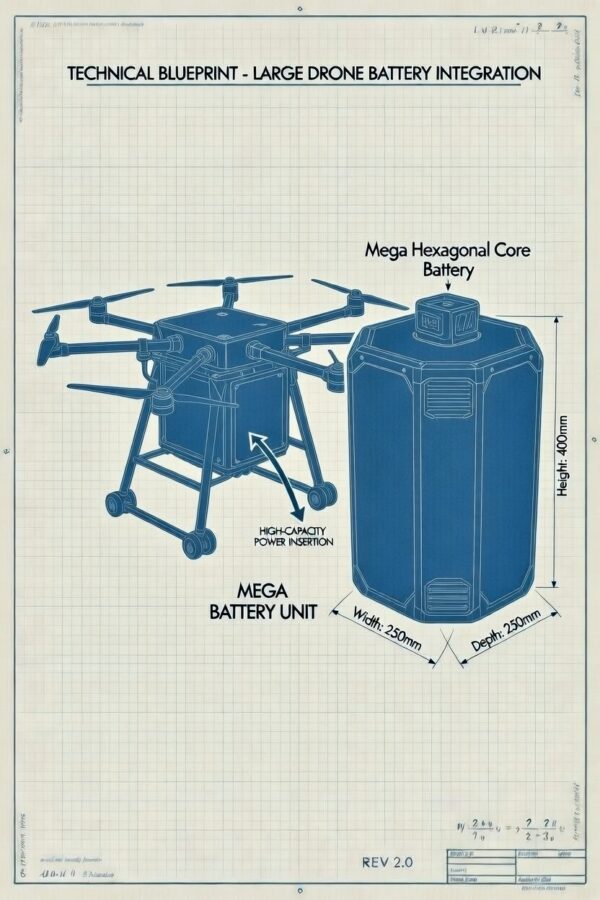
Cylindrical drone batteries, primarily based on lithium-polymer (LiPo) or lithium-ion (Li-ion) chemistry, have dominated the drone industry for years. These batteries are characterized by their cylindrical cell design, which offers several advantages for aerial applications. The cylindrical shape allows for efficient packing density, providing a high energy-to-weight ratio that’s crucial for extended flight times.
However, in Arctic conditions, standard cylindrical batteries face significant challenges. Lithium-based batteries typically suffer from reduced capacity and slower discharge rates at sub-zero temperatures. For instance, a standard LiPo battery might lose up to 30% of its capacity at -20°C, and this degradation worsens as temperatures drop further. Additionally, the cold can cause the electrolyte to thicken, slowing ion movement and reducing overall efficiency. While thermal management systems can mitigate some of these issues, they add weight and complexity to the drone design.
Hydrogen Fuel Cells: The Emerging Alternative
Hydrogen fuel cells present a compelling alternative for extreme environment operations. These systems generate electricity through the chemical reaction of hydrogen and oxygen, producing only water as a byproduct. Hydrogen fuel cells excel in Arctic conditions due to their ability to maintain consistent power output across a wide temperature range, typically from -40°C to 40°C without significant performance degradation.
The key advantage of hydrogen fuel cells lies in their energy density. With energy densities around 1,000 Wh/kg compared to cylindrical batteries’ 250-300 Wh/kg, a hydrogen-powered drone could potentially fly 3-5 times longer than a similarly weighted lithium-powered counterpart. This extended operational time is invaluable in Arctic regions where refueling opportunities are scarce and mission windows are limited.
Comparative Analysis: Key Performance Metrics
Let’s examine the two technologies across critical performance metrics:
Energy Density and Flight Time: Hydrogen fuel cells offer a clear advantage with their significantly higher energy density. While cylindrical batteries provide 250-300 Wh/kg, hydrogen fuel cells deliver 1,000+ Wh/kg, translating to substantially longer flight times essential for comprehensive Arctic surveys.
Temperature Performance: Cylindrical batteries experience notable performance degradation below -20°C, while hydrogen fuel cells maintain stable output across the full Arctic temperature range. This consistent performance is critical for missions requiring uninterrupted operation.
Weight Considerations: Cylindrical batteries are lighter per unit of energy for shorter missions, but hydrogen fuel cells become more advantageous for extended missions due to their superior energy density. The fuel cell system, including hydrogen storage, adds weight but is offset by the extended operational time.
Safety Profile: Both technologies have distinct safety considerations. Cylindrical batteries are generally considered safer in terms of fire risk but can swell or vent in extreme cold. Hydrogen fuel cells require careful handling of hydrogen gas, though modern systems incorporate multiple safety features to mitigate this risk.
Cost and Infrastructure: Cylindrical batteries have lower upfront costs and benefit from widespread charging infrastructure. Hydrogen fuel cells have higher initial costs and require specialized infrastructure for hydrogen storage and refueling, which can be challenging in remote Arctic locations.
Practical Implementation Strategies
For Arctic drone operators, implementing the right power solution requires careful planning:
- Conduct Real-World Temperature Testing: Before committing to a battery solution, test your drone with the proposed power system under actual Arctic conditions. Simulate -40°C environments if possible to assess real-world performance.
- Prioritize Modular Design: Look for battery systems with modular components that allow for easy replacement of individual cells or fuel cartridges in the field, minimizing downtime during missions.
- Implement Thermal Management Systems: Both technologies benefit from thermal management to maintain optimal operating temperatures. For cylindrical batteries, this might mean integrated heating elements; for hydrogen fuel cells, it could involve insulation and temperature regulation systems.
- Evaluate Total Cost of Ownership: Consider not just the initial purchase price but also maintenance, replacement, and operational costs over the drone’s lifespan. Hydrogen fuel cells may have higher upfront costs but lower long-term expenses for extended missions.
- Seek Customized Solutions: Standard battery solutions often fall short in extreme environments. Partner with manufacturers specializing in Arctic-ready drone batteries for tailored solutions that meet your specific operational requirements.
Key Insights: Making the Right Choice
- Mission Duration Dictates Choice: For short-duration missions (under 30 minutes), cylindrical batteries remain cost-effective and reliable. For extended missions (over 1 hour), hydrogen fuel cells offer superior performance and reliability.
- Environmental Factors Matter: In consistently cold environments below -20°C, hydrogen fuel cells’ consistent performance makes them the clear choice for mission success.
- Customization is Key: Off-the-shelf solutions rarely meet Arctic exploration needs. Customized drone battery solutions designed for extreme environments deliver optimal performance.
- Safety Must Be Paramount: Regardless of the technology chosen, ensure your battery system meets international safety standards for extreme environment operations.
- Future-Proof Your Investment: As Arctic exploration expands, choosing a technology with proven scalability and support will be crucial for long-term success.
Conclusion and Actionable Next Steps
The Arctic presents a unique set of challenges that demand innovative battery solutions for drone operations. While cylindrical batteries have been the industry standard, the emerging hydrogen fuel cell technology is rapidly gaining ground for extreme environment applications. For researchers and explorers seeking reliable, long-duration drone operations in the Arctic, the choice between these two technologies is not merely a technical decision—it’s a mission-critical one.
At CNS Battery, we specialize in creating customized drone battery solutions specifically engineered for extreme environments like the Arctic. Our team of battery experts has developed advanced cylindrical battery systems with enhanced cold-weather performance, as well as hydrogen fuel cell integration solutions tailored for Arctic exploration drones.
Ready to power your next Arctic exploration mission with the right battery technology? Don’t settle for suboptimal performance in one of the world’s most challenging environments. Contact our drone battery specialists today to discuss your specific requirements. Visit our contact page at https://cnsbattery.com/drone-battery-home/drone-battery-contact to get a free quote and discover how our customized drone battery solutions can extend your range, improve safety, and empower your Arctic missions.
Let’s make your Arctic exploration drone journey as reliable as the ice beneath your feet—because when the stakes are this high, only the best battery technology will do.