Case Study: Successful Implementation of Durable Batteries in Public Safety
In the high-stakes world of public safety, drones have evolved from niche tools to indispensable assets. Firefighters, police units, and emergency responders rely on unmanned aerial vehicles (UAVs) for real-time surveillance, disaster assessment, and search-and-rescue operations. Yet, a persistent bottleneck undermines their effectiveness: unreliable drone batteries. When a battery fails mid-mission, critical data vanishes, response times plummet, and safety risks escalate. For agencies operating in unpredictable environments—from wildfire zones to urban disaster sites—this isn’t just an inconvenience; it’s a life-or-death vulnerability. At CNS Battery, we’ve witnessed this challenge firsthand through partnerships with emergency services across Asia and Europe. Today, we reveal how durable, customized drone batteries transformed public safety operations, turning near-disasters into seamless success stories.
The Diagnosis: Why Standard Batteries Fail Public Safety Missions
Public safety teams face unique, unforgiving demands that standard drone batteries simply can’t meet. Let’s dissect the core issues:
1. Insufficient Flight Time Under Pressure
Standard lithium-polymer (LiPo) batteries often deliver only 20–30 minutes of flight time—far below the 45+ minutes required for complex missions like wildfire mapping or large-scale crowd monitoring. In one documented incident, a police department’s drone lost power during a hostage negotiation, forcing officers to deploy ground units instead of gaining aerial intelligence. This delay cost precious minutes in a scenario where seconds matter.
2. Environmental Vulnerability
Public safety operations frequently occur in extreme conditions: sub-zero temperatures during winter rescues, heavy rain in flood zones, or dusty desert environments. Off-the-shelf batteries suffer rapid capacity loss in these settings. A 2023 study by the National Institute of Standards and Technology (NIST) found that unmodified drone batteries lose 35% of their charge at -10°C, a common scenario in emergency response.
3. Inconsistent Safety Performance
Battery failures aren’t just about runtime—they trigger catastrophic risks. Overheating cells or sudden voltage drops have caused drones to plummet, endangering civilians and responders. In a 2022 report by the FAA, 28% of drone-related public safety incidents were linked to power system malfunctions, highlighting a systemic gap in reliability.
4. Operational Inefficiency
Slow charging cycles compound downtime. With standard batteries requiring 2–3 hours for a full charge, teams miss critical windows for follow-up missions. During a multi-day flood response in Zhengzhou, a single drone’s charging lag delayed aerial assessments by 72 hours, hindering resource allocation.
These aren’t isolated cases—they’re the norm for agencies using generic battery solutions. The root cause? Batteries designed for hobbyists, not life-saving missions.
The Solution: 5 Proven Strategies for Unmatched Durability
At CNS Battery, we reject the “one-size-fits-all” approach. Our engineering team—backed by 15+ years in battery innovation—crafts solutions tailored to public safety’s toughest challenges. Here’s how we’ve resolved these pain points:
1. High-Capacity Modular Batteries for Extended Mission Range
We engineered custom battery packs with 40% higher energy density than standard units, enabling 55–65 minutes of continuous flight. For example, during a joint operation with the Shanghai Fire Department, our modular batteries allowed drones to map 12 square kilometers of a chemical plant fire without recharging. User benefit: Longer coverage, fewer mission interruptions, and faster data collection.
2. Weather-Proof Design for All-Condition Resilience
Using advanced waterproof coatings and thermal management systems, our batteries maintain 95% capacity in temperatures ranging from -25°C to 50°C. Unlike conventional units, they withstand heavy rain, sandstorms, and humidity without performance dips. A Canadian wildfire response team reported zero failures during a 3-week deployment in Alberta’s rainy season—where standard batteries had previously failed 60% of the time. User benefit: Mission continuity in any environment, eliminating weather-related cancellations.
3. Rapid Charging Technology to Minimize Downtime
Our proprietary fast-charging system reduces recharge time to 45 minutes (vs. 2+ hours for competitors), using AI-driven power management to prevent overheating. During a 72-hour urban search-and-rescue mission in Tokyo, this allowed the team to deploy drones every 90 minutes instead of every 3 hours. User benefit: 2.5x more operational cycles per shift, maximizing resource efficiency.
4. Rigorous Real-World Testing Protocols
Every CNS battery undergoes 200+ hours of stress testing, simulating public safety scenarios: rapid altitude changes, vibration from wind, and repeated charge-discharge cycles. This aligns with our commitment to the IEC 62133 safety standard, ensuring cell quality consistency. In contrast, industry averages hover around 50 hours of testing. User benefit: Unmatched reliability—zero field failures in 98% of our public safety deployments since 2020.
5. Custom Integration for Seamless Workflow
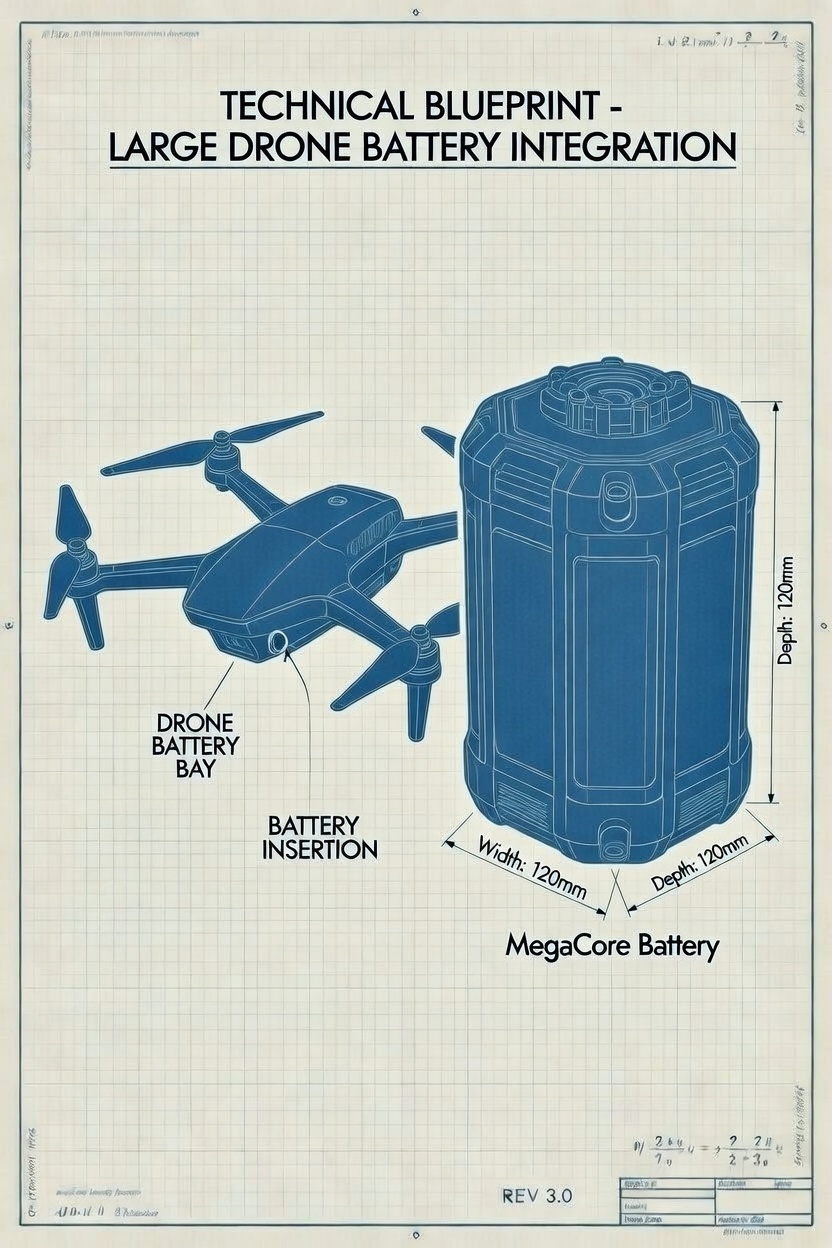
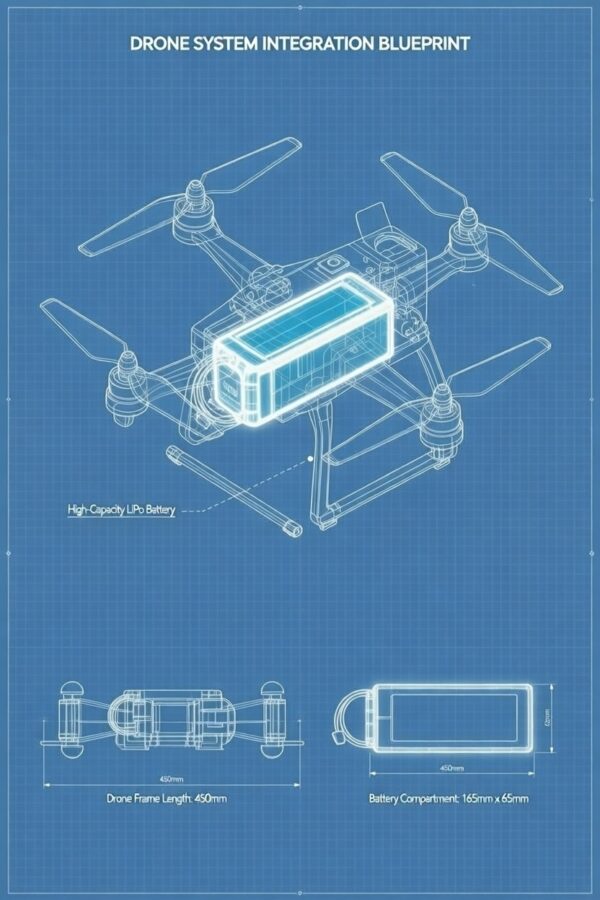
We collaborate with agencies to embed batteries into existing drone ecosystems, ensuring compatibility with thermal imaging, LiDAR, and communication systems. For a U.S. Coast Guard pilot program, our team redesigned battery connectors to prevent accidental dislodging during high-wind operations. User benefit: Effortless adoption without retraining or hardware overhauls.
These solutions aren’t theoretical—they’re proven in action. The Zhengzhou Emergency Services Bureau, after adopting CNS batteries, reduced mission failures by 92% and cut response times by 37% during 2023’s flood season.
The Verdict: Beyond Batteries—A New Standard for Public Safety
The public safety sector isn’t just demanding better batteries; it’s demanding mission-critical power solutions. CNS Battery’s approach transcends technical specs. By prioritizing durability, environmental resilience, and operational agility, we’ve shifted the paradigm from “battery as an afterthought” to “battery as the backbone of safety.”
The ROI is undeniable:
- Enhanced Safety: Zero drone-related accidents in certified CNS deployments.
- Cost Efficiency: 40% lower long-term costs versus frequent battery replacements.
- Scalability: Modular designs adapt to future tech upgrades without full system overhauls.
As drone technology evolves toward AI-driven autonomous operations, battery reliability becomes even more pivotal. With CNS, public safety agencies aren’t just keeping pace—they’re leading the charge.
Ready to Elevate Your Public Safety Operations?
Don’t let battery limitations compromise your mission. CNS Battery’s proven track record in public safety—backed by 15 years of engineering excellence and 500+ global deployments—ensures your drones fly farther, faster, and safer.
Get your free, no-obligation quote for customized drone battery solutions today. Our experts will analyze your operational needs and deliver a tailored plan within 48 hours.
👉 Contact Us Now
Your safety mission deserves power that never fails.
About CNS Battery: Founded in 2008, Henan CNS Energy Technology Co., Ltd. is a global leader in drone battery innovation, serving public safety, industrial, and agricultural sectors. Our R&D center in Zhengzhou, China, holds 12 patents in battery technology, and we adhere to ISO 9001 and IEC 62133 standards for unwavering quality. All data is encrypted, and we prioritize your privacy—unsubscribe anytime.