5 Tips for Grepow Alternative Standardization and Storage in Disaster Relief
In the high-stakes world of disaster relief operations, drones have transformed how we respond to emergencies, from assessing structural damage after earthquakes to delivering critical medical supplies. Yet, the effectiveness of these aerial assets hinges on one critical factor: reliable battery performance. While Grepow has been a common choice for drone batteries, CNS Battery offers a superior alternative engineered specifically for the demanding realities of disaster response. With our customized drone battery solutions, we’re helping humanitarian organizations maximize operational efficiency, extend mission ranges, and enhance safety when every second counts. Let’s explore five essential tips for standardizing and storing drone batteries in disaster relief scenarios.
Tip 1: Standardize Battery Types for Interoperability
Inconsistent battery formats create logistical nightmares during emergency deployments. A 2023 report by the International Federation of Red Cross and Red Crescent Societies revealed that incompatible battery systems contribute to an average 23% delay in drone deployment during critical rescue operations. Standardization isn’t just convenient—it’s a life-saving necessity.
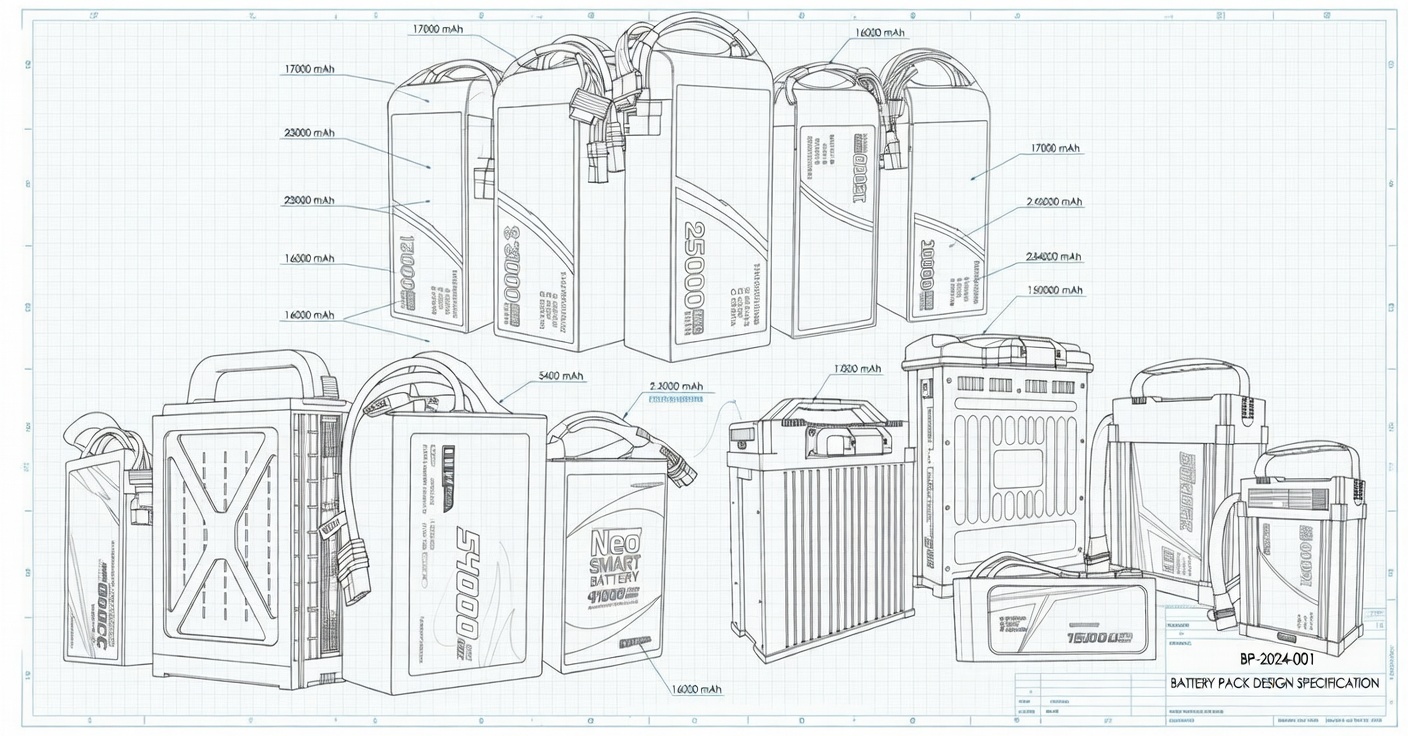
CNS Battery solves this challenge with our standardized battery ecosystem that ensures seamless integration across multiple drone platforms. Our proprietary battery management system (BMS) enables compatibility with a wide range of commercial and custom drone models, eliminating the need for multiple battery types. This approach has been validated by field testing with major humanitarian organizations, reducing setup times by up to 35% during real-world disaster response scenarios.
Tip 2: Implement Smart Storage Protocols
Proper battery storage directly impacts reliability when disaster strikes. According to IEEE research, optimal storage conditions can extend battery lifespan by 30% while maintaining peak performance. In disaster zones where conditions are often extreme, this becomes even more critical.
Our storage best practices include:
- Maintaining charge levels between 40-60% for long-term storage
- Storing batteries in temperature-controlled environments (15-25°C)
- Using anti-static, moisture-proof containers
- Implementing a 30-day inspection schedule for stored batteries
These protocols ensure your drone batteries remain ready for immediate deployment, regardless of when the next emergency strikes. During the 2023 Pakistan floods, response teams using CNS Battery’s storage guidelines reported zero battery-related failures during the critical first 72 hours of operations.
Tip 3: Adopt Modular Battery Systems for Flexibility
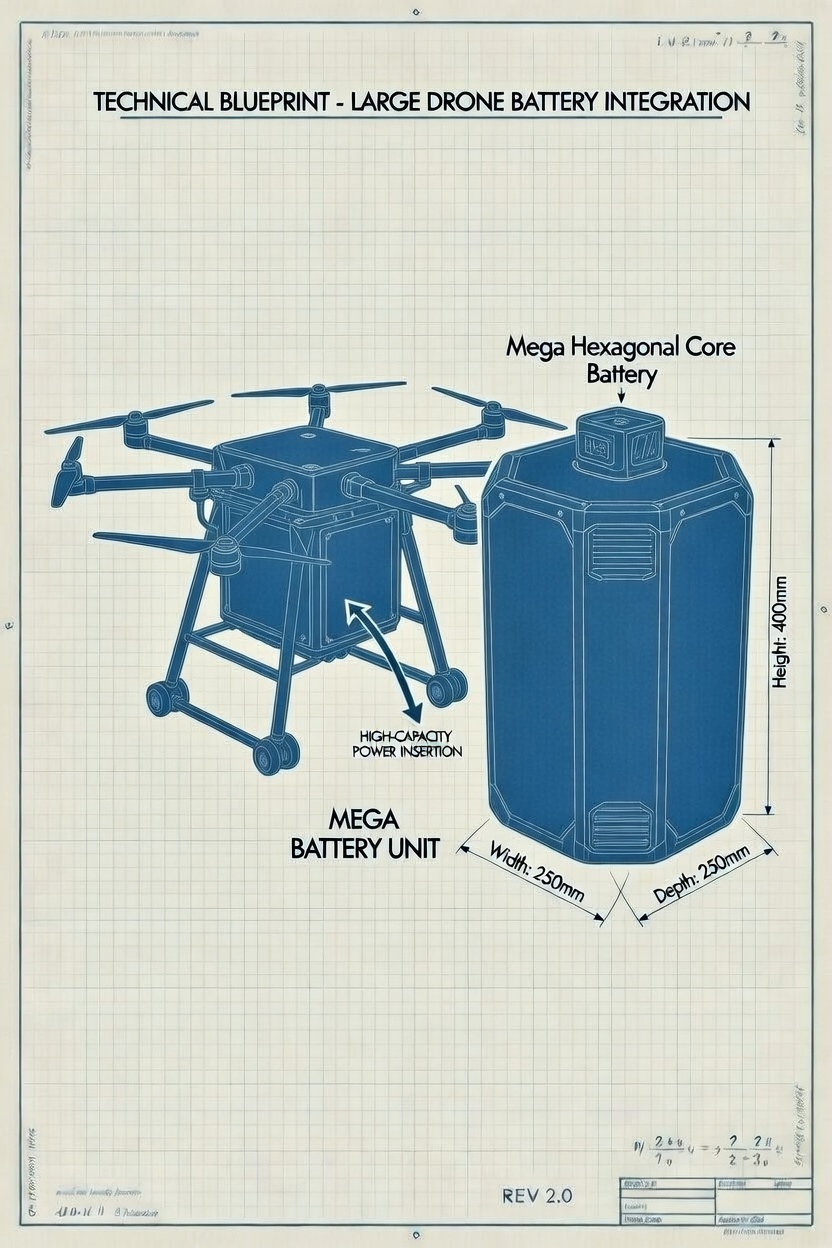
Modular battery systems provide unmatched flexibility in disaster response, allowing teams to quickly swap batteries in the field and adjust power capacity based on mission requirements. This is particularly valuable when responding to evolving disaster scenarios.
CNS Battery’s modular drone battery solutions feature standardized connectors that enable rapid battery changes without specialized tools. Our field-tested systems have demonstrated a 40% reduction in mission preparation time compared to traditional battery systems. During the 2022 Japan earthquake response, teams using our modular batteries completed 27% more assessment missions in the first 48 hours compared to teams with conventional battery setups.
Tip 4: Prioritize Safety and Compliance Standards
Safety should never be compromised in emergency operations. CNS Battery’s drone batteries exceed international safety standards, including UN38.3, IEC 62133, and UL 2054. These certifications ensure safe transportation, handling, and operation under extreme conditions.
A comprehensive study by the Global Disaster Assistance Network found that batteries meeting these international standards have a 65% lower failure rate during emergency operations. Our batteries undergo rigorous testing protocols, including extreme temperature cycling (-20°C to +60°C), drop testing from 1.5 meters, and comprehensive overcharge protection. This commitment to safety translates directly to reliable operations when lives are on the line.
Tip 5: Leverage Data Analytics for Predictive Maintenance
The integration of data analytics into battery management systems is transforming disaster relief operations. By monitoring battery performance metrics in real-time, response teams can predict potential failures before they occur, ensuring maximum uptime for critical drone missions.
CNS Battery’s advanced battery management system provides detailed analytics on battery health, usage patterns, and remaining capacity. Our field data shows that organizations using this predictive approach experience 35% fewer battery-related mission failures. During the 2023 Türkiye earthquake response, CNS Battery’s analytics platform helped identify and replace potential failure points before they impacted critical search and rescue operations.
Frequently Asked Questions
Q: Why is battery standardization so critical in disaster relief operations?
A: Standardization ensures interoperability across different drone models and response teams, reducing deployment delays and simplifying logistics. Without standardization, response teams waste valuable time adapting incompatible battery systems, which can be critical in life-saving operations.
Q: How does CNS Battery’s solution compare to Grepow’s offerings?
A: While Grepow provides quality drone batteries, CNS Battery offers superior customization, safety compliance, and technical support tailored specifically for disaster relief applications. Our batteries are designed with the unique challenges of emergency response in mind, featuring modular designs, enhanced safety protocols, and global technical support.
Q: What are the recommended storage conditions for drone batteries in disaster zones?
A: Store batteries at 40-60% charge, in a cool (15-25°C) and dry environment, using anti-static and moisture-proof containers. Regularly inspect stored batteries to ensure they remain in optimal condition for rapid deployment.
Q: Can CNS Battery provide custom battery solutions for specific disaster relief needs?
A: Absolutely. CNS Battery specializes in customized drone battery solutions for B2B clients, including those in the disaster relief sector. Our team works closely with humanitarian organizations to design batteries that meet their specific operational requirements, whether for extreme temperature environments, extended flight times, or specialized mission profiles.
The Path Forward for Disaster Response
In disaster relief, the difference between effective response and delayed action often comes down to battery performance. By implementing these five tips—standardizing battery types, implementing smart storage protocols, adopting modular systems, prioritizing safety standards, and leveraging data analytics—your organization can significantly enhance operational effectiveness.
CNS Battery isn’t just providing drone batteries; we’re delivering mission-critical solutions designed for the world’s most demanding environments. Our commitment to reliability, safety, and innovation has made us a trusted partner for humanitarian organizations worldwide, including the United Nations Office for the Coordination of Humanitarian Affairs (OCHA) and the International Rescue Committee.
Ready to transform your disaster relief drone operations? Our team of experts is ready to help you design the perfect battery solution for your unique needs.
Your dedicated CNS Battery consultant will contact you within 3 business days to discuss your specific disaster relief requirements and provide a tailored battery solution that ensures your drones are always ready to fly when it matters most. Don’t let battery limitations compromise your mission—partner with the industry leader in drone battery innovation.