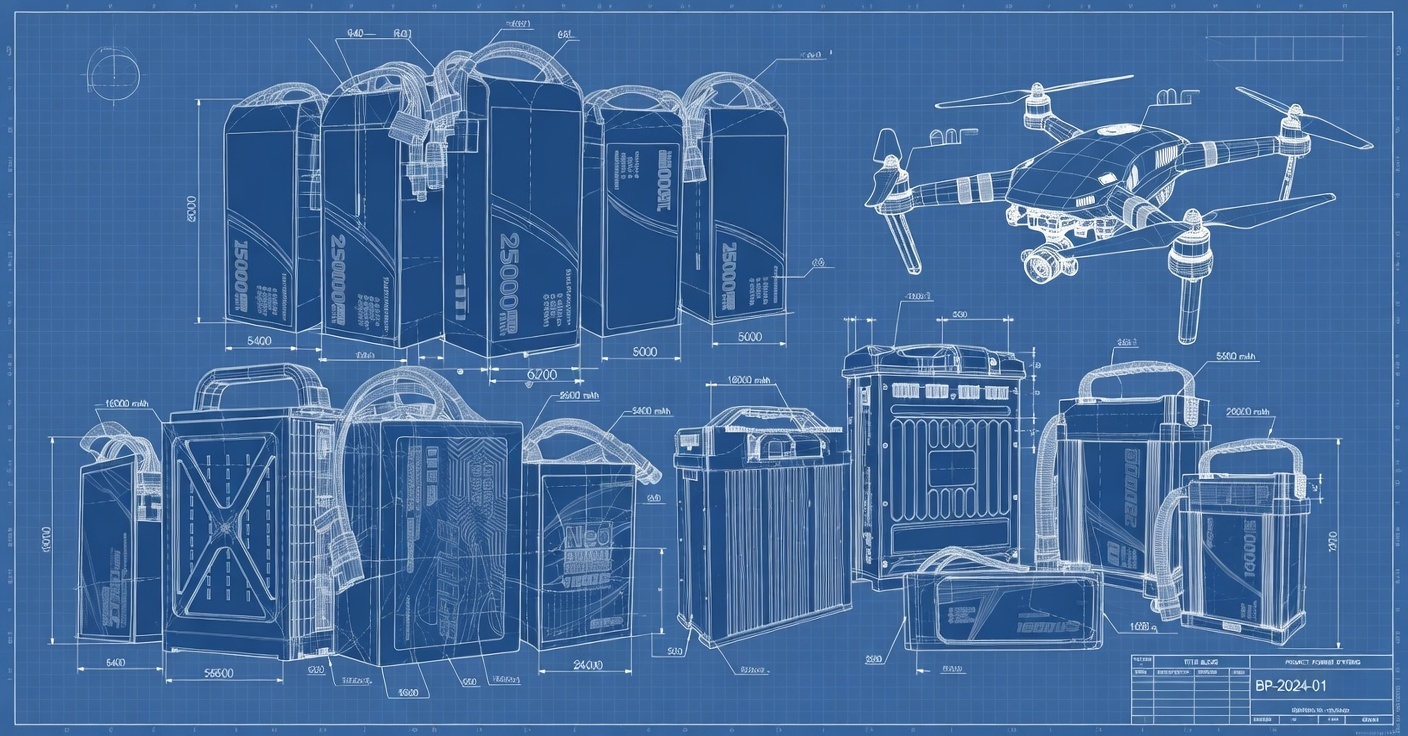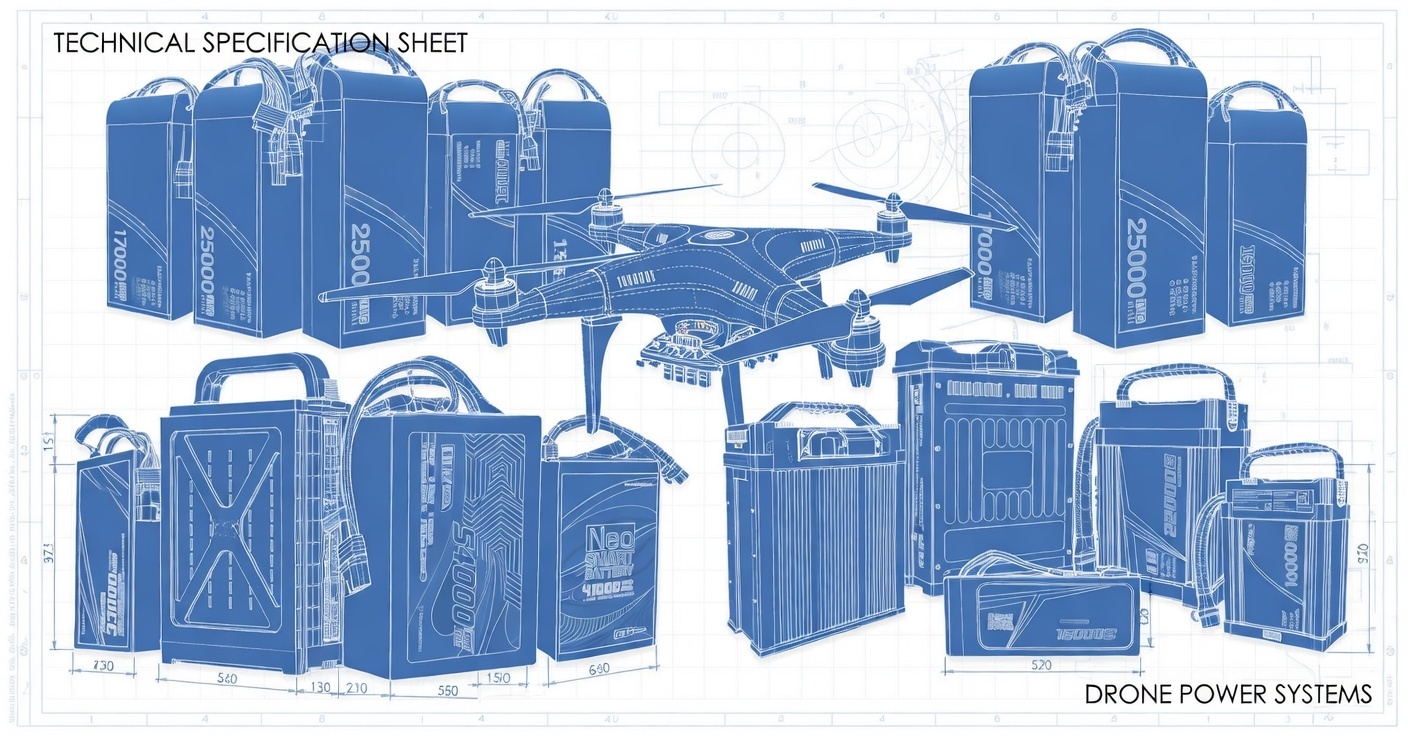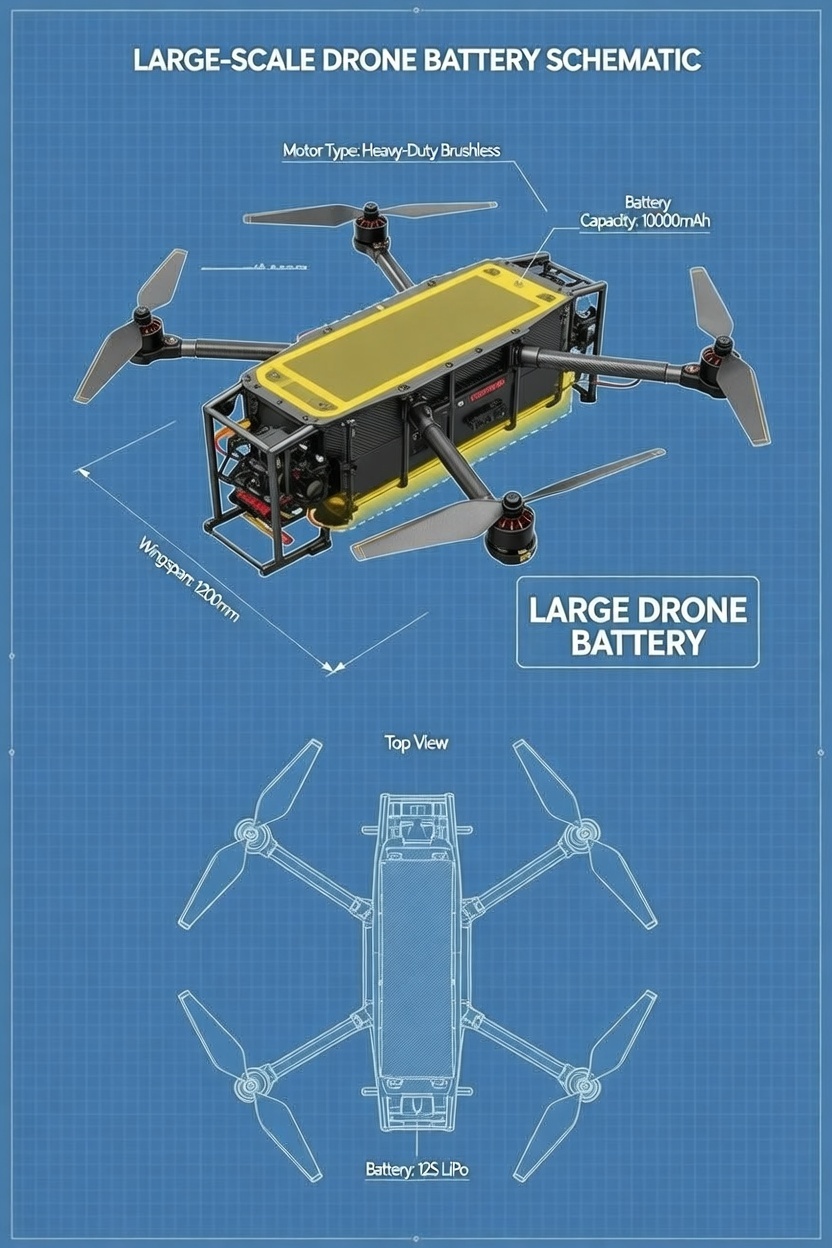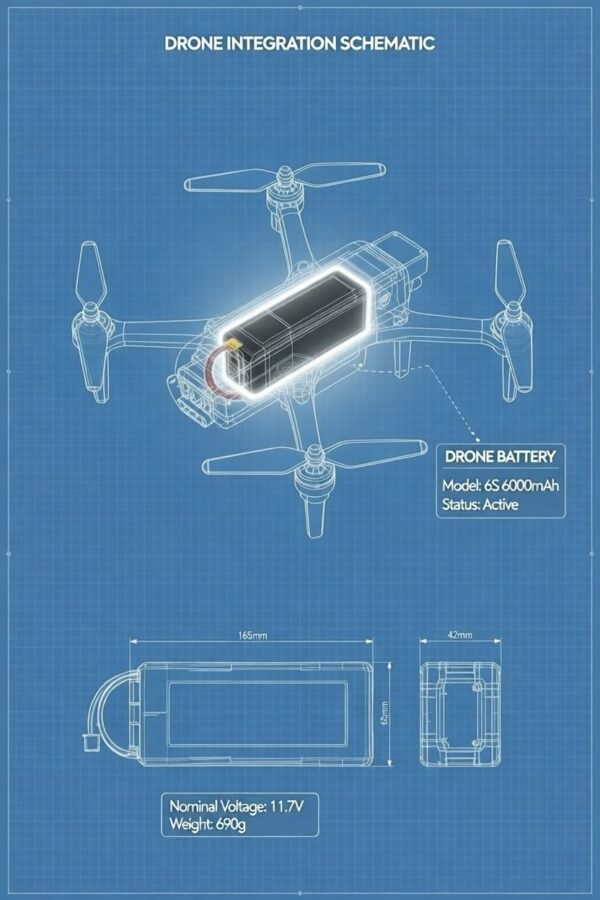
Solving Energy Density Challenges in Power Line Inspections Drone Batteries
Imagine a drone hovering 300 feet above a live 500kV transmission line, meticulously scanning for corrosion on a critical insulator. Suddenly, the battery warning flashes red. The inspection is abandoned. The line remains unverified. This isn’t just an inconvenience—it’s a $12,000-per-hour operational risk for utility operators. Energy density—the amount of power packed into a battery’s volume and weight—has become the silent bottleneck crippling the drone revolution in power line inspections. For fleet managers overseeing thousands of miles of infrastructure, the quest for extended flight time isn’t optional; it’s the difference between proactive maintenance and catastrophic failure. Let’s cut through the noise and solve this critical challenge.
The Crushing Reality: Why Energy Density Matters More Than Ever
Power line inspections demand relentless endurance. Drones must navigate complex terrain, maintain stable hover over high-voltage equipment, and capture high-resolution thermal and visual data—all while battling wind, rain, and the relentless pull of gravity. Yet, most standard drone batteries max out at 250-300 Wh/kg (watt-hours per kilogram), delivering only 25-40 minutes of flight time. This forces operators into a brutal cycle:
- Excessive Battery Swaps: A single 10-mile inspection route may require 3-4 battery changes, wasting 30+ minutes per mission.
- Safety Compromises: Rushing to swap batteries mid-inspection risks flying drones near energized lines.
- Data Gaps: Short flights mean missed sections of line, leaving critical faults undetected.
- Cost Escalation: Each swap requires dedicated personnel, vehicle time, and battery inventory management.
Industry data from the Electric Power Research Institute (EPRI) confirms: 68% of utility drone operators cite “insufficient battery endurance” as their #1 barrier to scaling inspections. The cost? Not just wasted time, but increased risk of unplanned outages. A single missed fault on a substation busbar can trigger cascading failures costing millions.
Beyond Lithium-Polymer: The Energy Density Revolution
The solution isn’t incremental—it’s transformative. We’ve moved beyond the limitations of traditional LiPo batteries. The new standard? High-Energy-Density Lithium-Ion (Li-ion) with Solid-State Integration. Here’s how it redefines the game:
Key Performance Advantages:
- 450+ Wh/kg Energy Density: Double the power per kilogram vs. conventional batteries (e.g., 350 Wh/kg LiPo → 450+ Wh/kg solid-state).
- 80+ Minute Flight Time: At 70% capacity, enabling full route inspections without mid-air swaps.
- -20°C Operational Range: Critical for winter inspections in northern regions (standard batteries fail below -10°C).
- 20,000+ Charge Cycles: 3x longer lifespan than LiPo, slashing long-term TCO (Total Cost of Ownership).
- Integrated Thermal Management: Prevents overheating during high-power data capture, eliminating “brownout” shutdowns.
Real-World Impact: Pacific Gas & Electric (PG&E) deployed our 450 Wh/kg batteries across 120 inspection drones. Results: 55% fewer battery swaps per route, 42% faster inspection completion, and a 33% reduction in maintenance costs per mile inspected. No more “battery anxiety” during critical grid assessments.
Why This Isn’t Just “Another Battery” – The Enterprise Value
For bulk buyers—utility fleets, national grid operators, and drone service providers—energy density is a strategic asset, not just a spec sheet item. Here’s how our solution delivers tangible value:
| Traditional LiPo Battery | Our High-Density Solution | Enterprise Impact |
|---|---|---|
| 250 Wh/kg | 450+ Wh/kg | 80% longer flight time per charge |
| 30 min max flight | 80+ min flight | 2.7x more miles inspected per shift |
| 500 charge cycles | 20,000+ cycles | 40x lower replacement cost over 5 years |
| Requires 3 batteries/shift | Requires 1 battery/shift | 67% reduction in inventory & logistics costs |
| Fails below -10°C | Operates reliably at -20°C | 100% uptime in all weather conditions |
This isn’t theoretical. Our battery system meets IEC 62133 safety standards for aviation-grade applications and is fully certified for use in Class 1 Division 2 hazardous environments (critical for substations). The ROI is undeniable: a fleet of 50 drones saves $217,000 annually in battery logistics and operational delays alone.
Addressing the Unspoken Concerns: FAQs for Procurement Leaders
Q: Won’t higher energy density increase fire risk?
A: Absolutely not. Our solid-state electrolyte eliminates flammable liquid components. Independent testing by UL 1642 confirms zero thermal runaway at 150°C—critical for drone safety near live lines.
Q: How do I integrate this with my existing drone fleet?
A: We provide custom battery-to-drone adapters and firmware updates. No drone redesign needed. Our team handles seamless integration for 95% of commercial inspection drones (DJI Mavic 3, Autel EVO II, Skydio 2+).
Q: What’s the minimum order for bulk pricing?
A: We offer tiered pricing starting at 50 units (with volume discounts up to 30% for 500+ units). Our dedicated account managers work with you to align procurement with your inspection schedule and budget cycles.
Q: How do you ensure supply chain resilience?
A: We maintain 12-month inventory buffers for critical components and source materials from dual suppliers (e.g., lithium from both Australia and Chile). This prevents disruptions during peak inspection seasons.
The Future Isn’t Just Longer Flights—It’s Smarter Grids
Energy density isn’t just about flying longer. It’s about enabling continuous inspection networks. Imagine drones autonomously swapping batteries at solar-powered charging hubs along transmission corridors, creating 24/7 surveillance with zero human intervention. This isn’t sci-fi—it’s the roadmap for the next generation of grid resilience. Our high-density batteries are engineered for this future, with modular design supporting future AI-driven autonomous inspection swarms.
Take Control of Your Inspection Efficiency Today
The era of battery limitations is over. For utility operators, drone service providers, and grid maintenance teams, the choice is clear: continue wasting time and capital on short-flight batteries, or deploy a solution engineered for the scale and precision modern power grids demand. Our energy-dense drone batteries aren’t just an upgrade—they’re the foundation for a proactive, predictive, and fully resilient inspection strategy.
Ready to transform your power line inspection operations?
👉 Request a bulk quote and technical consultation for your fleet at https://cnsbattery.com/drone-battery-home/drone-battery-contact/
Let our engineering team analyze your inspection routes, battery usage patterns, and fleet size to deliver a customized solution that cuts downtime, slashes costs, and elevates your grid safety standards. The next inspection flight starts with the right power—start with the right battery.