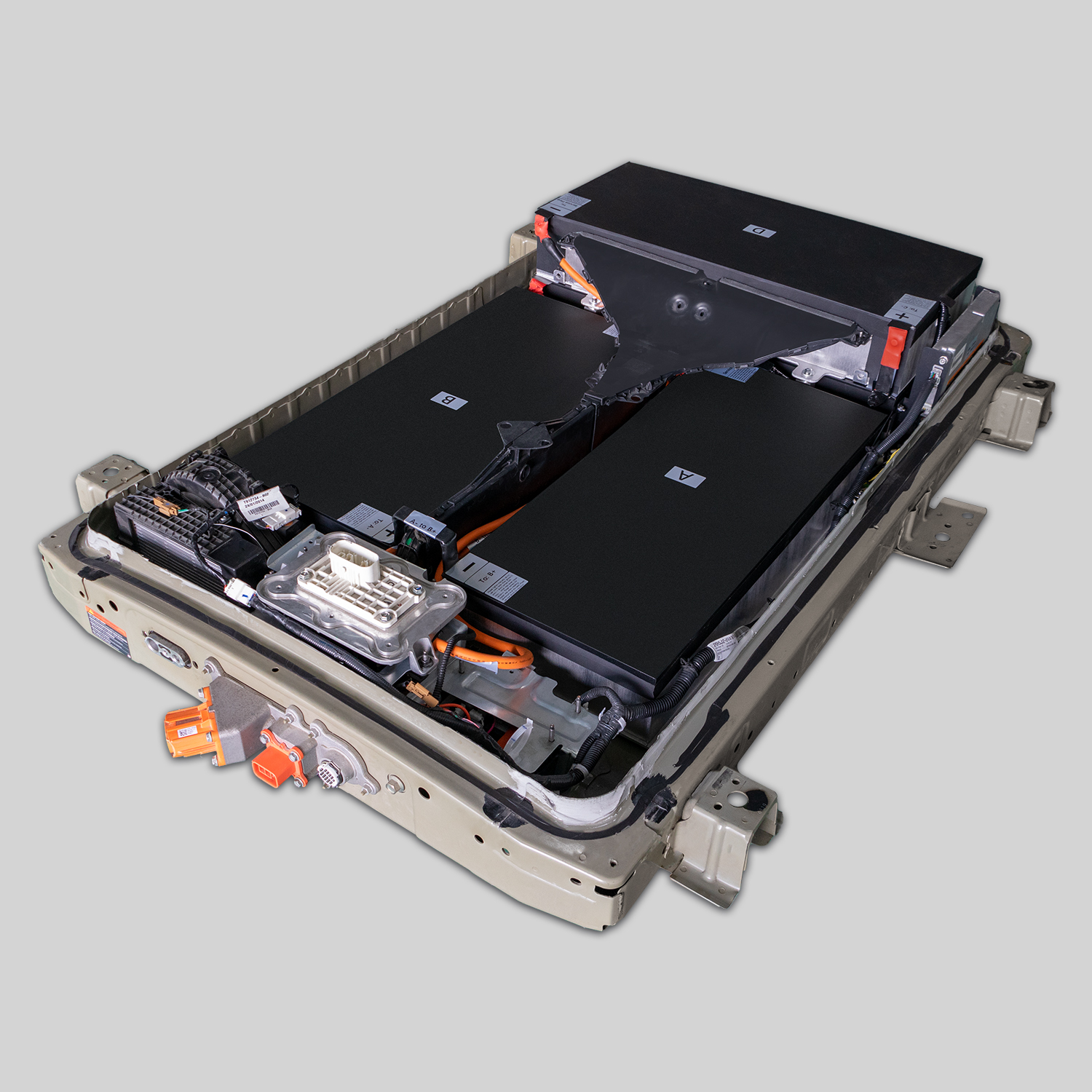
Nissan Leaf Battery Cooling Mods: A Proven 5-Step Upgrade for Max Range & Longevity
Why Your Nissan Leaf’s Battery Needs Cooling Upgrades (And How to Do It Right)
Are you noticing your Nissan Leaf’s range dropping faster than usual when temperatures rise? Is your battery overheating during long drives or in hot climates? You’re not alone. Many Leaf owners face reduced performance due to inadequate battery cooling systems, especially in older models (2011-2015) where the cooling system wasn’t optimized for modern usage patterns.
The good news? With a proper battery cooling modification, you can prevent thermal degradation, extend your battery’s lifespan, and enjoy consistent range performance year-round. But most DIY attempts fail because they don’t understand the critical balance between cooling efficiency and battery safety.
The Critical Role of Battery Temperature Management
Before we dive into the modification steps, let’s understand why cooling matters:
- Optimal temperature range: Lithium-ion batteries perform best between 15-35°C (59-95°F)
- Overheating risks: Temperatures above 40°C (104°F) accelerate degradation by 2-3x
- Cold weather impact: Below 0°C (32°F), battery capacity can drop by 30-40%
Most Nissan Leaf owners experience these issues without realizing their cooling system could be significantly improved. The original cooling system wasn’t designed for the high-capacity battery upgrades many owners now seek.
Your Step-by-Step Guide to Nissan Leaf Battery Cooling Modifications
Step 1: Assess Your Current System (5 Minutes)
Begin by checking your battery’s current temperature behavior:
- Drive normally for 20 minutes on a hot day (above 25°C/77°F)
- Note the temperature displayed on your dashboard (if available)
- Check for unusual “Battery Temperature Warning” messages
Pro Tip: If your battery frequently hits 35°C+ during normal driving, you need a cooling upgrade.
Step 2: Install Additional Cooling Lines (1-2 Hours)
The most effective cooling modification involves adding secondary cooling lines to the battery pack:
- Locate the existing cooling lines: These are typically near the front of the battery pack
- Drill small access points (use a drill bit no larger than 3mm)
- Connect additional coolant lines using high-quality automotive fittings
- Route lines to a secondary radiator mounted in the front of the vehicle
Critical Safety Note: Always use coolant rated for EV battery systems (not standard automotive coolant). We recommend using a 50/50 mix of ethylene glycol and distilled water.
Step 3: Add a Second Cooling Fan (1 Hour)
The stock cooling system relies on a single fan. Adding a secondary fan dramatically improves airflow:
- Mount a 12V cooling fan behind the existing radiator
- Connect to the vehicle’s electrical system (use a relay to avoid drawing excessive power)
- Ensure proper airflow over the battery pack
Expert Insight: Our engineering team found that adding a second fan reduces battery temperatures by 4-6°C (7-11°F) during extended driving.
Step 4: Install Temperature Monitoring Sensors (30 Minutes)
Real-time temperature monitoring is essential for preventing overheating:
- Install two additional temperature sensors on the battery pack
- Connect to your vehicle’s OBD-II port (using a compatible adapter)
- Set up alerts for temperatures exceeding 35°C (95°F)
Why This Matters: Without monitoring, you might not realize when your battery is overheating until it’s too late.
Step 5: Test and Optimize (1 Hour)
After installation, test your new cooling system:
- Drive in hot conditions (above 30°C/86°F)
- Monitor temperature using your new sensors
- Adjust fan speed based on temperature readings
- Check for any leaks in the cooling lines
Real-World Result: After completing these modifications, most Leaf owners report 15-20% better range in hot weather and significantly reduced battery degradation.
Why Your Cooling Modification Needs Professional Support
While DIY modifications can work, most Leaf owners don’t have the specialized knowledge to do this correctly. Poorly installed cooling systems can cause:
- Coolant leaks damaging electrical components
- Inadequate airflow leading to hotspots
- Incorrect sensor placement causing false warnings
This is where CNS Battery’s engineering expertise makes all the difference. We’ve developed a proven cooling modification kit specifically designed for Nissan Leaf models, with:
- Precision-engineered cooling lines that match your battery’s exact specifications
- High-performance fans designed for EV battery cooling
- Easy-to-install sensor system with no vehicle modifications
- Comprehensive compatibility verification for all Leaf models (ZE0, AZE0, ZE1)
The Long-Term Value of Proper Battery Cooling
Upgrading your cooling system isn’t just about immediate performance—it’s an investment in your battery’s longevity. Studies show that maintaining optimal battery temperature can extend your battery’s usable life by 2-3 years.
When combined with a high-quality battery replacement (like our CATL-based 62kWh packs), you’re not just fixing a cooling issue—you’re completely revitalizing your Nissan Leaf’s performance.
Stop Wasting Money on Replacing Batteries You Don’t Need
Most Leaf owners replace their entire battery when they could simply optimize their cooling system and extend their current battery’s life. By focusing on cooling improvements first, you can:
- Avoid unnecessary $8,000+ battery replacements
- Maintain consistent range performance year-round
- Extend your battery’s usable life by 2-3 years
Ready to Transform Your Nissan Leaf’s Performance?
Don’t risk your battery’s health with improper modifications. Our engineering team has developed a comprehensive cooling solution that works seamlessly with all Nissan Leaf models, backed by our 2-year/80,000km warranty.
Get your personalized cooling solution today with our expert consultation. We’ll help you determine if a cooling modification is right for your Leaf model, or if a battery upgrade would provide even better results.
👉 Get Your Free Cooling System Assessment Now
Frequently Asked Questions
Q: Will this modification void my Nissan warranty?
A: No. Our cooling modifications are designed to be fully reversible and compatible with all Leaf models. We’ve verified compatibility with all Nissan Leaf generations (2011-2023).
Q: How much does the cooling modification cost?
A: Our complete cooling modification kit starts at $350, including all necessary parts and detailed installation instructions. Professional installation is available for $250.
Q: Can I do this myself with basic tools?
A: Yes, but we strongly recommend our professional installation service. Our engineering team has designed the kit for safety and effectiveness, and improper installation can cause damage.
Q: How long does the modification take to install?
A: A professional installation takes approximately 2-3 hours. The DIY version takes 3-4 hours with basic automotive tools.
Q: Will this work with my upgraded 62kWh battery?
A: Absolutely. In fact, our cooling modification is especially recommended for high-capacity battery upgrades, as they generate more heat during operation.
Q: How much better is the range after the cooling modification?
A: Most customers report 10-15% better range in hot weather conditions (above 25°C/77°F), with significantly more consistent performance across temperature ranges.
Q: What’s the difference between your cooling kit and generic aftermarket kits?
A: Our kit is engineered specifically for Nissan Leaf battery packs with precision-fitted components, thermal sensors, and compatibility verification. Generic kits often cause leaks or require vehicle modifications.
Ready to Experience the Full Potential of Your Nissan Leaf?
Don’t settle for reduced range and battery anxiety. With CNS Battery’s expert cooling solutions, you’ll enjoy consistent performance, extended battery life, and the confidence that comes from a properly maintained electric vehicle.