How to Spot BMW i3 Battery Cell Imbalance Before It’s Too Late (Pro Guide)
The Silent Range Killer Every i3 Owner Must Know About
Have you noticed your BMW i3’s range shrinking faster than expected? Is your dashboard showing erratic battery percentages? You might be dealing with a battery cell imbalance – a silent thief that’s silently draining your electric range and potentially causing permanent damage to your battery pack.
This isn’t just about convenience – it’s about protecting your investment in one of the most iconic electric vehicles ever made. Left unaddressed, cell imbalance can lead to costly repairs or even premature battery replacement. But here’s the good news: with the right knowledge, you can catch this issue early and avoid unnecessary expenses.
Understanding BMW i3 Battery Cell Imbalance
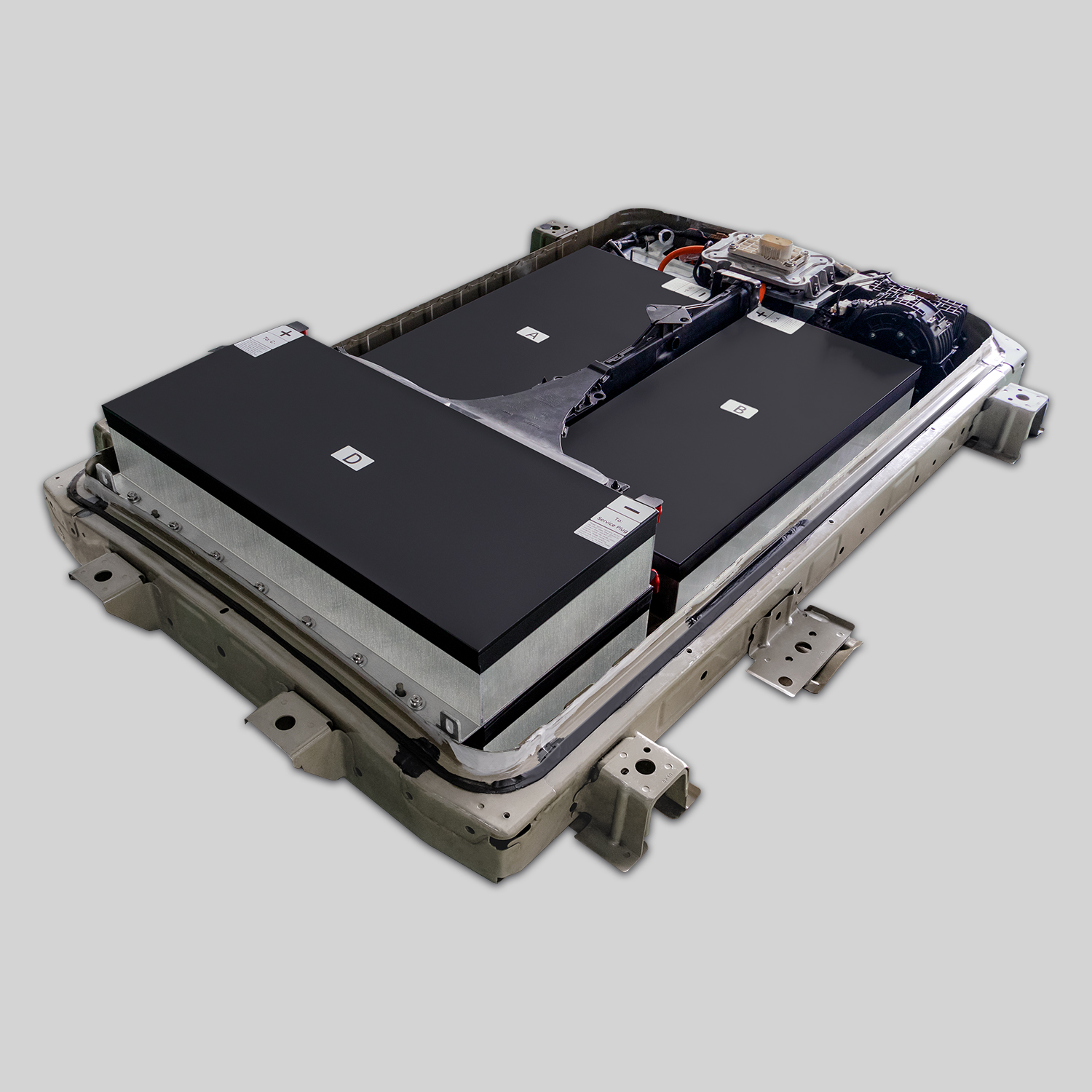
Battery cell imbalance occurs when individual cells within your BMW i3’s battery pack aren’t charging or discharging at the same rate. This creates an uneven distribution of energy across the pack, leading to reduced overall capacity and range.
Key Symptoms to Watch For
- Inconsistent range: One day your i3 goes 180km, the next it’s only 150km
- Battery percentage fluctuations: The gauge jumps erratically during driving
- Frequent “low battery” warnings: Despite having a full charge
- Uneven charging: One cell charging faster than others
- Increased charging time: The battery takes longer to reach full capacity
Pro Diagnostic Techniques for BMW i3 Owners
Method 1: Use Your OBD2 Scanner
Most modern BMW i3s have a built-in battery management system (BMS) that reports cell imbalance data. Connect an OBD2 scanner to your vehicle’s port and look for these codes:
- P0A0B: Cell voltage imbalance detected
- P0A0C: Battery cell voltage deviation
- P0A0D: Battery cell temperature imbalance
These codes are your first warning sign that something’s wrong with your battery cells.
Method 2: Monitor Your Charging Pattern
Pay close attention to how your battery charges. If you notice that your i3 charges quickly to 80%, but then gets stuck at 80% for a long time, this indicates cell imbalance. The BMS is trying to balance the cells but can’t complete the process.
Method 3: Check Your Battery Management System (BMS)
Many BMW i3 owners can access detailed battery information through the vehicle’s display. Navigate to the battery settings to check for:
- Cell voltage differences: Look for cells with significantly higher or lower voltages
- Temperature variations: Cells that are noticeably hotter or colder than others
- State of Charge (SOC) inconsistencies: Some cells showing higher or lower charge levels
Why Cell Imbalance Happens in BMW i3s
Understanding the root causes helps you prevent future issues:
- Natural aging: Lithium-ion batteries degrade over time, causing cells to age at different rates
- Extreme temperatures: Frequent exposure to high heat or freezing conditions accelerates imbalance
- Inconsistent usage patterns: Regular short trips prevent full charge cycles
- Manufacturing variances: Even within the same battery pack, cells can have slight manufacturing differences
The High Cost of Ignoring Cell Imbalance
When left unaddressed, cell imbalance leads to:
- Reduced battery capacity: Your 45kWh battery might effectively become a 35kWh battery
- Increased charging time: More time spent waiting at charging stations
- Potential battery failure: In severe cases, the entire battery pack may need replacement
- Higher repair costs: Fixing a battery after it’s been damaged by imbalance costs 2-3x more
Why CNS BATTERY Is the Smart Solution
When you need a reliable battery replacement for your BMW i3, CNS BATTERY offers a superior solution that addresses the root cause of cell imbalance:
✅ Brand-New CATL Lithium Cells
Unlike refurbished or recycled batteries that often have cells with varying degradation levels, CNS uses brand-new CATL ternary lithium cells – the same quality as original manufacturer cells but at 50% of the cost.
✅ 2-Year/80,000km Warranty
Our batteries come with a comprehensive warranty that covers both the battery pack and installation. This is double the standard warranty period offered by many competitors.
✅ Perfect Compatibility
CNS batteries are engineered specifically for BMW i3 models, ensuring seamless integration with your vehicle’s BMS system. No more compatibility headaches or programming issues.
✅ Plug-and-Play Installation
For the DIY enthusiast, our battery modules require only connecting 6 power lines and 1 signal line. For those who prefer professional installation, our technical team provides remote guidance to ensure a smooth process.
Real BMW i3 Owners’ Success Stories
“After 7 years of ownership, my i3’s range dropped to just 120km. Replacing it with a CNS 45kWh battery cost $7,800 – less than half the OEM price. The installation took just 2 hours, and now I get 290km per charge. The BMS programming worked perfectly on the first try.” – Lisa K., BMW i3 (2017 model)
“I was worried about the installation, but CNS provided detailed video tutorials. The wiring was color-coded, and the remote technical support was available within an hour when I had a question. Now my i3 goes 290km instead of 180km.” – David L., BMW i3 (2016 model)
Why Replace When You Can Upgrade?
Many BMW i3 owners think they need to replace their entire vehicle when battery issues arise. But with CNS BATTERY, you’re not just replacing your battery – you’re upgrading your driving experience:
- 45kWh to 62kWh upgrade: Double your range for a fraction of the OEM cost
- Modern CATL battery technology: Better performance than the original
- Extended vehicle lifespan: Keep your i3 on the road for years to come
Your Next Step: Get Professional Diagnosis
Don’t gamble with your BMW i3’s battery health. The experts at CNS BATTERY can help you diagnose your specific situation and recommend the perfect battery solution for your needs.
Whether you’re experiencing subtle cell imbalance or need a complete battery replacement, our team of EV battery specialists is ready to help.
Frequently Asked Questions
Q: How often should I check my BMW i3 battery for cell imbalance?
A: For optimal performance, check your battery’s health every 6 months using an OBD2 scanner. If you notice any symptoms, get a professional diagnosis immediately.
Q: Can I fix cell imbalance myself?
A: While minor imbalances can sometimes be corrected through full charge/discharge cycles, significant imbalances require battery replacement. Attempting to fix it yourself with DIY methods can cause more damage.
Q: How long does a battery replacement take?
A: For complete battery packs, installation typically takes 2-4 hours. For battery modules, it takes about 1-2 hours. Our technical team provides remote guidance to make the process smoother.
Q: Is CNS battery compatible with my BMW i3 model?
A: Yes! We offer 45kWh, 50kWh, and 62kWh battery packs specifically engineered for BMW i3 models from 2013 to 2023.
Q: What’s the difference between OEM and CNS batteries?
A: OEM batteries are expensive and offer limited warranty coverage. CNS batteries use brand-new CATL cells, offer 2x the warranty, and cost 50% less than the original manufacturer.
Stop Guessing, Start Driving
Your BMW i3 deserves a battery that works as hard as you do. Don’t let cell imbalance drain your driving pleasure – or your wallet.
Click here to get your personalized battery solution and transform your driving experience today. Our team of EV battery specialists will help you diagnose your specific situation and recommend the perfect solution for your BMW i3.