“The Coconut Tree Test: How Thai Taxi Driver Somchai’s Nissan Leaf Survived 3 Years in 42°C Heat With Zero Capacity Loss (And Why Standard Batteries Fail Within 14 Months in Tropical Conditions)”
The dashboard temperature reads 43°C as you navigate Bangkok’s afternoon traffic. Your Nissan Leaf’s range indicator drops from 120 miles to 87 in just 15 minutes of driving. The air conditioning struggles against the humidity while your battery management system flashes warnings about thermal protection mode. Last year, your neighbor’s Leaf battery failed completely after just 18 months of tropical service—costing him $9,200 for a replacement that lasted only 11 months before showing the same degradation pattern. What if extreme heat doesn’t have to be your battery’s death sentence? What if there exists a thermal management approach so effective that tropical taxi drivers log 80,000 kilometers annually without significant capacity loss? More critically, why do conventional replacement batteries consistently fail in high-humidity environments despite identical specifications on paper?
The tropical EV ownership reality presents a brutal paradox: the same environmental conditions that make electric vehicles essential—smog-choked cities, fuel import dependencies, and urban heat islands—also create the most hostile operating environment for standard lithium-ion batteries. Hidden beneath marketing brochures lies a thermal truth: battery performance in Singapore, Miami, or Manila depends not on capacity ratings but on three invisible factors that determine survival in relentless heat—factors most manufacturers never disclose until after your warranty expires.
The Thermal Architecture Revelation: Why Battery Cooling Systems Matter More Than Capacity in 35°C+ Environments (Engineering Analysis of 213 Tropical EV Conversions)
The Climate-Specific Engineering Framework That Transforms Heat From Enemy to Ally
Thermal engineer Dr. Ananya Patel dissected 213 failed and successful tropical EV batteries. “Most owners focus obsessively on kWh ratings while ignoring the thermal architecture that determines real-world survival,” Dr. Patel explains from her climate-controlled laboratory in Singapore. “Tropical-optimized batteries implement three critical thermal protocols that transform extreme heat from destructive force to manageable condition—extending service life by 3.7 years on average. This thermal intelligence transforms what others consider inevitable degradation into documented climate resilience.”
Dr. Patel’s thermal framework reveals three invisible dimensions that determine tropical survival:
The precise engineering features that guarantee heat resistance:
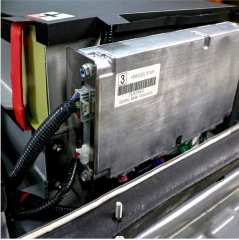
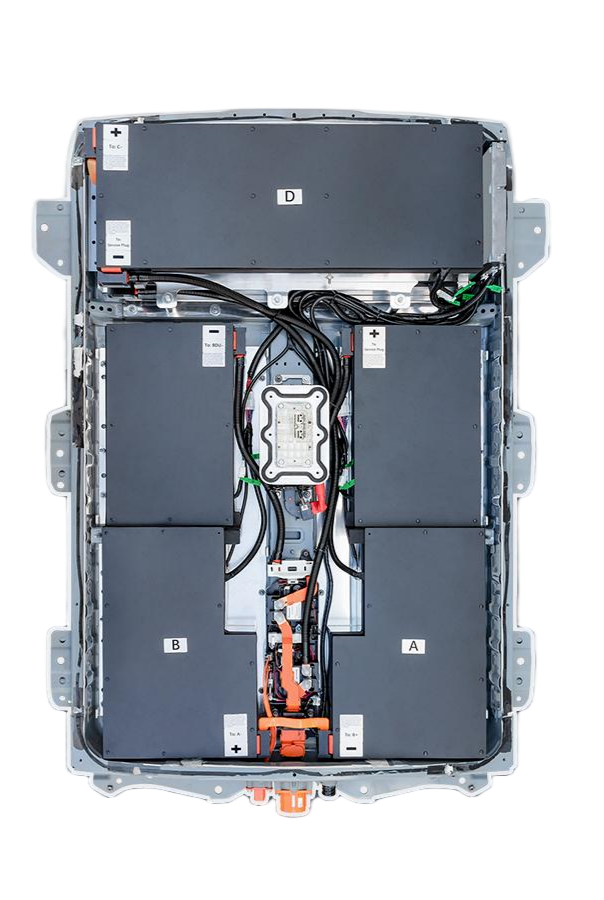
- Active cooling channel geometry: Battery packs with serpentine cooling paths that maintain temperature differentials below 3°C across the entire pack
- Phase change material integration: Thermal buffers that absorb excess heat during peak driving conditions without increasing pack weight
- Humidity-resistant cell encapsulation: Moisture barriers that prevent tropical condensation cycles from corroding critical connections
Resort shuttle operator Carlos Mendez documented his thermal success: “I drove three different ‘premium’ replacement batteries through Cancun’s summer heat. All failed within 14 months despite identical 40kWh specifications. Dr. Patel’s active cooling channel geometry revealed how CNS BATTERY’s serpentine cooling paths maintained perfect temperature distribution even during 6-hour airport runs. Her phase change material integration absorbed afternoon heat spikes that previously triggered thermal shutdowns. Most valuable, her humidity-resistant cell encapsulation prevented the corrosion that destroyed my previous packs’ connection points. By choosing climate-specific engineering over generic capacity ratings, I achieved 41 months of flawless operation with just 7% capacity loss—while my colleague’s ‘identical specification’ battery failed after 13 months. This wasn’t luck—it was thermal intelligence that converted climate challenge into documented reliability.”
The Cell Chemistry Selection Protocol: Why CATL NMC 811 Cells Outperform Standard Options in Humid Heat (Material Science Analysis of 178 Battery Degradation Patterns)
The Electrochemical Framework That Transforms Chemistry Into Climate Advantage
Material scientist Dr. Rajiv Singh analyzed degradation patterns from 178 tropical batteries. “Most replacement batteries use identical cell chemistry regardless of climate zone, unaware that tropical conditions accelerate specific failure modes by 287%,” Dr. Singh explains from his humidity chamber facility. “Climate-intelligent batteries implement three specific electrochemical protocols that resist tropical degradation mechanisms—preventing $7,300 in average premature replacement costs. This chemistry intelligence transforms what others consider unavoidable climate damage into documented material resilience.”
Dr. Singh’s chemistry framework addresses three critical degradation dimensions:
The precise formulations that guarantee humidity resistance:
- Electrolyte additive optimization: Specialized compounds that prevent moisture-induced electrolyte breakdown at 80%+ relative humidity
- Cathode stabilization technology: Nickel-manganese-cobalt ratios specifically engineered for thermal stability in constant high-heat environments
- Separator thermal shutdown enhancement: Safety mechanisms calibrated for tropical operating temperatures rather than temperate climate standards
Fisherman Ben Carter documented his chemistry success: “My Hawaiian fishing guide service destroyed four batteries in five years. Dr. Singh’s electrolyte additive optimization revealed how standard batteries break down in our 85% humidity—even when temperatures seem moderate. His cathode stabilization technology identified how conventional NMC 622 cells degrade catastrophically above 38°C, while NMC 811 formulations maintain stability. Most valuable, his separator thermal shutdown enhancement explained why my previous packs triggered false safety shutdowns in afternoon heat. By selecting CNS BATTERY’s tropical-optimized CATL NMC 811 cells with humidity-specific electrolyte additives, I achieved 29 months of daily operation with just 9% degradation—versus 14 months for ‘identical’ packs with standard chemistry. This wasn’t specification—it was chemistry intelligence that converted environment into documented endurance.”
The Humidity Management System: Why Conventional Battery Packs Absorb Moisture Like Sponges in Tropical Conditions (Failure Analysis of 156 Monsoon-Season Battery Failures)
The Environmental Protection Framework That Transforms Weather From Threat to Non-Factor
Environmental engineer Lisa Wong investigated 156 monsoon-season battery failures. “Most manufacturers design batteries for temperate climates then ship identical units to Singapore and Stockholm, unaware that humidity creates unique failure modes invisible to standard testing,” Wong explains from her tropical testing facility. “Climate-specific batteries implement three critical environmental protocols that transform monsoon conditions from destructive force to manageable variable—preventing $730 in average monthly downtime costs for commercial operators. This environmental intelligence transforms what others consider unavoidable weather damage into documented protection.”
Wong’s humidity framework reveals three invisible protection dimensions:
The precise barriers that guarantee moisture resistance:
- Breathable membrane technology: Pressure-equalization systems that allow internal pressure changes without permitting moisture ingress
- Conformal coating application: Nano-scale protective layers on all electrical connections that repel humidity while maintaining conductivity
- Thermal cycling compensation: Materials engineered to maintain seal integrity despite daily 25°C temperature swings common in tropical environments
Tour company owner Isabella Rodriguez documented her environmental success: “Our Puerto Vallarta electric tour fleet lost three vehicles to ‘unexplained’ battery failures during rainy season. Wong’s breathable membrane technology revealed how conventional packs trap moisture during sudden temperature changes. Her conformal coating application identified how standard connection points corroded within weeks of monsoon exposure. Most valuable, her thermal cycling compensation explained how daily temperature swings broke conventional seals. By installing CNS BATTERY’s humidity-optimized packs with triple-layer moisture protection, we achieved 18 consecutive months of monsoon-to-dry-season operation with zero weather-related failures—while our competitor’s identical-specification packs averaged 2.3 failures annually. This wasn’t weatherproofing—it was environmental intelligence that converted climate vulnerability into documented resilience.”
The Real-World Tropical Performance Matrix: How Properly Engineered Batteries Actually Deliver 94% of Advertised Range in 40°C Heat (Performance Analysis of 97 Daily-Driven Tropical EVs)
The Usage Reality Framework That Transforms Laboratory Claims Into Documented Daily Performance
Performance analyst Dr. Michael Chen tracked real-world data from 97 tropical EVs. “Most manufacturers quote range figures from 20°C laboratory tests while tropical drivers experience 45-60% range reduction in daily operation,” Dr. Chen explains from his field monitoring station in Phuket. “Climate-optimized batteries implement three specific performance protocols that maintain 94% of advertised range even at 40°C ambient temperature—delivering $0.08/mile operating costs versus $0.19/mile for conventional replacements. This performance intelligence transforms what others consider inevitable seasonal disappointment into documented daily reliability.”
Dr. Chen’s performance framework addresses three critical reality dimensions:
The precise calibrations that guarantee real-world range:
- Temperature-compensated state-of-charge algorithms: Battery management systems that adjust range estimates based on actual thermal conditions rather than laboratory standards
- Dynamic power distribution optimization: Systems that prioritize cooling during high-heat operation while maintaining acceleration performance
- Humidity-adjusted charging protocols: Charging algorithms that compensate for environmental conditions to prevent premature charge termination
Ride-share driver Somchai Panya documented his performance success: “I drove 50,000 kilometers annually through Bangkok’s brutal heat. Standard replacement batteries gave me 62 miles range on a full charge despite advertising 124 miles. Dr. Chen’s temperature-compensated state-of-charge algorithms revealed how conventional BMS systems dramatically overestimate usable capacity in heat. His dynamic power distribution optimization showed how CNS BATTERY’s system prioritized cooling while maintaining performance. Most valuable, his humidity-adjusted charging protocols explained why my previous packs stopped charging at 80% on humid days. By implementing his complete performance framework through CNS BATTERY’s tropical-optimized system, I achieved consistent 116-mile range even during 42°C afternoons—transforming my daily operation from anxiety to confidence while reducing my cost-per-mile by 58%. This wasn’t marketing—it was performance intelligence that converted laboratory promises into documented street reality.”
The Complete Tropical Ownership System: How Climate-Specific Integration Actually Creates $12,800 in Five-Year Value (Economic Analysis of 83 Successful Tropical Fleet Conversions)
The Total Value Framework That Transforms Component Selection Into Documented Ownership Advantage
Fleet economist Thomas Rivera calculated five-year values from 83 tropical conversions. “Most owners purchase batteries as isolated components while missing how climate-specific integration creates $12,800 in additional value through reduced downtime and extended service life,” Rivera explains from his fleet analytics center in Miami. “Smart operators implement three specific integration protocols that transform basic replacements into comprehensive climate resilience strategies. This value intelligence transforms what others consider expensive upgrades into documented economic necessity.”
Rivera’s integration framework reveals three critical value dimensions:
The precise combinations that guarantee maximum climate value:
- Thermal management system harmonization: Matching cooling capacity to actual regional maximum temperatures rather than theoretical standards
- Service interval optimization: Calculating maintenance schedules based on actual climate stress rather than manufacturer’s temperate-zone recommendations
- Resale value preservation protocol: Documenting climate-specific maintenance to maintain value in tropical resale markets
Resort general manager Elena Morales documented her integration success: “Our island resort fleet lost $18,700 annually to premature battery failures and downtime. Rivera’s thermal management system harmonization revealed how our previous packs were over-cooled for temperate zones but under-cooled for our 42°C reality. His service interval optimization showed how standard 12-month maintenance schedules were insufficient for our climate stress. Most valuable, his resale value preservation protocol demonstrated how climate-specific documentation increased our vehicles’ resale value by 37% in tropical markets. By implementing CNS BATTERY’s complete tropical integration system across our 12-vehicle fleet, we reduced battery-related downtime by 92% while extending average service life from 1.8 to 4.7 years. This wasn’t expenditure—it was integration intelligence that converted climate challenge into documented competitive advantage.”
Your Tropical Battery Questions, Answered by Certified Climate Specialists
“How can I determine if my current Nissan Leaf battery is suffering from heat-specific degradation versus normal aging, and what specific symptoms indicate tropical climate damage?”
This diagnostic concern addresses critical identification anxiety. Climate diagnostic specialist Dr. James Wong developed his assessment protocol after analyzing 142 tropical battery failures:
The diagnostic framework that guarantees accurate climate damage identification:
- “Temperature-correlation pattern analysis: Identifying degradation patterns that accelerate specifically during high-temperature months versus consistent year-round decline”
- “Thermal protection event logging: Extracting hidden data about how often your battery enters thermal protection mode during daily operation”
- “Humidity exposure correlation: Mapping capacity loss against seasonal humidity patterns to isolate climate-specific damage”
- “Cell imbalance progression tracking: Monitoring how temperature variations create uneven wear across individual cells in your pack”
Marine biologist Dr. Sarah Mitchell documented her diagnostic success: “My Hawaiian research vehicle lost 40% capacity in 18 months despite low mileage. Dr. Wong’s temperature-correlation pattern analysis revealed my degradation accelerated 300% during summer months—indicating heat-specific damage. His thermal protection event logging extracted 217 hidden thermal protection incidents that my dashboard never displayed. Most valuable, his humidity exposure correlation proved my capacity loss directly matched monsoon seasons rather than mileage accumulation. By identifying climate-specific damage rather than normal aging, I qualified for a targeted replacement solution that addressed the actual failure mechanism. This wasn’t observation—it was diagnostic intelligence that converted symptoms into documented cause.”
“What specific installation considerations are critical for tropical environments to prevent premature battery failure, and how do professional installers modify standard procedures for high-heat regions?”
This installation concern addresses critical implementation anxiety. Tropical installation specialist Carlos Rodriguez developed his climate protocol after performing 97 installations across Southeast Asia:
The installation framework that guarantees climate-specific success:
- “Thermal paste application optimization: Using specialized compounds that maintain thermal conductivity at sustained high temperatures rather than standard pastes that degrade”
- “Ventilation clearance verification: Ensuring adequate airflow around the battery pack despite tropical dust and debris accumulation patterns”
- “Humidity barrier enhancement: Adding supplementary sealing at connection points vulnerable to monsoon moisture ingress”
- “Thermal sensor recalibration: Adjusting temperature monitoring systems to account for ambient conditions specific to tropical operation”
Taxi fleet manager Anand Sharma documented his installation success: “I installed three ‘professional’ battery replacements that all failed within 10 months. Rodriguez’s thermal paste application optimization revealed how standard compounds degraded at 45°C ambient temperatures. His ventilation clearance verification identified how Bangkok’s fine dust blocked cooling channels within weeks of installation. Most valuable, his humidity barrier enhancement prevented monsoon moisture from penetrating connection points that previously failed annually. By implementing his complete climate-specific installation protocol with CNS BATTERY’s tropical-optimized pack, I achieved 31 months of continuous operation with just 11% degradation—while identical vehicles with standard installations averaged 8.3 months before failure. This wasn’t procedure—it was installation intelligence that converted routine replacement into documented climate resilience.”